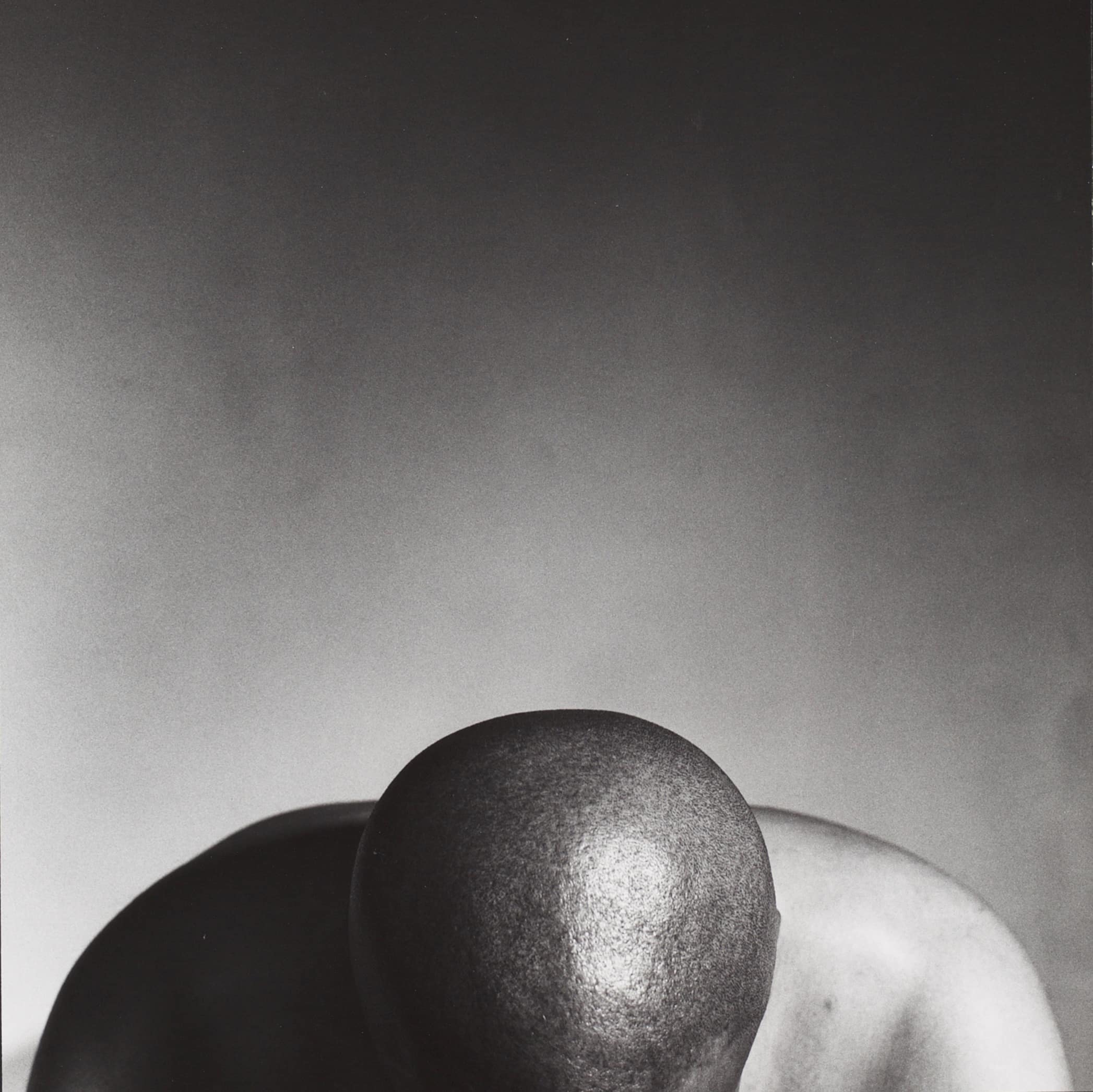
In Brussels, seeing Robert Mapplethorpe’s X Portfolio brought together today remains an exception. Until March 14, the Éric Mouchet gallery is showing the entire mythical series produced at the end of the 1970s, which has become one of the most controversial bodies of work in the history of photography. Few galleries — and even fewer institutions — still agree to display it in its entirety. More than 40 years after their creation, these images remain surrounded by a cautious silence, curatorial precautions and a persistent form of distancing.
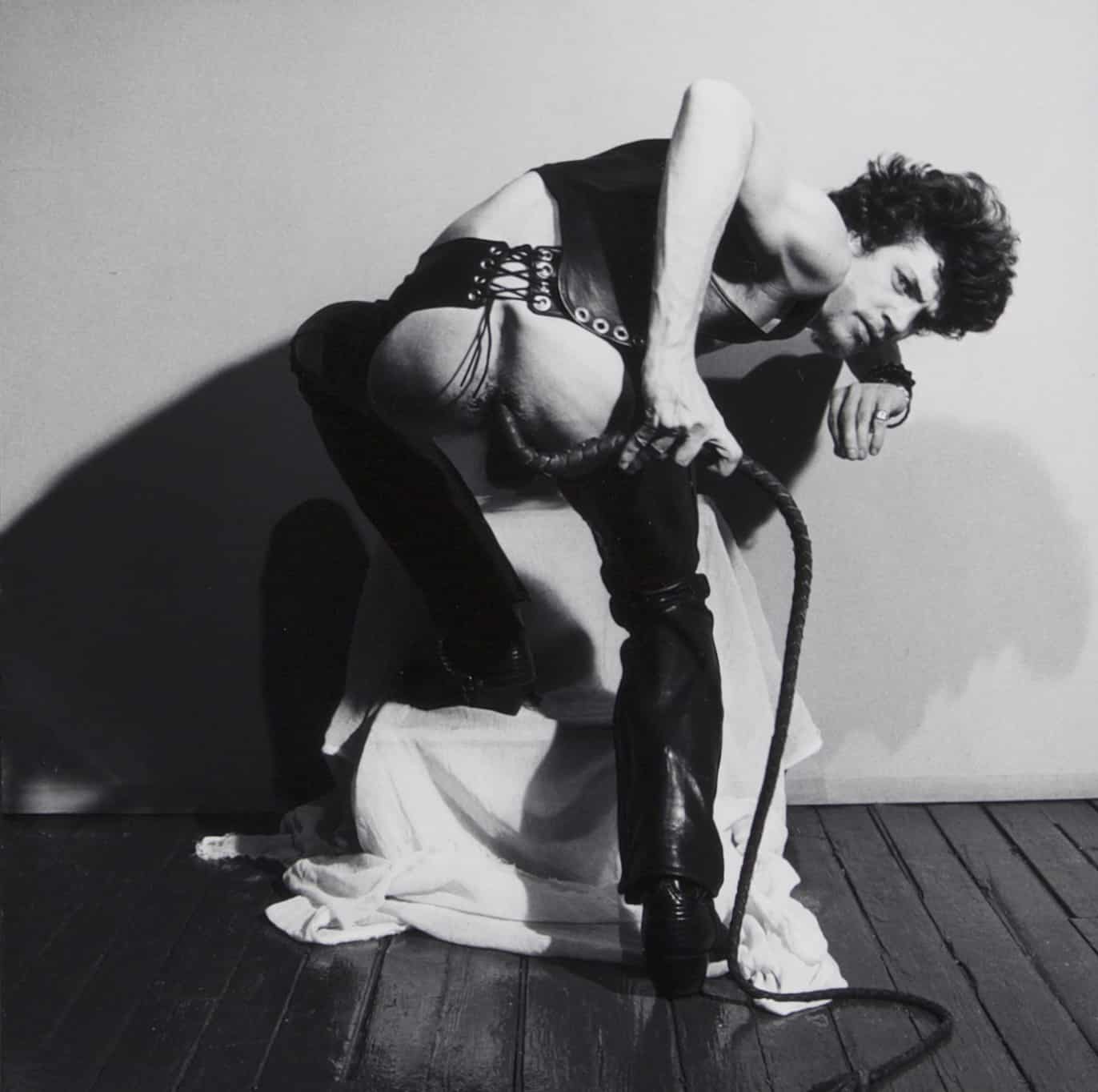
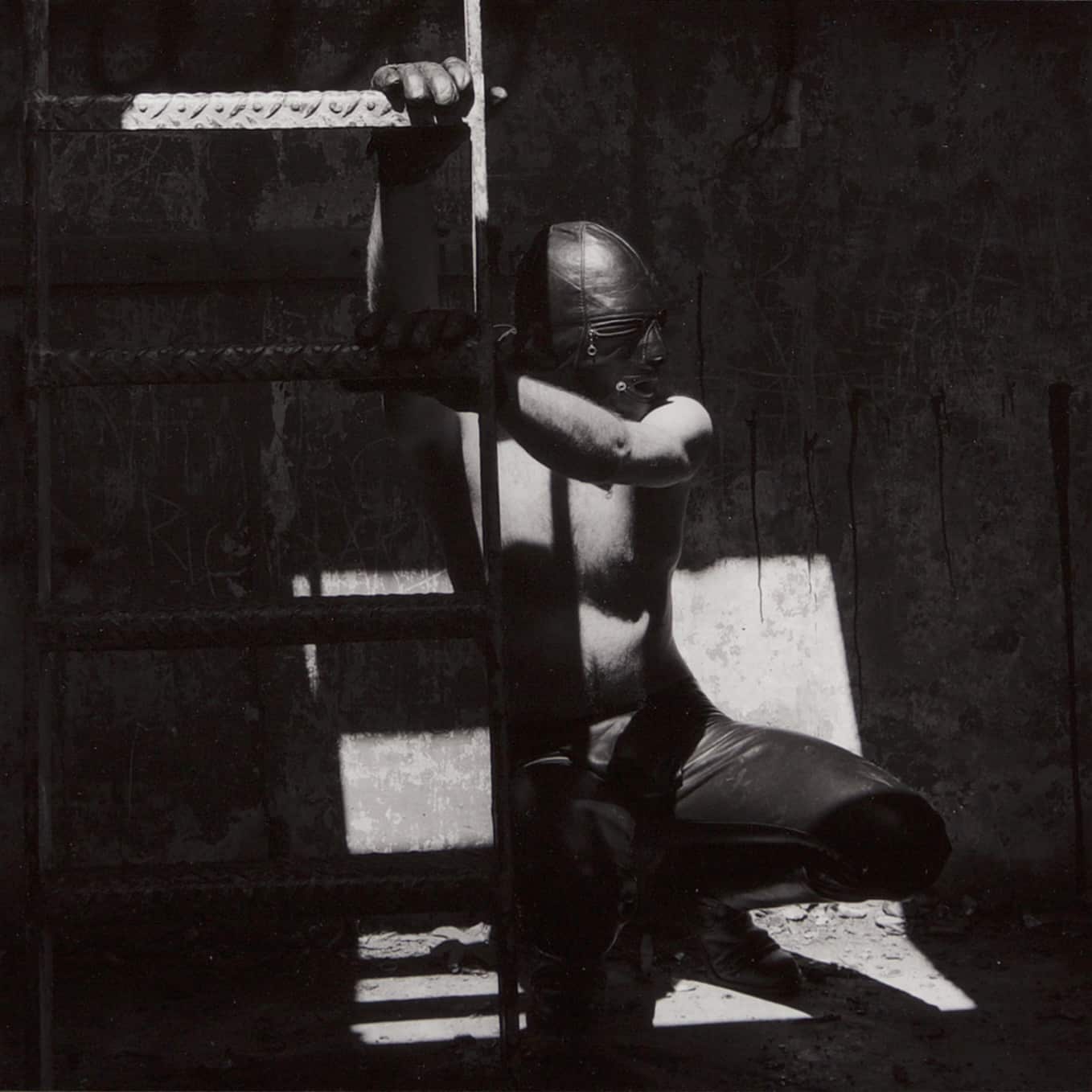
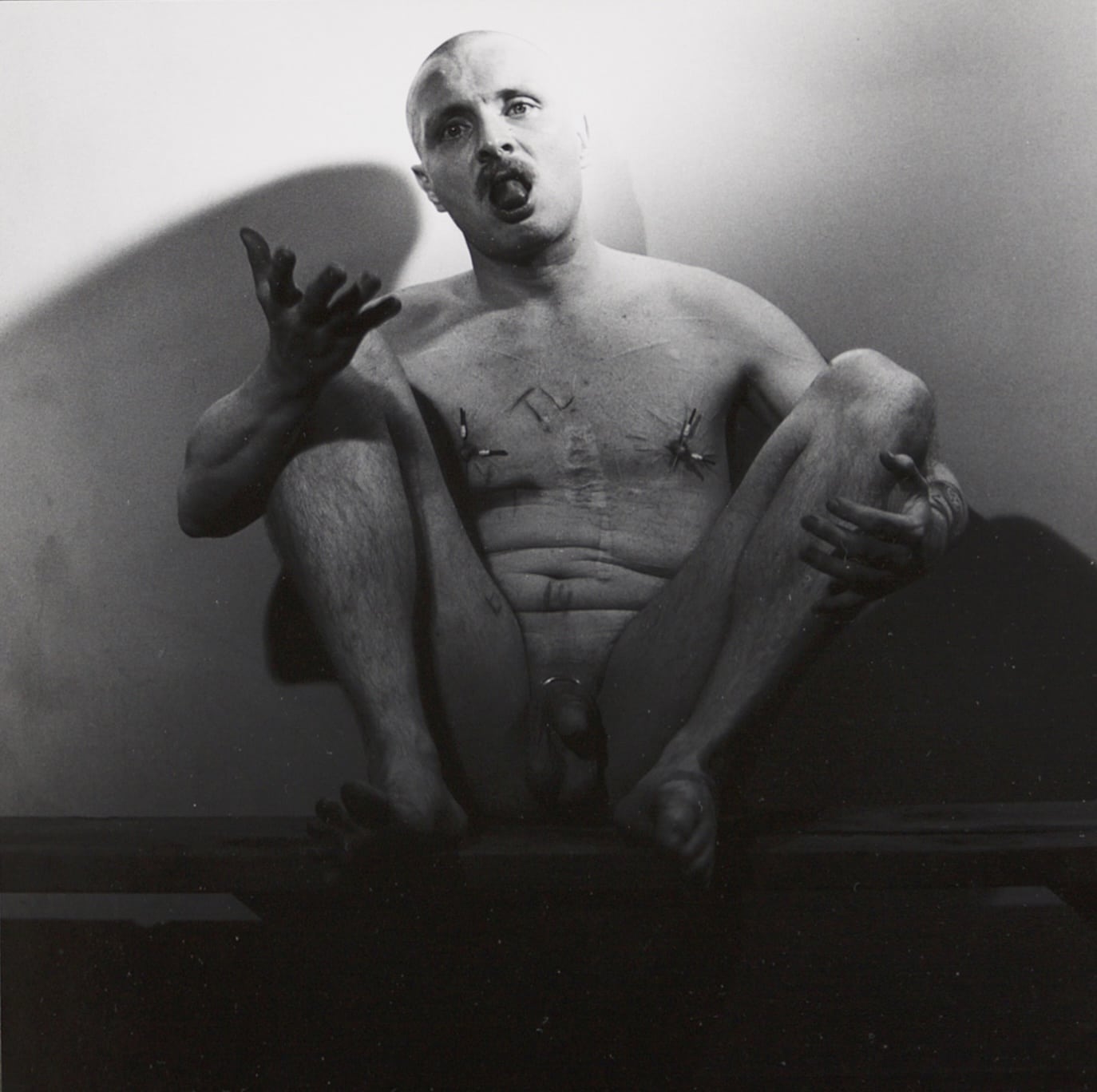
Produced in 1978, X Portfolio is one of the three portfolios conceived by Robert Mapplethorpe that same year, alongside Y Portfolio and Z Portfolio. Thirteen black-and-white photographs make up this series devoted exclusively to sadomasochistic practices within the New York gay scene. Masked bodies, leather accessories, restraint devices and ritualised gestures: Mapplethorpe photographs head-on a world he himself frequented and decided, for the first time, to present as a coherent body of work. As Éric Mouchet recalls, “exhibiting the mythical X Portfolio by Robert Mapplethorpe during PhotoBrussels Festival, alongside other explicit photographs by the artist, naturally carries a political intention. It has become almost impossible to organise an exhibition of his works in a museum institution without provoking controversy. Any exhibition of Robert Mapplethorpe’s work is either, at worst, accused of promoting pornography or, at best, suspected of having been previously self-censored.”
Yet the photographs that make up X Portfolio have long been circulating in the digital sphere. “The thirteen images from X Portfolio, some of which are indeed pornographic, are nevertheless well known and easy to find on the internet for anyone who wishes to see them,” Éric Mouchet notes. The paradox lies here: accessible everywhere, but almost invisible in the places where the history of photography is officially written.
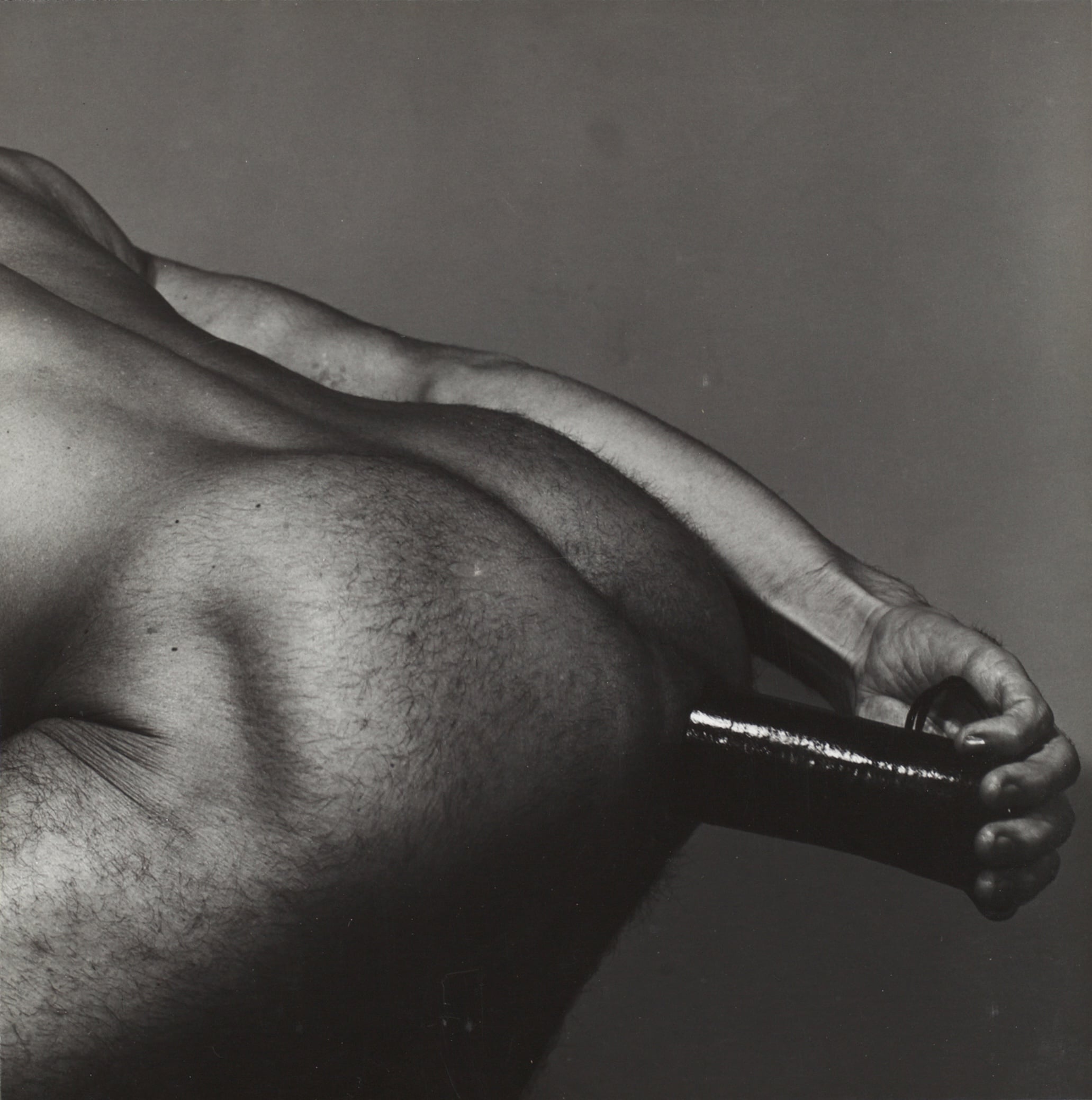
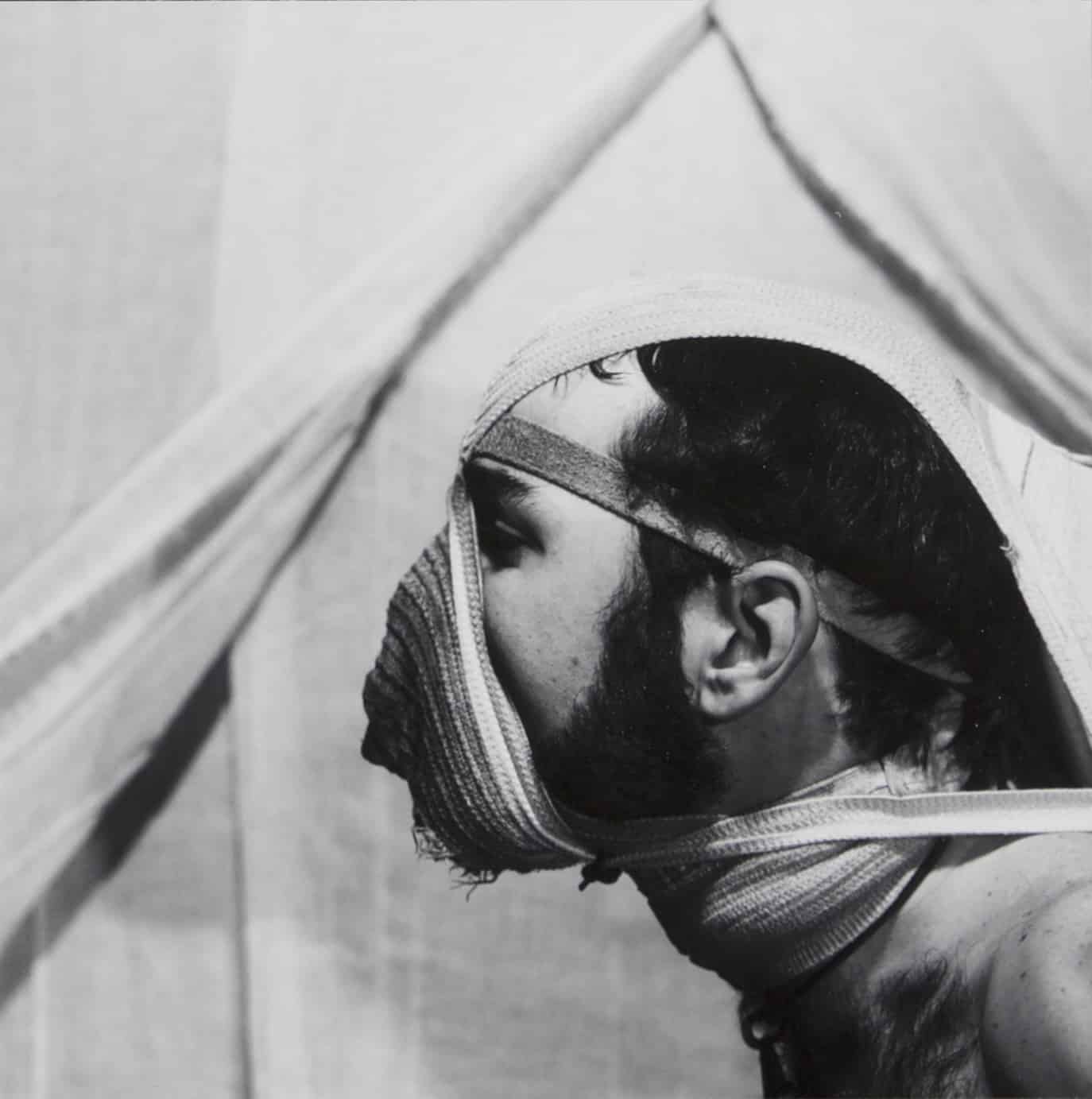
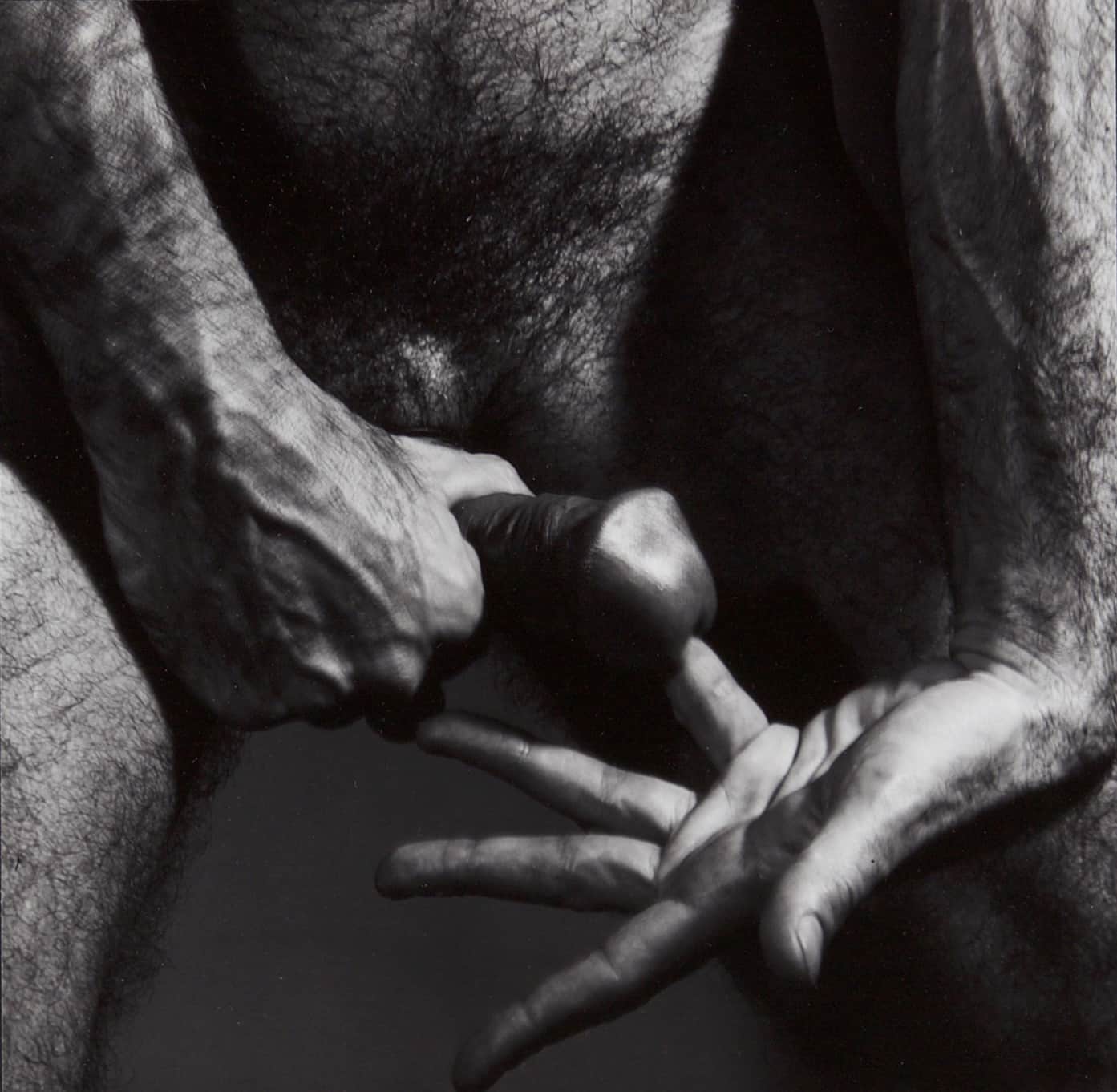
At the gallery, the prints on display are vintage prints, produced during the artist’s lifetime and, for the most part, signed. “They are of very high technical quality and their composition is masterful,” the gallerist insists. Around X Portfolio, other rarely shown images also complete the exhibition: more intimate portraits, unique Polaroids, photographs in which the frontal nature of gesture and gaze continues to structure Mapplethorpe’s entire visual grammar. “The presentation of these thirty vintage prints (…) offers us a sufficiently broad panorama to explore the reasons why Robert Mapplethorpe became the uncontested star of queer and subversive art and culture in the 1970s and 1980s.”
The story of these images begins long before they acquired their symbolic status. Robert Mapplethorpe was born in New York on November 4, 1946. Very early on, he turned towards the visual arts. “He began his artistic studies as early as 1963,” the gallerist recalls, adding that Mapplethorpe initially produced collages using pornographic magazines before finding, almost self-evidently, his photographic path: “as soon as he was given a Polaroid camera, photography became his preferred medium.”
During these early years, the foundations of what would run through his entire body of work were already taking shape. “The frontal nature of the image and the gaze (…) mark the whole of Mapplethorpe’s production,” observes Éric Mouchet. The gaze is sometimes direct, sometimes deliberately absent when the body is fragmented, but it remains the central axis around which his images are organised. His first solo exhibition, in 1973 at the Light Gallery in New York, already announced the frontal relationship he would establish with his own body and with sexual representation. “From the invitation to his first solo exhibition at the Light Gallery in 1973, consisting of a frontal view of his sex vaguely concealed by a sticker…,” recalls the gallerist.
Five years later, X Portfolio appears as an explicit break. “…to his self-portrait in X Portfolio in 1978, in which he looks directly at the camera while simultaneously displaying his buttocks, dressed only in chaps and from which a whip emerges, giving this provocative image a satanic connotation,” continues Éric Mouchet. The photograph is now one of the best-known images in the series: Mapplethorpe condenses within it the assertion of his identity, the theatrical nature of the set-up and the symbolic violence of self-exposure.
In the photographs presented in Brussels, bodies are framed without détour: masked faces, ritualised postures, leather accessories, restraint devices, scenes of domination and submission. The settings are reduced to their bare essentials: naked walls, raw floors, dark backgrounds. Light carves out volumes, isolates gestures and fixes the moment. Each image functions as an autonomous, precise and controlled construction, yet charged with an immediate tension.
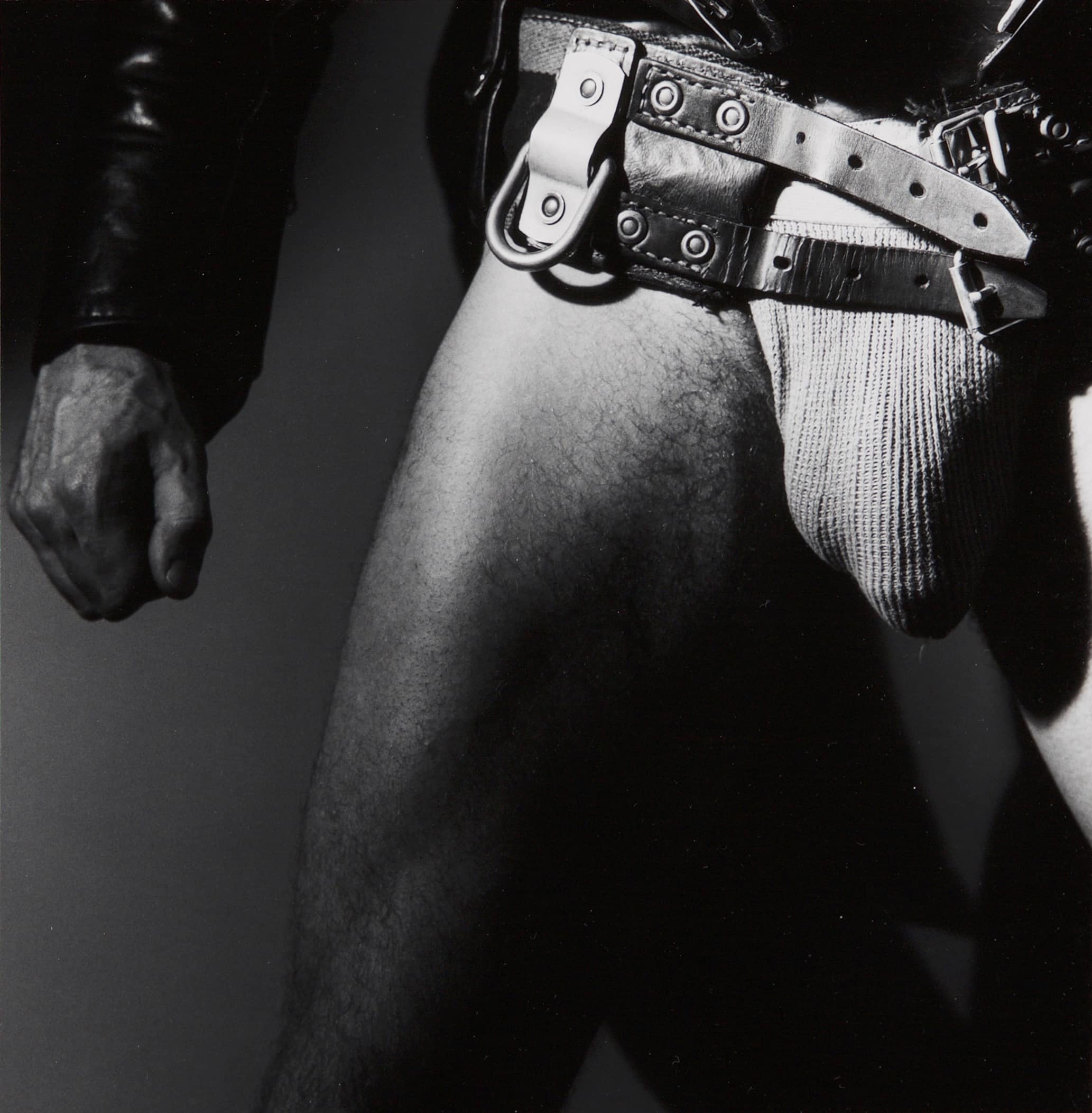
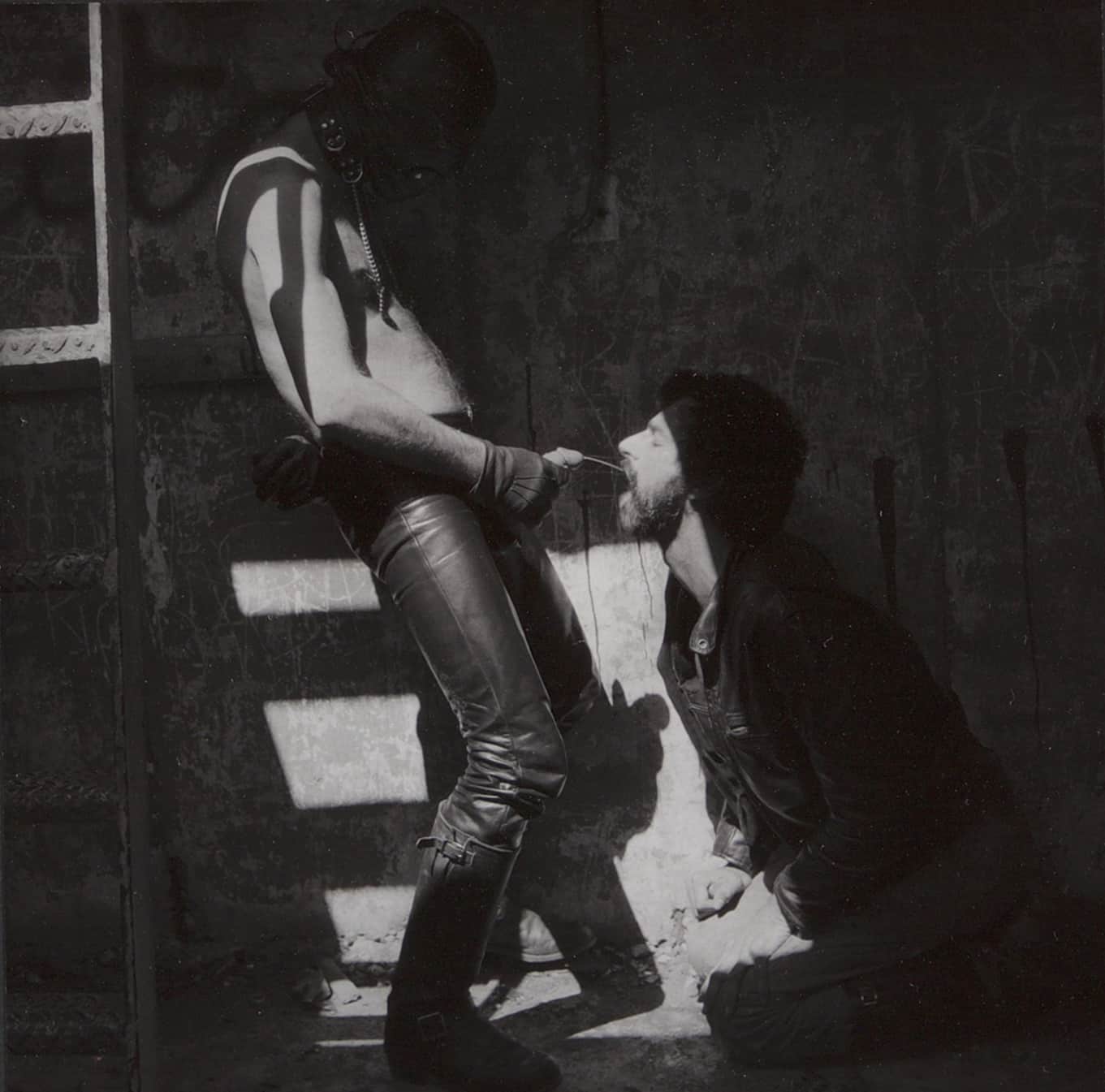
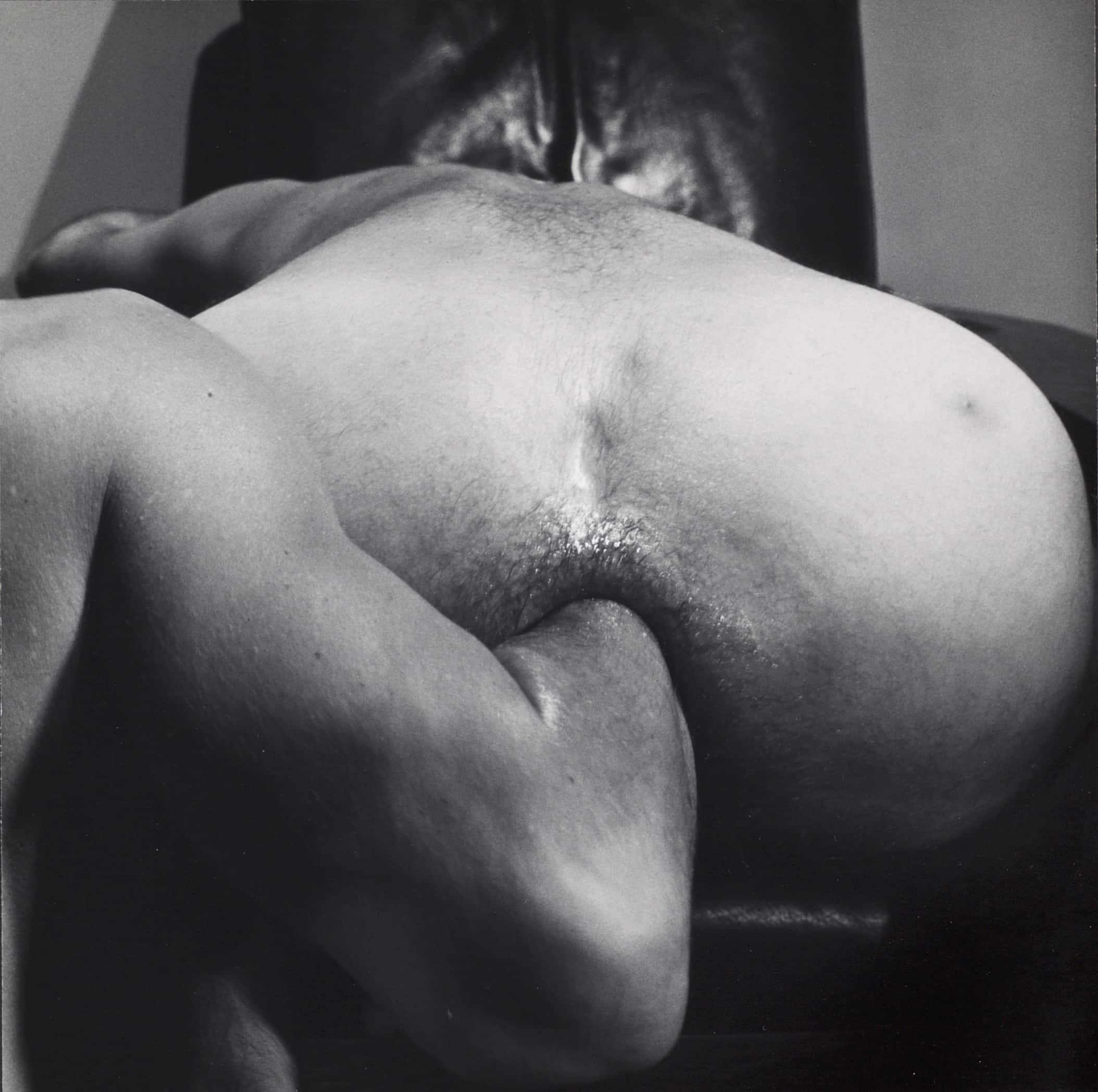
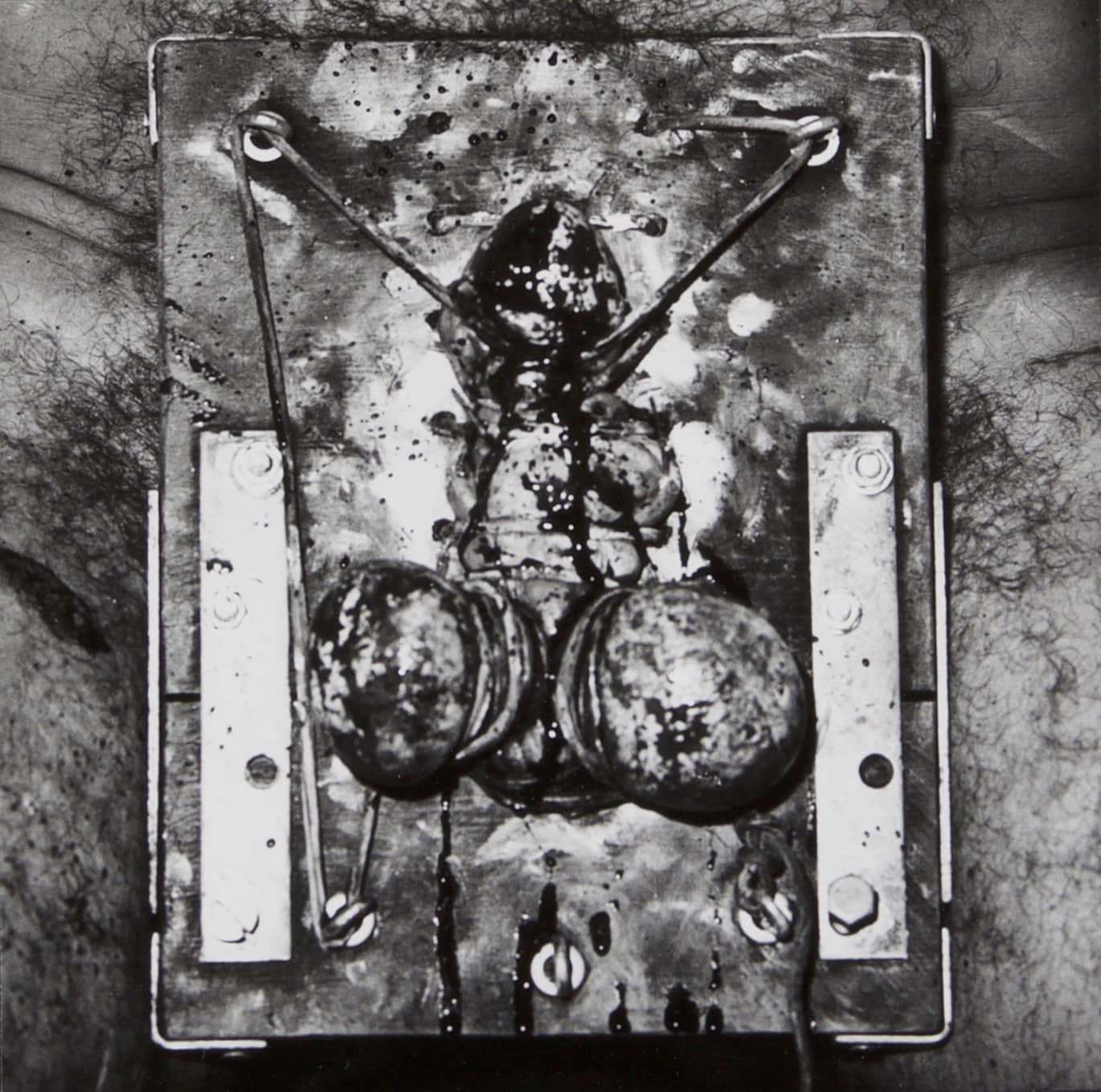
X Portfolio was produced at a specific moment in New York history and in the history of gay culture. A few years after the Stonewall riots, at a time when queer visibility was being redefined in public space, Mapplethorpe chose to show what had until then largely remained confined to private and clandestine environments. SM practices, fetish codes and male bodies become photographic subjects in their own right, carried by a rigorous aesthetic and an openly asserted desire for visibility. Éric Mouchet also recalls how deeply these images are rooted in a personal trajectory. “If the other photographer we are currently exhibiting, Herbert Tobias, carried out his coming out through photography, Robert Mapplethorpe undoubtedly legitimised his own SM practices in his own eyes by exposing them so boldly to the public,” he says, underlining the profoundly intimate dimension of this artistic gesture.
After X Portfolio, Mapplethorpe continued to develop multiple series, commissions, society portraits and flower photographs. But the self-portrait remained a central thread. “In the final self-portrait of 1988, where only his pearly face and his right hand holding the knob of a cane sculpted with a skull emerge from a black background, all the phases of his life are synthesised in a self-portrait facing the camera,” explains Éric Mouchet. Between these two images — that of 1978 and that of 1988 — unfolds an artistic and personal trajectory marked by AIDS, by the rapid acceleration of public recognition and by an acute awareness of approaching death.
Mapplethorpe died in 1989 from complications related to the disease. The following year, the exhibition “The Perfect Moment” at the Contemporary Arts Center in Cincinnati triggered one of the most significant cultural scandals in the United States. The centre was taken to court. The slogan printed on the T-shirts of the time, now echoed by the Brussels gallery, sums up the position defended by Éric Mouchet: Censorship is obscene.
During his lifetime, the artist notably presented X Portfolio in 1987 at 80 Langton Street, an alternative art space in San Francisco, under a title that already made its meaning explicit: “Censored.” What the Éric Mouchet gallery is showing today are not only images that have become famous for their explicit nature. They are historical prints, material objects, photographs produced within a precise context, whose status and circulation have profoundly changed. “The presentation of these thirty vintage prints (…),” insists the gallerist once again, “makes it possible to restore the work in its true density, far from isolated excerpts and decontextualised reproductions.” This is also what makes the Brussels exhibition exceptional: the opportunity to see these images together, so rarely assembled and so rarely exhibited.
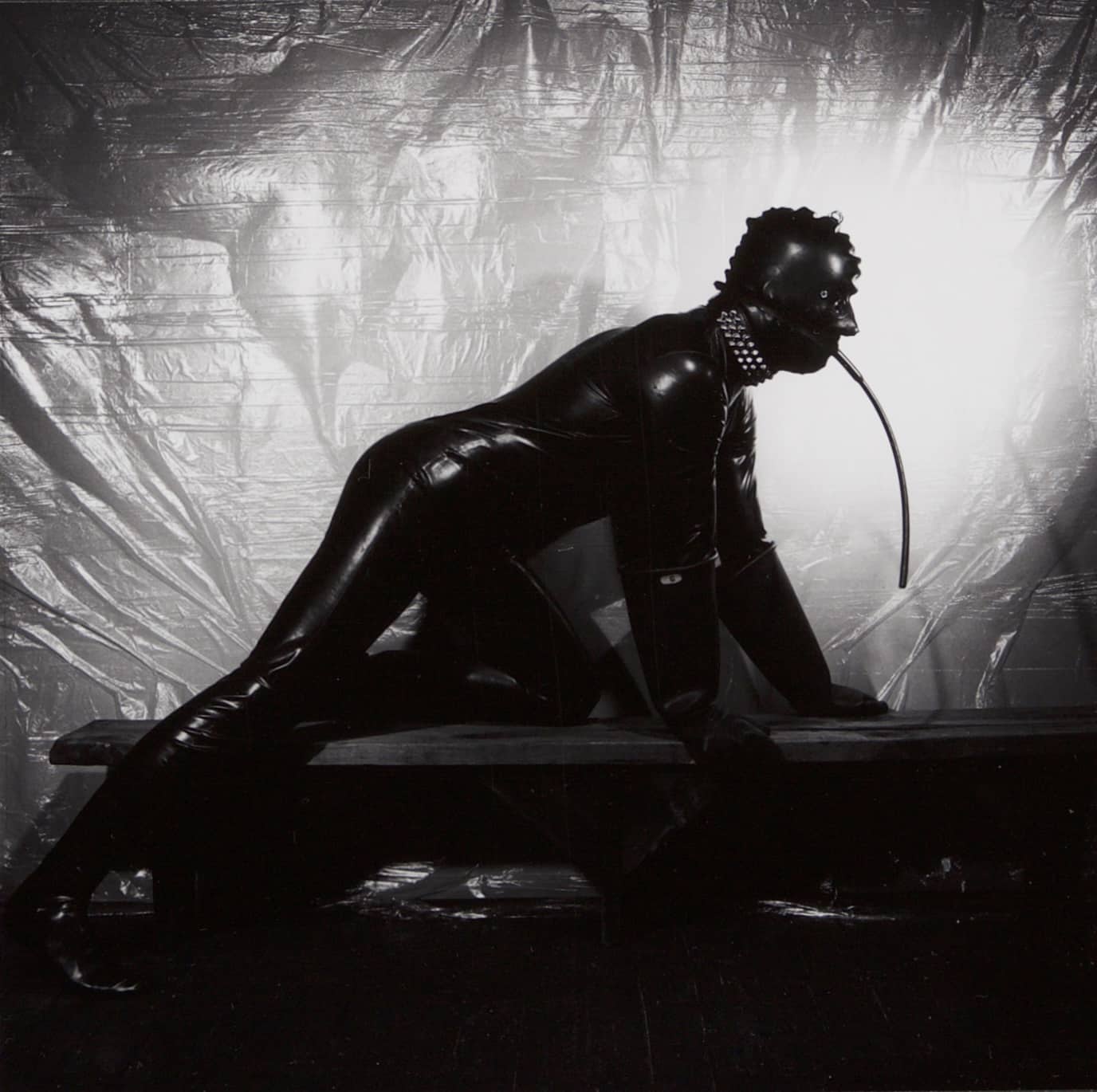
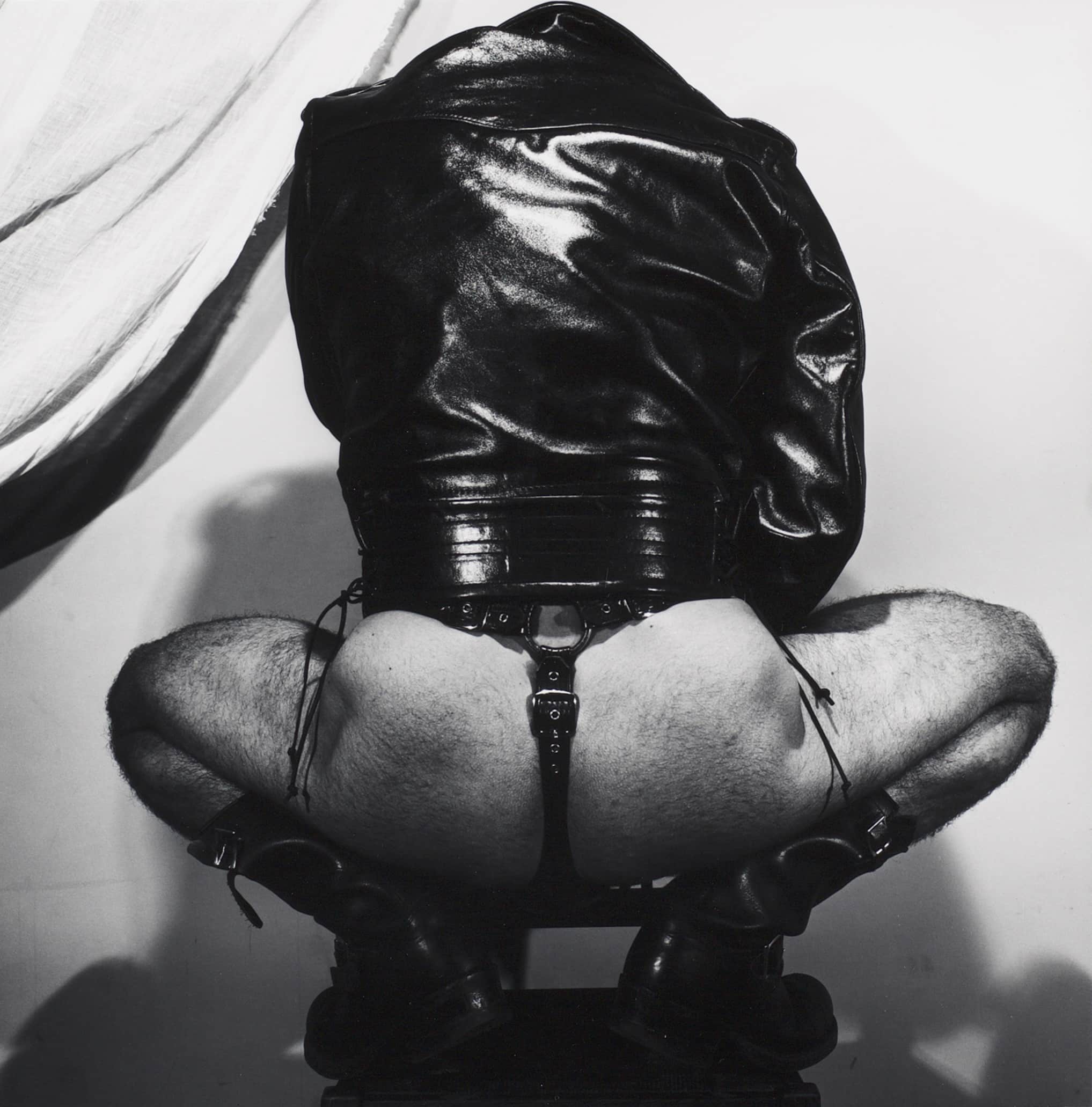
Even today, X Portfolio continues to provoke refusals and misunderstandings. Not because the images are unknown, but because they directly displace the boundaries of what public space agrees to show. By presenting them without filters, without spectacular warnings and without moralising discourse, the Éric Mouchet gallery places these photographs back where Mapplethorpe had first positioned them: at the very heart of the history of photography, queer culture and struggles for visibility. Produced at the end of the 1970s, these images now reappear not as scandalous relics, but as essential documents of an era, a struggle and a gaze. Images which, nearly half a century after their creation, continue to raise a simple and burning question: who still decides what may be seen?
X Portfolio, by Robert Mapplethorpe, is on view until March 14, 2016 at the Éric Mouchet gallery in Brussels, as part of the exhibition “Robert Mapplethorpe & Herbert Tobias” and the Photo Brusells Festival.