It is a JFK in full political ascent — sun-kissed, the nape of his neck bathed in light — that the film preserves for eternity, shot at Hyannis Port, the Kennedy family’s historic stronghold on Cape Cod, Massachusetts, in July 1958. Another portrait, taken the same day, captures John with a small Cuban cigar between his fingers, his gaze pensive, as though turned toward a future only he can fathom.
These photographs are the work of one Jacques Lowe, a Holocaust survivor and young immigrant who, at just 28, became the personal photographer to President John F. Kennedy. Captivated by this “young photographer with a sense of humor almost as strong as his German accent,” photographer turned filmmaker Steele Burrow built his brilliant documentary around him — drawing on more than ten hours of interviews and hundreds of never-before-seen photographs of the Kennedys.
Born Jascha Lülsdorf in Cologne in 1930, hidden for nearly two years with his mother in the basement of a restaurant to escape the Gestapo, he boarded a ship for the United States at the end of the war with a camera as his only possession. His daughter, Victoria Allen, recounts that during the crossing, when people asked what he planned to do in America, he answered with quiet certainty: “I’m going to be a photographer.” And when they retorted, “No, you’re going to work in a factory,” he simply repeated: “No. I’m going to be a photographer.” And that is exactly what he became.
Bobby Kennedy, JFK’s younger brother, first opened the door to the clan. In 1956, Lowe, a young freelance reporter, photographed him in Washington. Charmed, Bobby invited him to dinner, then to Hyannis Port. Lowe shot 124 portraits of his children—candid, tender, luminous. Bobby immediately asked for a second set for his father.
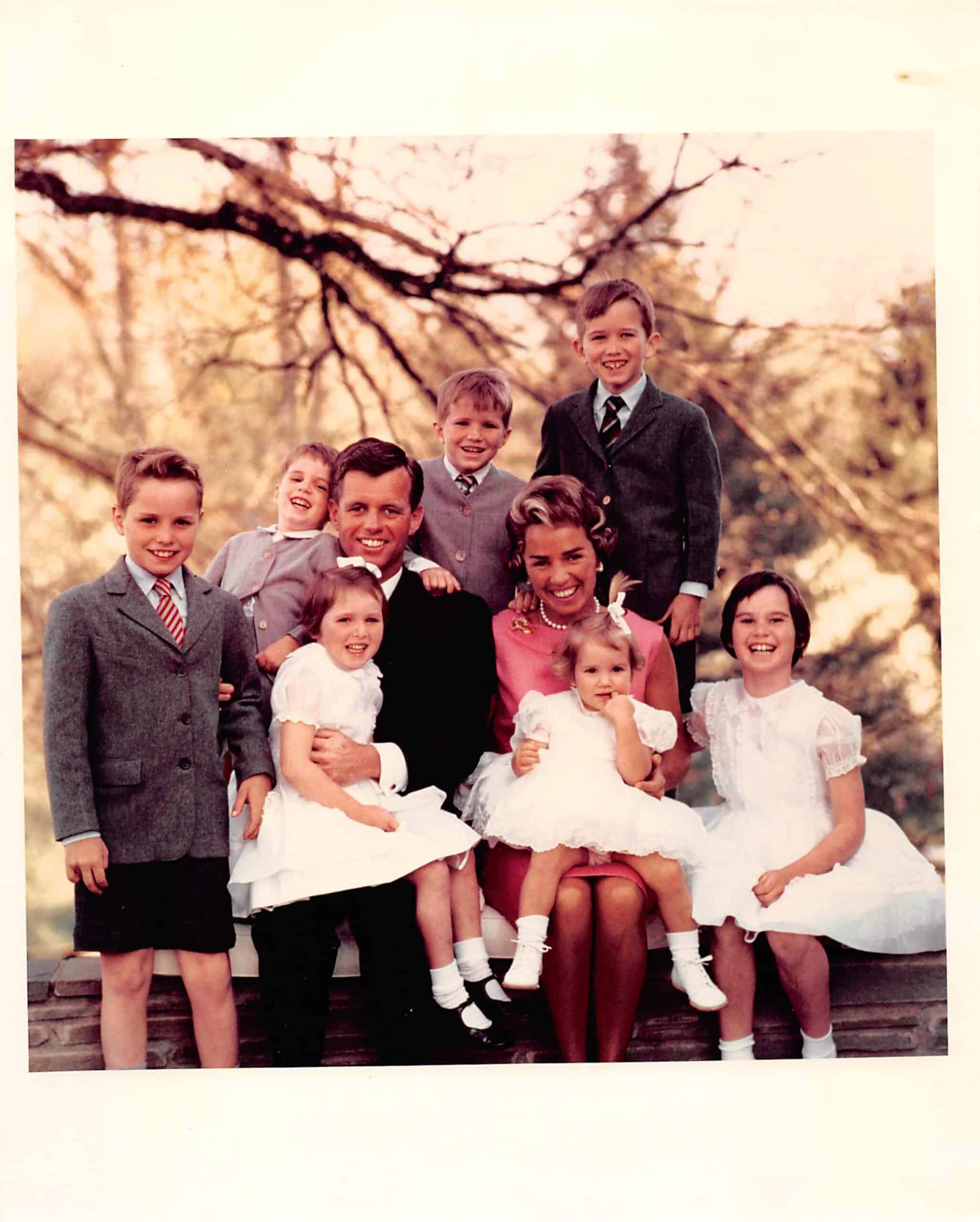
“At midnight, my phone rang,” Lowe recounts. “The voice said, ‘Mr. Lowe? This is Joe Kennedy speaking.’ Joe Kennedy was a legend. So I thought one of my friends was pulling a gag. I said, ‘Okay, this is Santa Claus.’ He said, ‘No, this is Joe Kennedy. Bobby gave me these pictures. They’re the greatest pictures I’ve ever seen. Would you come and photograph my other son?’”
The “other son” was John Kennedy. But that Sunday photo session was far from enchanting for the senator. In the midst of his re-election campaign for his Senate seat, he had just spent ten days on the road. Exhausted, he had dreamed of sailing or swimming—not of putting on a suit and posing. The session was on the verge of disaster. “It was very difficult to reach him,” Jacques Lowe revealed during an interview.
Jackie, however, tries to lighten the mood. “Sort of towards the end of the shoot, Jackie walked in with Caroline. He finally relaxed.” The snapshot of the couple with their daughter Caroline playing with her mother’s pearl necklace is one of the most endearing ever taken of the family.
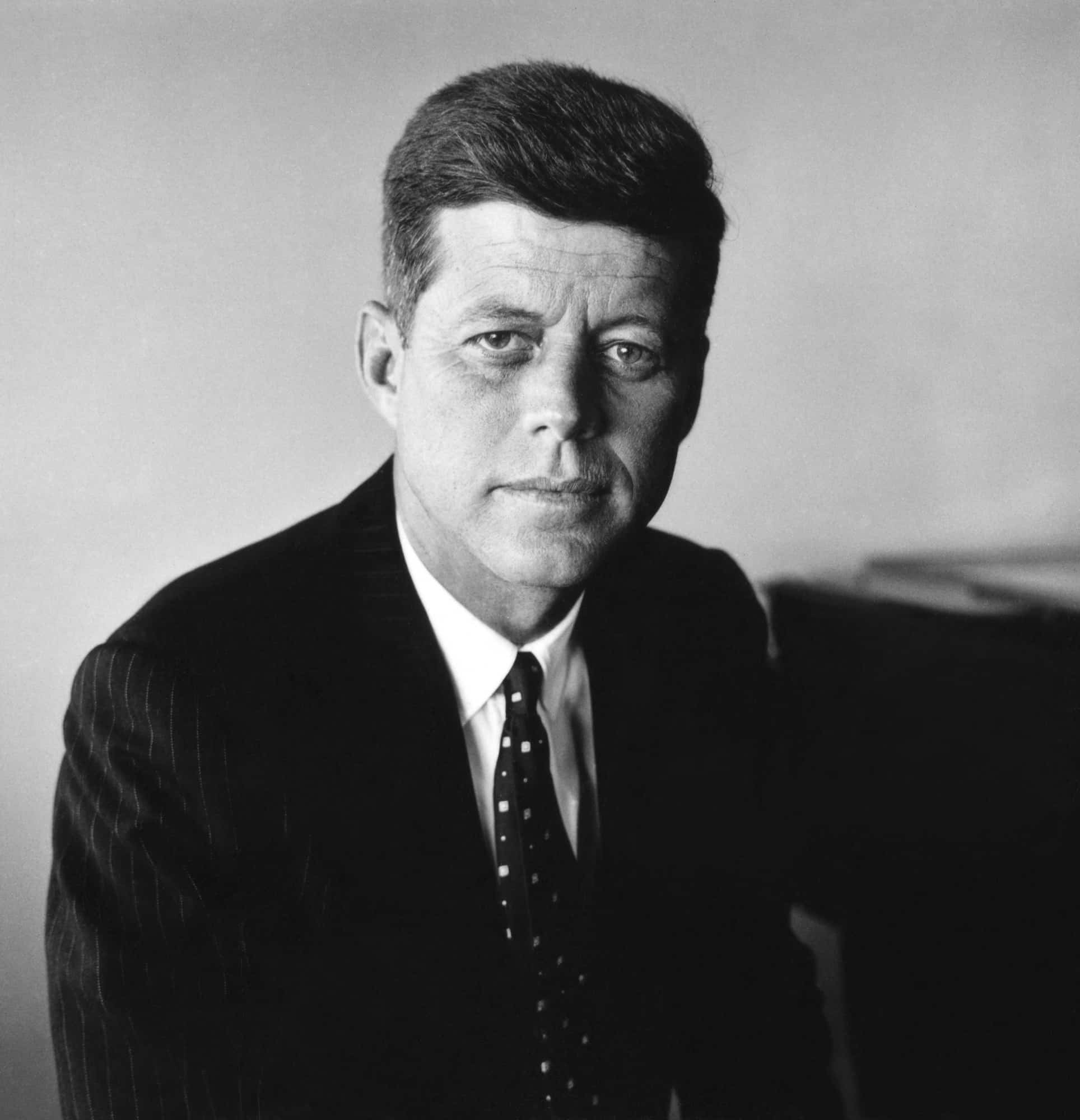
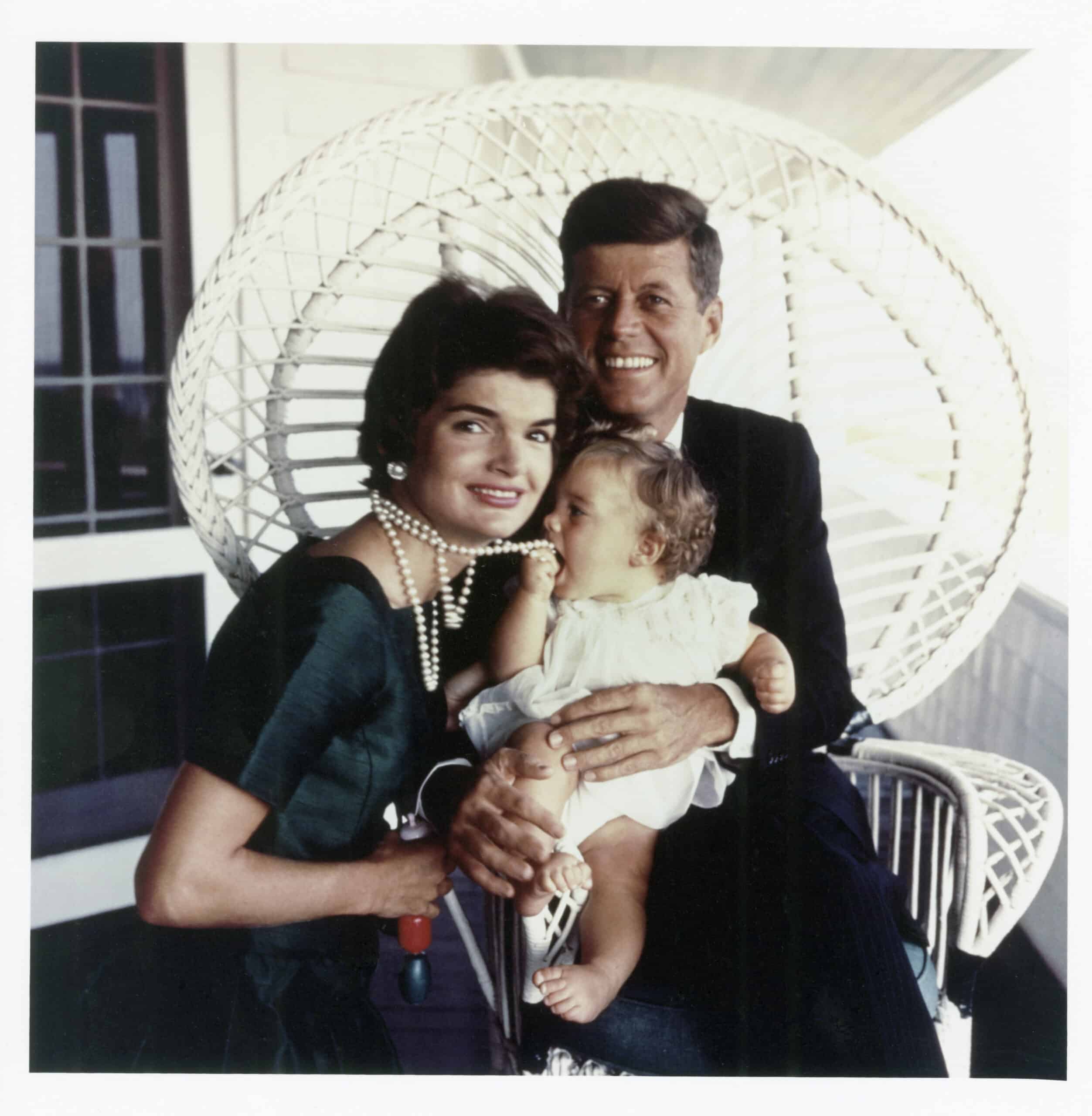
Three months later, John Kennedy himself called the photographer back to profusely apologize for his past behavior and asked him to accompany him during the primary campaign. The two men would remain inseparable from then on. Lowe never asked for anything, never directed. “I was always like a fly on the wall,” he says.
Steele Burrow sees far more than a method in this: “Jacques’ invisibility wasn’t just a technique. It was almost a disposition. He’d spent years learning how to not be seen, and that experience of survival through disappearance never fully left him. The irony is that his invisibility produced some of the most indelible images of the twentieth century.”
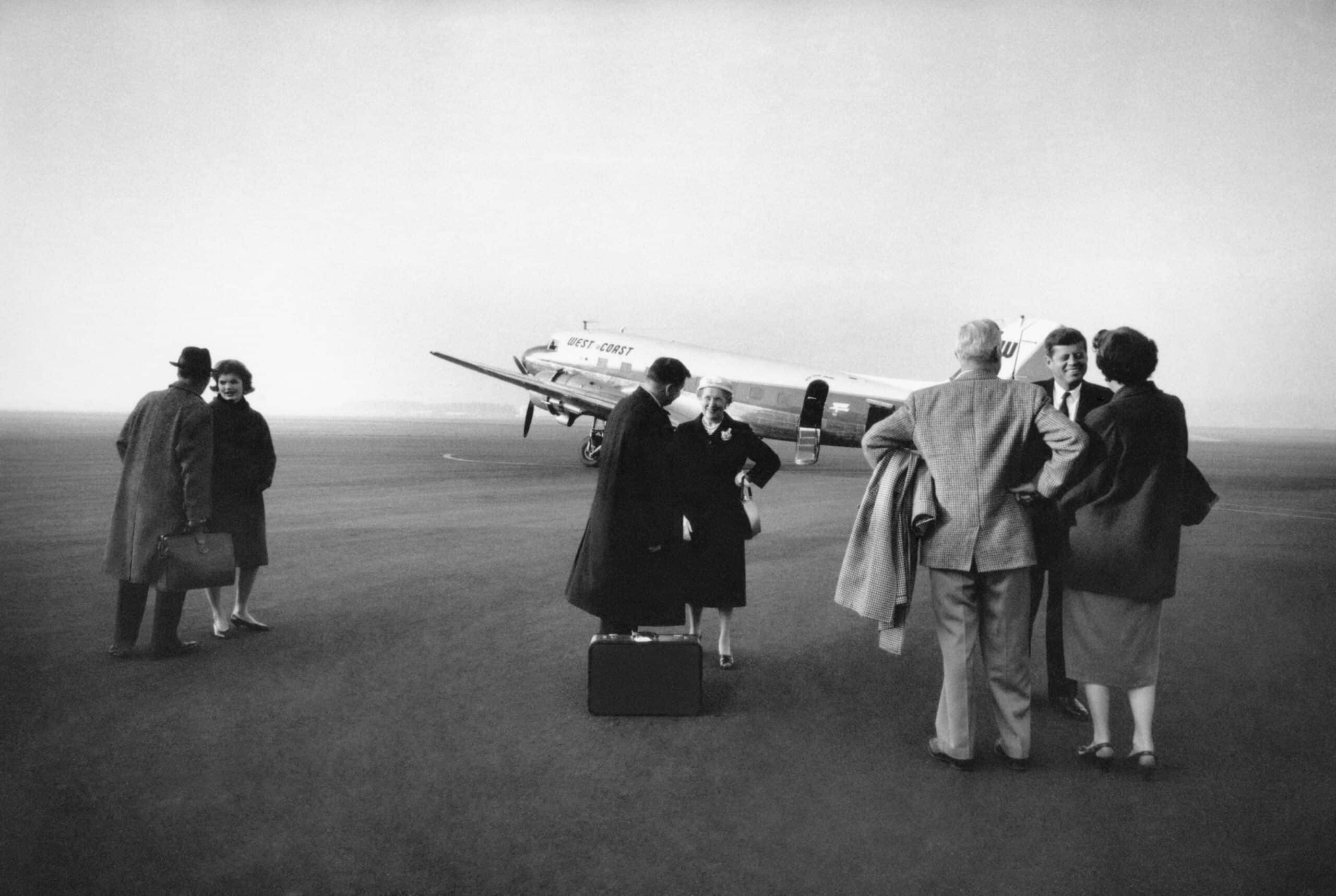
Then came the race for the White House. One of the most striking images, taken at Portland airport in the fall of 1959, shows Kennedy stepping off the plane onto a deserted tarmac: just two people had come to greet him. “He pointed to the picture and said, ‘Nobody remembers that today.’ Meaning nobody came to see him. But he remembered.”
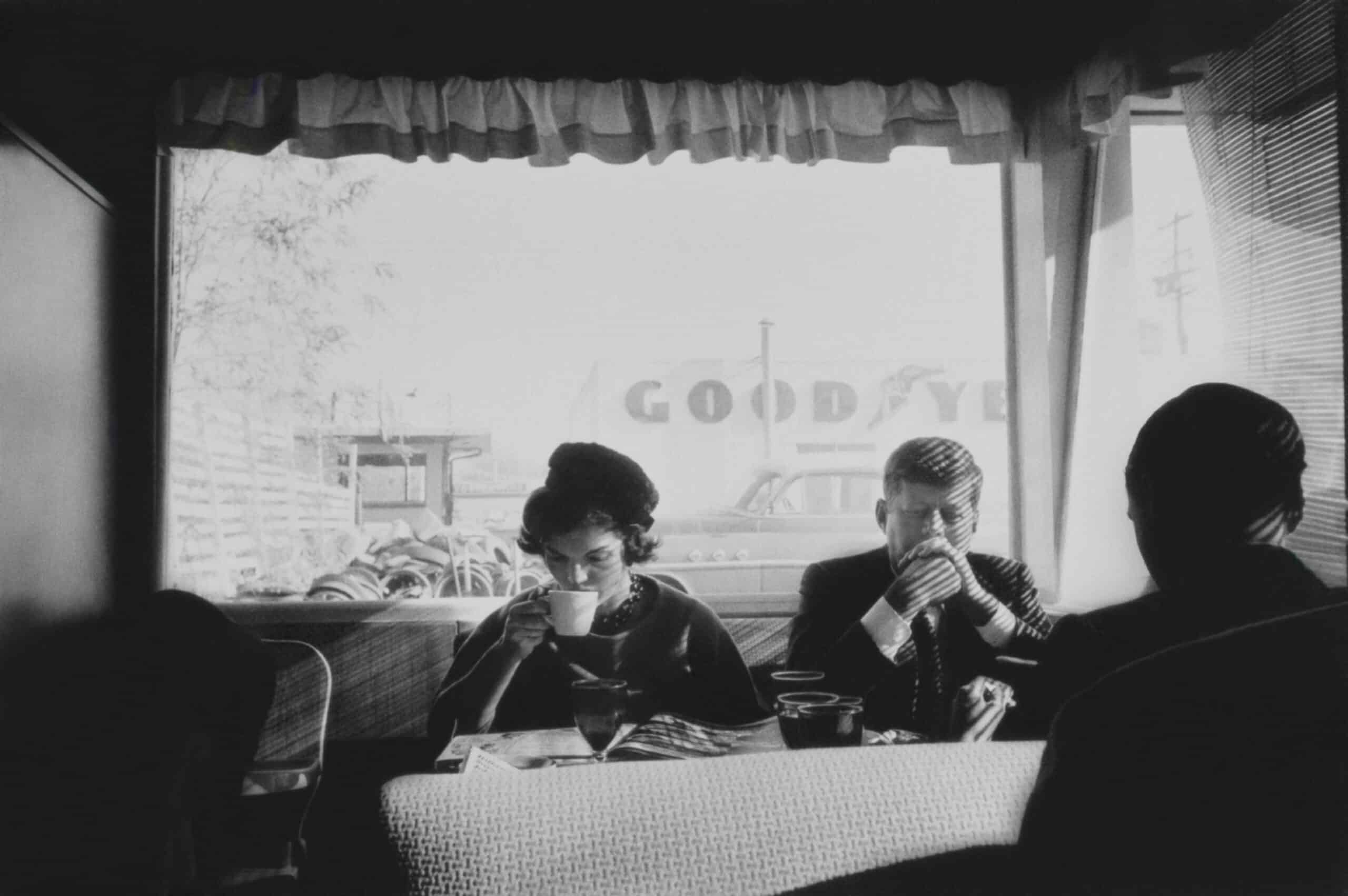
A now-famous photograph shows John and Jackie Kennedy, impeccably dressed, sitting in an Oregon diner, utterly anonymous. Six months later, as Lowe himself notes, “he became the best-known human being in the United States. People find it so hard to believe that the Kennedys just sat there totally unrecognized.”
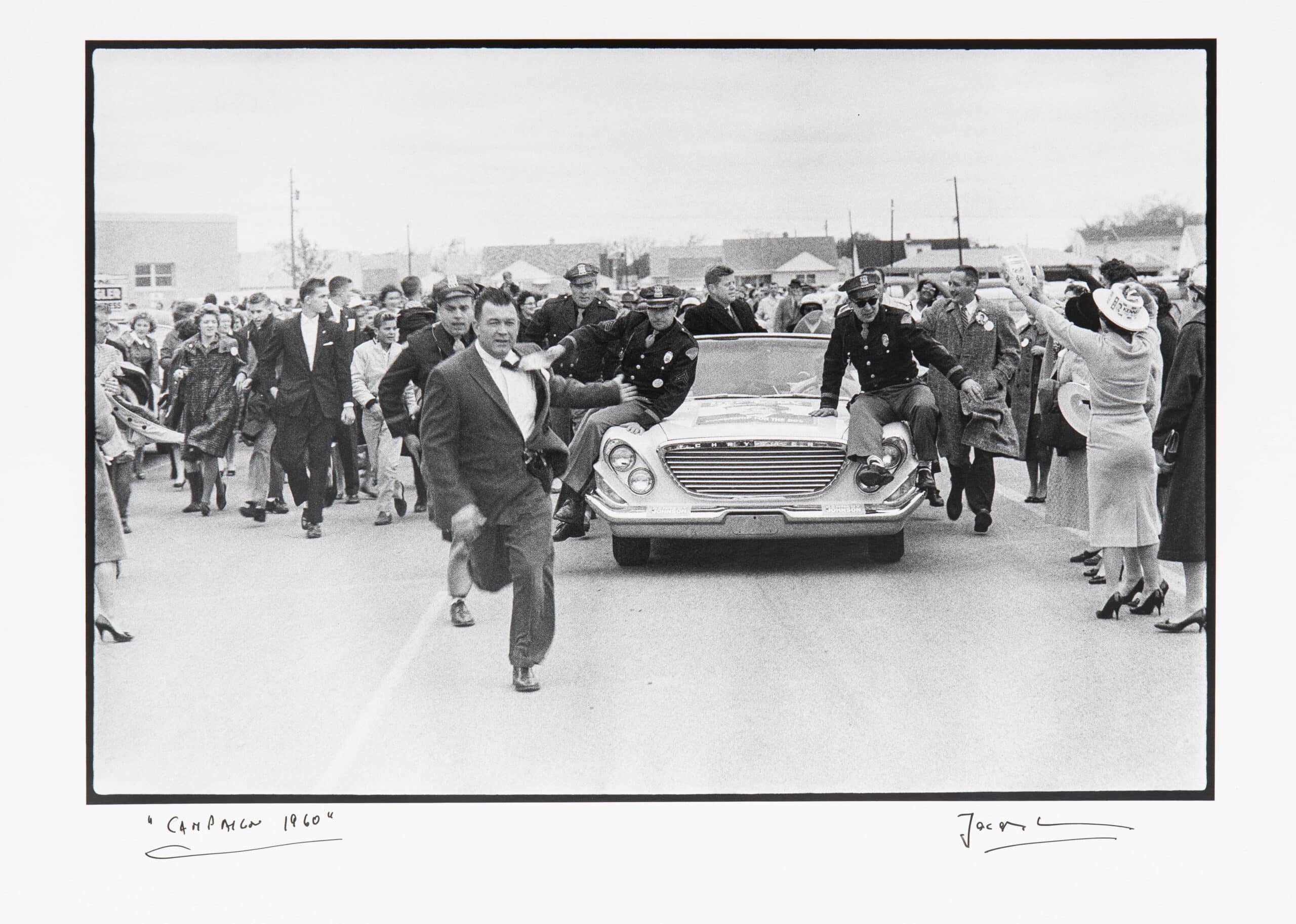
Another portrait, taken at a press conference in Nebraska—a tight frame on the senator’s profile, a row of camera lenses trained on him like Hollywood spotlights—would go on to grace campaign posters and reportedly inspire the profile on the American half-dollar. But Lowe also captured darker moments.
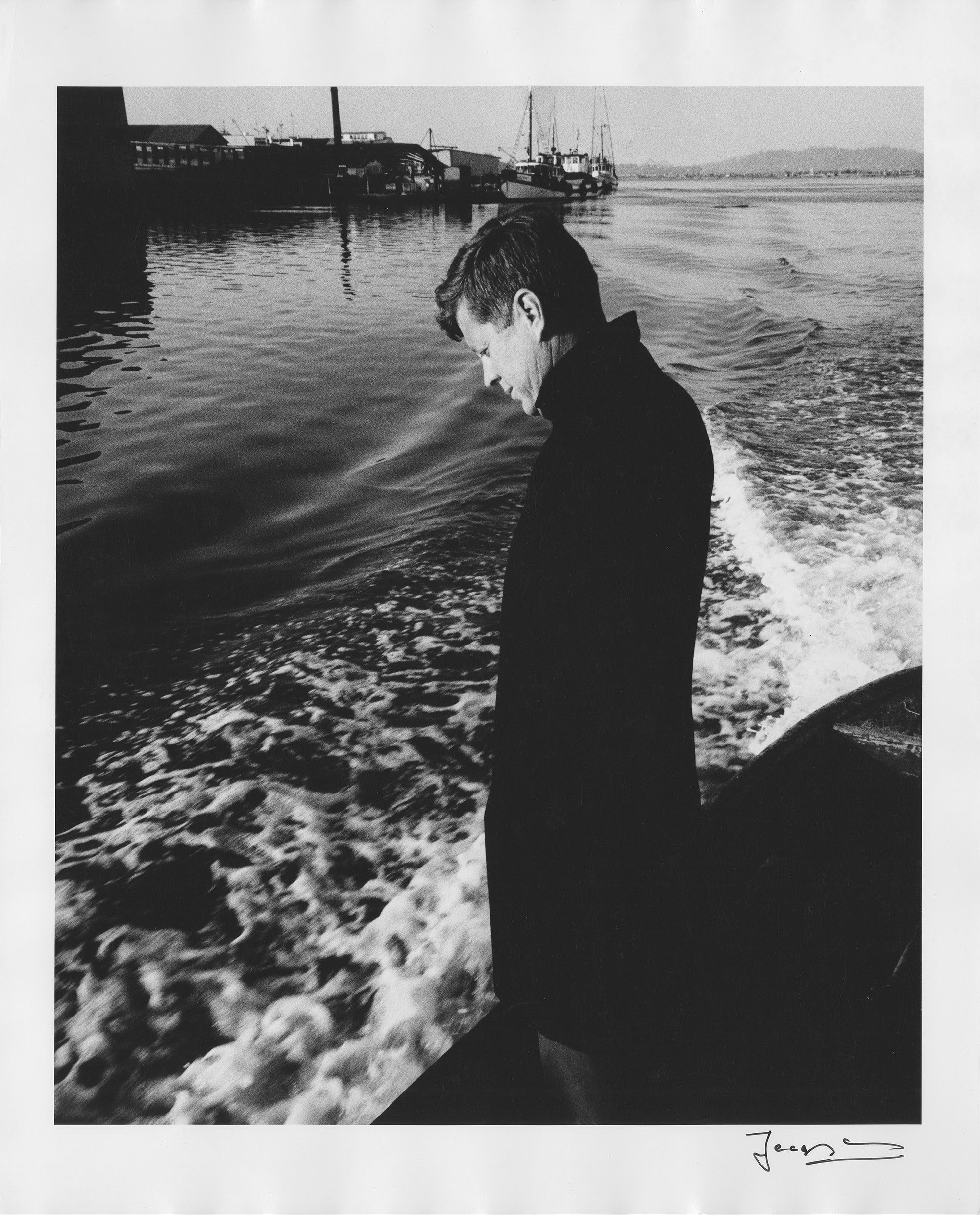
In Coos Bay, an Oregon lumber town loyal to his rival for the Democratic nomination, Hubert Humphrey, Kennedy failed to win over the dockworkers. Lowe framed him from behind, alone on a boat, dejected, facing the Pacific. “These were all Democrats, blue-collar Democrats. And he felt that he was just… He looked too elitist, he spoke too elitist, and he couldn’t get across to them,” Lowe confides.
According to Steele Burrow, “Jacques understood the loneliness of ambition in a way that most photographers wouldn’t have recognized, let alone captured. He saw something of himself in that man on the water.”
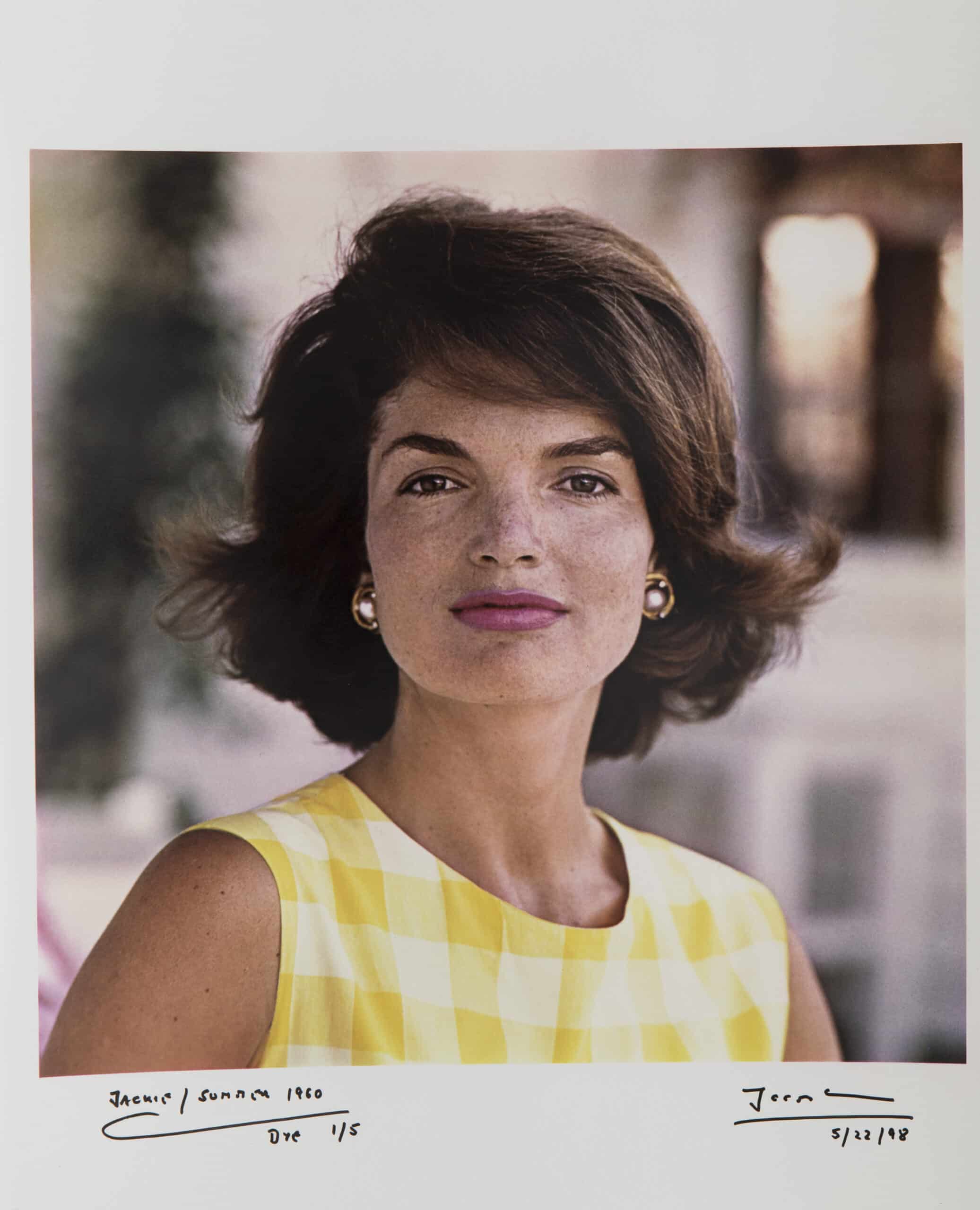
Lowe’s eye for Jackie obeyed an entirely different grammar. Where JFK ignored the lens, she summoned it. A former photographer for a Washington newspaper, she spoke the language of light, shadow, composition.
The portrait of the future First Lady in a yellow-and-white checkered dress in front of the Georgetown house draws its power from that complicity: a frank gaze, almost no makeup, a starkness stripped to the bone. “Kennedy pushed him toward meaning, toward photographs that told a story. Jackie pushed him, perhaps unconsciously, toward beauty,” Burrow observes.
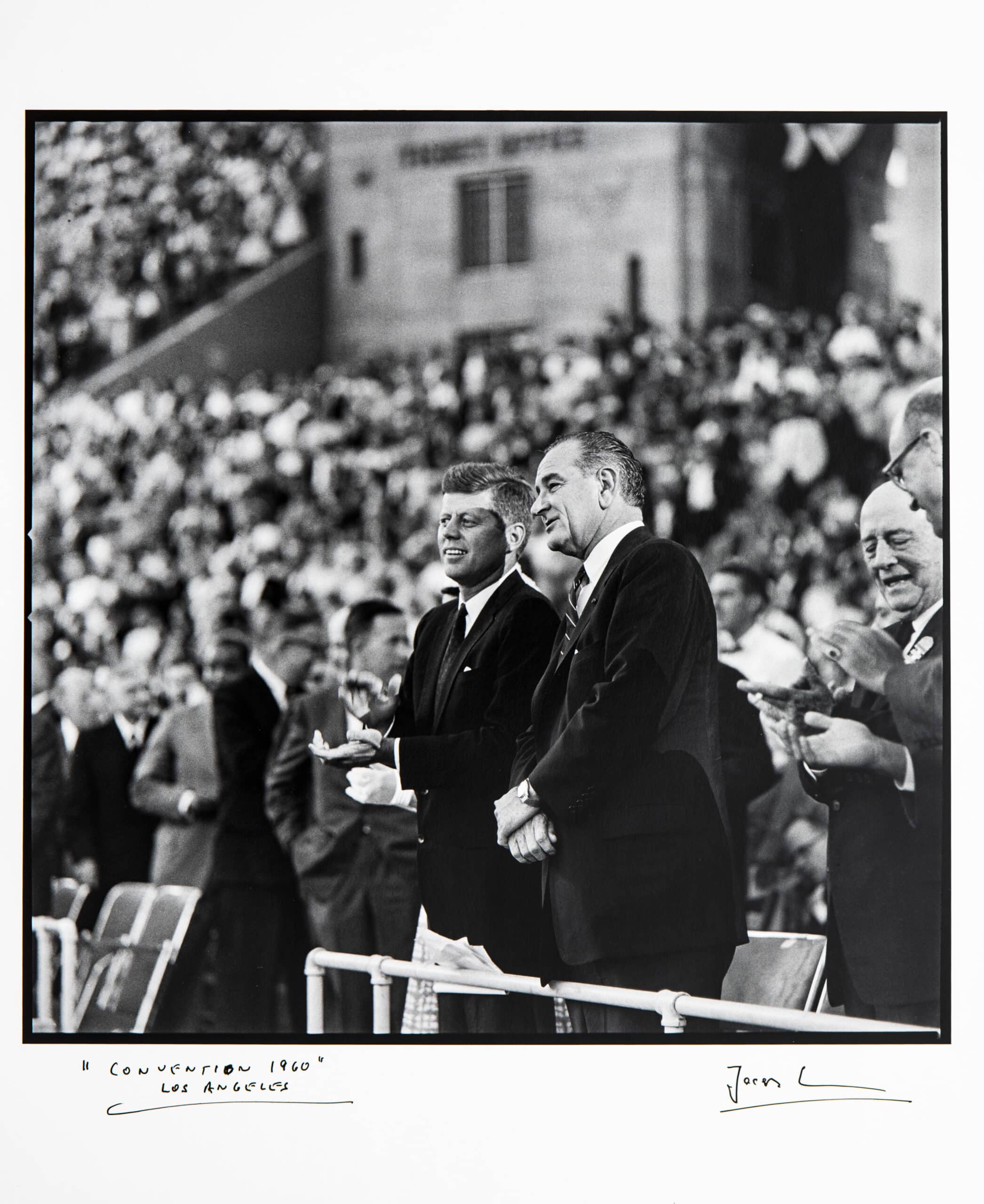
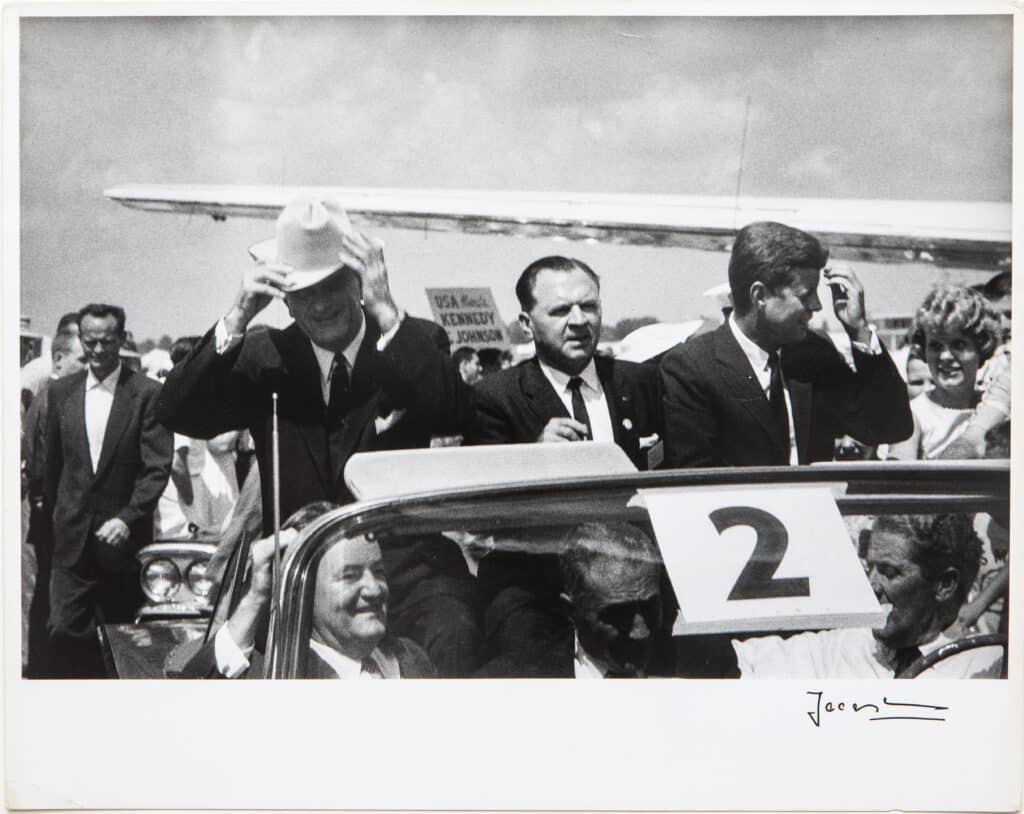
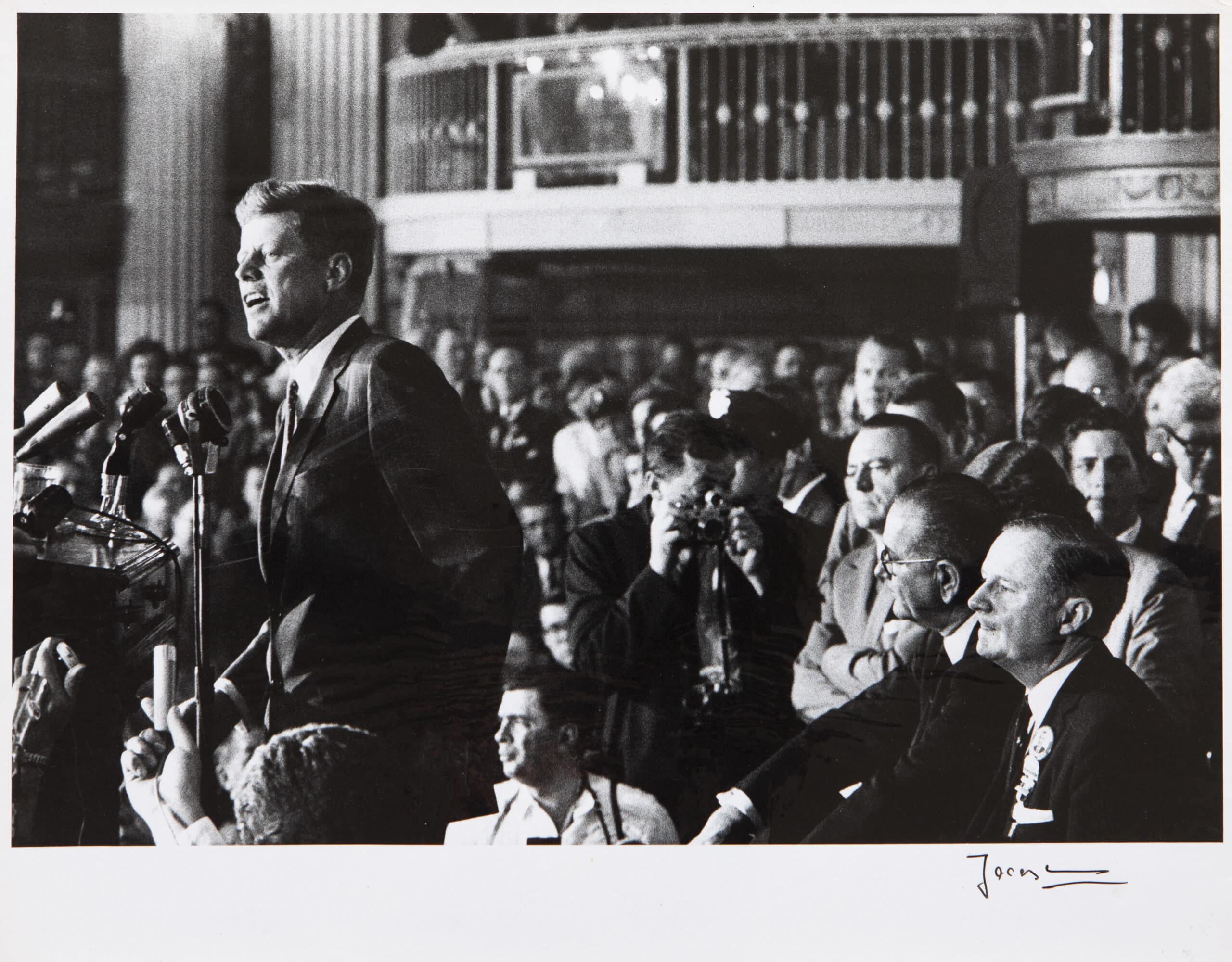
Jacques Lowe would become the privileged witness to John’s growing aura. He captured the fervor of the ever-larger crowds, the charisma, the magnetism of Jack transforming into an increasingly commanding JFK, and kept pace with his relentless, insomniac rhythm. Until January 20, 1961, the day of the inauguration.
In the wake of that historic day, he would turn down the official position of White House photographer — yet remained in the shadow of the President. “He turned down the job because he valued his independence. That cost him in terms of prestige, but he never seemed to regret it,” Burrow notes.
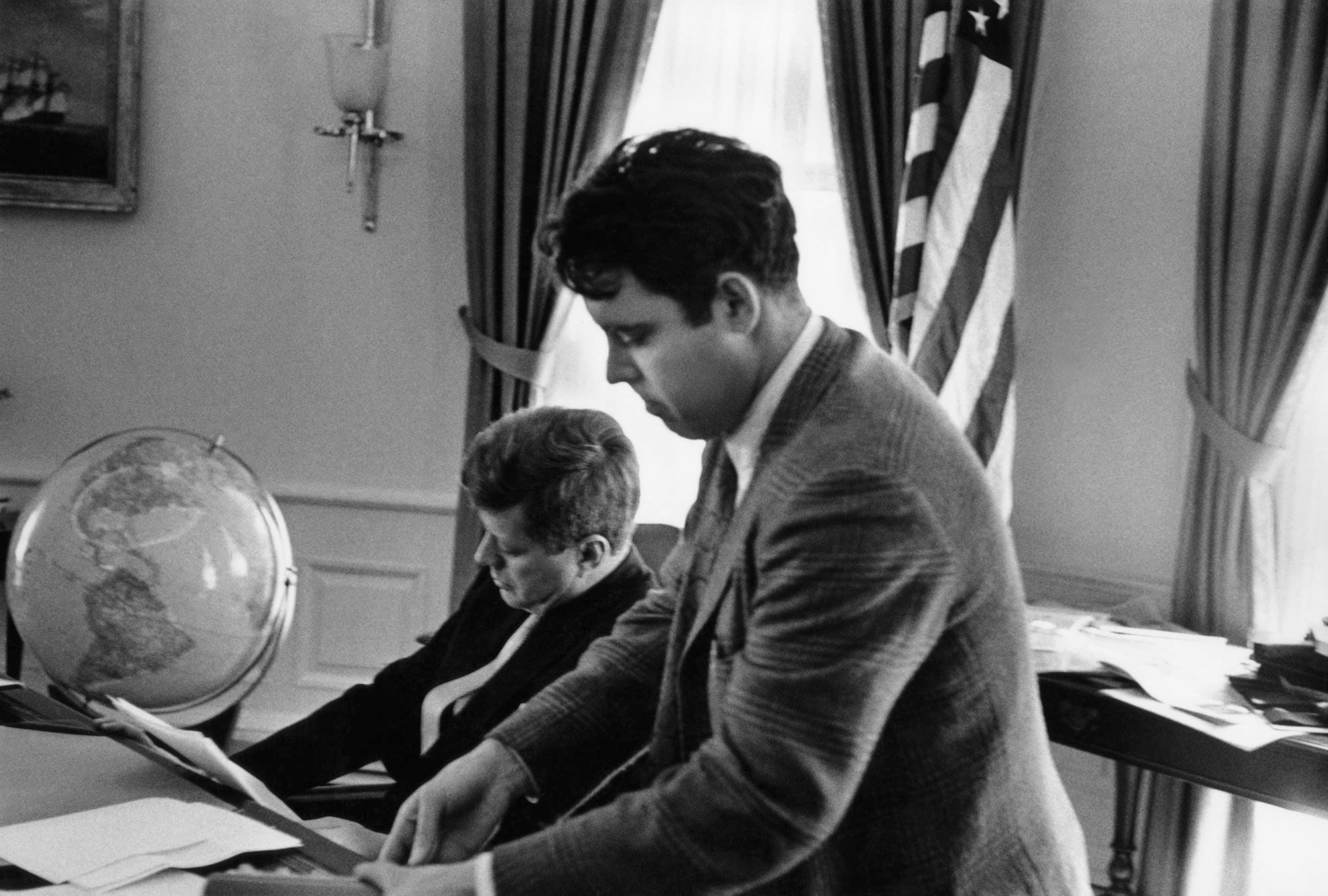
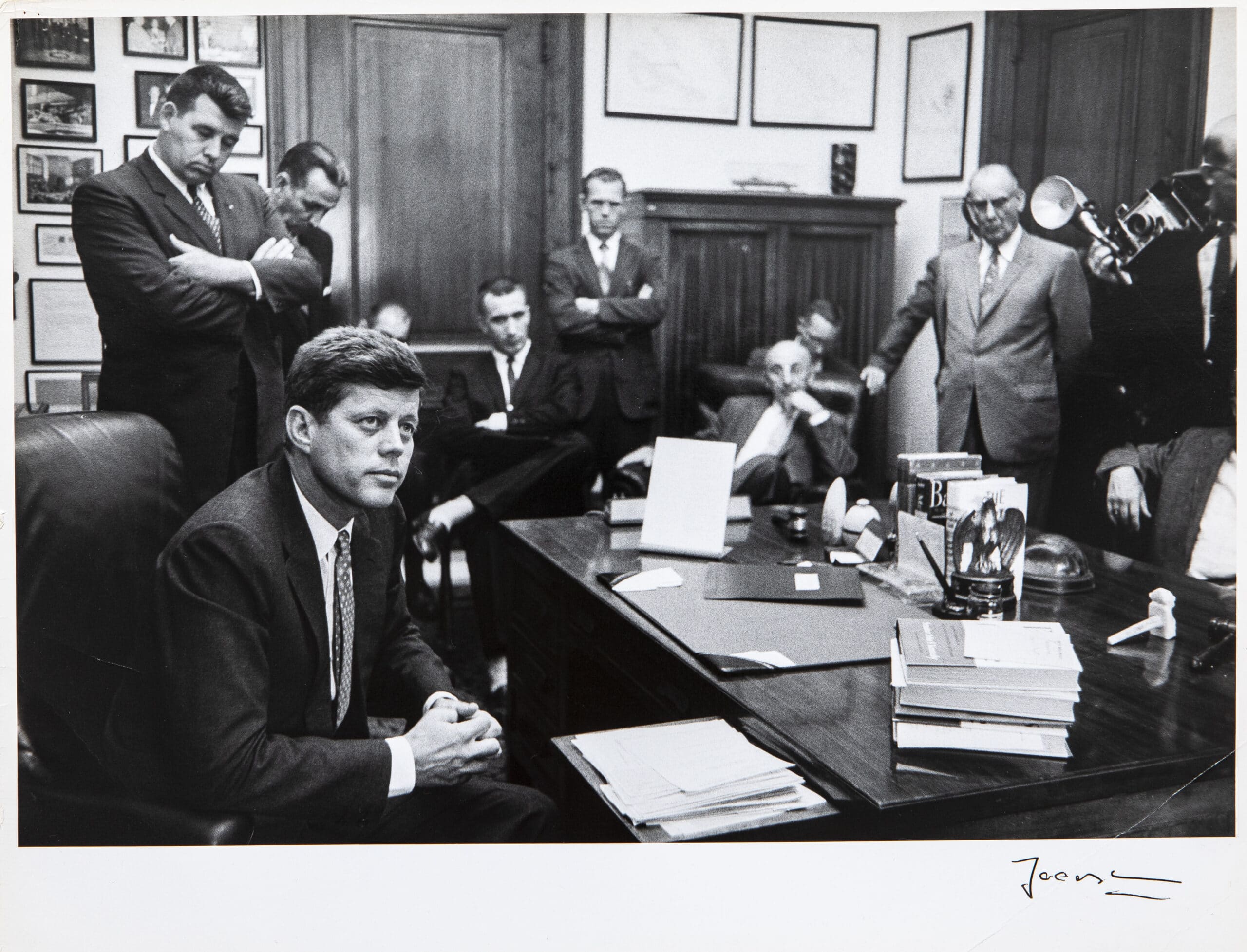
He would be the first to photograph him in the Oval Office. Never once did Kennedy ask him to leave the room — not during meetings with the Joint Chiefs of Staff, not when his children came to join him. In one signed print, Lowe and JFK lean over documents together in the Oval Office, the globe within arm’s reach, the American flag receding into shadow.
Even unofficially, the photographer still followed JFK everywhere. Everywhere except Berlin, where Kennedy would deliver his famous “Ich bin ein Berliner” speech. In June 1963, Lowe could not bring himself to return to Germany. The childhood trauma still burned. It would be the only cardinal moment of JFK’s presidency that he did not photograph—never imagining that it was already drawing to a close.
On November 22, 1963, Lowe was walking down Sixth Avenue after a photo shoot in Central Park. “I knew there was something strange happening, but I couldn’t quite put my finger on it. And I suddenly realized there was no traffic, there were no cars. […] I walked up to one of them and I said, ‘What’s going on?’ And the guy said, ‘The President got shot.’ I said, ‘What president?’ He said, ‘President Kennedy.’” That day cast both his career and the hopes of an entire nation into mourning.
After the successive assassinations of John and Bobby Kennedy, then Martin Luther King, the photographer, devastated, exiled himself to Europe. He put down his camera and did not touch it again for eighteen years. Upon his return to the United States, he stored his 40,000 negatives in a vault at the JP Morgan Chase bank in the basement of 5 World Trade Center.
When his friend and collector Frank Harvey urged him to move them after the 1993 bombing, Lowe laughed: “Do you really think they’re going to bring down the World Trade Center?” On September 11, 2001, four months after his death, everything was lost. His daughter Thomasina gained access to the site: the vault was intact, the door open, the interior empty.
On the kitchen table of the family loft in Tribeca, she held up a plastic bag containing a few ashes. “That’s all that’s left of the 40,000 negatives.” Yet the work survived, by a miracle of friendship. Frank Harvey, who had patiently gathered nearly 400 signed prints, had saved a small portion. This private collection, which includes hundreds of previously unseen photographs revealed in the film, is to this day the largest surviving body of Lowe’s work.
The final image of Capturing Kennedy shows a print inscribed by Kennedy himself, in white ink: “For Jacques—who was there at the beginning and the end.” Lowe could not have known how prescient those words would prove. The survivor from Cologne, who arrived in America with a camera as his only horizon, built the myth of Camelot—and gave Americans the most enduring portraits of their youngest, most popular and dazzling president.
Capturing Kennedy (2025), a film by Steele Burrow, is available on VOD.