
On February 7th, the Bronx Documentary Center welcomed the 2025 World Press Photo exhibition, marking its return to New York City after more than a decade.
On view through March 15th, the exhibition brings together 42 winning projects from the 2025 World Press Photo Contest, with work spanning from Africa, Asia-Pacific & Oceania, Europe, North & Central America, South America and West, Central & South Asia.
Taken by 30 photographers working close to their home, these projects document the urgency of the present moment. Across the gallery walls, stories of migration, climate change, war, protest, animals, sport, and family unfold. Each series reminds viewers that global events are felt all over the world and go beyond headlines. As Communications Director of World Press Photo, Emmy Dexel, explained, the selected images stood out for their “visual excellence and investigative depth.”
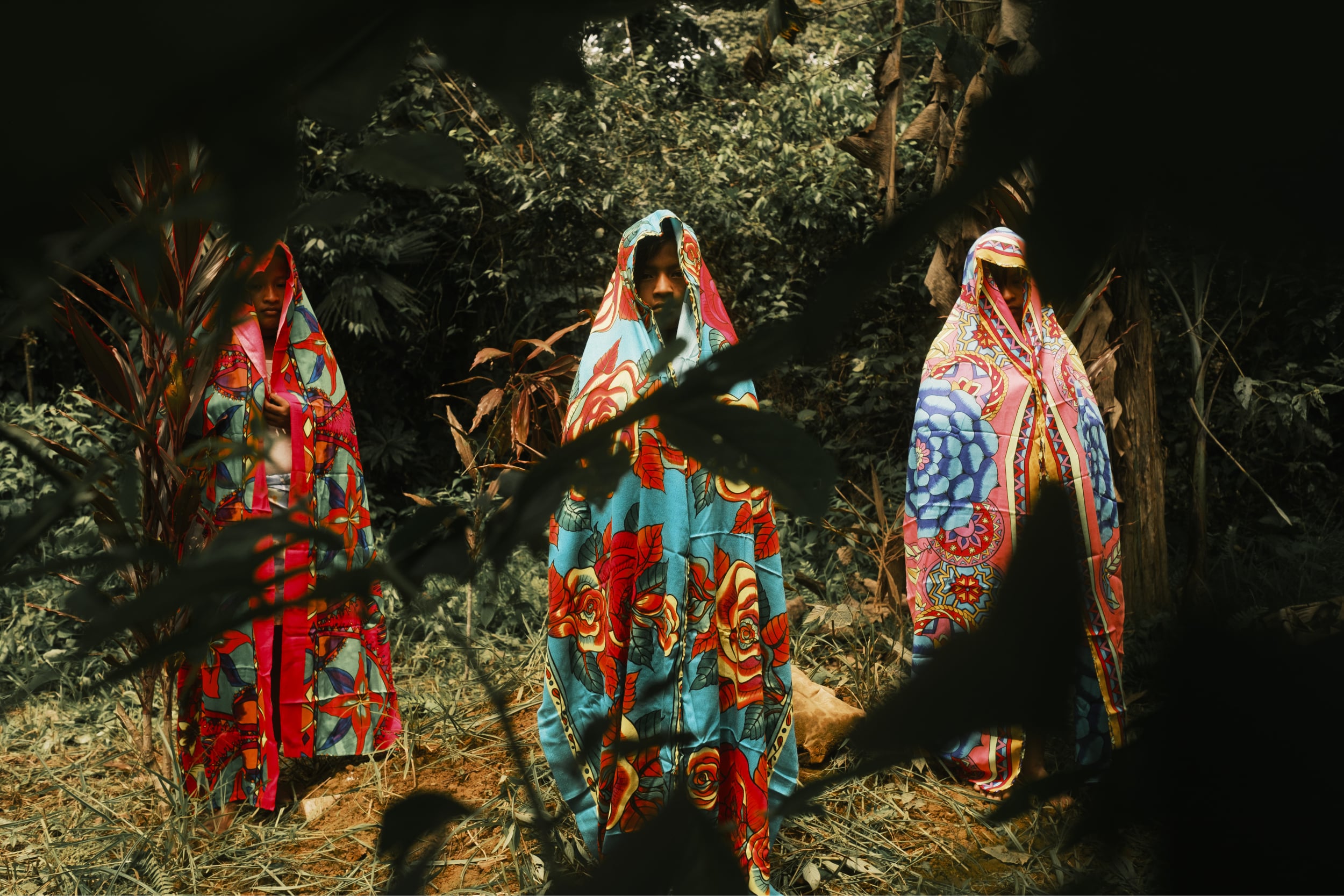
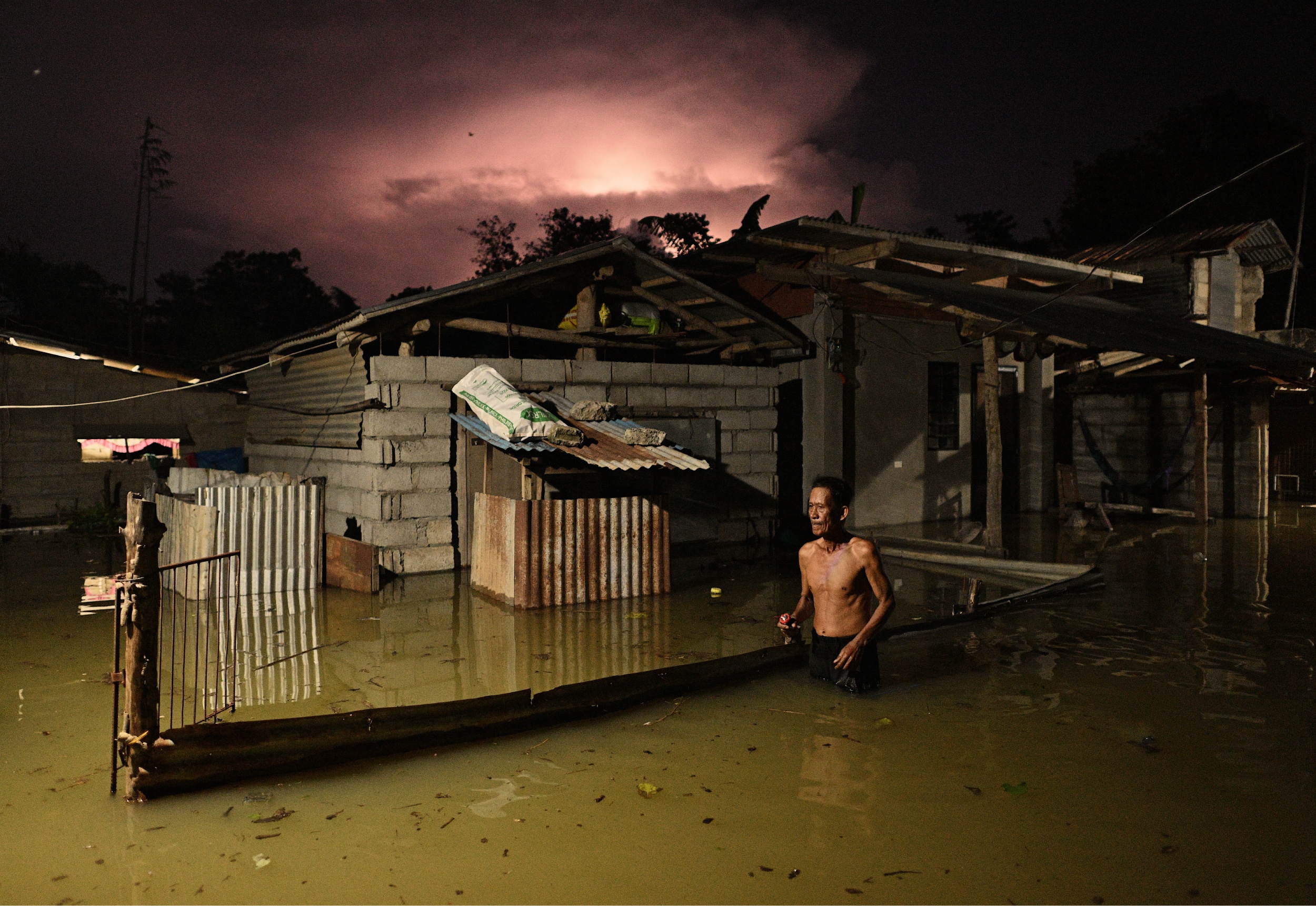
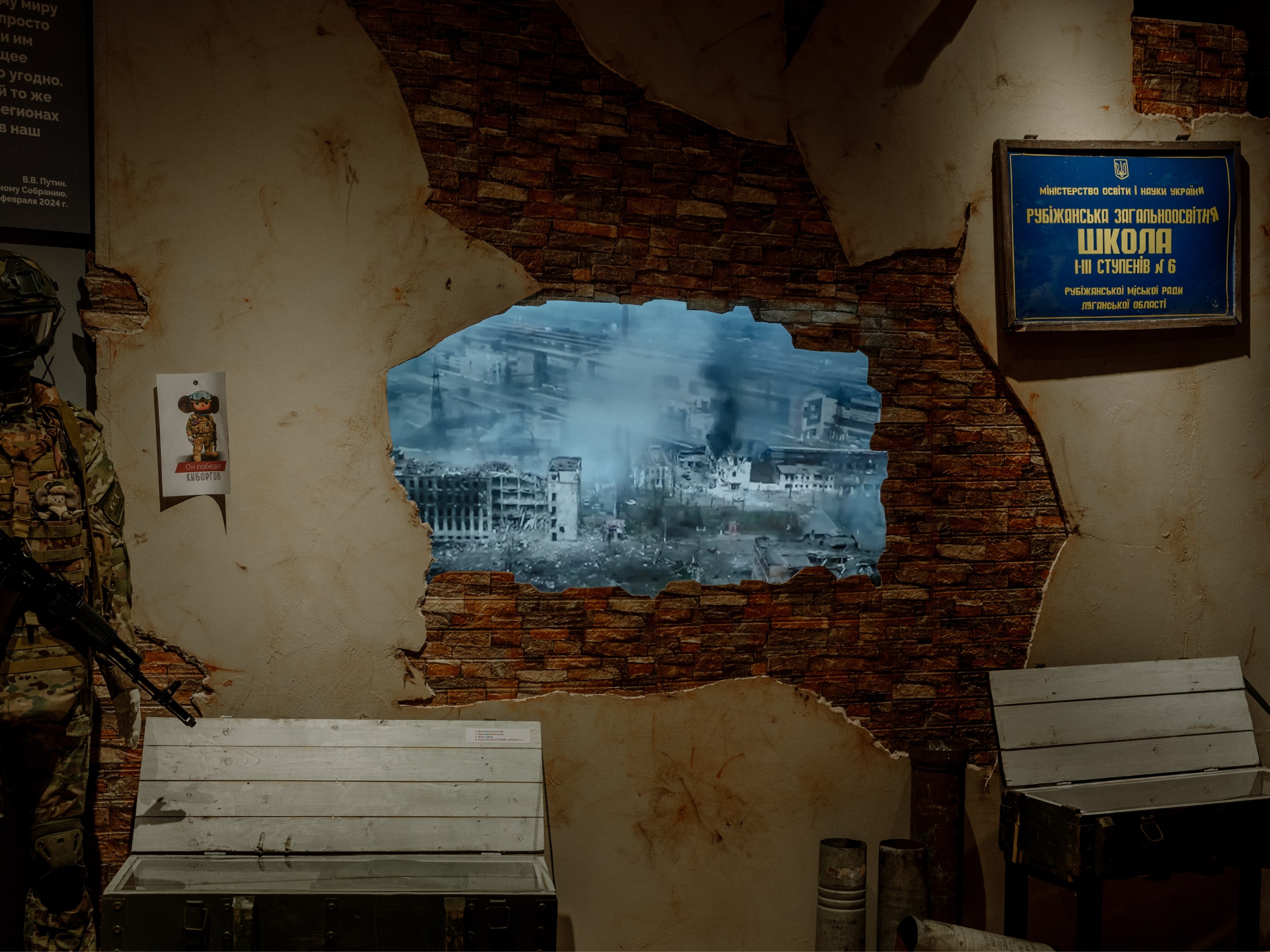
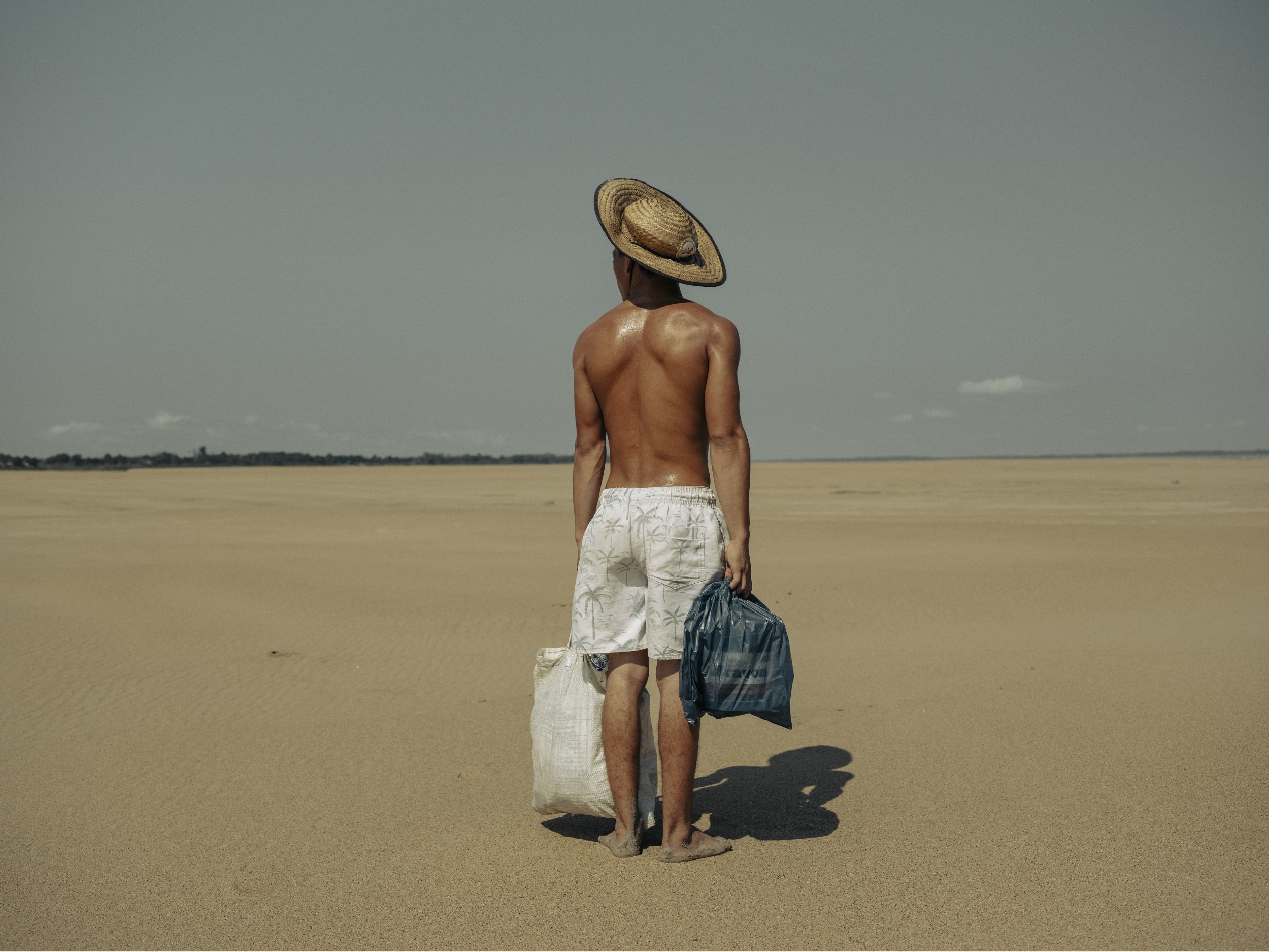
The opening night was full, with people from all over the city gathering to witness these stories together. Present that evening was Dexel, who introduced the works of the many photographers who were unable to attend. She described the contest as one of the most prestigious awards in photojournalism, noting that “when you win an award, it’s like taking home an Oscar.”
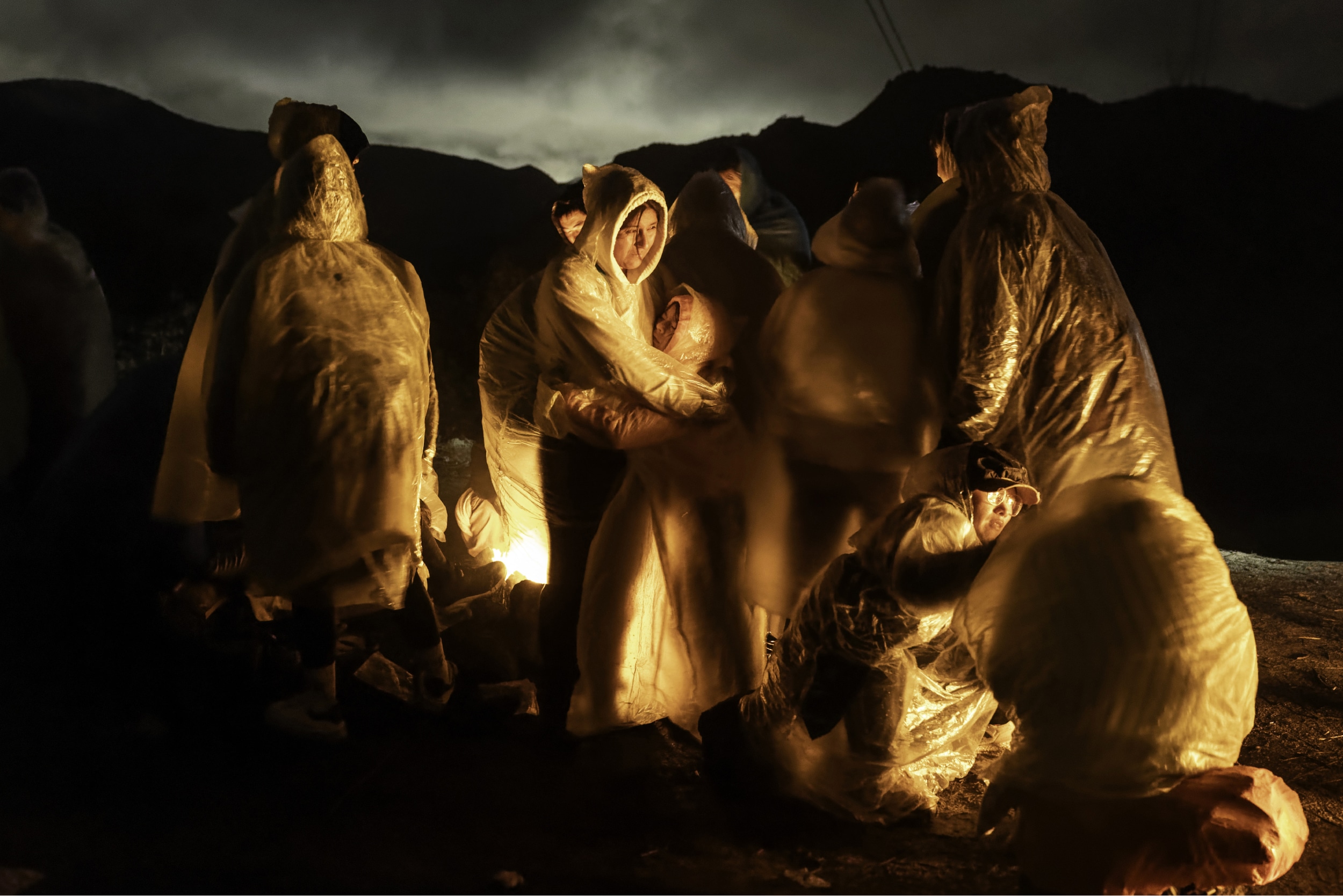
Among the recognized works was “Night Crossing” by John Moore, documenting the lives of people crossing the Mexico-U.S. border. Moore, a staff photographer and special correspondent for Getty Images, has covered immigration for more than 15 years.
On a cold, rainy night in Southern California, he photographed Chinese immigrants huddled around a small fire after midnight. “They were very relieved to have crossed the border,” he recalled.
For Moore, the message is clear, “The goal is always to humanize the story and the people that I am photographing. I want the viewers to see everyone as human beings who deserve dignity and respect.”
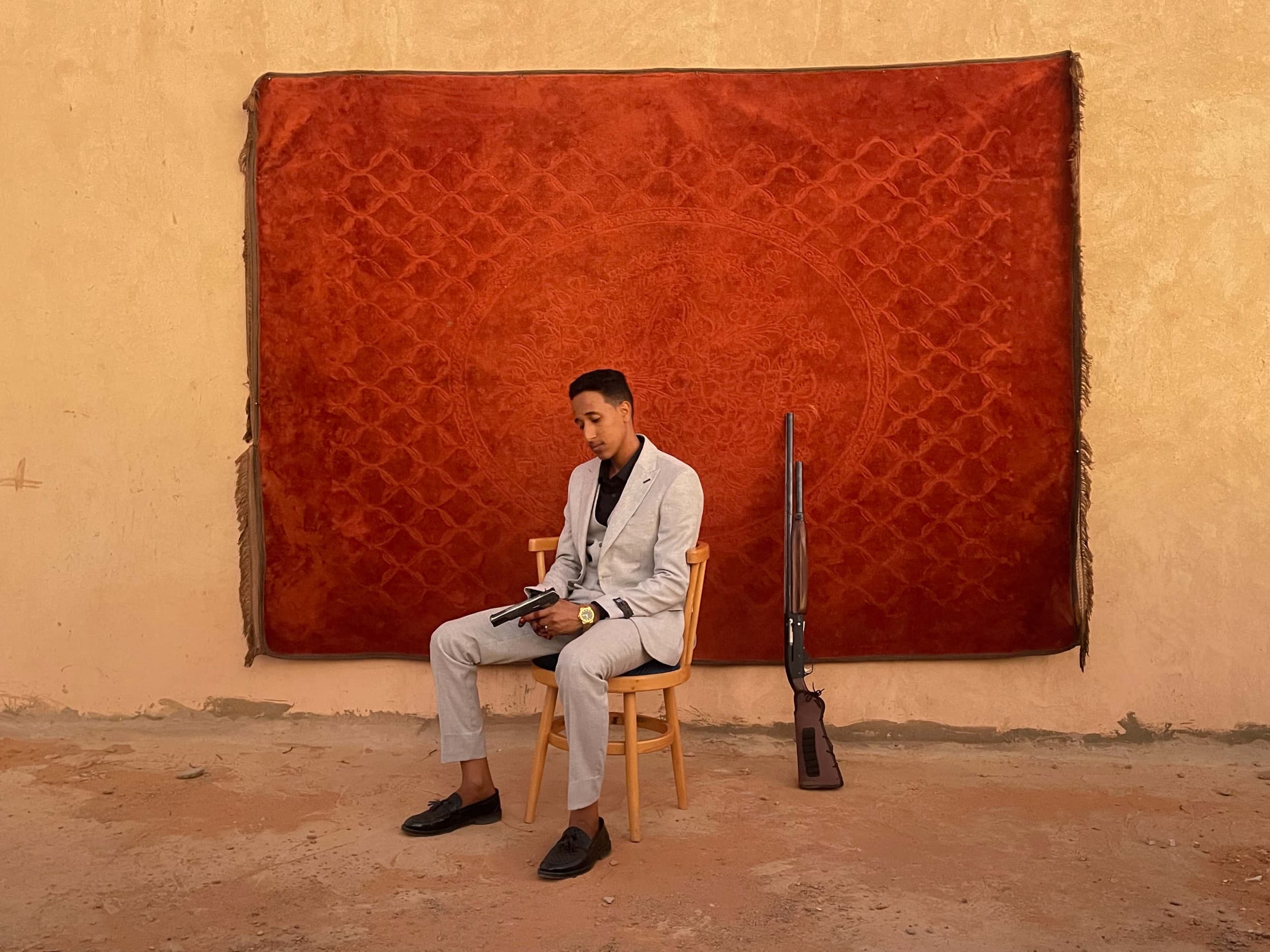
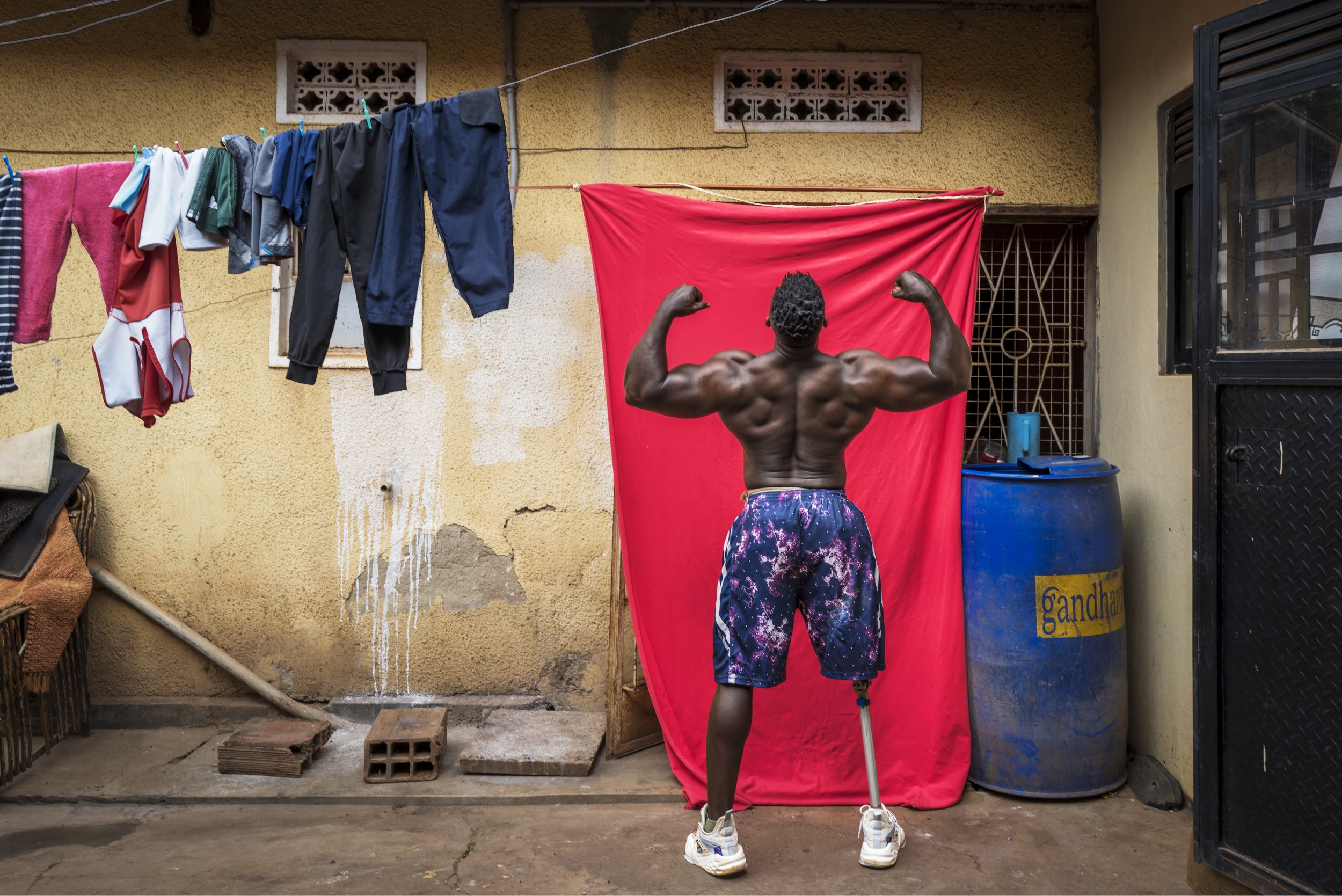
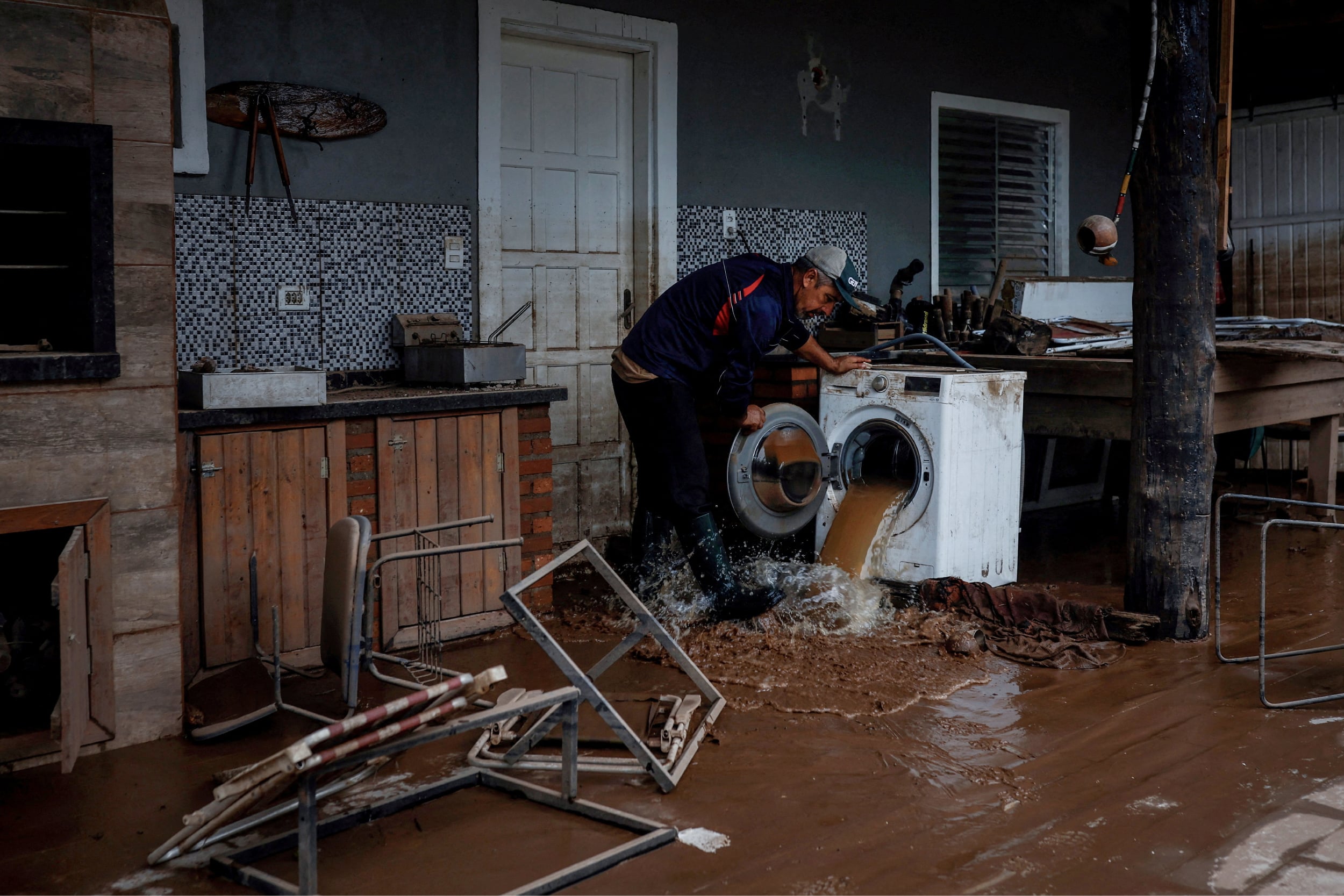
© Amanda M. Perobelli, Reuters
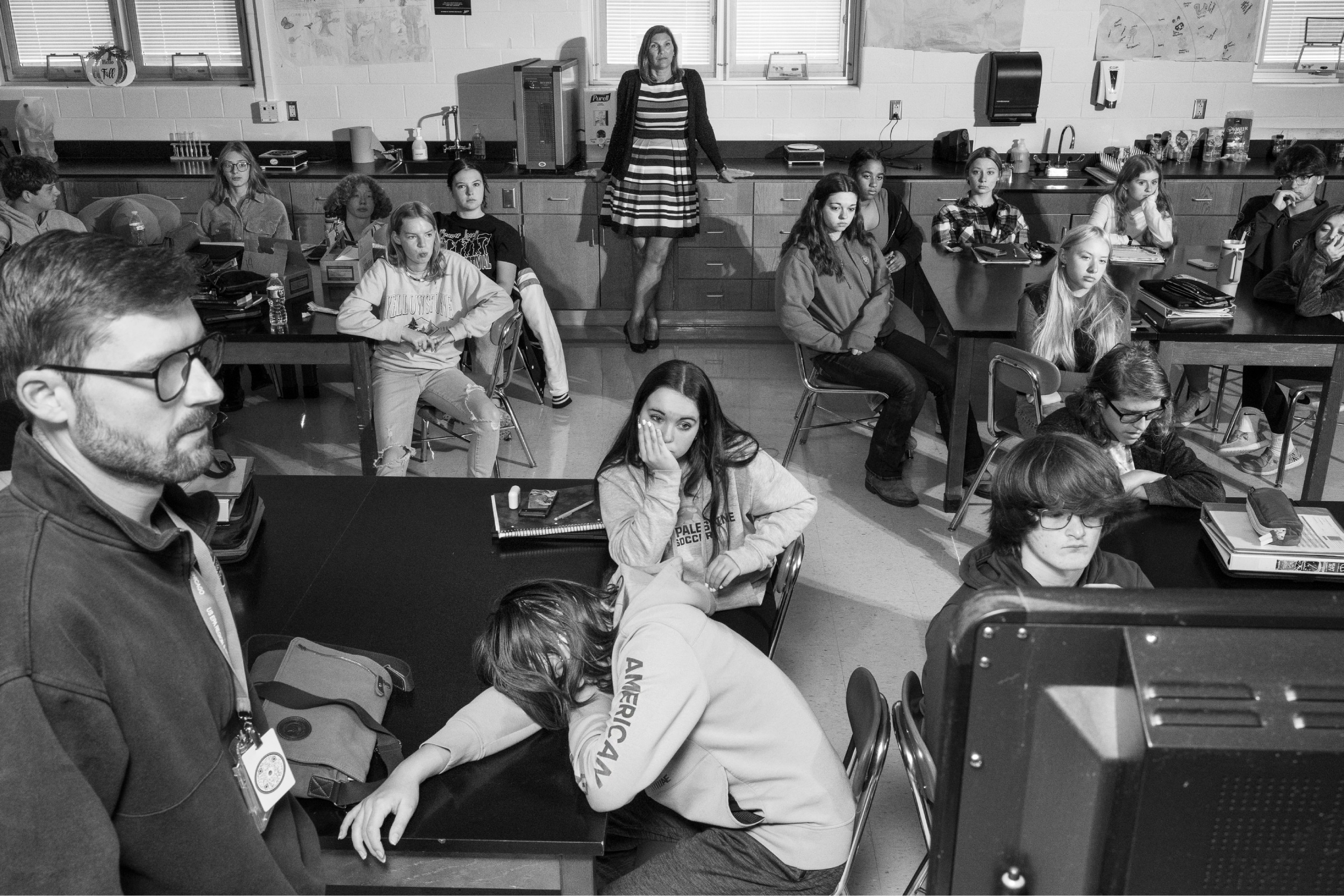
Another powerful series, “A Place to Die,” by Oliver Farshi sheds light on something rarely seen, the intimate final moments inside a home where terminally ill people spend the last hours of their lives. Farshi, a British photographer based in New York, said he makes work about “people in moments of intense transition and resilience.”
“I was terrified of death and dying,” he explained. “When I realize I’m scared of something, I tend to want to get really, really, really close to it.” That fear led him to document this project. “I think we could do with becoming a little more intimate with death,” he said. “A good death is not a privilege. It’s something that all of us deserve.”
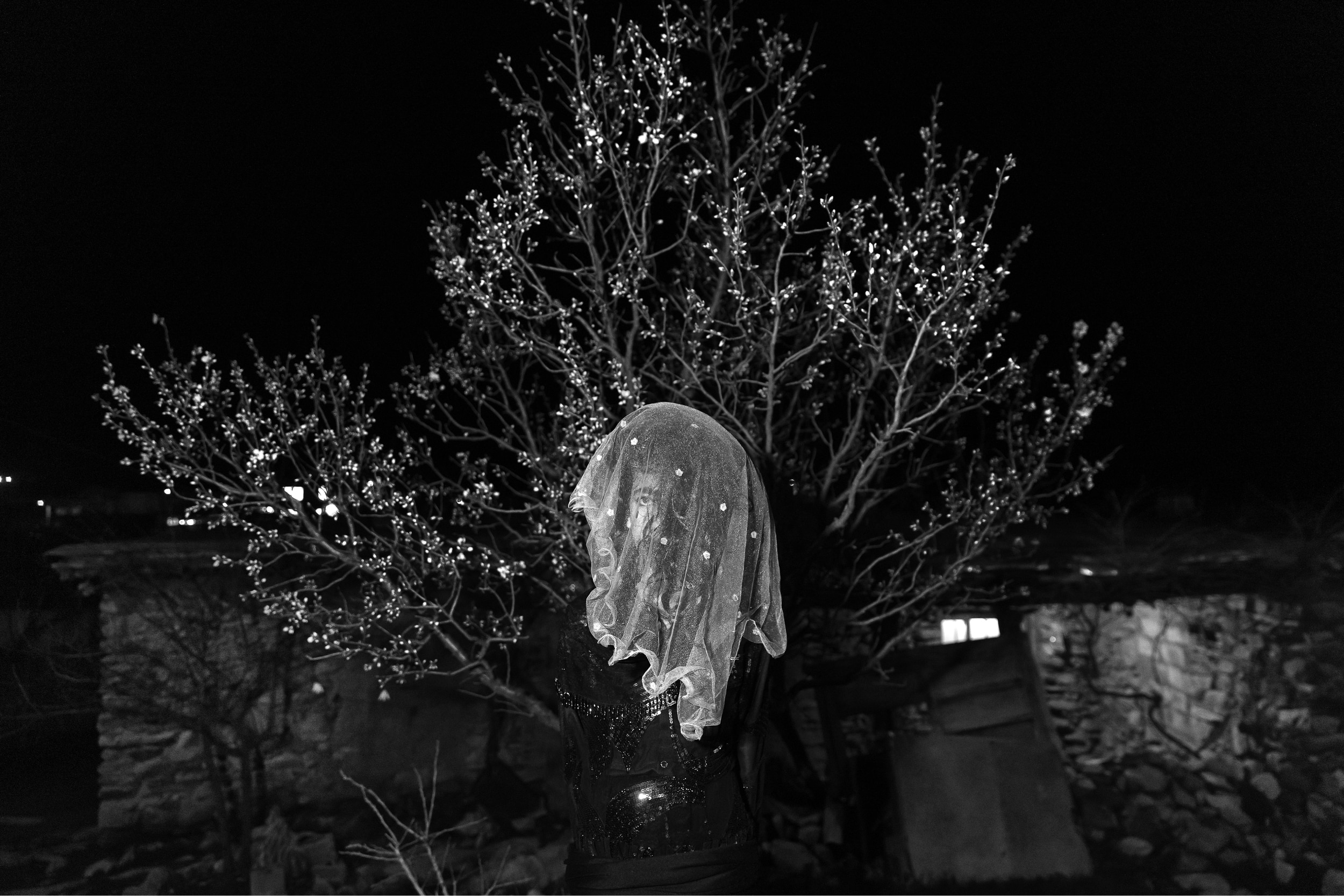
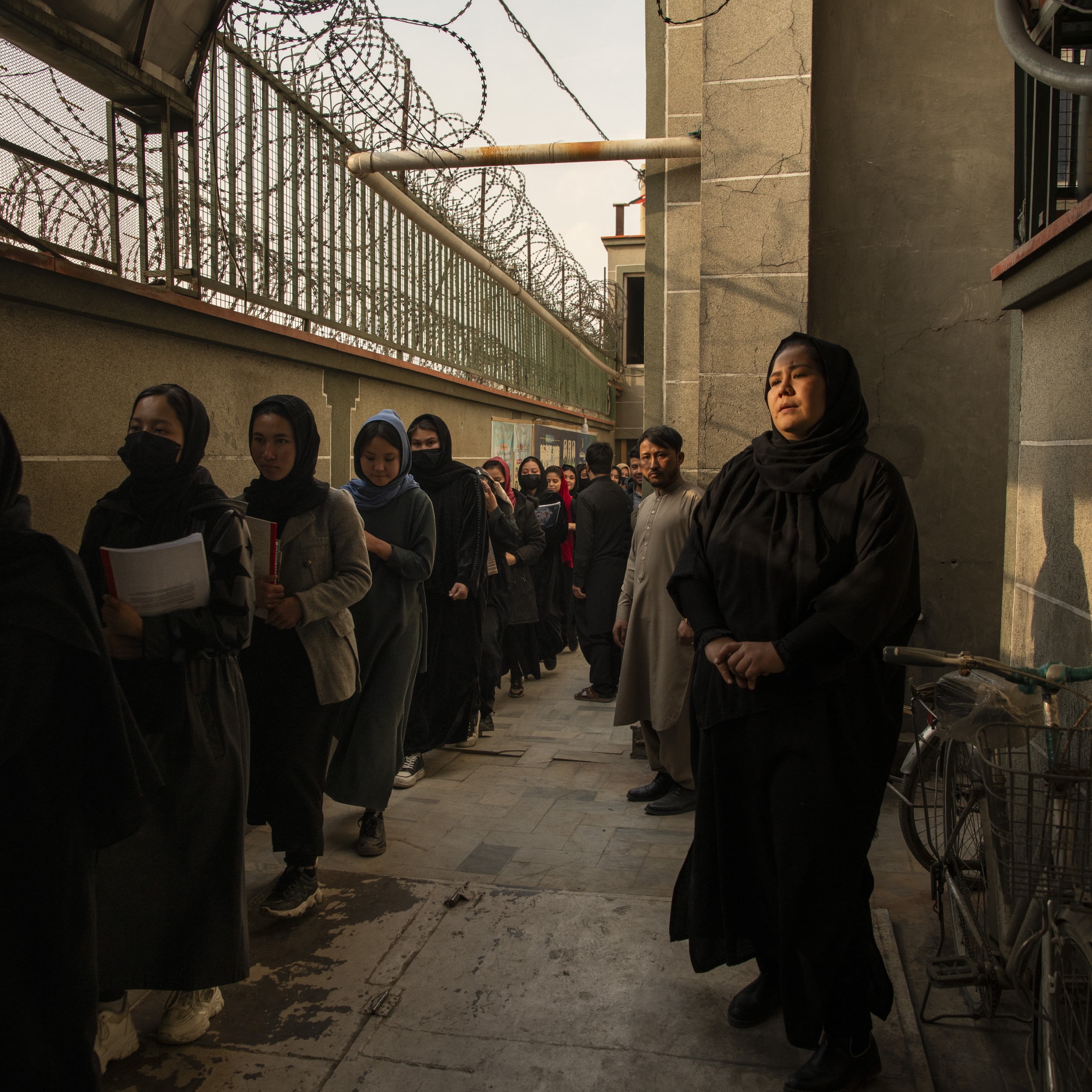
Also on view is “No Woman’s Land” by Kiana Hayeri, a series documenting the lives of Afghan women. Her photographs move past the images of restriction often seen in the news and instead enter private spaces, where daily life continues behind closed doors.
Hayeri worked alongside her collaborator Melissa Cornett, a French human rights researcher specializing in women’s rights, spending 10 weeks across seven provinces to capture women “not as victims, but as survivors who are fighting, however they can.”
In the quiet of homes and backyards, her images reveal strength, friendship, and uncertainty. “I hope my photos bring people closer to women in Afghanistan,” said Hayeri, “and show there is so much more happening than what the world sees.”
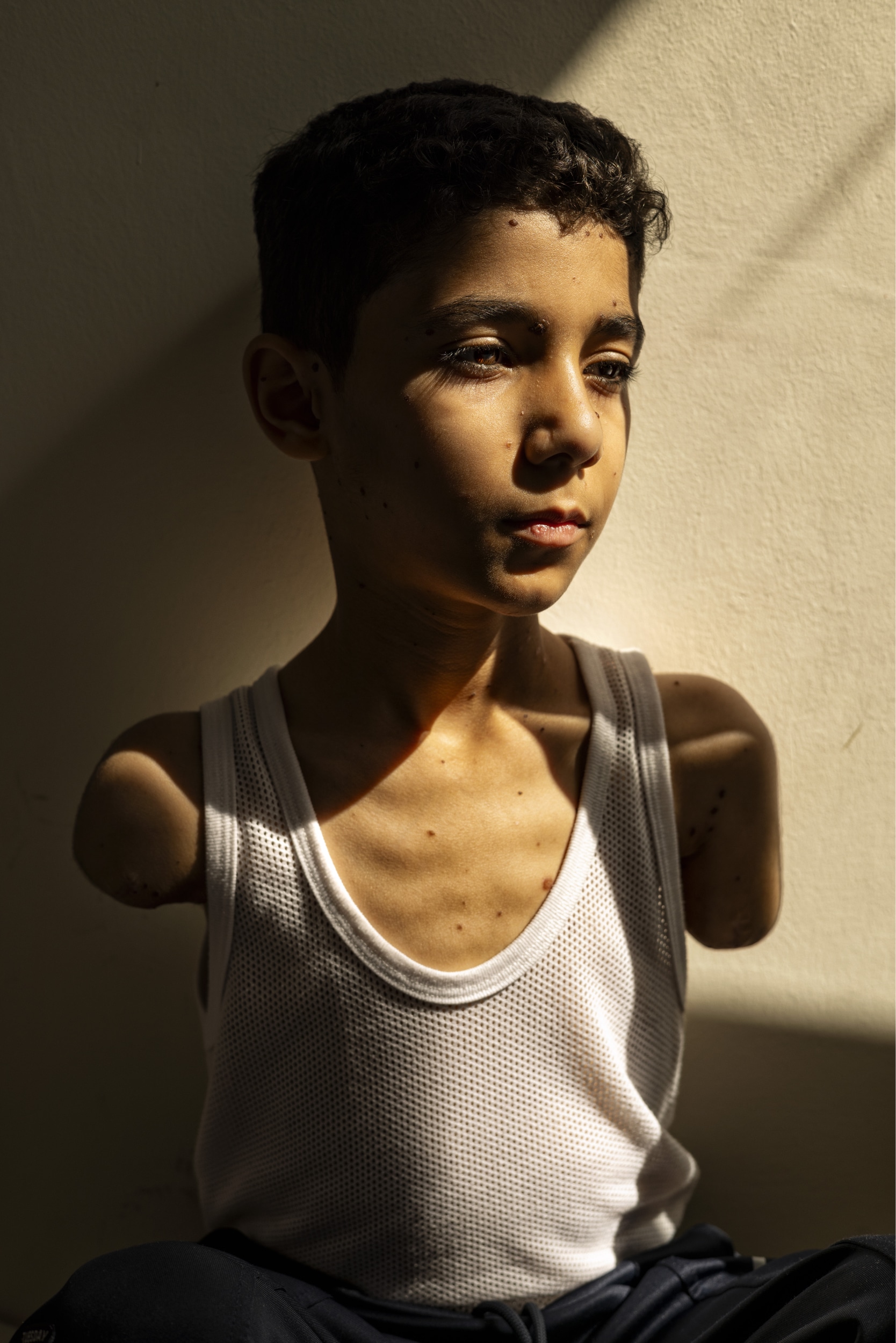
These are just a few of the winning photographers telling urgent and deeply human stories. As Dexel stated, “The idea is to give people space to have conversations, to reflect, to connect, and hopefully to inspire change.” Reminding viewers the power images hold and that photojournalism can reveal what the world often overlooks.
“World Press Photo Exhibition 2025” is on view until March 15, 2026 at Bronx Documentary Photo in New York.
Kiana Hayeri’s book No Woman’s Land is available to read at the Bronx Documentary Center library and can also be purchased through the project’s official website.