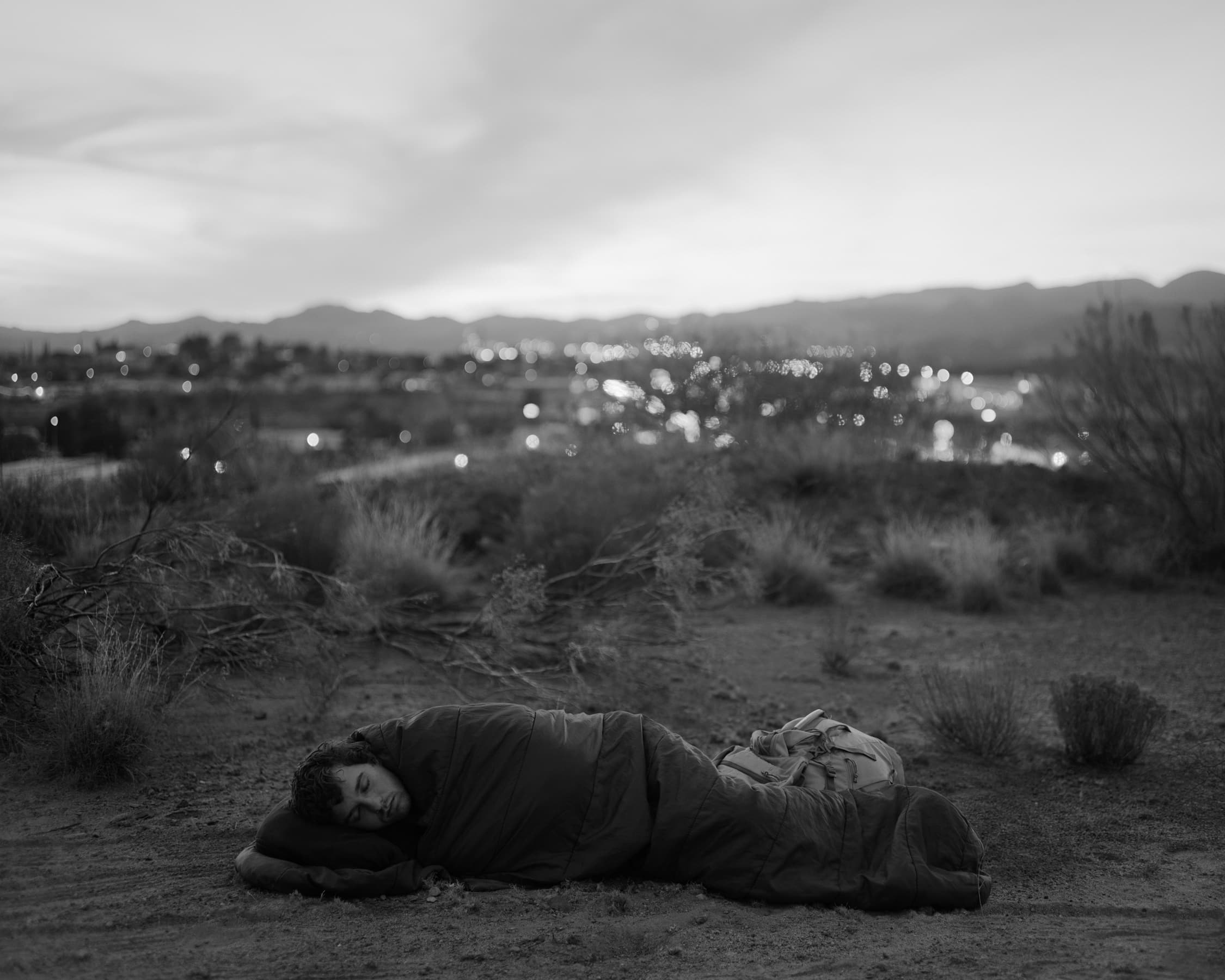
With Sons of the Living, Bryan Schutmaat resurrects the myth of the Frontier and transfigures the hobos of the American West into the last heroes of a one-way epic.
By Guénola Pellen. Photos by Bryan Schutmaat.
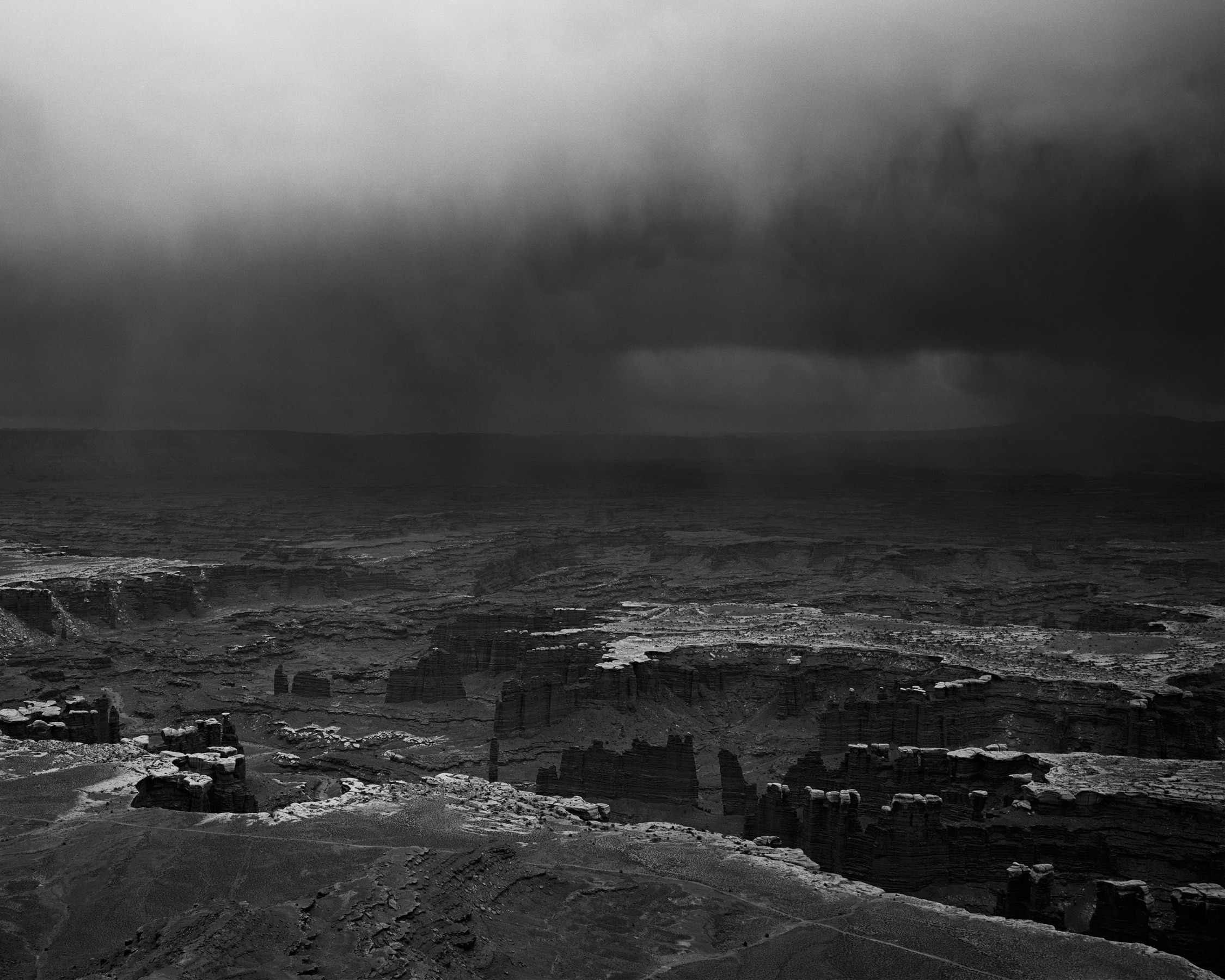
The light of the American West falls on the desert like a thunderbolt. It crushes the mesas and carves faces. Bryan Schutmaat chased that fierce light for “154 days on the road spread out over ten years,” across Texas, New Mexico, and Arizona, setting up his large-format camera on the shoulder of the highway.
He drove out of Austin toward California, weaving onto the two-lane blacktop highways that cut through the desert expanses, far from the interstates, deep into the remotest reaches of the Southwest. When the sprawl of Los Angeles loomed ahead, he’d turn around.
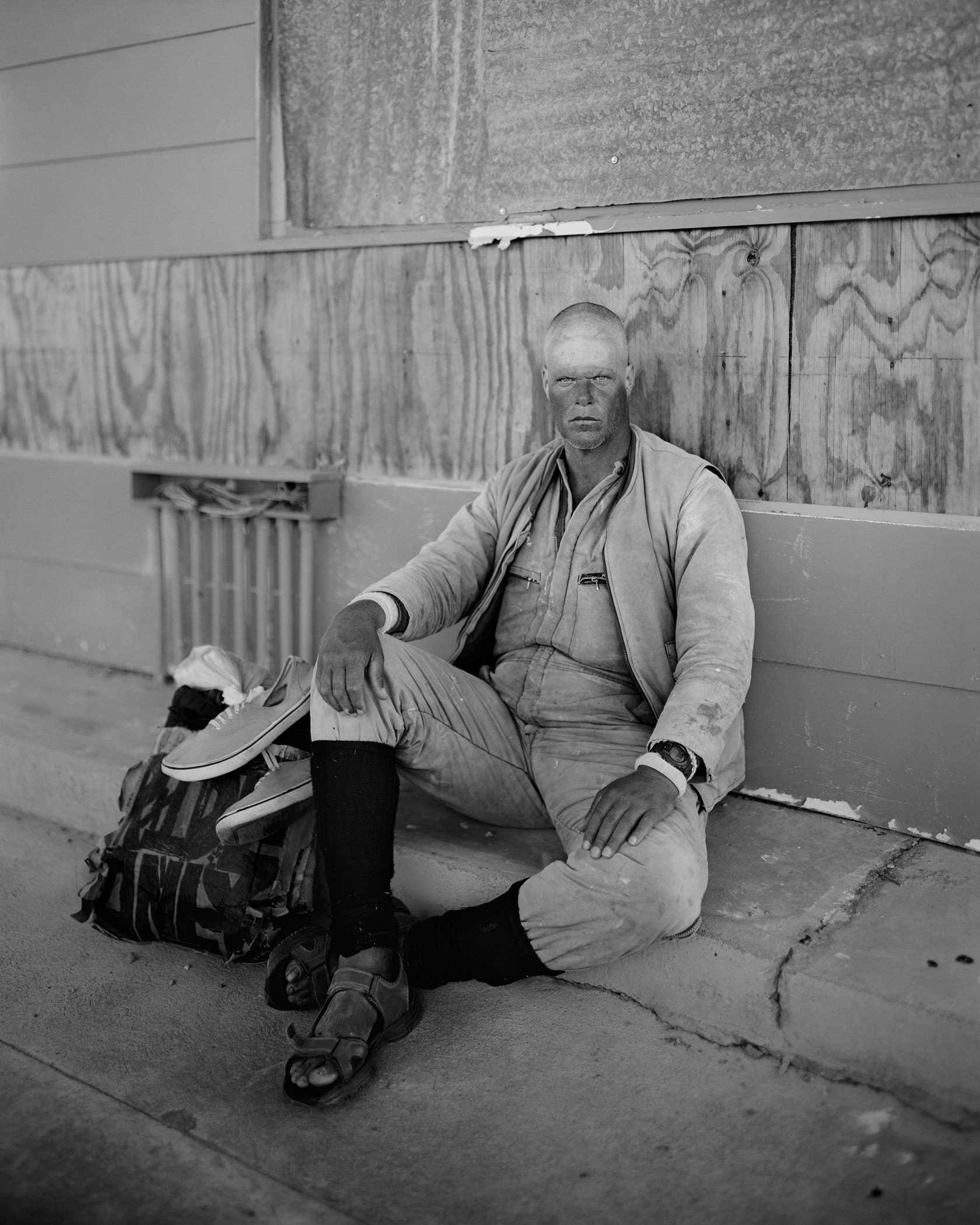
At truck stops and makeshift camps, Bryan Schutmaat photographed the people he encountered and offered to ferry them from one place to the next. Behind the wheel or over a shared meal, he listened to their stories. Tales of prison and rebirth, of drifting and redemption — entire lives told over the span of a conversation, a shared ride, or a cigarette break between two gas stations.
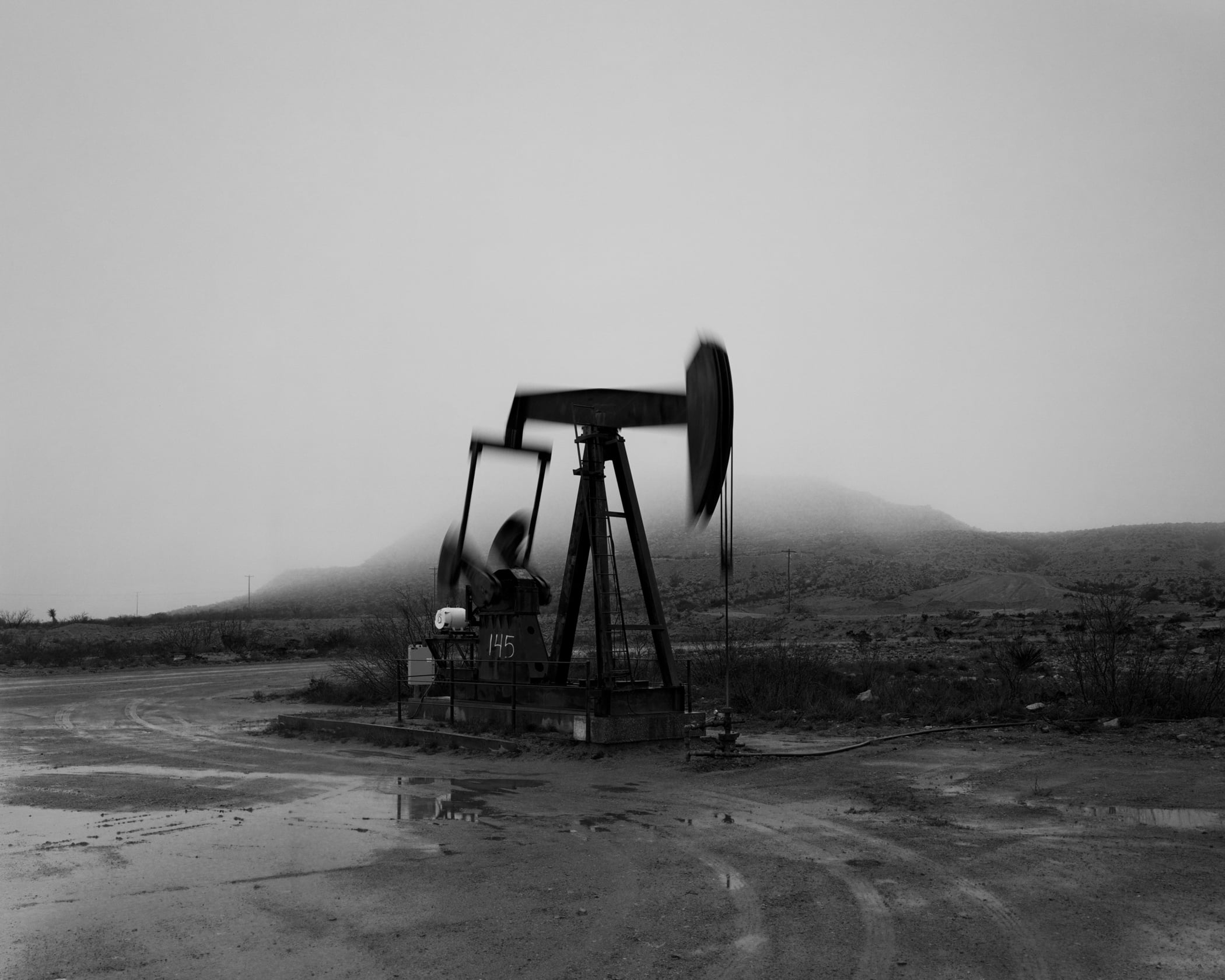
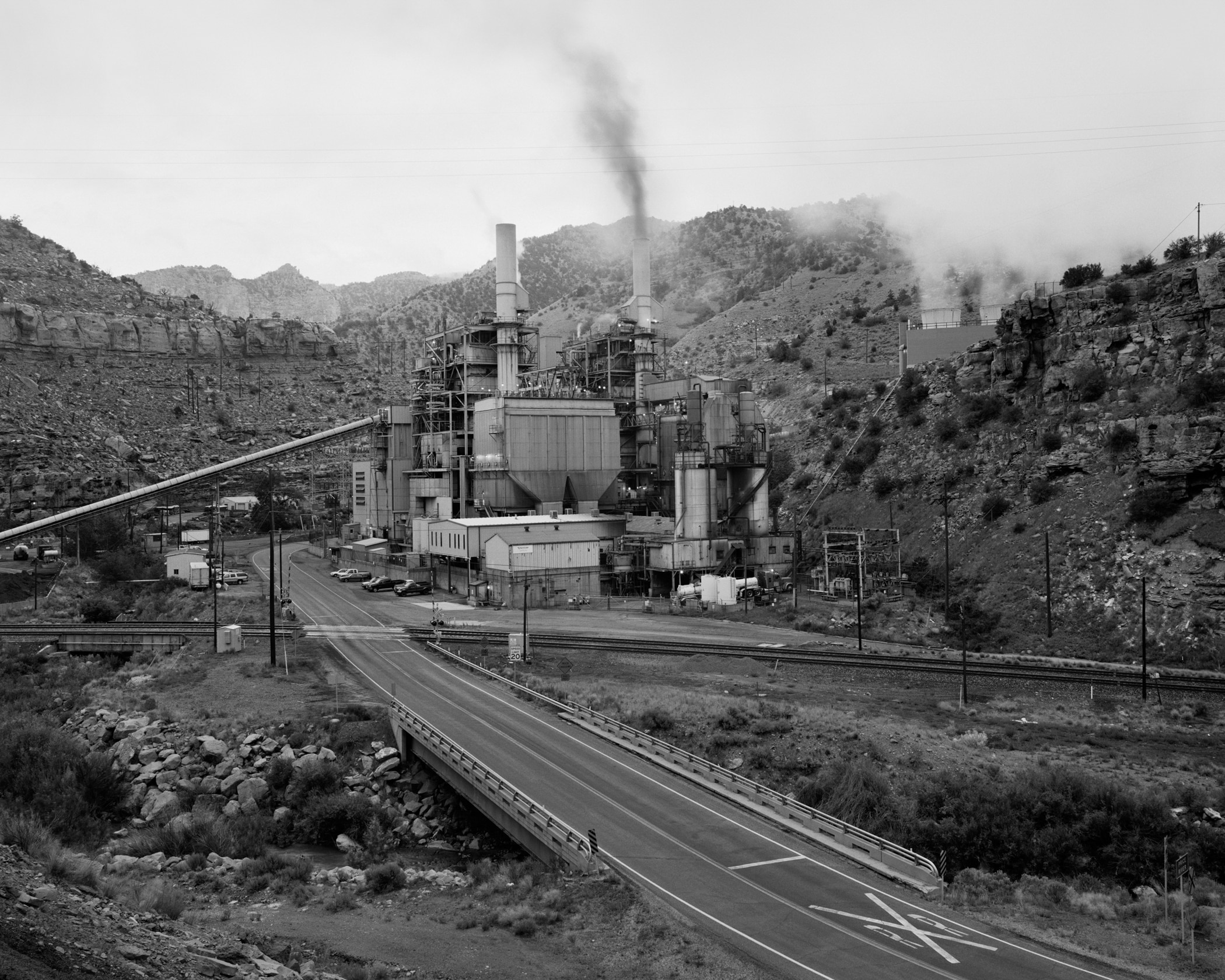
Like a supernatural apparition, a power plant rises from the arid, massive, solitary expanse of the desert. Bryan Schutmaat’s black and white, surgically precise, takes on its full force here. The metal stands in stark contrast to the rugged land around it. As with Walker Evans, there is a fascination for these human landmarks set down in the middle of nowhere, in the heart of the desert.
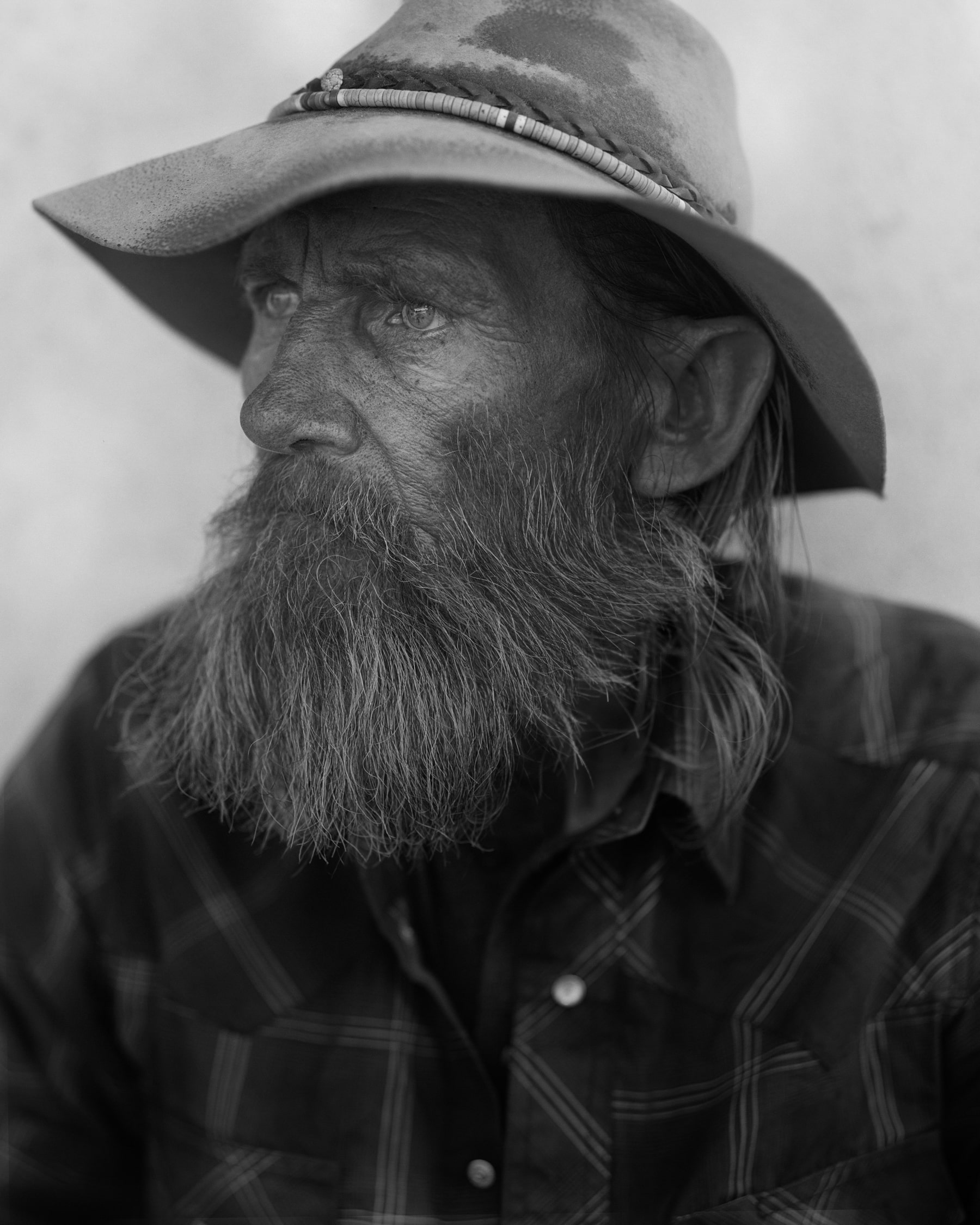
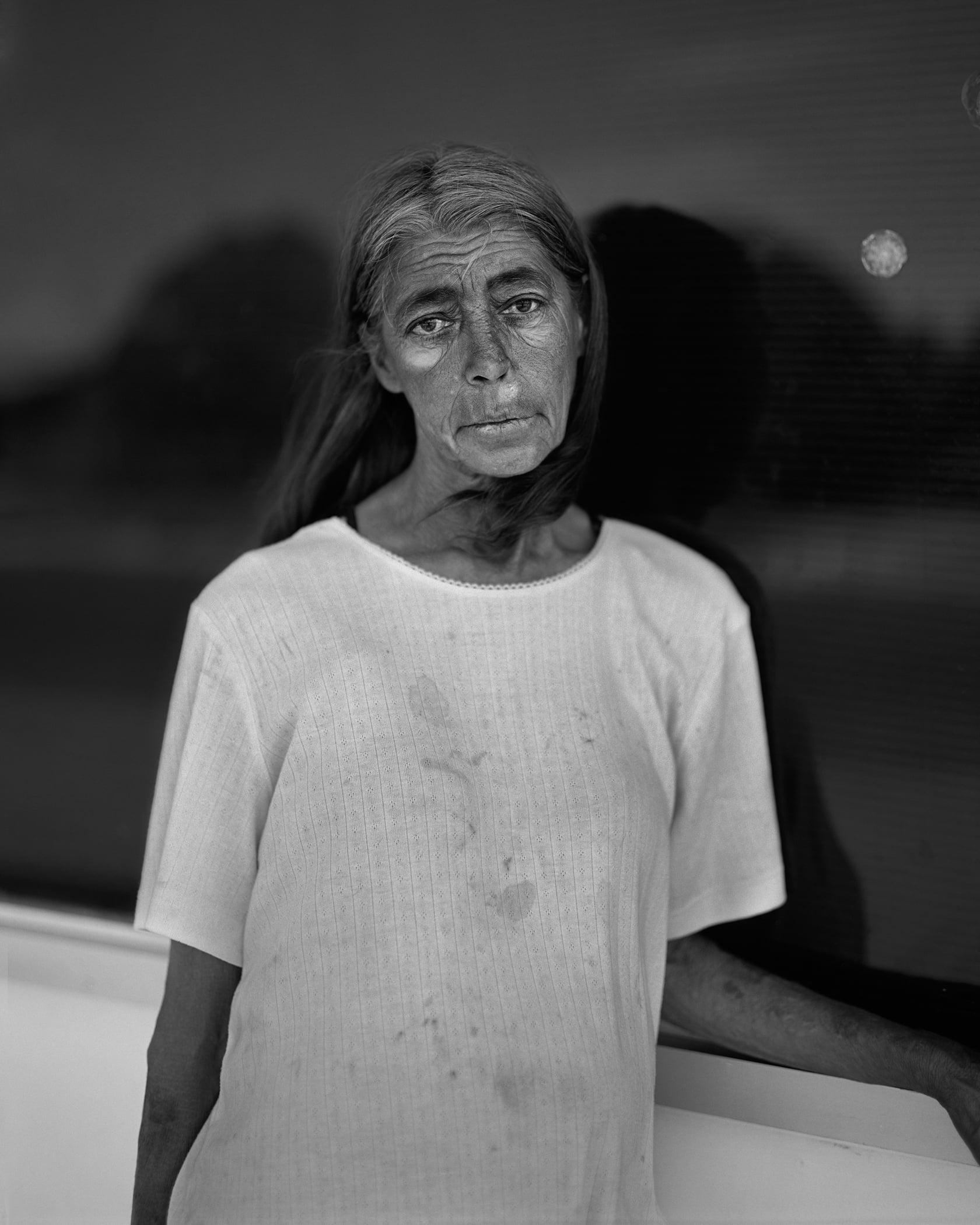
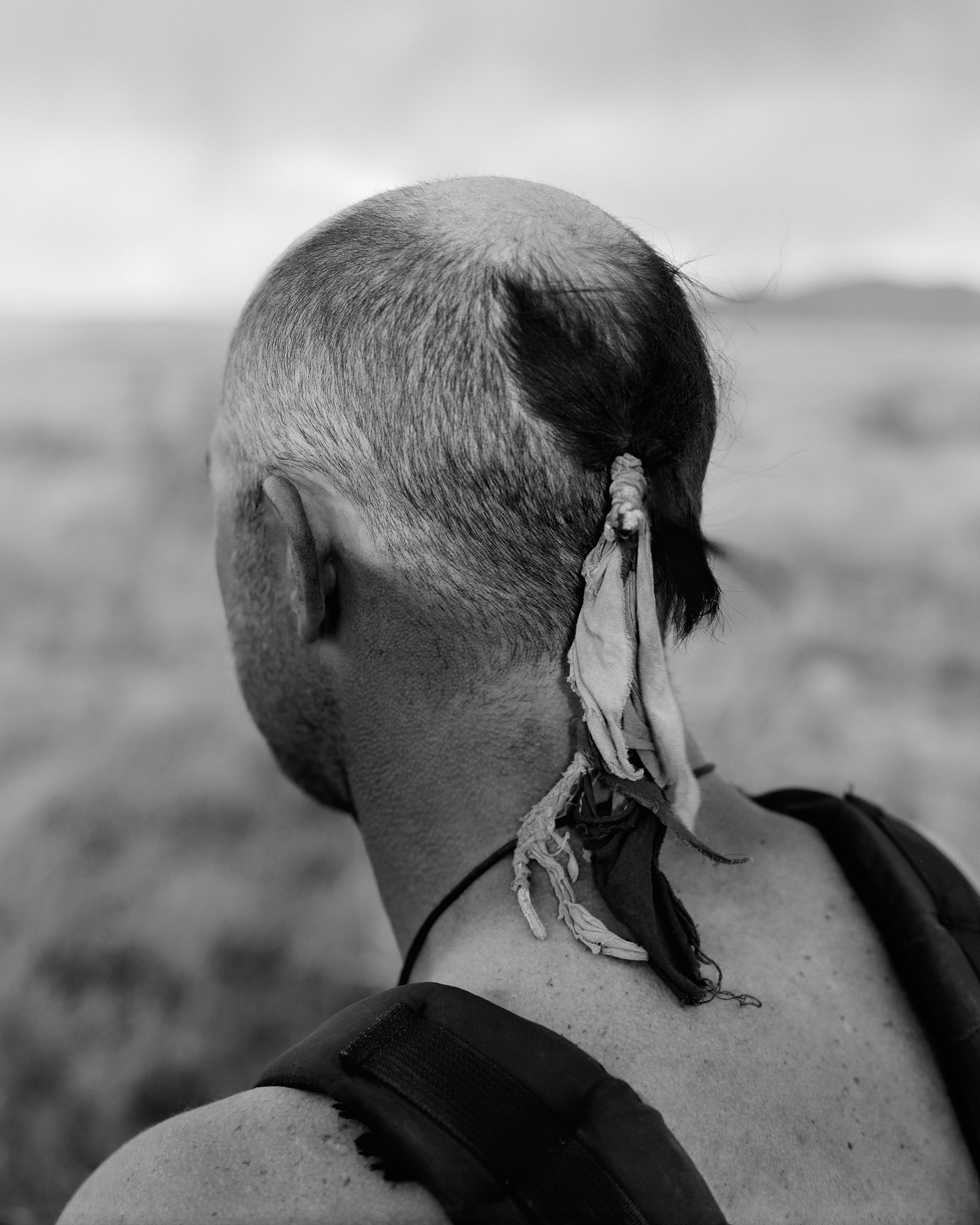
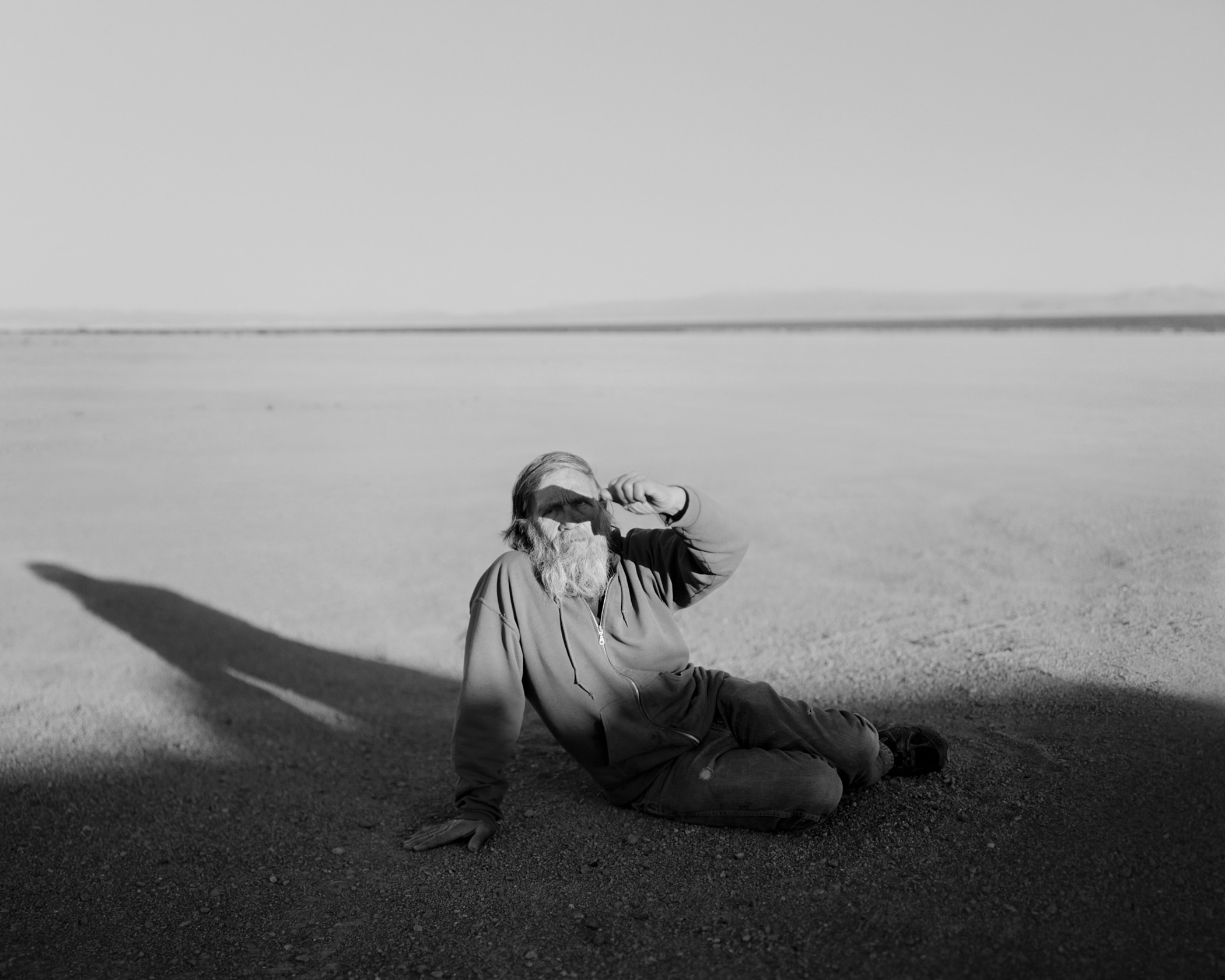
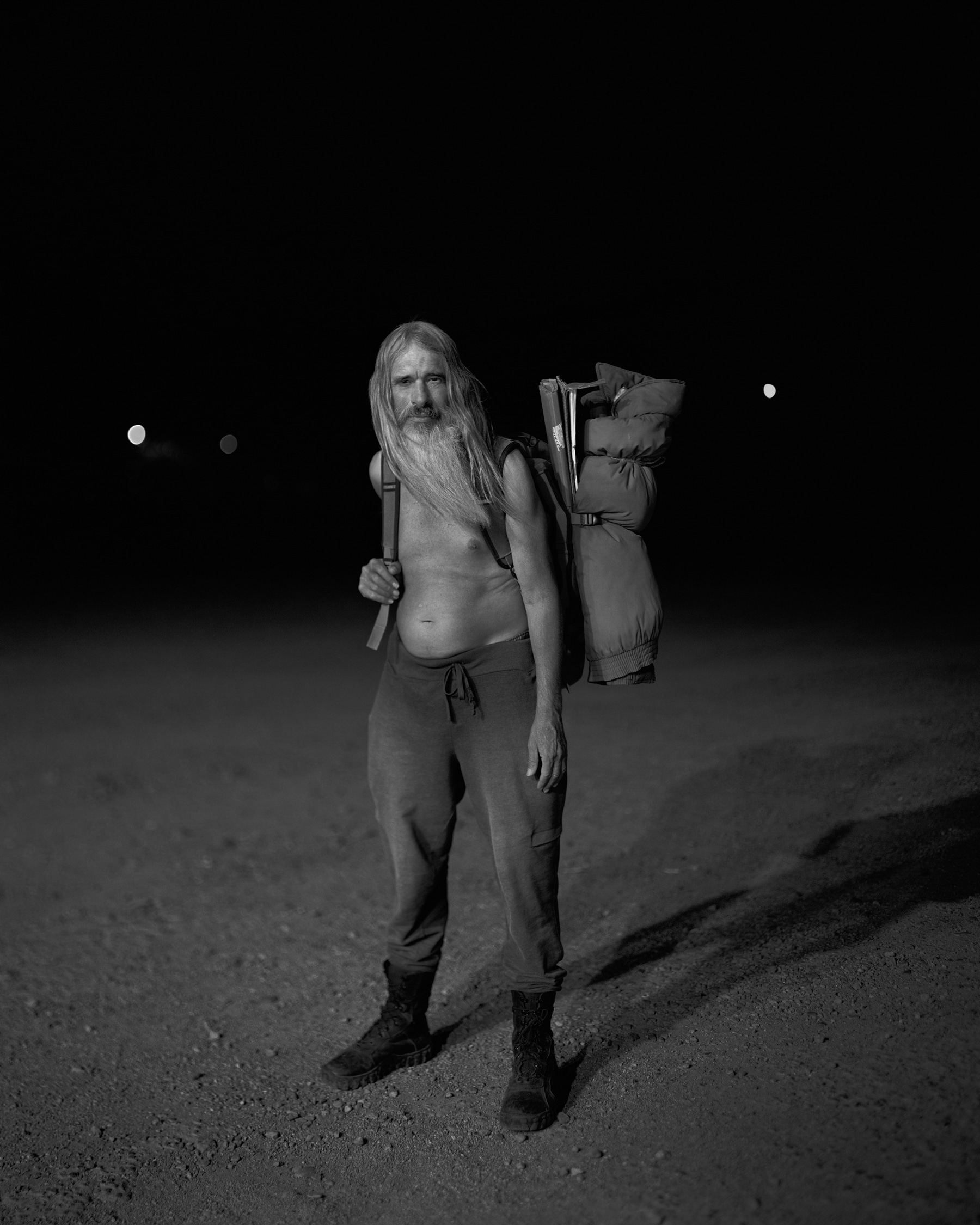
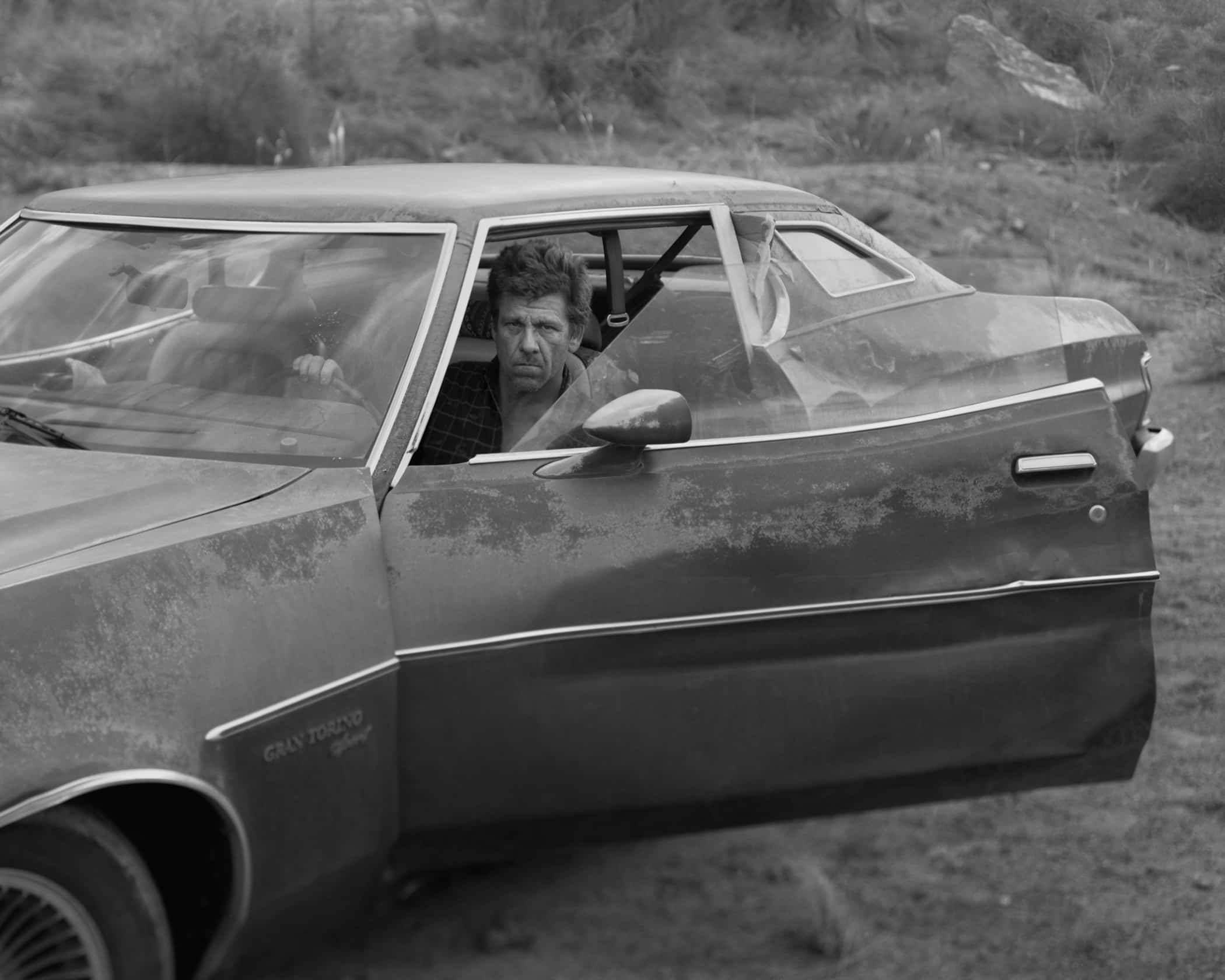
The faces he captures read like maps. Skin weathered by sun and miles, wrinkles carved deep as canyons, eyes squinting or wide open, staring back at us without blinking, hair tangled by the desert wind. Each portrait radiates a raw beauty, a piercing gaze truer than life, a troubling, almost mystical aura. Bryan Schutmaat looks at the drifters, migrant workers, and outsiders with an empathy laid bare, a tenderness free of any condescension.
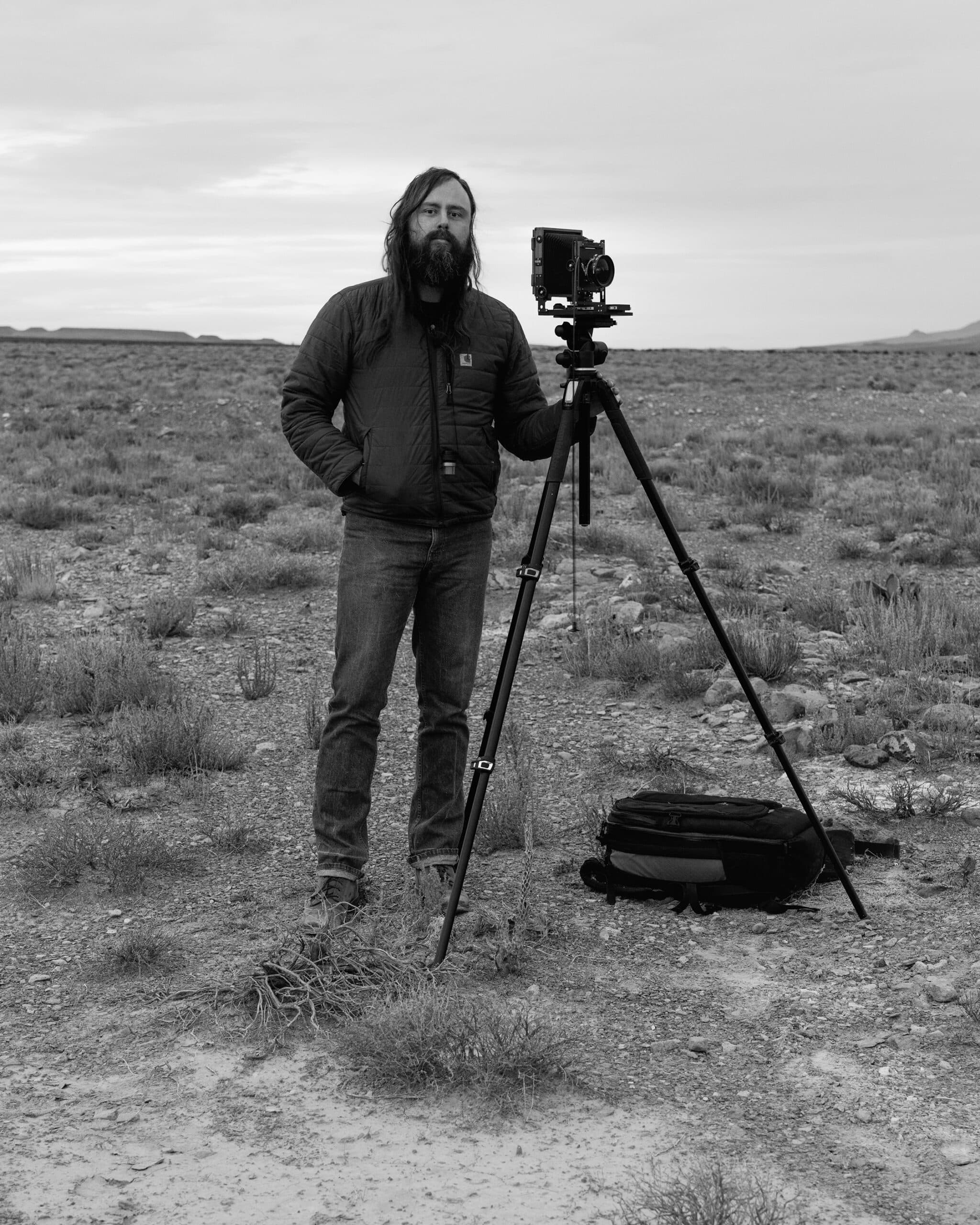
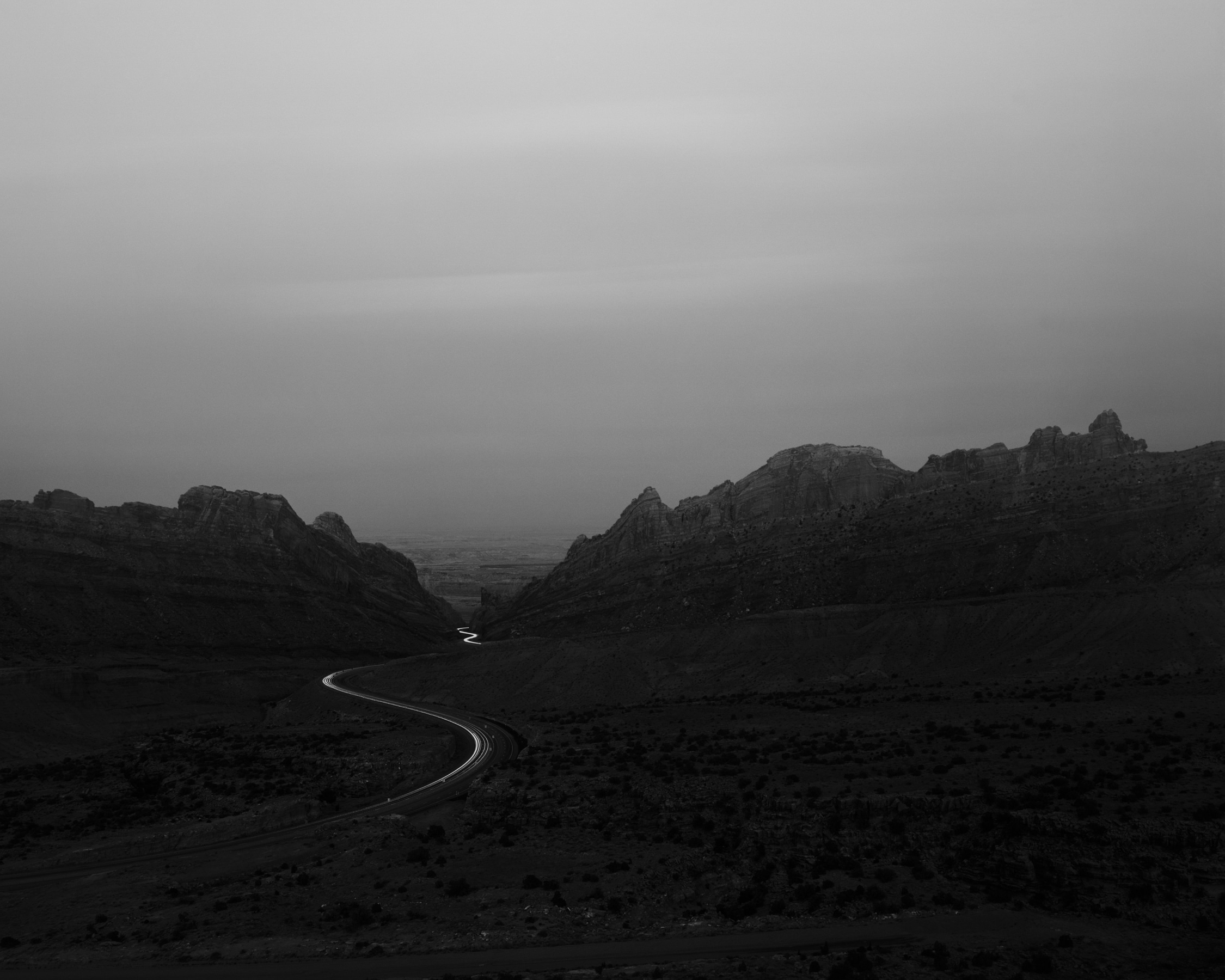
Through his lens, the road is nothing more than a thread stretched across the void. Bryan Schutmaat photographs these panoramas with a 4×5 view camera, an instrument that demands patience and care, that imposes reflection and concentration before every shot. Each image acquires a density of its own. We leave reportage behind and enter contemplation.
The title — Sons of the Living — rings as a counterpoint to yesterday’s sons of the promised land. These are no longer the heirs of a conquest, but the children of what still breathes, of what still stands despite it all. Bryan Schutmaat does not document misery: he bears witness to a capacity for endurance — that of bodies and that of the land.
Bryan Schutmaat weaves portraits and landscapes with rare precision, building a visual narrative in which faces extend the horizon and roads always lead to a gaze. Here, Wayne stands before the lens with a quiet gravity. The story moves forward without text, without caption. The images alone carry it.
Walker, a tall traveler with resplendent facial hair, is photographed with his beard swaying in the breeze after Bryan Schutmaat spent several hours talking with him at a Denny’s in New Mexico. Every portrait is born of a real encounter, of time shared — never a stolen snapshot.
From Grays the Mountain Sends, his first book inspired by Montana poet Richard Hugo, to Good Goddamn, a feverish portrait of a Texan friend before his incarceration, to County Road, an intimate meditation on the rural roads between Austin and the family farm in Leon County, Bryan Schutmaat’s body of work carves a singular path through American photography. A steadfast devotion to the forgotten, a stubborn insistence on looking at what America relegates to the background.
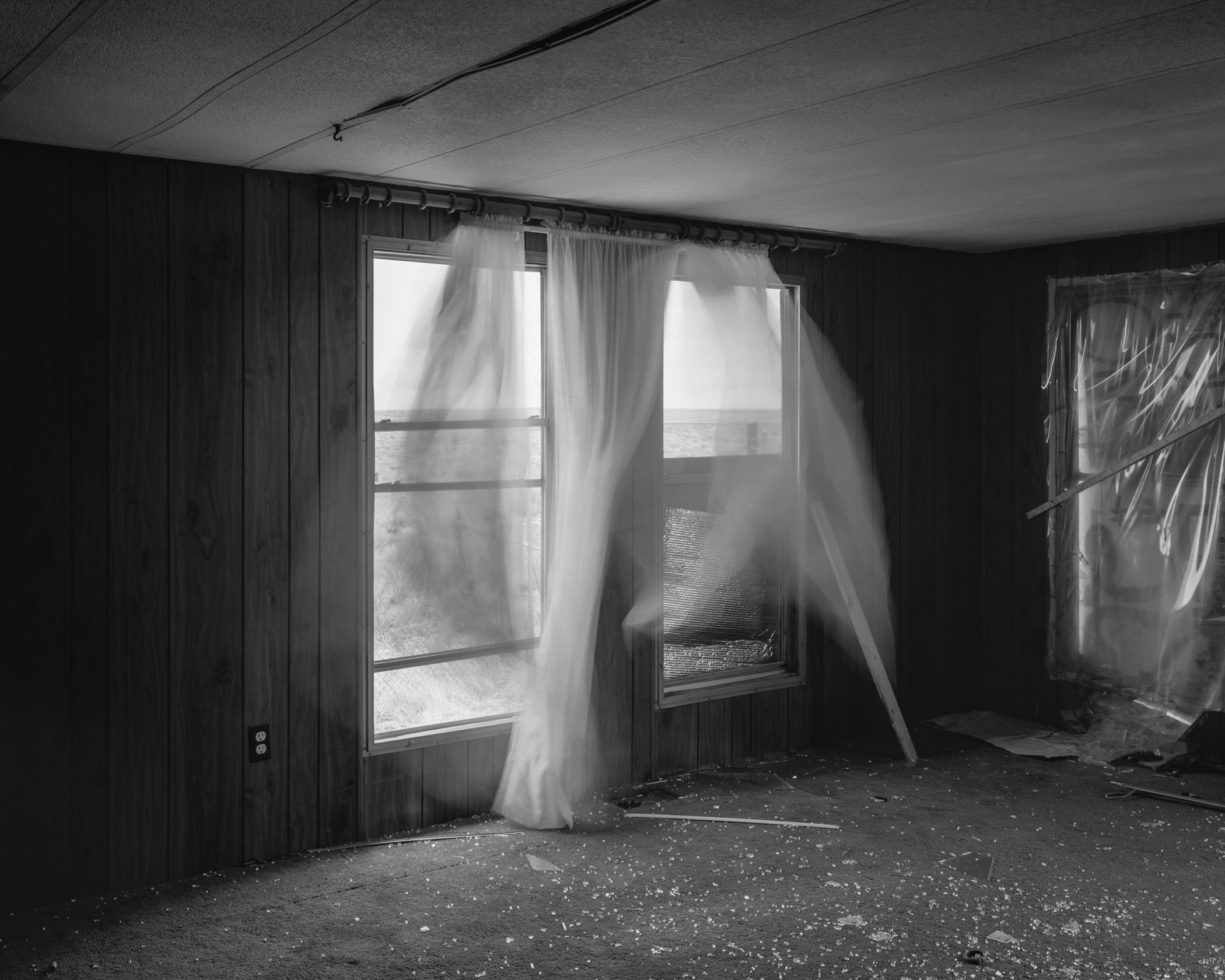
Abandoned houses, tattered billboards, towns slowly returning to dust. Bryan Schutmaat’s West is not the West of Hollywood westerns or promises of conquest. It is a territory where the desert reclaims its rights, patiently, over the remnants of a collective dream.
Born in Houston in 1983, Bryan Schutmaat first crossed the West on tour with punk bands before making it the steadfast territory of his life’s work. He is now a leading figure in contemporary American photography, alongside his friend, the photographer Matthew Genitempo, with whom he shares a deep commitment to landscape, identity, and the margins. Together with art director Cody Haltom, they cofounded Trespasser, a small, uncompromising publishing house dedicated to rare books on landscape and identity. This second edition of Sons of the Living finds its natural home there.
In his acknowledgments, Bryan Schutmaat writes: “This book is for my mother. When I’m out roaming, she calls on angels for my sake.” The book’s final image melts the headlights of a night road into a river of light. The pavement dissolves, the desert takes over. All that remains is the crossing.