
Staging a photography festival inside the Biblioteca Nazionale Braidense, a temple of centuries-old knowledge, during the very week Milan moves at the velocity of fashion: the paradox is deliberate. Between these two tempos, “Women by Women,” the title of this tenth edition, which will take place from March 1 to 4, 2026 unfolds as an act of exquisite friction.
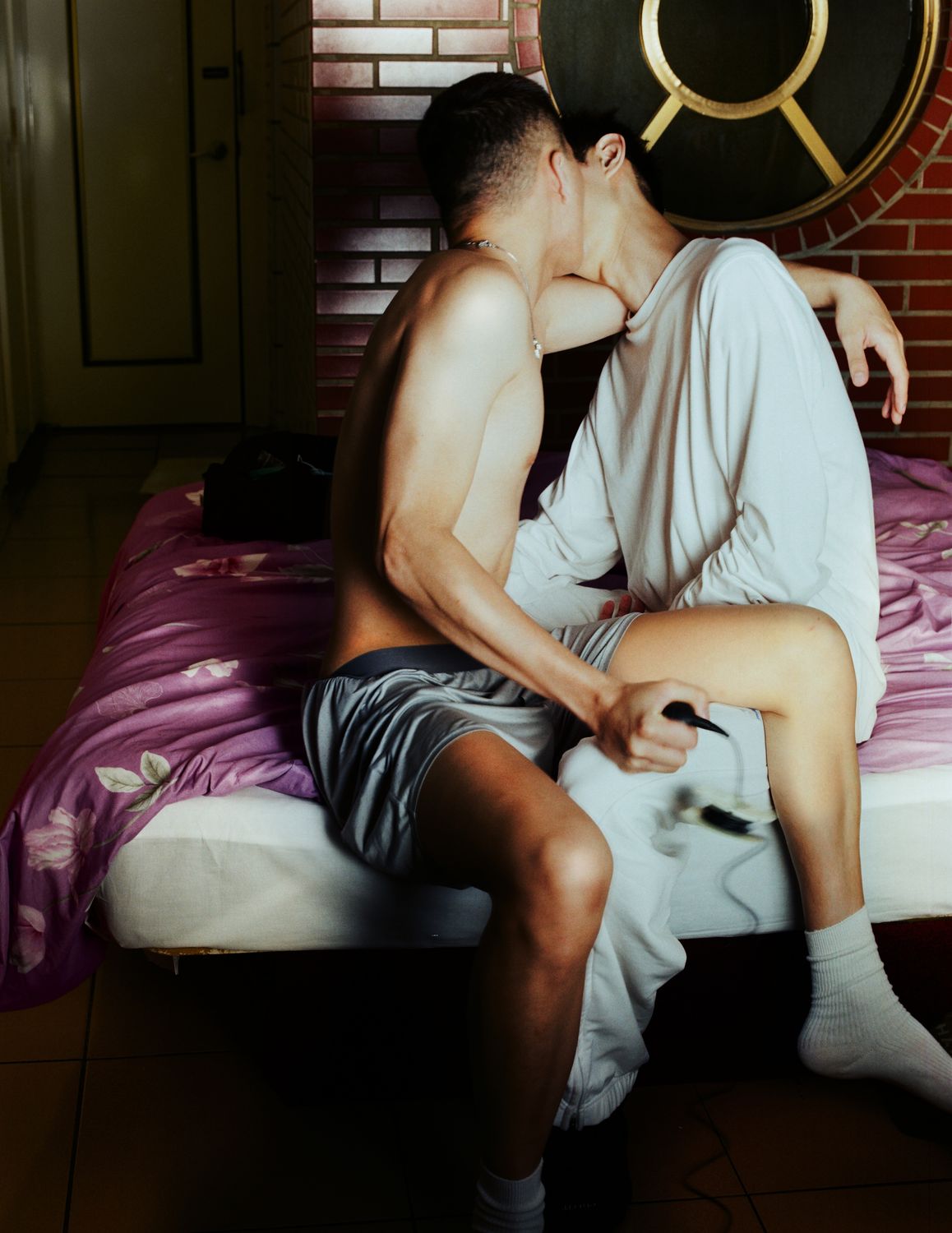
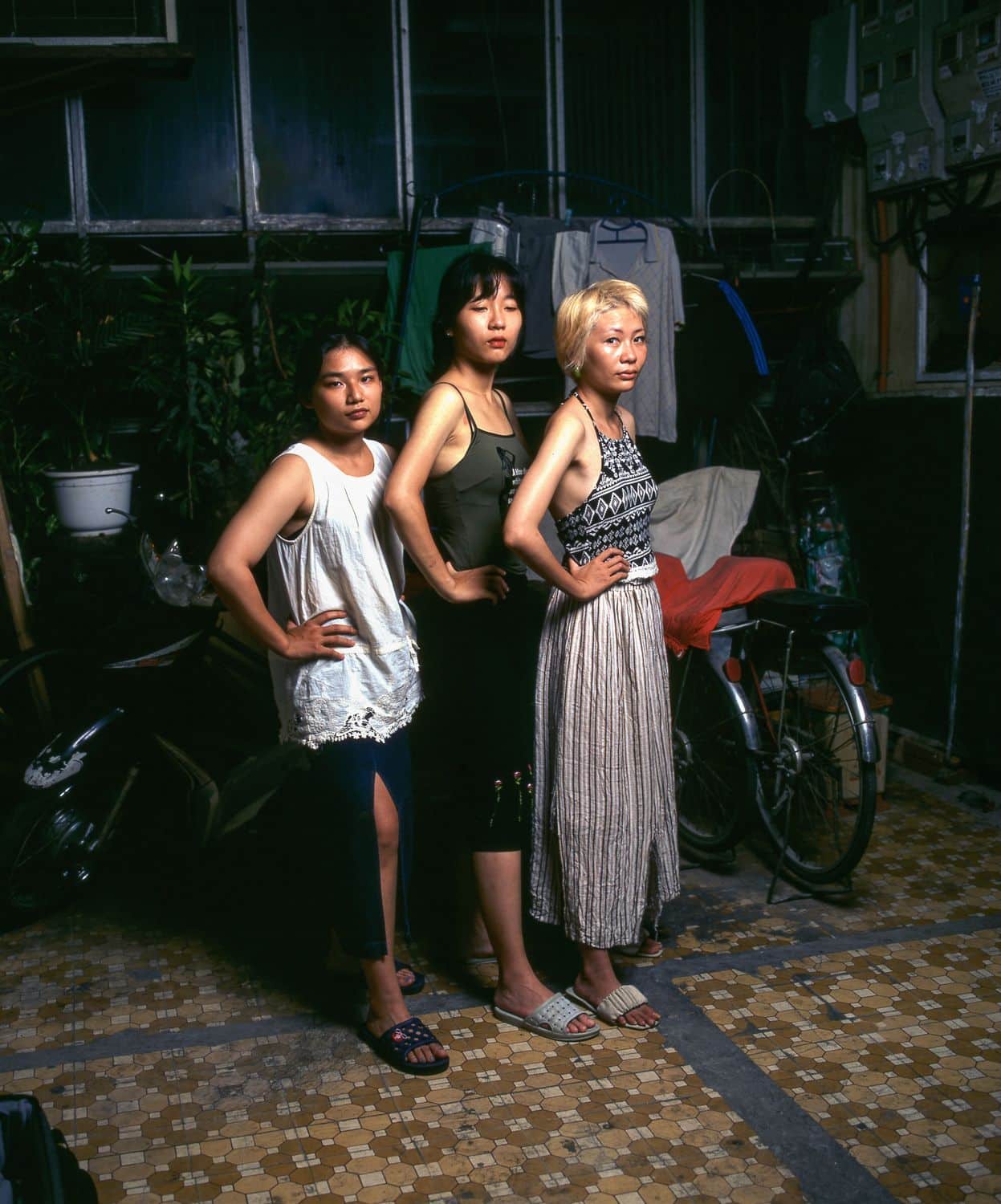
“In 2016, when we chose the female gaze as the inaugural theme of the PhotoVogue Festival, we were trying to name a shift we could already see,” says Alessia Glaviano, Director of Global PhotoVogue, tells Blind. “Women were producing and circulating images with an intensity and freedom that felt new, especially through digital platforms. But the critical language available at the time was still largely built around a binary: the male gaze as the dominant framework, and the female gaze as its counterpoint.”
That opposition was historically necessary, she underlines, because “it made a structural imbalance visible”. But it also carried a risk: “it could keep women’s authorship trapped in a reactive position, defined by what it resists rather than by what it creates.”
Ten years have passed. And the shift Glaviano describes did take place. “The female gaze no longer needs to be defined in opposition to anything,” she explains. “It becomes less a ‘counter gaze’ and more an autonomous field of vision. It is not a single aesthetic, and it is not a fixed identity category. It is a multiplicity shaped by lived experience, position, geography, culture, and the specific conditions under which images are made and received.”
The main exhibition, “Women by Women” — co-conceived with Caterina De Biasio and Daniel Rodríguez Gordillo from nearly 100,000 submissions by 9,500 artists across 149 countries — gives this multiplicity a body. Forty-five artists deploy worlds with no apparent kinship.
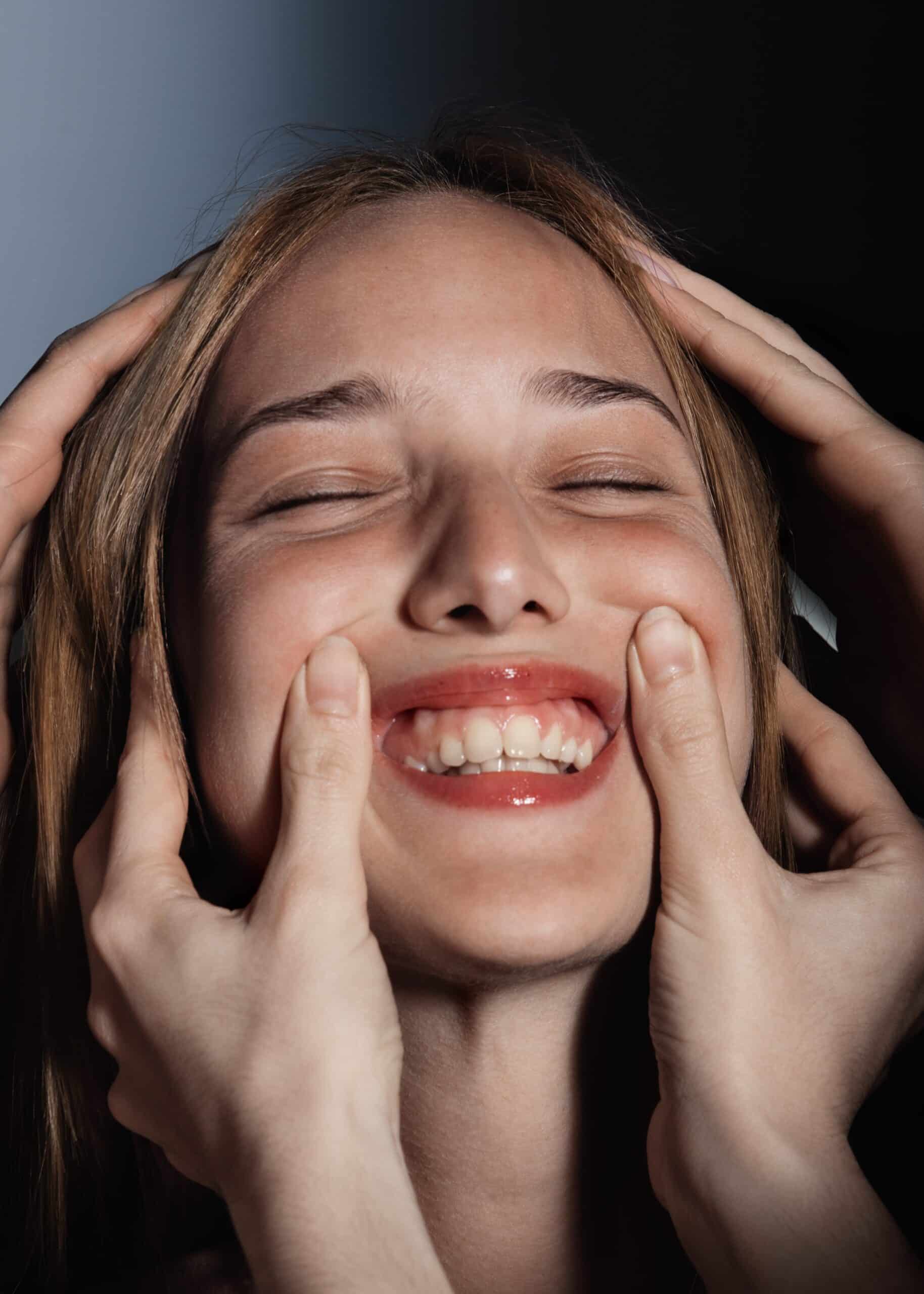
Carla Rossi’s “Bellissima” lays bare the mechanics of performed femininity with an almost surgical tenderness: hands pressing a face’s skin into the shape of a smile, the gesture hovering between affection and coercion.
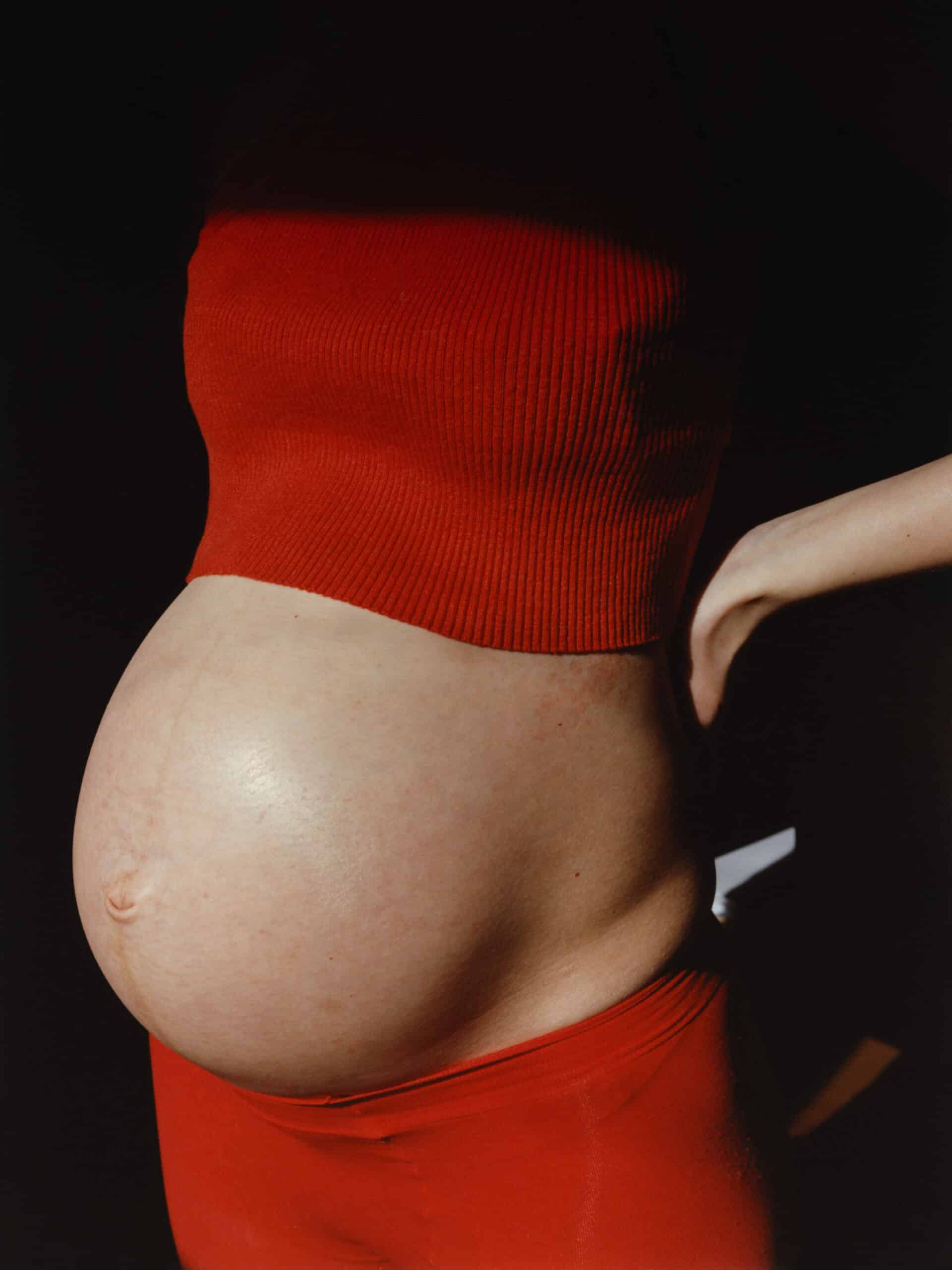
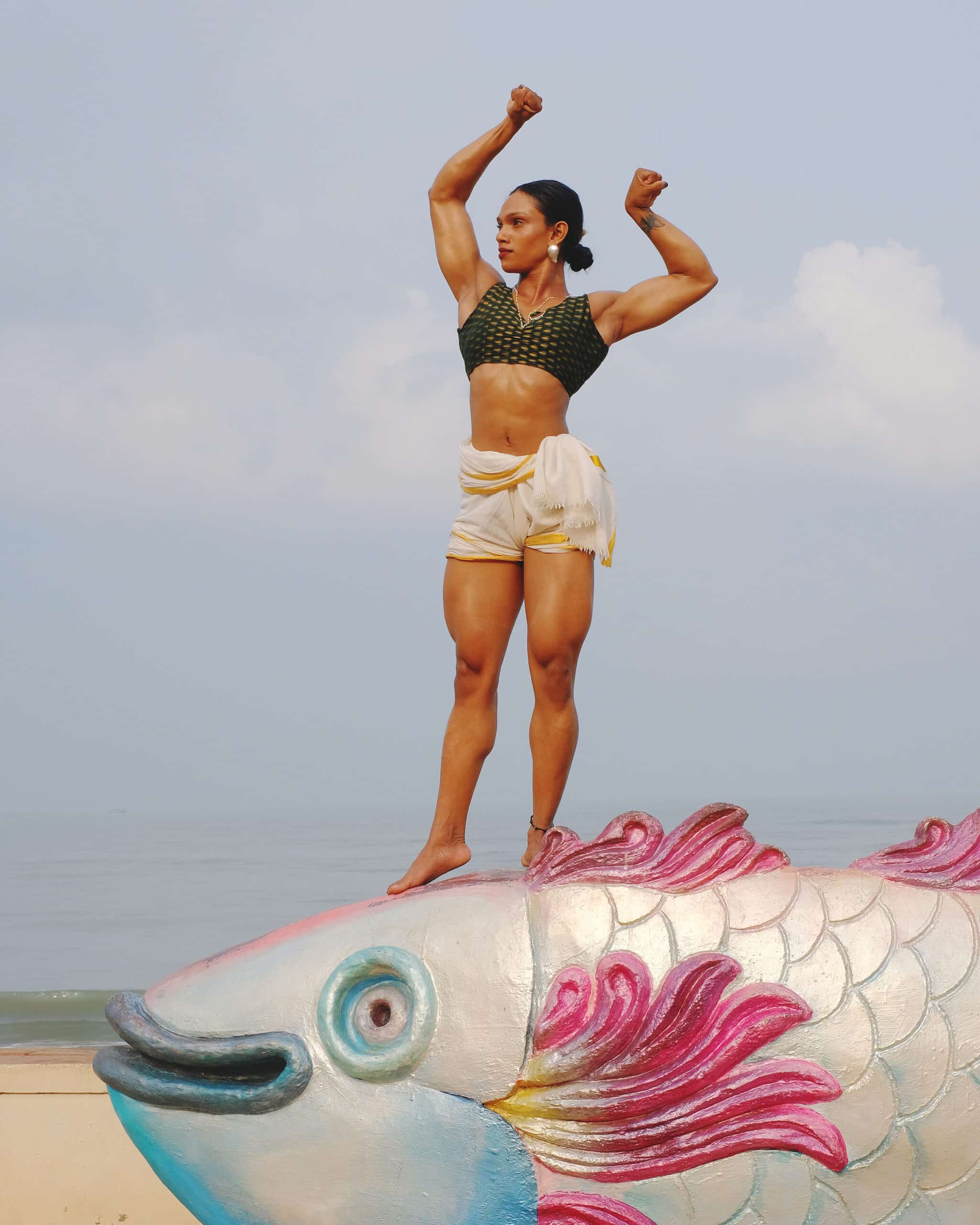
Keerthana Kunnath brings the weight of documentary witness into the room: in one of her images, a young woman stands atop a giant ornamental fish, arms raised, biceps flexed against a bare blue sky, her body claiming space with a joy as an act of defiance. “What stood out most was the confidence of the work,” Glaviano observes. “Many artists were not positioning themselves as answering an inherited visual order. They were articulating their own terms, their own language, their own stakes.”
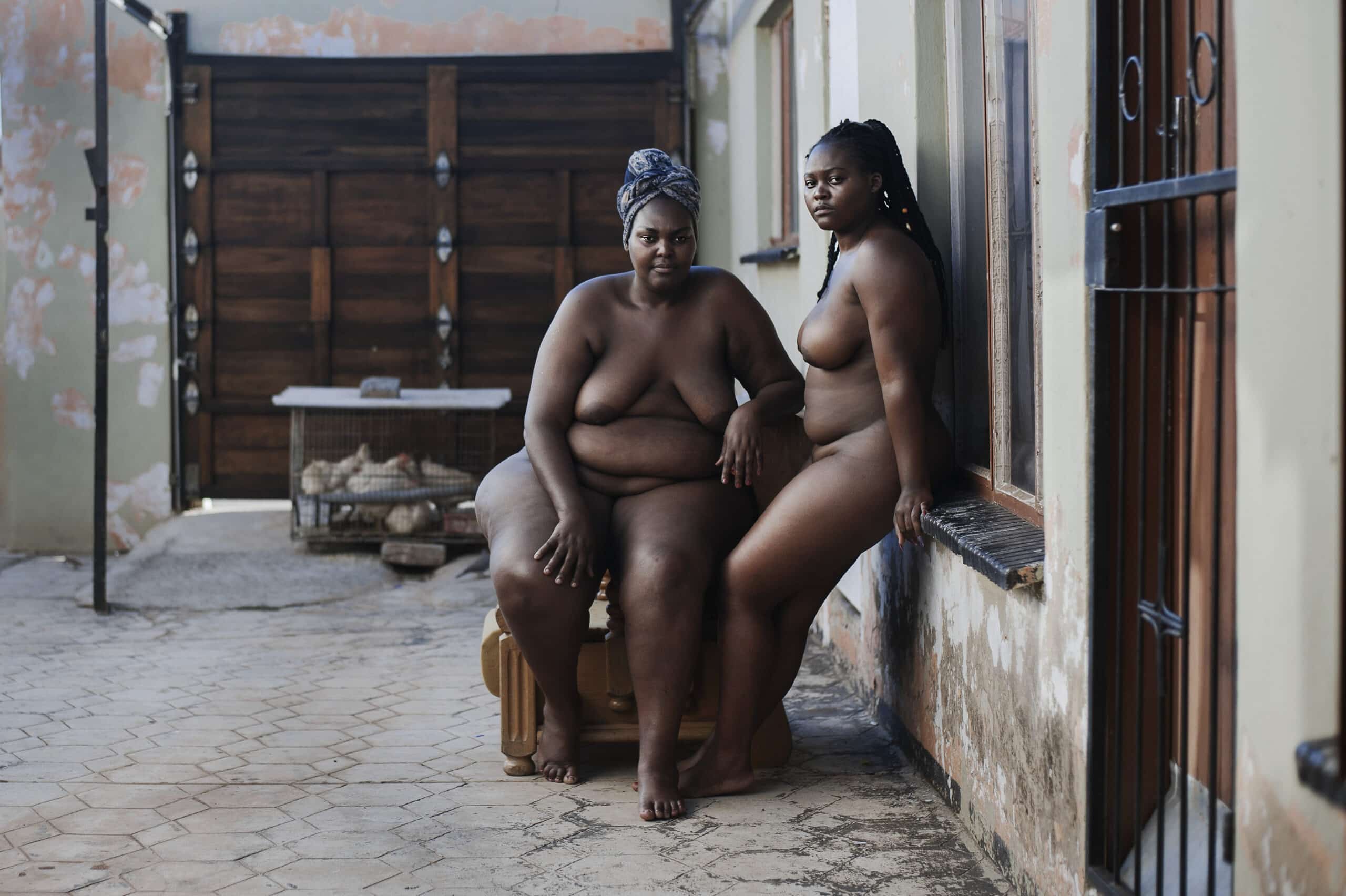
Further along the hang, Manyatsa Monyamane’s “SERITHI — The Aura of a Black Woman” stages Black women in an unprecedented way. “Manyatsa Monyamane engages a different historical vocabulary. By staging Black women in compositions that echo the gravitas of Old Masters painting, she enters a canon that has historically excluded Black bodies. She does not simply reference it. She reclaims its authority. The language of classical grandeur remains, yet its centre of power moves.”
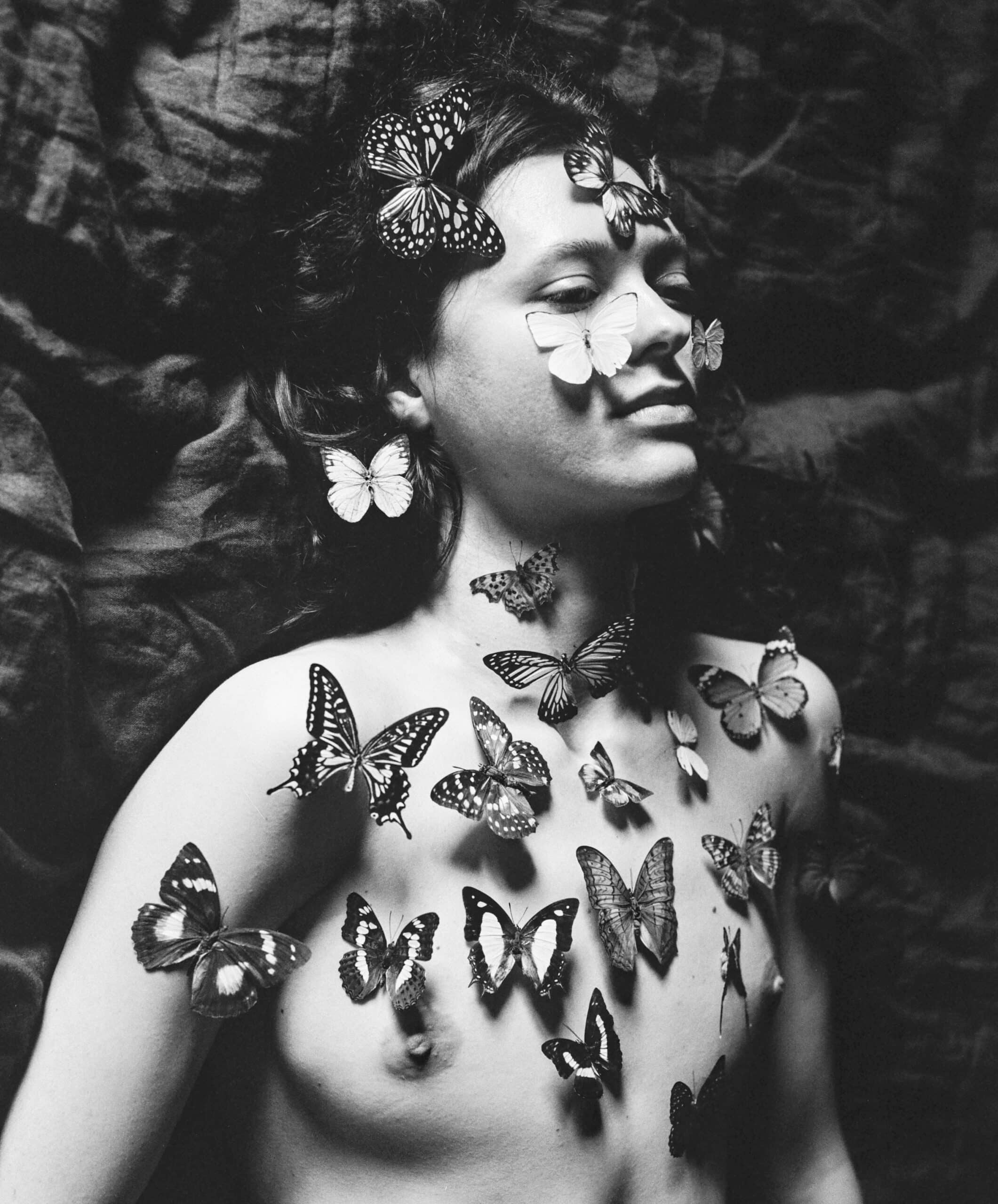
In Kristina Podobed’s “This Too Shall Pass,” butterflies colonise a woman’s skin. And Rehab Eldalil’s “The Longing of the Stranger Whose Path Has Been Broken” — a title that reads like a line from a lost epic — wraps its subjects in the ornamental textures of tradition.
The whole show is more about polyphony than a manifesto. The female gaze as practised here “is less about confrontation and more about authorship,” Glaviano sums up. “Less about being ‘read against’ something, and more about being read in its full complexity.” That said, going ‘beyond binaries’ does not mean pretending power structures do not exist, the festival director recalls. “It means refusing to reduce authorship to a simple opposition, and allowing complexity to remain complexity.”
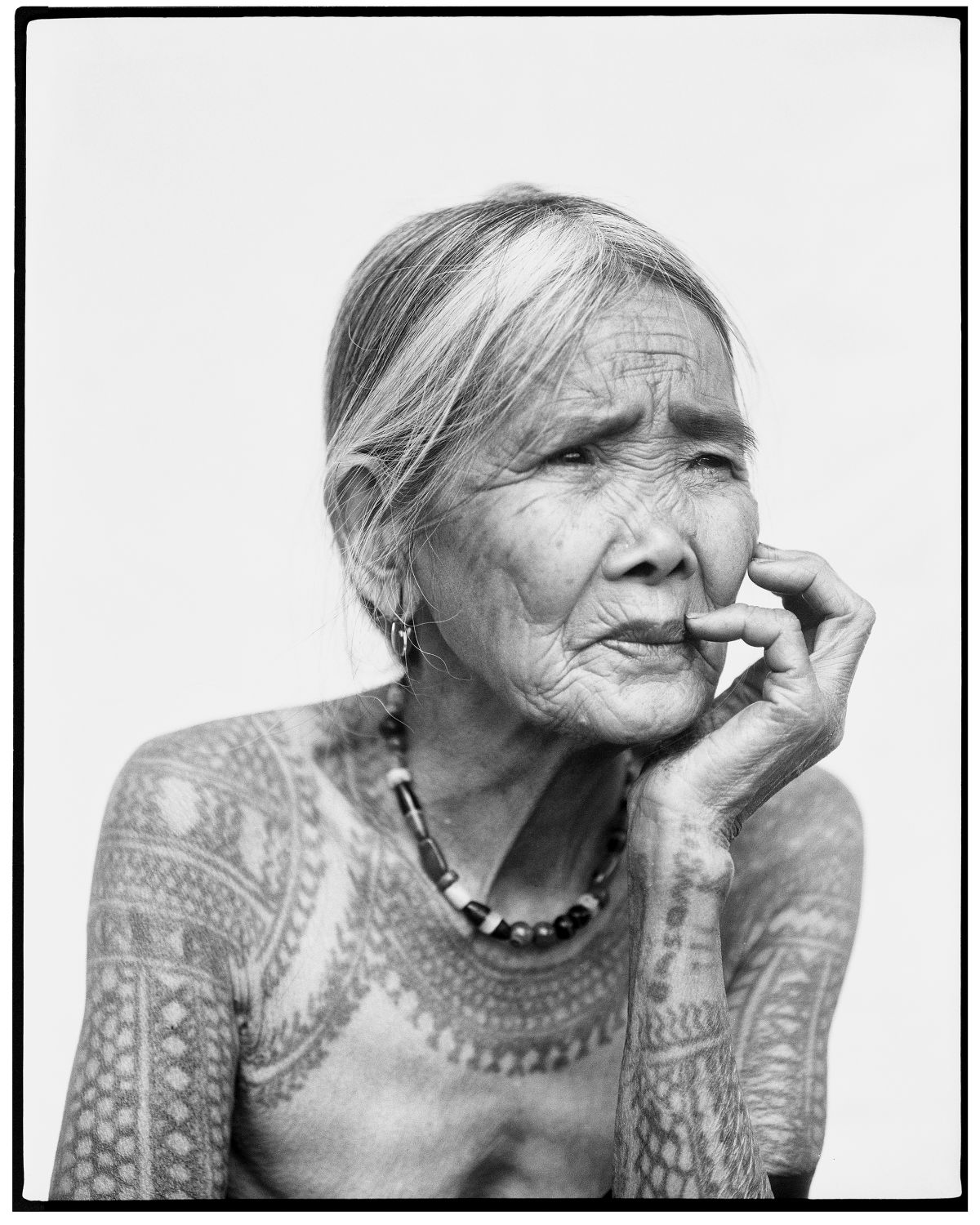
Nor does the edition confine this gaze to a single geography. The “East and South-East Asian Panorama” exhibition assembles 40 photographers and video makers whose work dissolves any tidy notion of a regional aesthetic. Jake Verzosa’s “The Last Tattooed Women of Kalinga” reads like an act of archival devotion: an elder raises a weathered hand to her lips, her face a mesh of deep lines and fading tattoos.
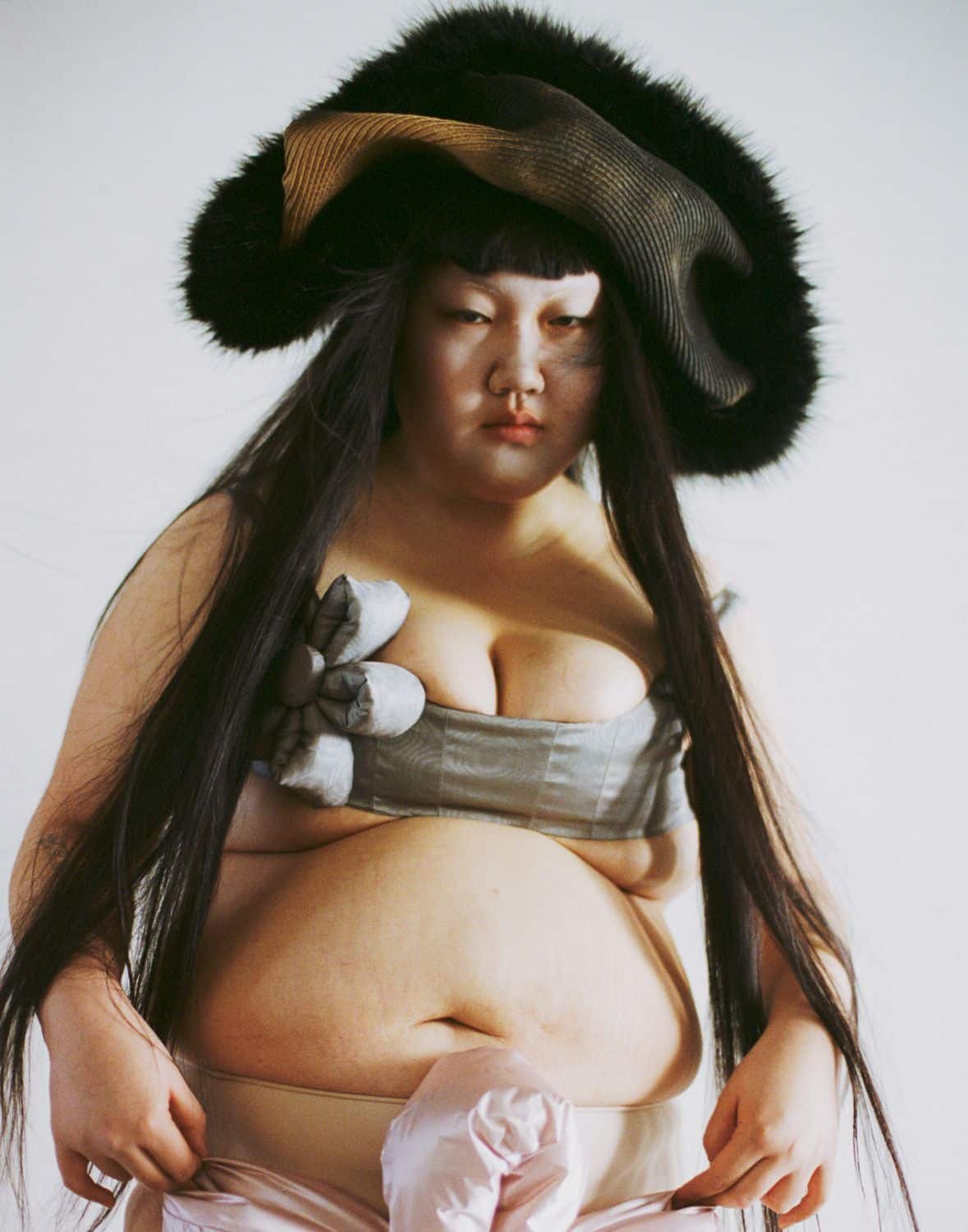
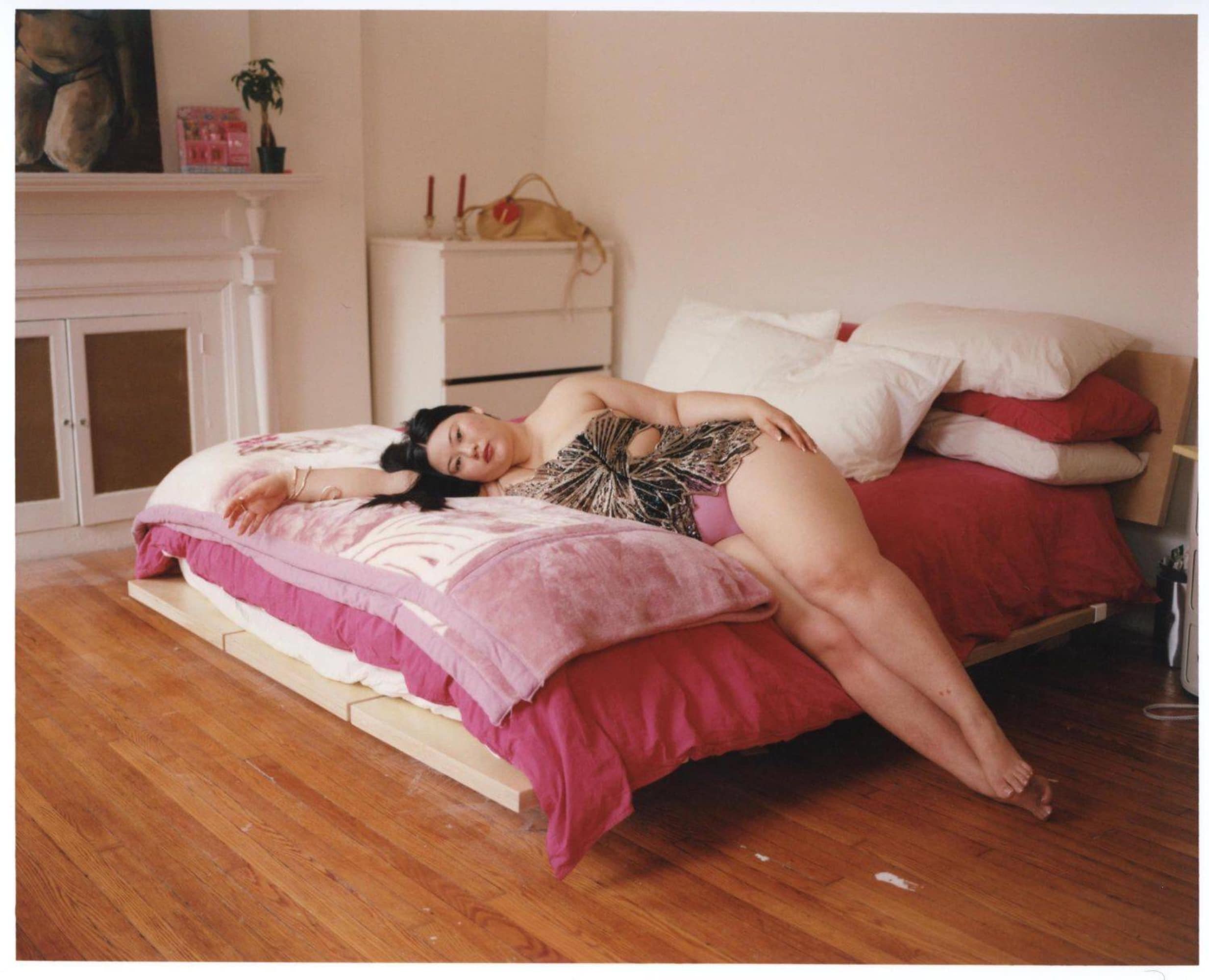
Jiayue Li captures young women in the quiet enclosure of their private spaces in “Girls and Their Rooms”. “Jiayue Li works in intimate interiors, entering the bedrooms of young Chinese women as if entering a private language. These spaces are not decorative. They are psychological territories. Her images resist spectacle altogether and operate through subtlety, atmosphere, and coded self-expression. Identity is not declared but negotiated.”
Nicole Ngai’s “Threads” offers a close-up of a face — skin, redness and acne included. And Ramona Jingru Wang reclines its subjects among silk pillows and digital apparitions in “My friends are cyborgs, but that’s okay”.
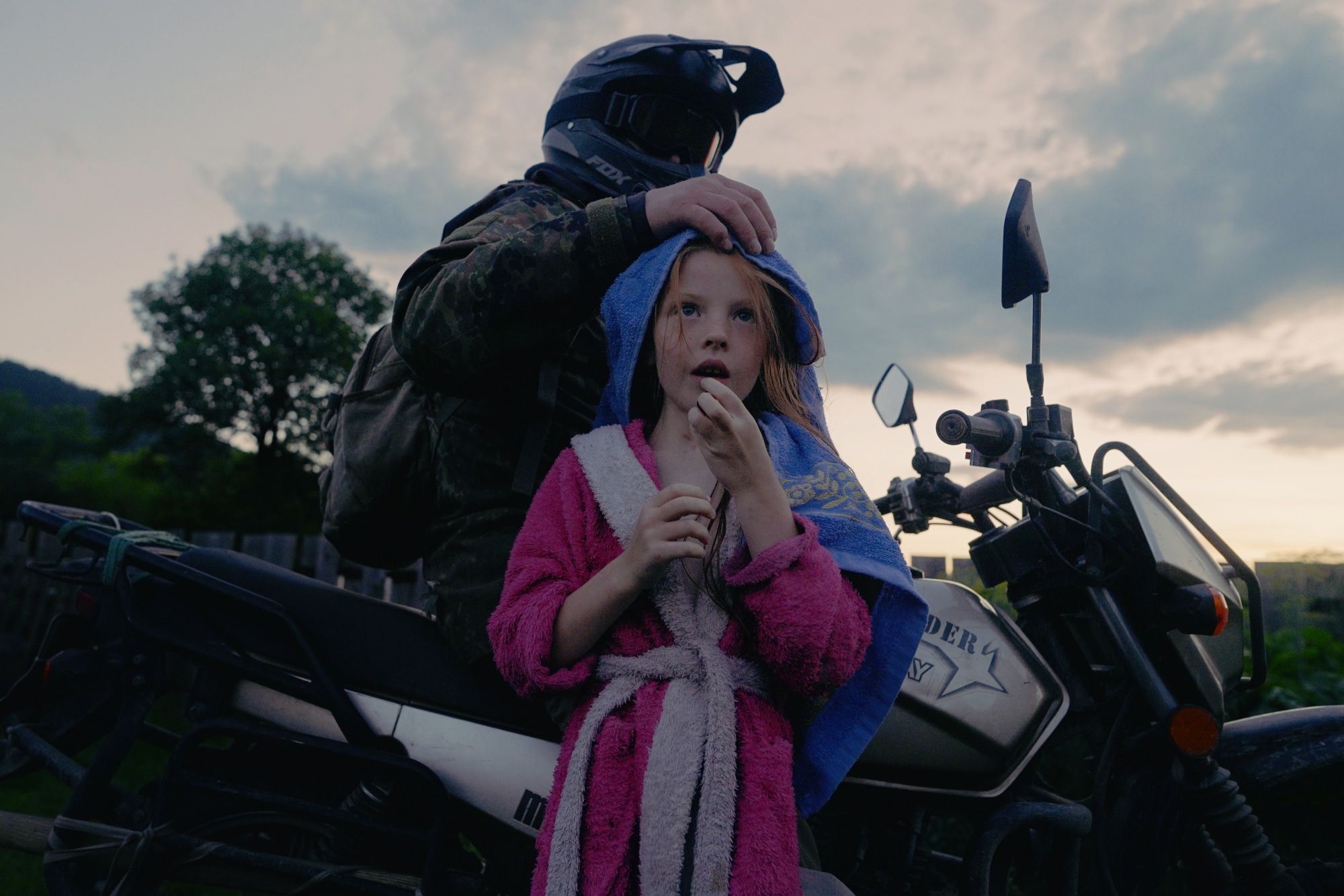
A collaboration with Vogue Ukraine, titled “Futurespective”, extends the exploration by spotlighting 34 emerging Ukrainian photographers. Here the female gaze meets that of a generation navigating the psychic rubble of conflict. Ira Lupu’s Bezsmertnyky (Immortals), from her “Time of the Phoenix” series, photographs a child half-hidden among dense clusters of dried immortelle flowers.
“Ira Lupu shifts the visual grammar of conflict. War photography has long relied on spectacle, rupture, and urgency.” Alessia Glaviano analyses. “Her work instead insists on continuity, intimacy, and care. The family album becomes a counter-archive, a quiet resistance to the dominant iconography of violence.”
Daria Svertilova’s “Temporary Homes” photographs women in transient domestic spaces — a shared bed, a schoolroom repurposed as shelter. And Elena Subach, awarded the Jury Choice distinction, delivers images from her series “Grandmothers on the Edge of Heaven” and “Chairs at the Border,” showing objects and bodies in states of improbable endurance, saturated with colour and quiet absurdity, refusing the sole grimness that war photography so often demands.
The coexistence of such different universes within the same festival is no accident. “It reflects a broader proposition about authorship,” Glaviano tells Blind. “What connects them is not geography, medium, or style, but a shared act of reappropriation. None of the three, Glaviano continues, appears to be explaining herself to an external gaze. “They are not reacting to a dominant narrative. They are entering established visual systems, whether war imagery, classical painting, or documentary intimacy, and altering them from within.”
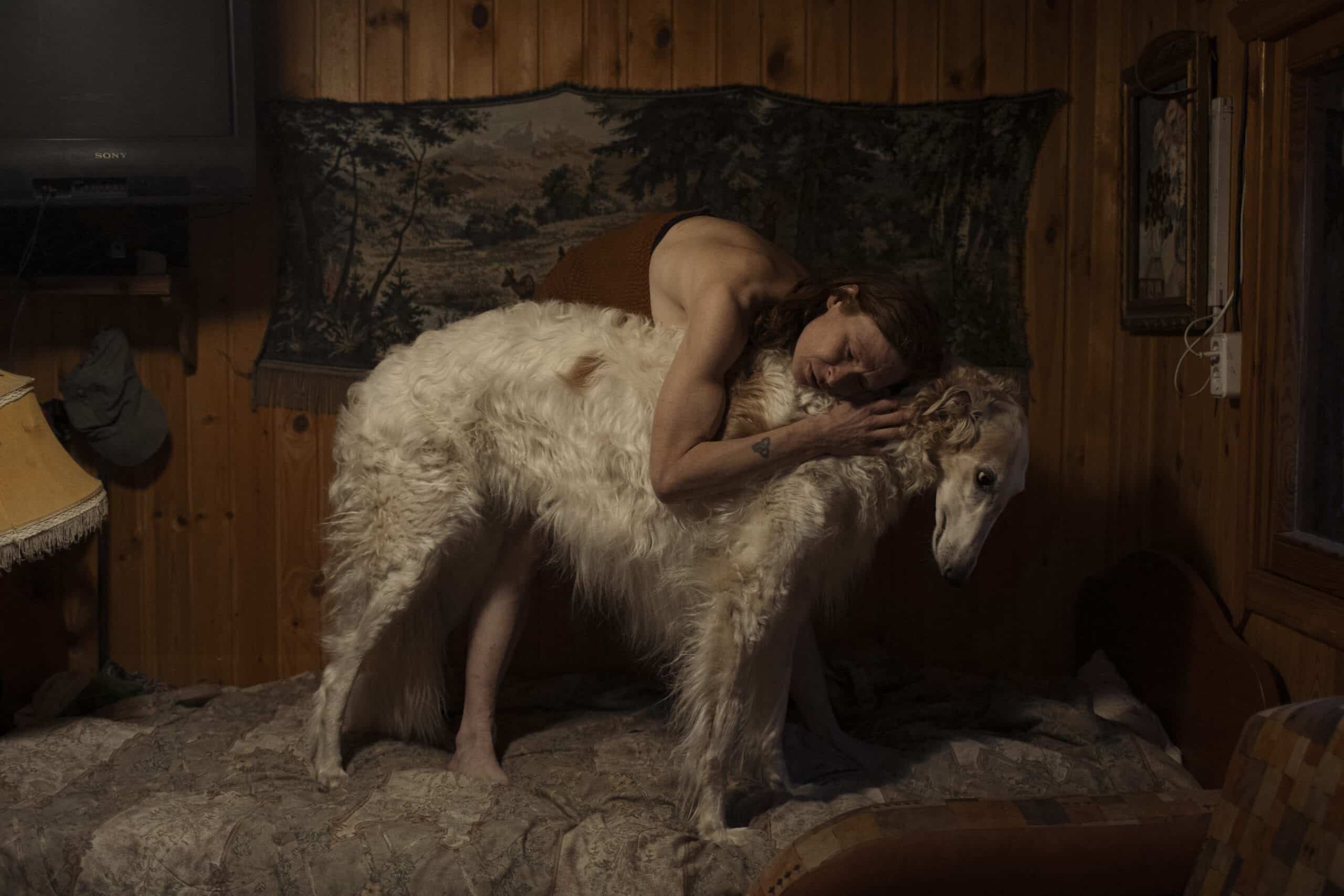
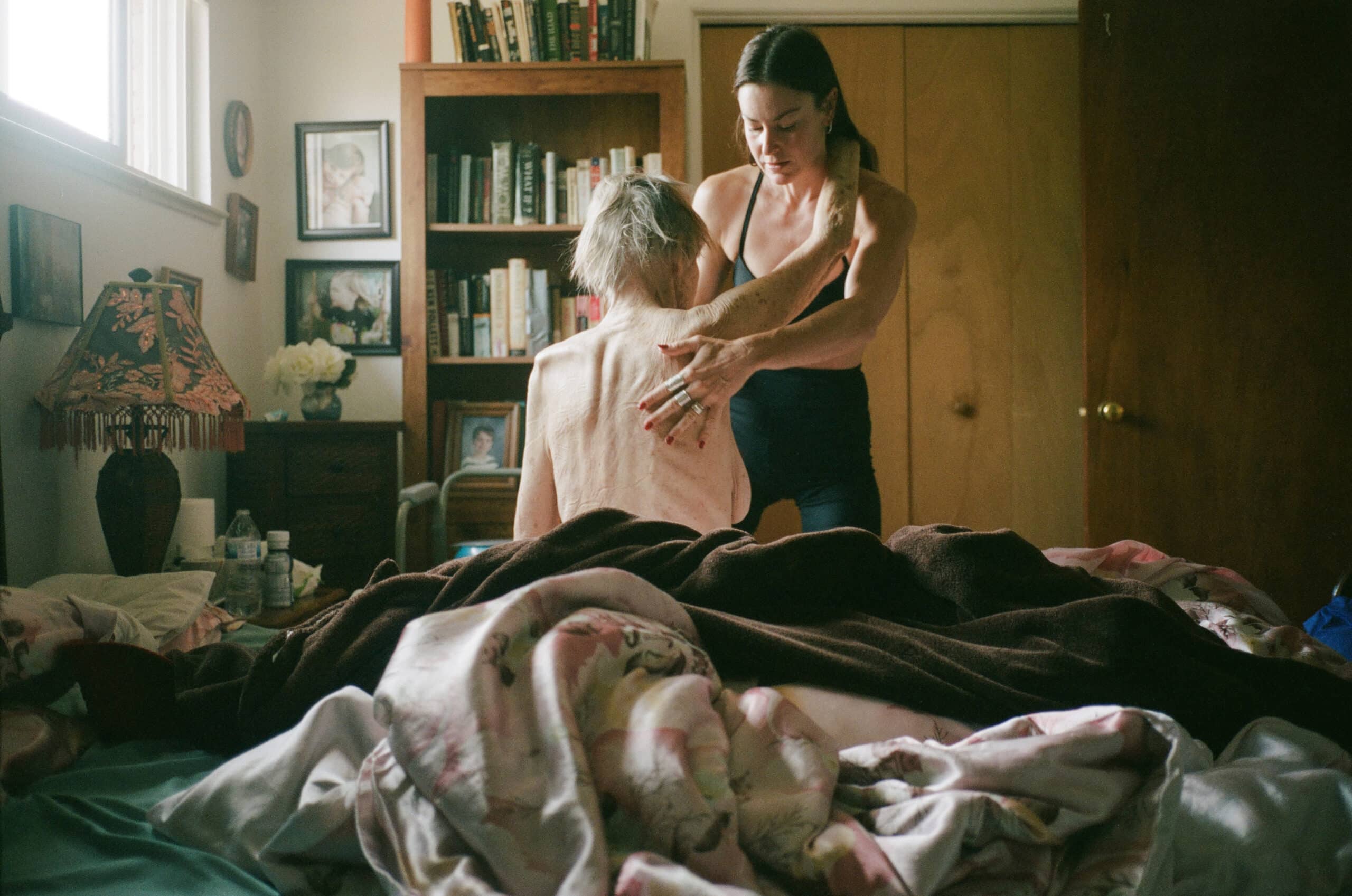
Photography in 2026, she adds, “feels increasingly aware of its histories, yet less constrained by them. The most compelling practices are not driven by shock or novelty, but by a deliberate repositioning of inherited visual languages. Photography today is plural, politically conscious, and capable of holding intimacy and authority at the same time.”
Panel discussions will complement the exhibitions and foster dialogue among the exhibiting artists: Bettina Pittaluga, Clara Belleville, Hillary Foxweldon, and Rhiannon Adam will have a conversation on the relationship between desire and fashion. And Forough Alaei, Kiana Hayeri, and Priscillia Kounkou Hoveyda will discuss the condition of womanhood in times of conflict.
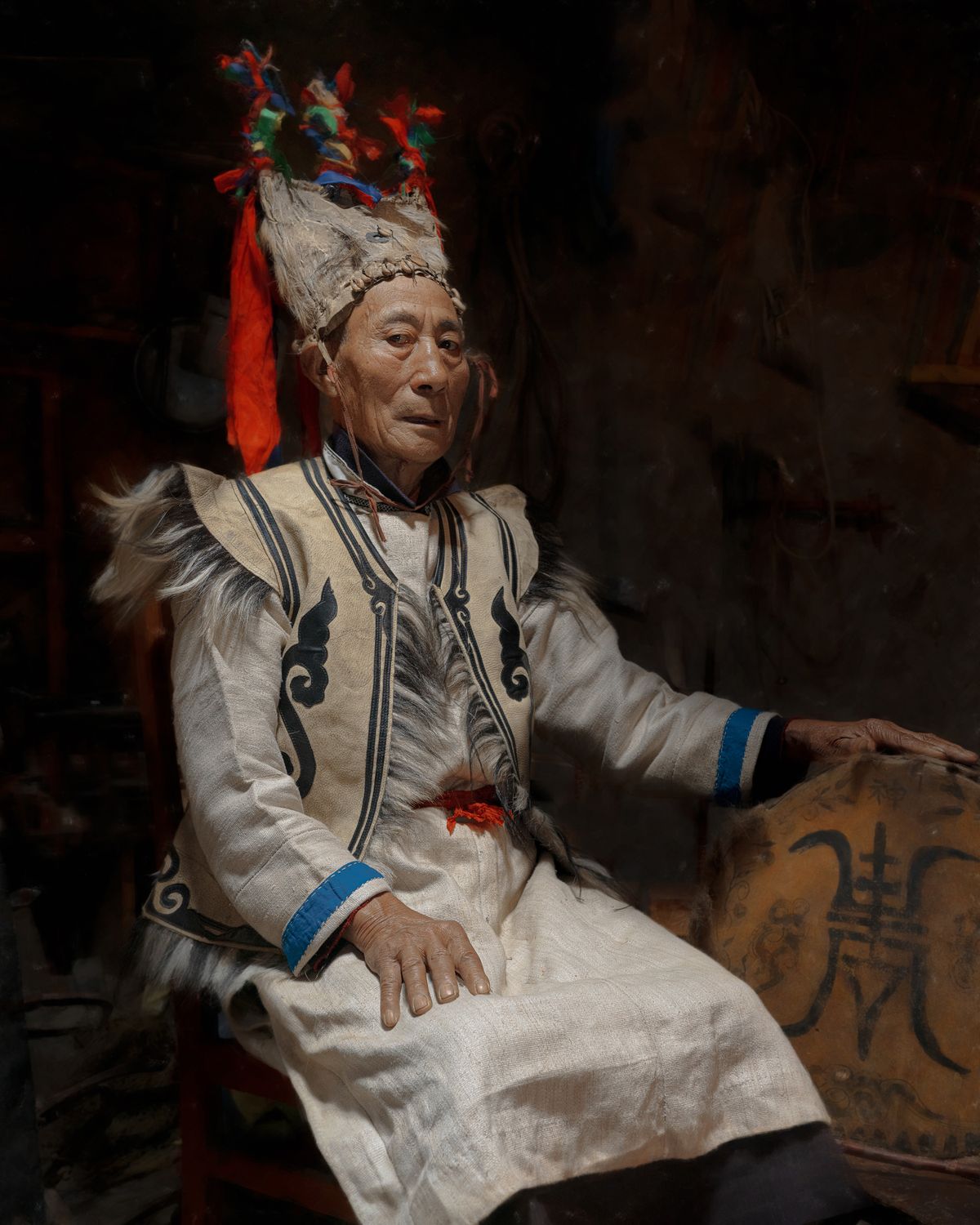
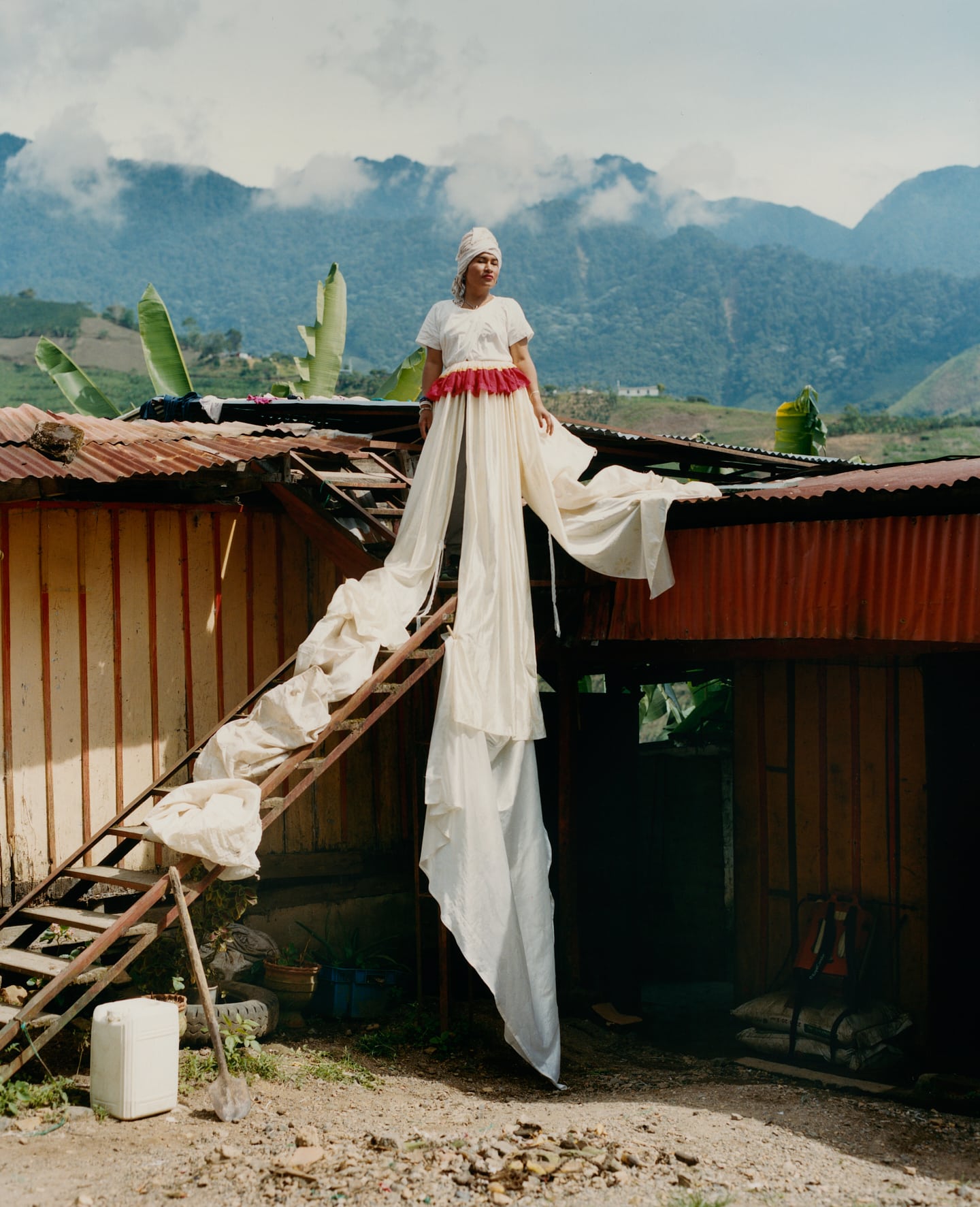
The choice of the Braidense, too, carries intent. “A library is not a neutral space,” Glaviano explains. “It is where knowledge is legitimised, catalogued, and transmitted across generations. It is where what counts as culture is quietly decided. Placing “Women by Women” inside one of Italy’s most historic libraries was a way of asserting that these works are not temporary interventions, nor thematic programming. They are part of cultural memory.”
In a gallery, she notes, images are often consumed visually; in a fashion venue, they risk being read through the lens of trend. “Libraries have historically preserved canons shaped predominantly by male voices. Installing a global constellation of women’s authorship within that architecture is not confrontational, but quietly structural.” In a time when images circulate endlessly and disappear within seconds, situating the festival in a library is also a gesture against ephemerality. The space itself encourages slowness, and slowness allows complexity to emerge.
Outside, Fashion Week resumes its flow, its speed. Inside, 130 photographers have demonstrated that the most radical gaze is not the one that looks away, but the one that refuses to close.
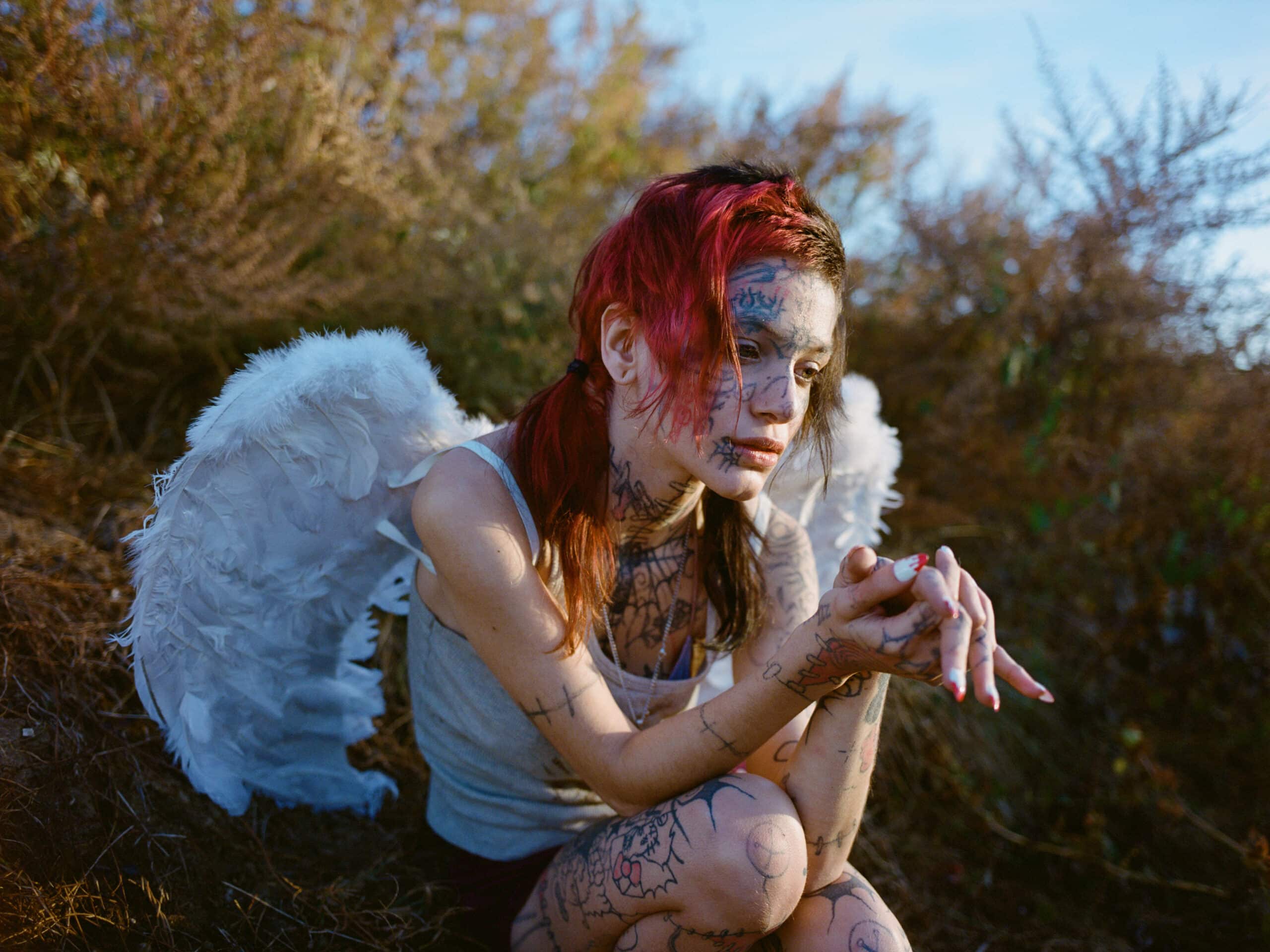
The 10th edition of PhotoVogue Festival 2026, “Women by Women”, will take place from March 1–4, 2026 at the Biblioteca Nazionale Braidense in Milan. Free admission.