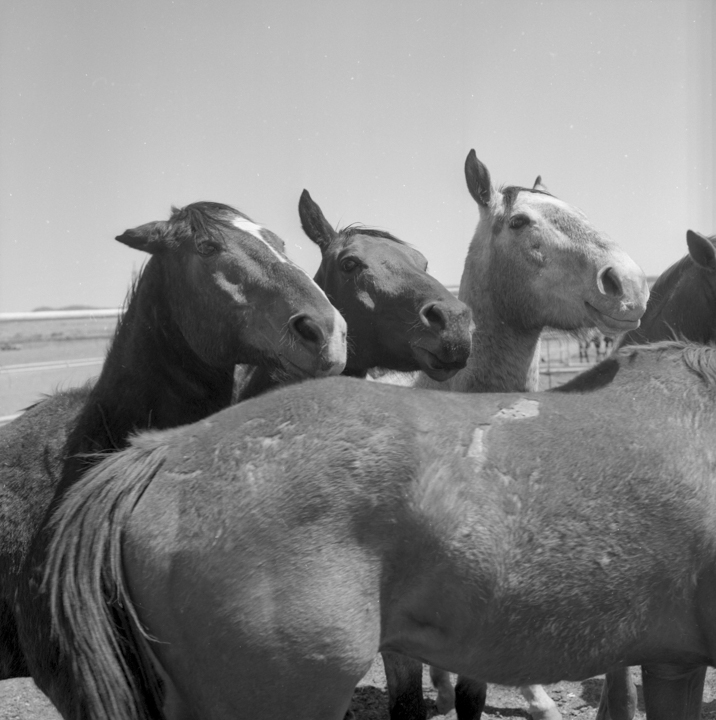
Some childhood stories leave marks that never fade. John Dyer’s father grew up in Augusta, Montana — a town of five hundred hardy souls in cattle country in the western part of the state. In the 1930s, the rodeo arrived there and quickly became the high point of the year. In the evenings, he told his children: how he and his gang of friends peered through the open doors of a saloon to watch fistfights, how they sneaked under the fence to watch cowboys trying to stay on wild horses, how the next morning a front-end loader cleared two or three feet of empty beer cans along Main Street. Those images don’t leave you.
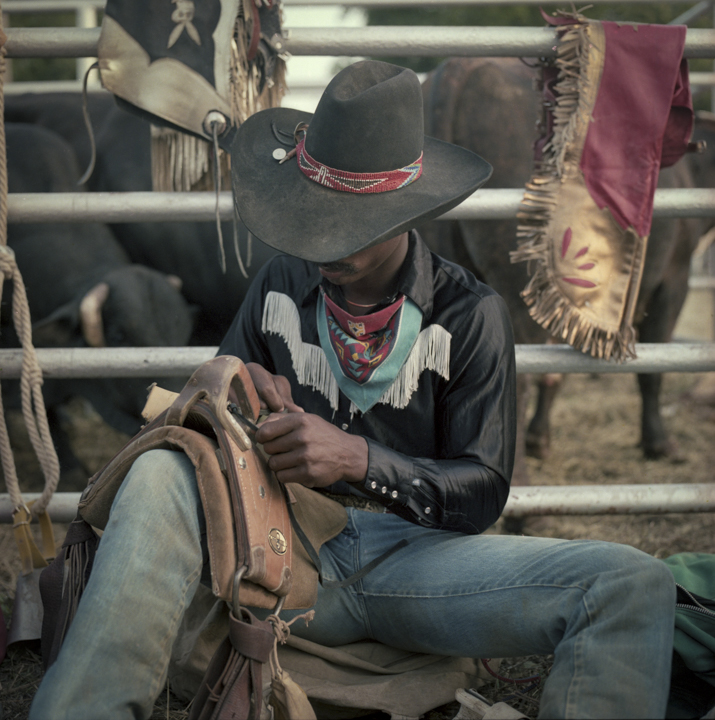
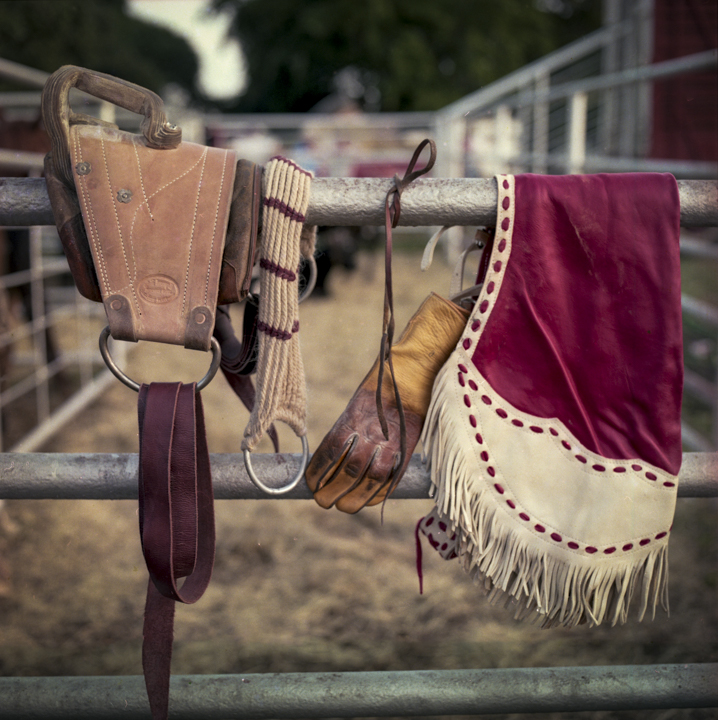
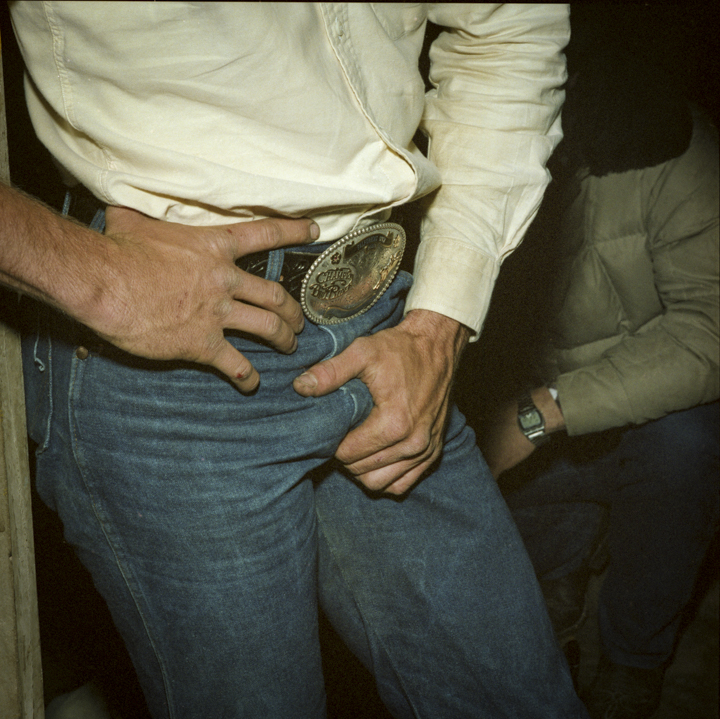
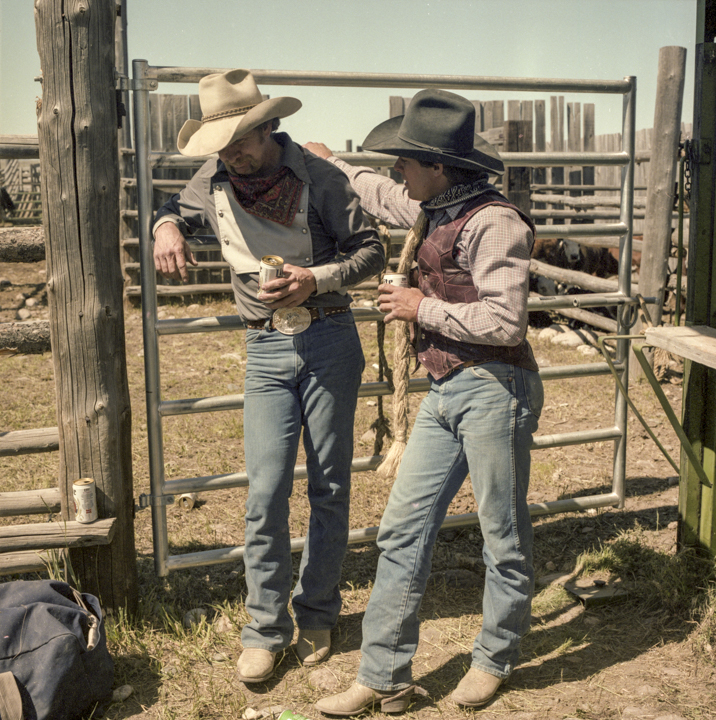
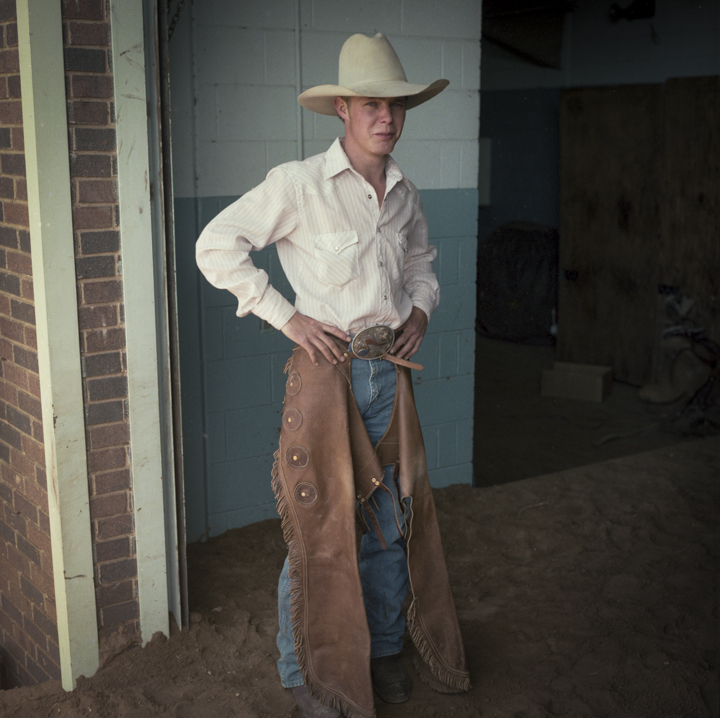
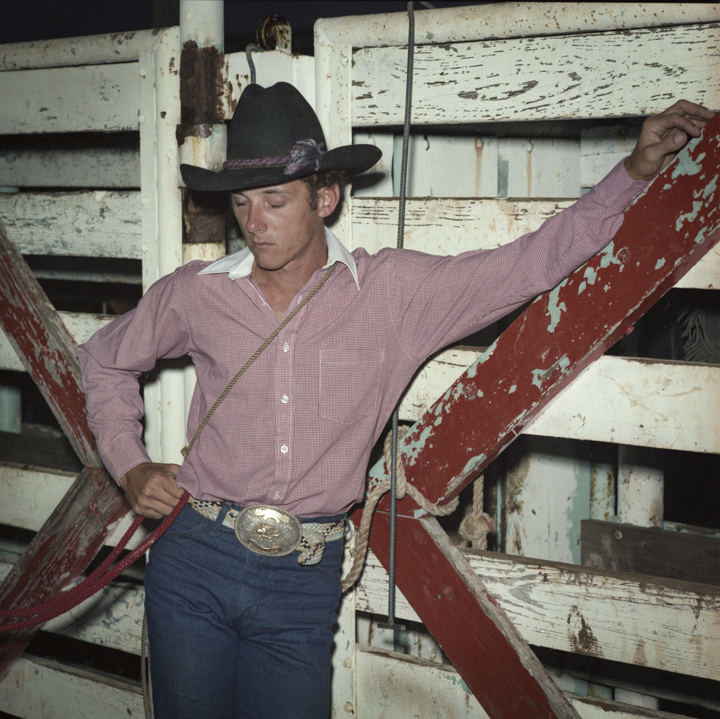
Decades later, John Dyer had been working as a commercial photographer for nearly fifty years when he decided to follow that memory back to its source. “It felt almost inevitable that I would photograph the rodeo,” he said. In 1983, he convinced his wife — “good lady that she is,” he noted with unguarded tenderness — to travel with him across Texas and then make the long drive to Montana with their infant son. Photographing the rodeo became a way of introducing them both to where he came from. “I remember feeling a real sense of pride showing them that part of where I came from,” he said.
But this was no sentimental journey. To work, John Dyer made himself disappear. “One of the things I learned over the years is that it’s possible for a photographer to become invisible,” he said, “not literally, of course, but to become so unimportant that people stop paying attention.” He slipped into the announcer’s booth above the arena, walked out onto the dirt floor among the official photographers, pressed as close to the action as he could. The risks were real. “Once I was almost trampled by a bucking horse,” he recalled, “and another time I had to jump over the fence throwing my camera ahead of me to keep from being crushed by a rampaging bull.” Two eyes open at all times: one through the viewfinder, the other watching his surroundings.
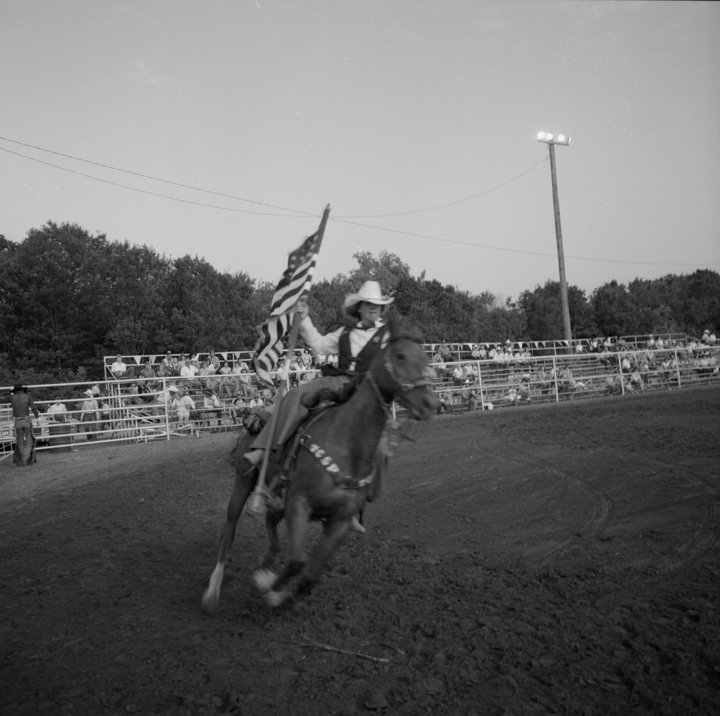
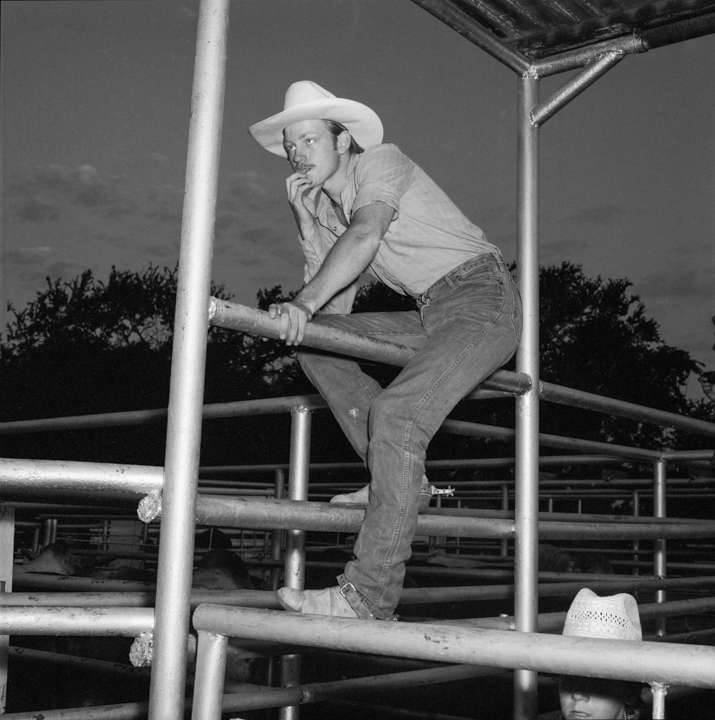
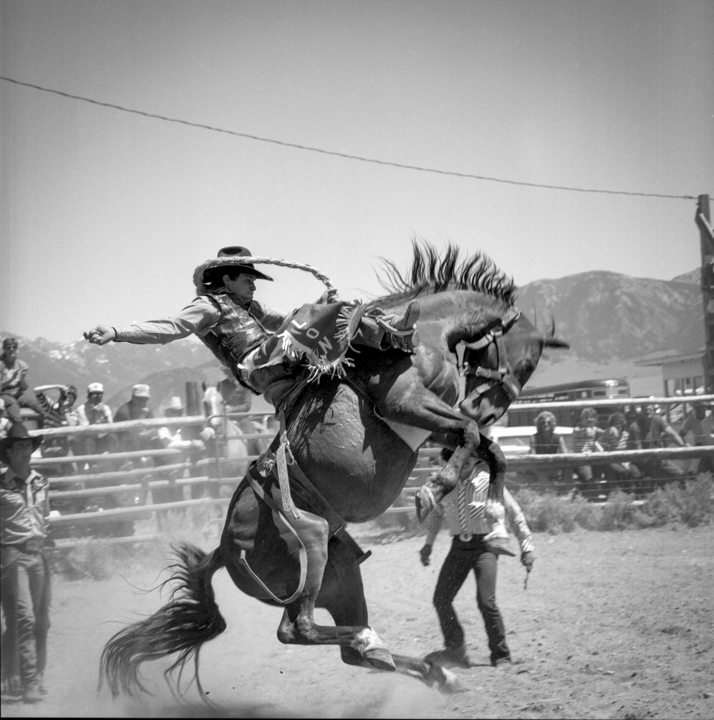
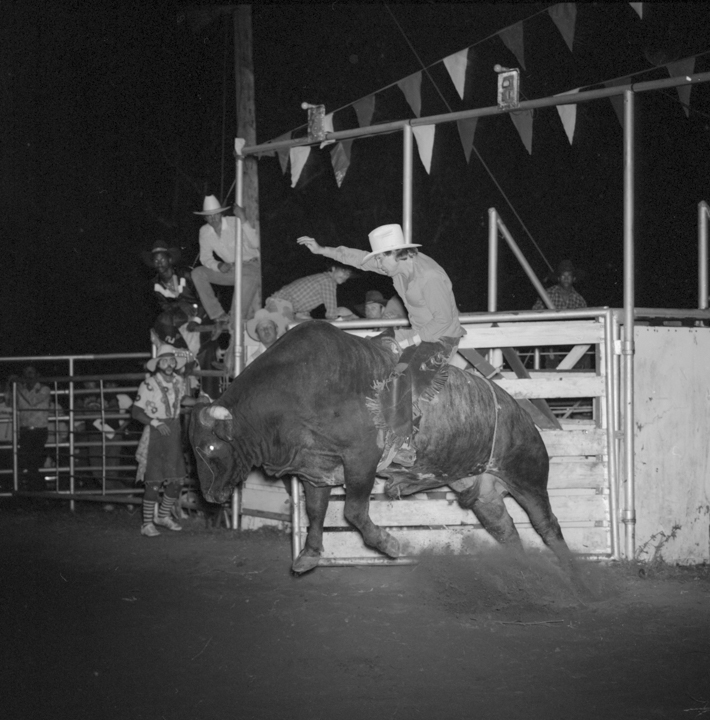
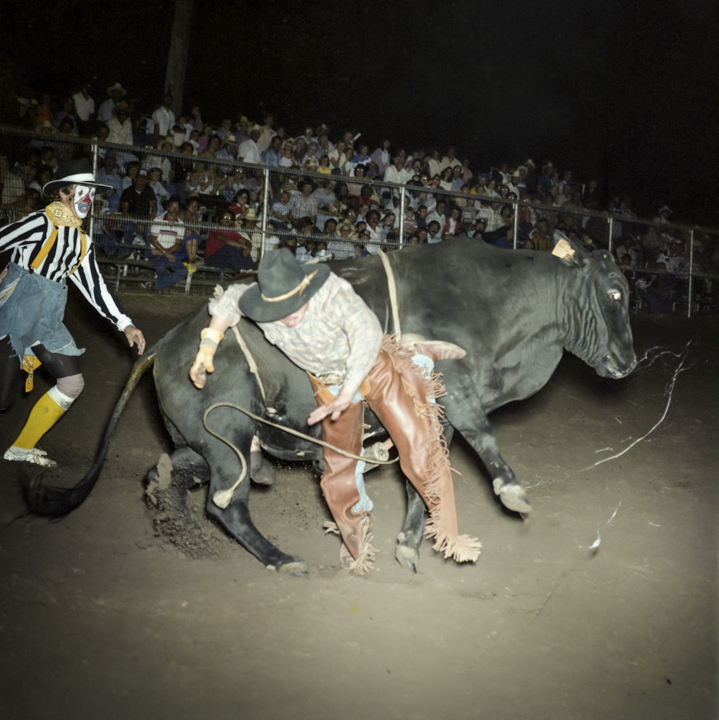
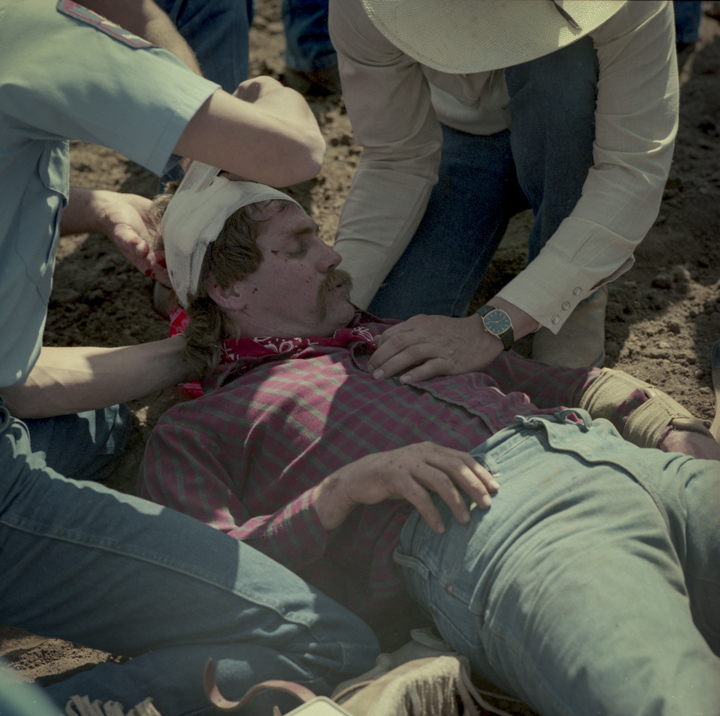
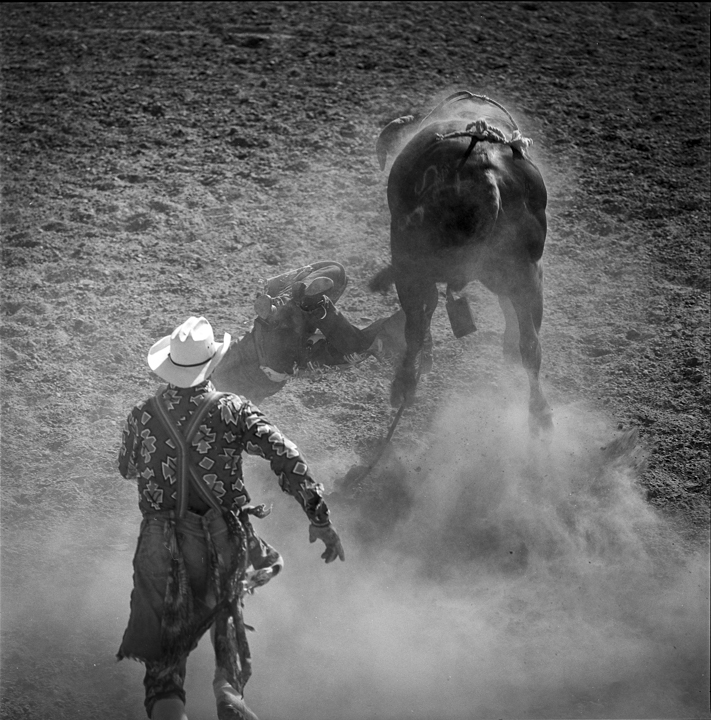
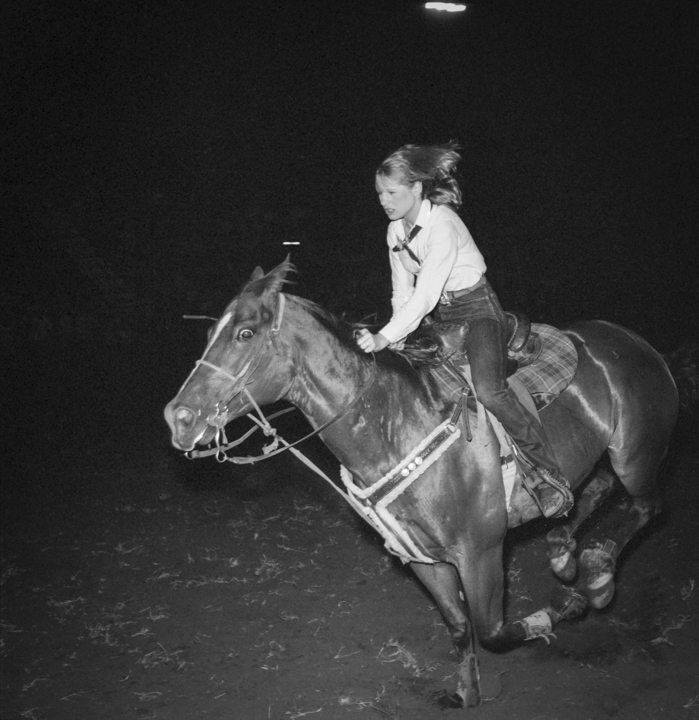
What makes these images irreplaceable is also bound up in a radical economy of means. His fully manual Hasselblad 500C, his Zeiss Sonnar lenses, his Kodak Ektacolor 120 film — twelve exposures per roll. “When film, chemicals, and printing paper all cost money, every frame mattered,” he said. That constraint demanded slowness, a threshold presence. “Photography is about paying attention and reacting at exactly the right moment” — a lesson inherited from his two great teachers at the University of Texas: Russell Lee and Garry Winogrand.
The two could hardly have been more different. Lee, the kind and soft-spoken gentleman, taught him to “make” pictures — to collaborate with the subject, to structure reality. Winogrand, the fast-talking New Yorker who prowled the streets snapping pictures with almost no interaction, taught him to “take” them. “Watching him photograph was almost like watching a ritual dance,” Dyer said. “The photographer constantly moving, looking this way and that, switching his Leica in his hand. Then in a flash the camera goes to his eye, the picture is made, and he moves away.” In the end, as the artist put it, “a photographer’s method becomes a synthesis of everything he has learned, shaped by his own personality.”
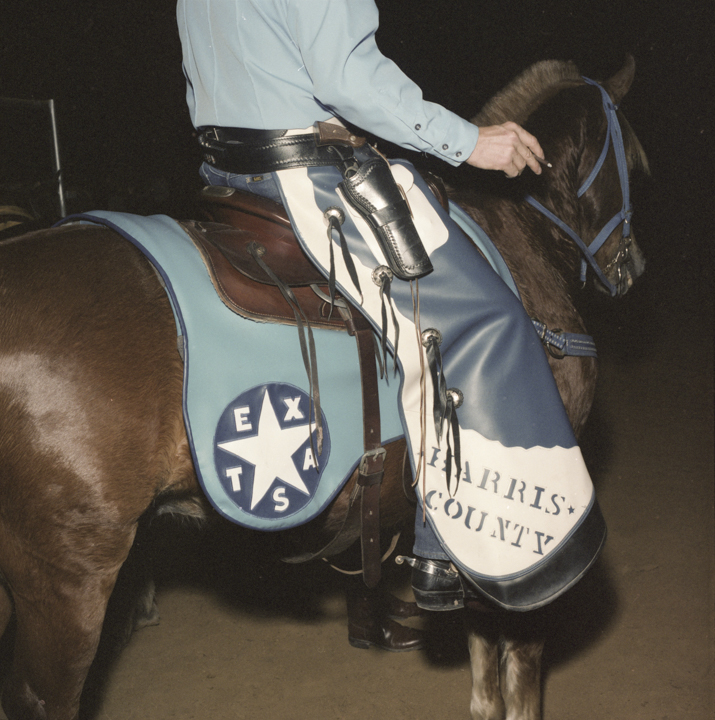
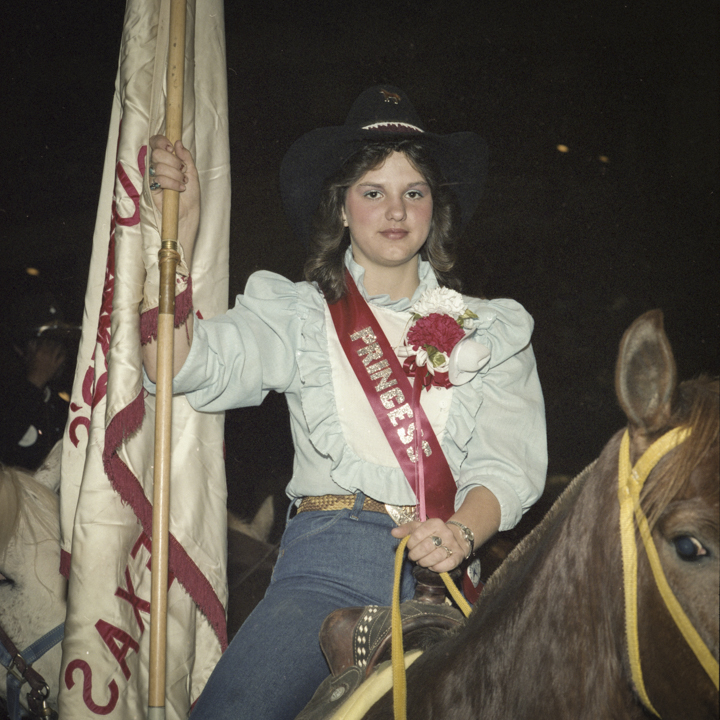
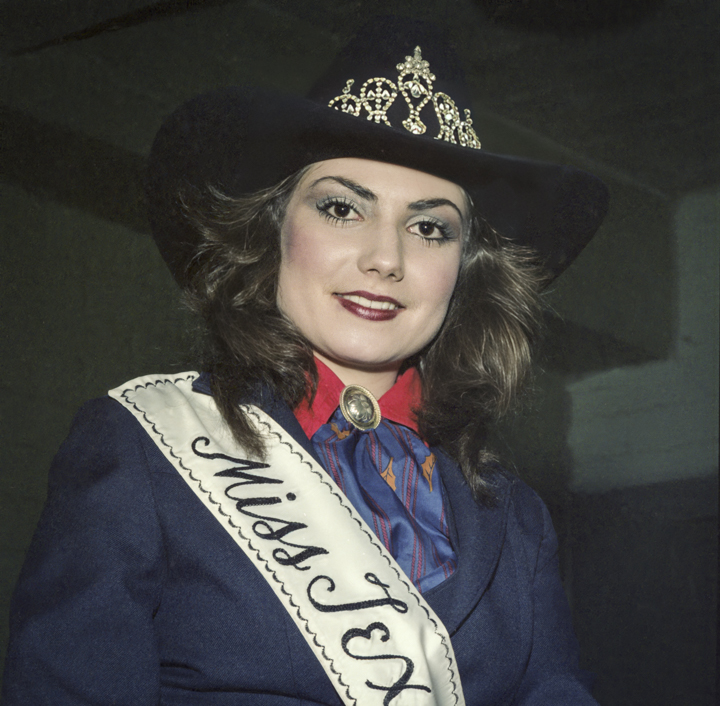
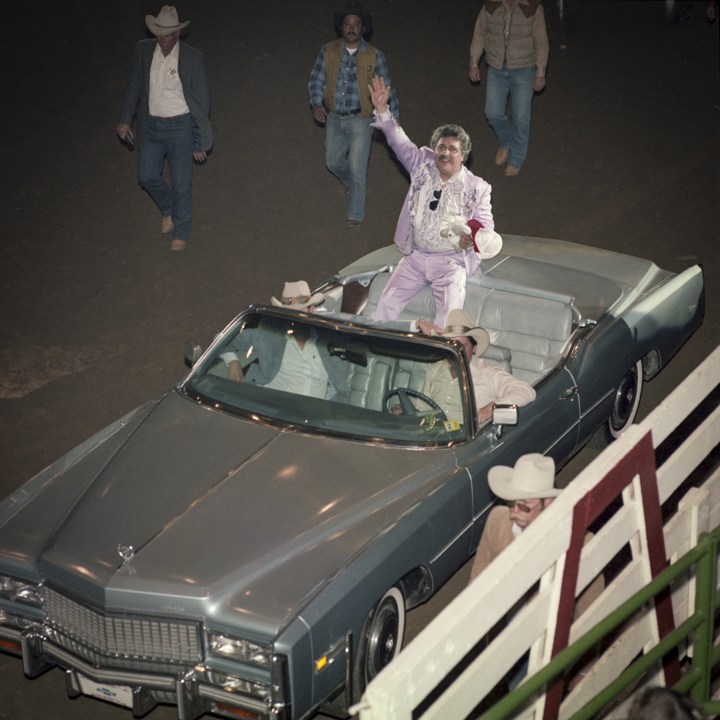
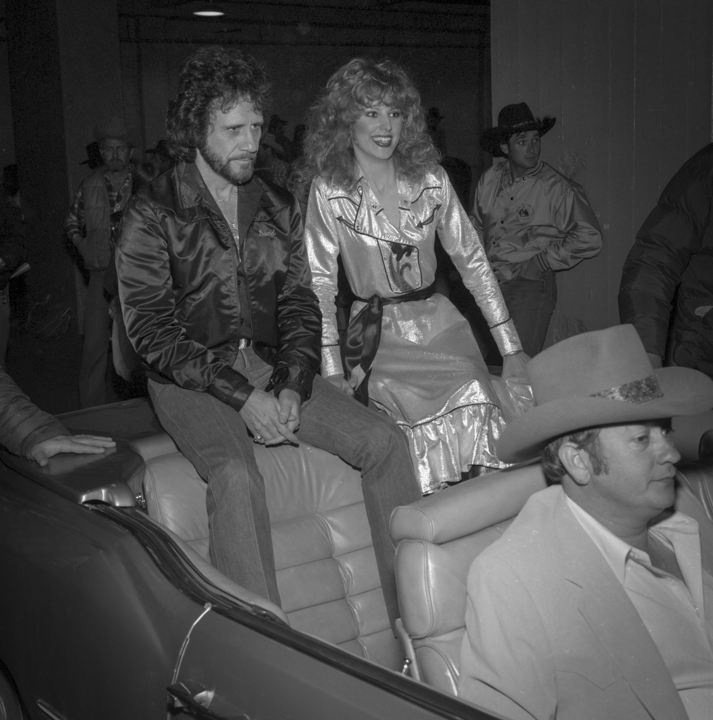
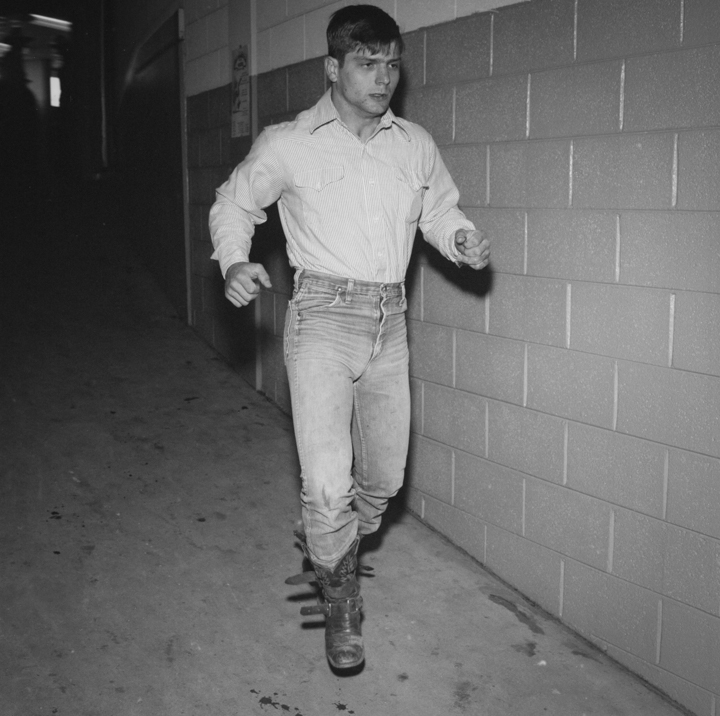
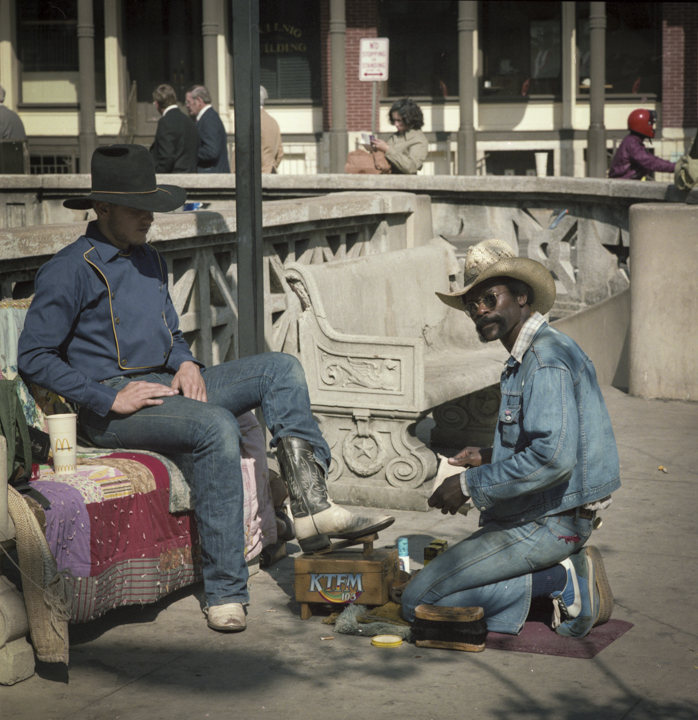
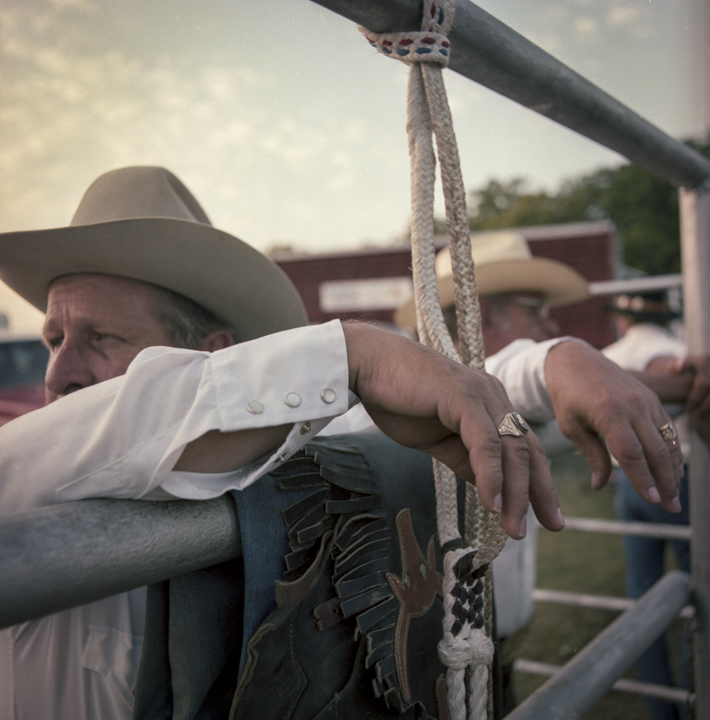
Forty years later, in 2023, John Dyer returned to Augusta with a digital camera. Some things had changed. “The athletes are incredibly skilled now. Rough edges have been rounded off. There’s less spontaneity than I remembered.” Gone was the bulge of snuff in a cheek, the pack of Marlboros in a shirt pocket, the big gnarly hands that came from a lifetime of hard ranch work. The digital camera, for its part, “coos in your ear: ‘Don’t worry. Just point me in the right direction and I’ll take care of the rest.'” Rodeo 1983 is precisely the opposite of that — a series made by hand, frame by frame, in the dust of the old West’s arenas. “If you pay close enough attention,” Dyer said, “ordinary life reveals extraordinary moments.”
More information on John Dyer on his website.