On the night of January 26, images began to disappear. They vanished from social networks as quickly as they had surfaced: shaky videos of women cutting their hair in the street, faces illuminated by mobile phones, bodies running through narrow alleys, crowds dissolving into smoke and darkness. In Iran, during the Women, Life, Freedom uprising that followed the death of Mahsa Amini on September 16, 2022, visibility itself became fragile. What could be seen in the morning was often gone by nightfall.
From that moment of erasure, Iranian photographer Dara Masofi began building his project untitled “26/01.” Not as a chronicle of events. Not as a documentary project meant to preserve facts. But as a visual response to disappearance itself — to the way history is edited, censored and gradually flattened into official silence, while Iranians are still fighting for their freedom and against a repression that has claimed more than 30,000 lives in 2026. Masofi defines his position clearly: “The project reflects on the civil uprising in Iran from the perspective of a witness. It poses a fundamental question: how can history remember events that have been deliberately suppressed, manipulated, or censored?”
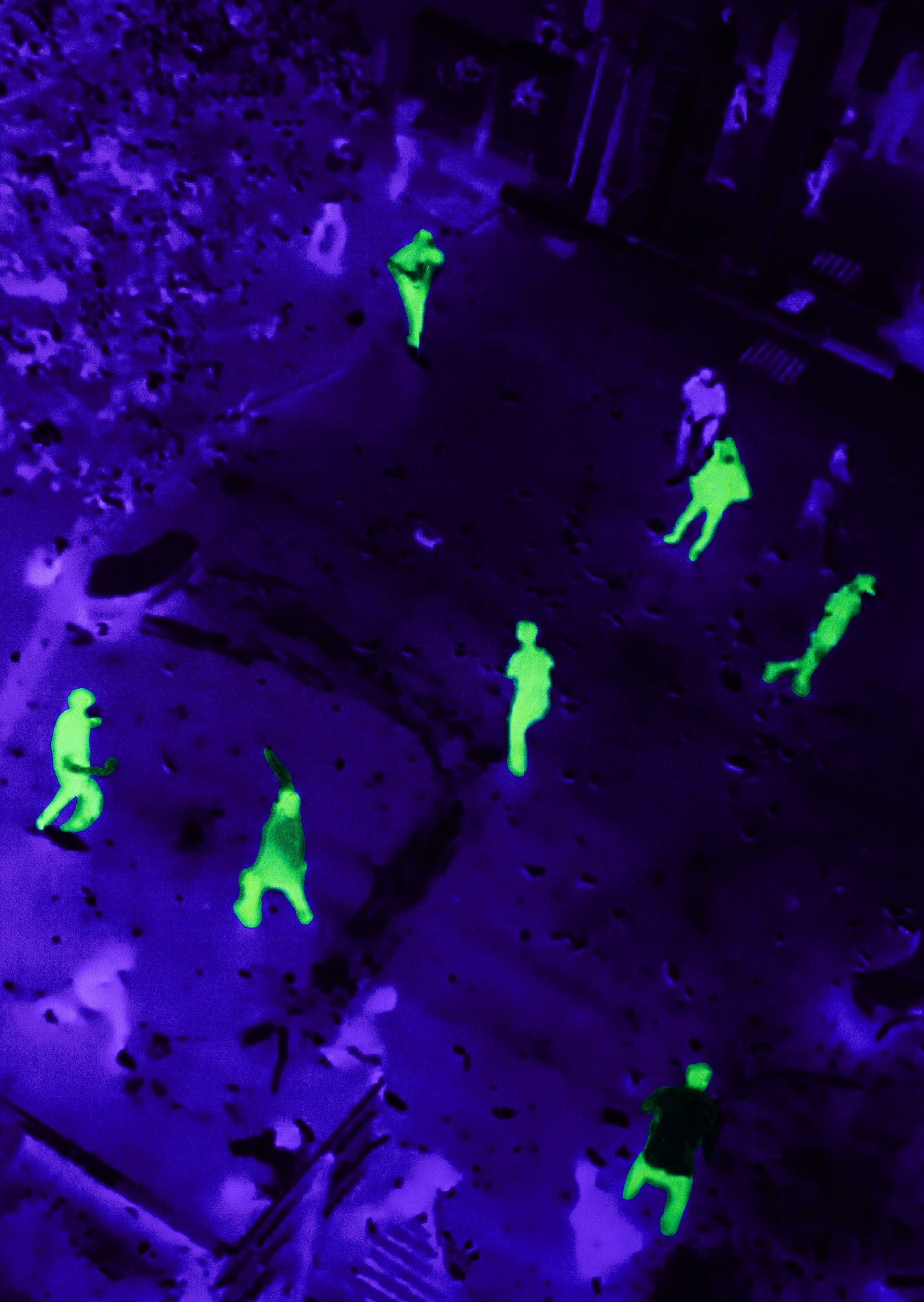
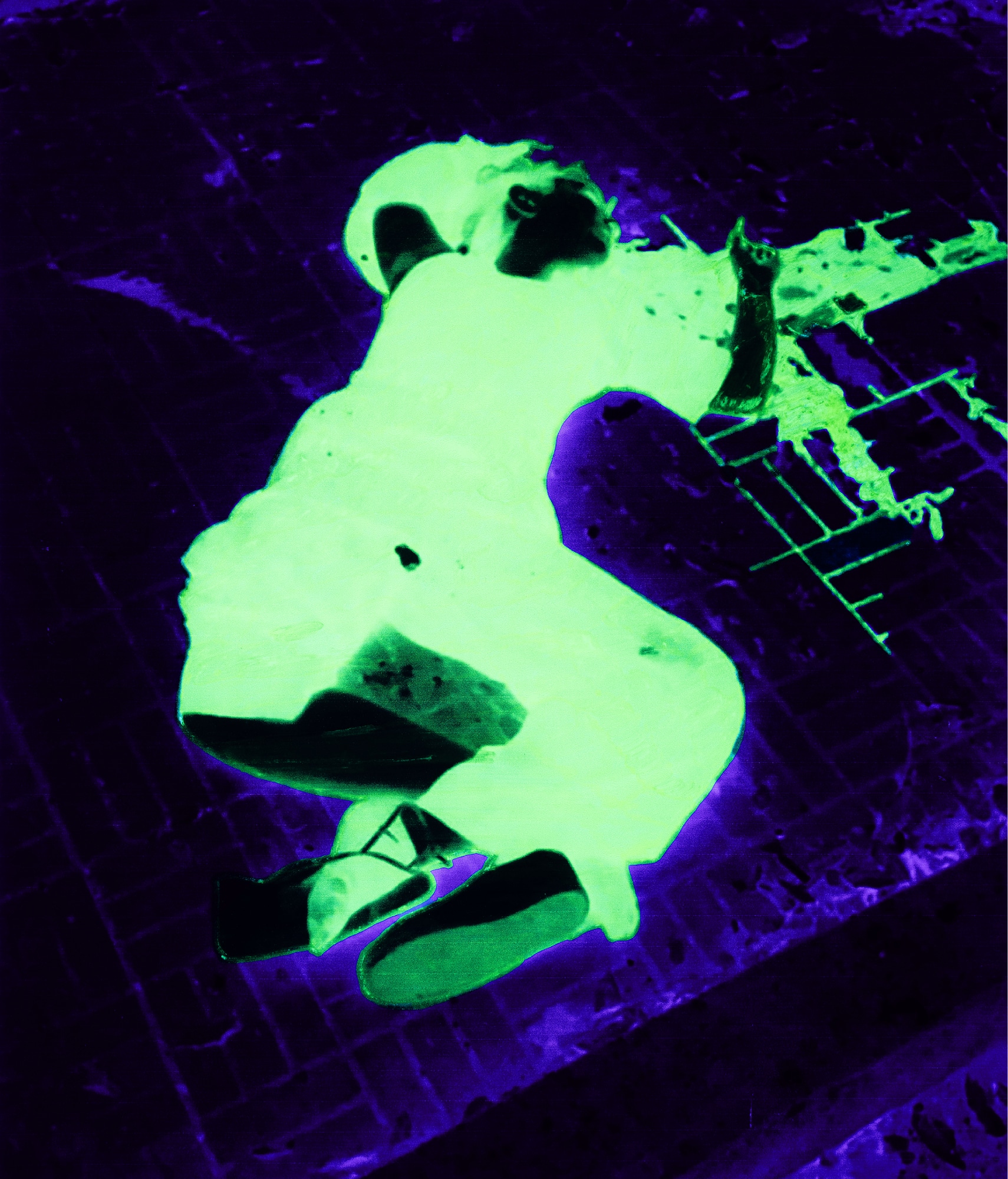
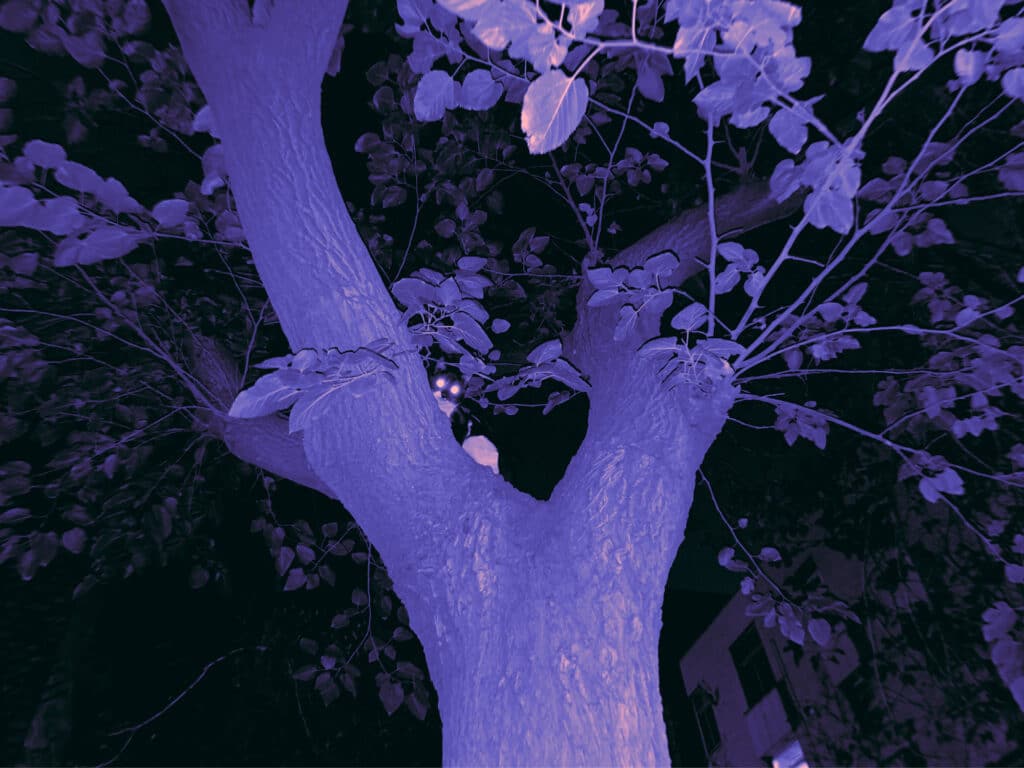
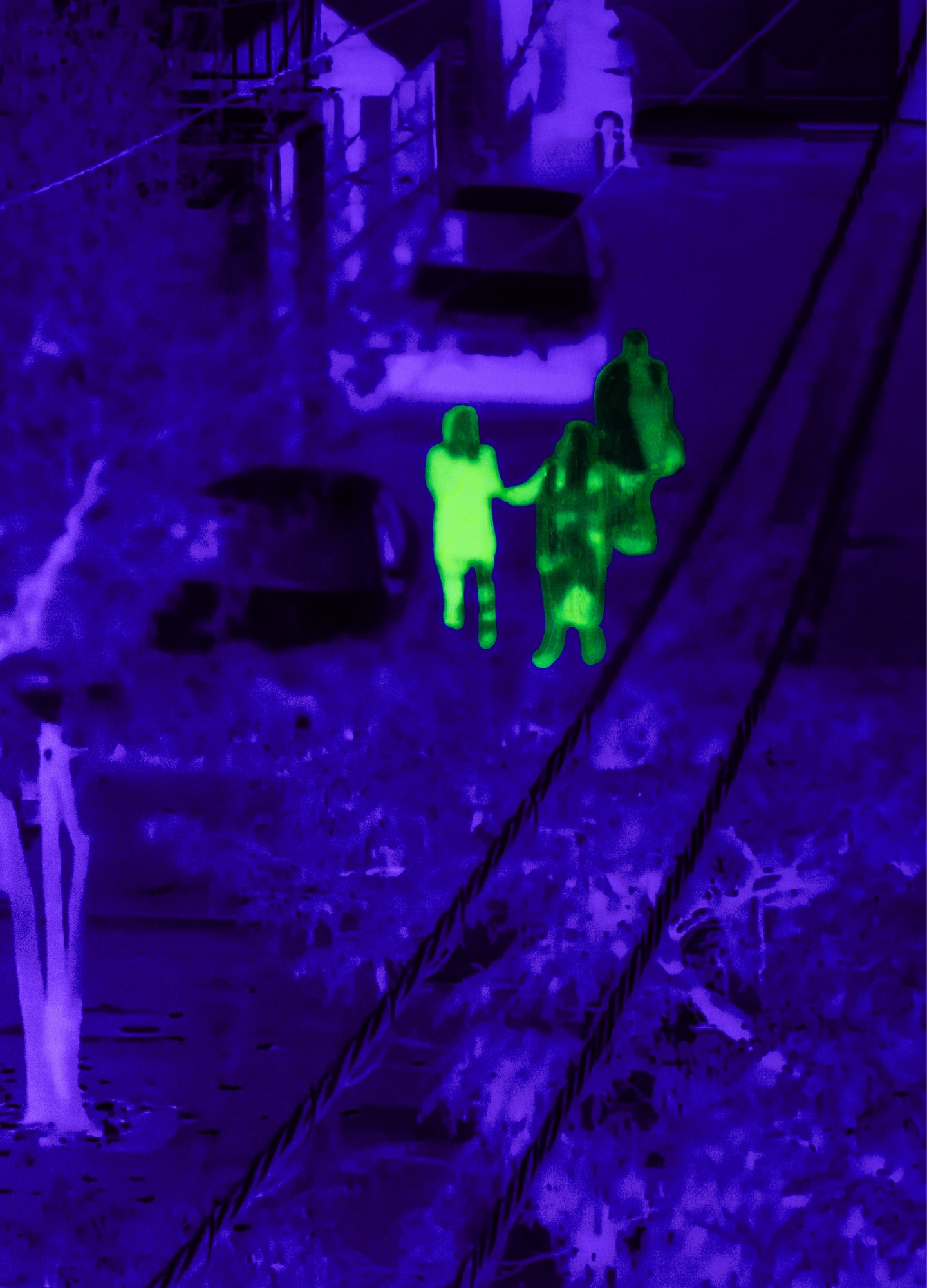
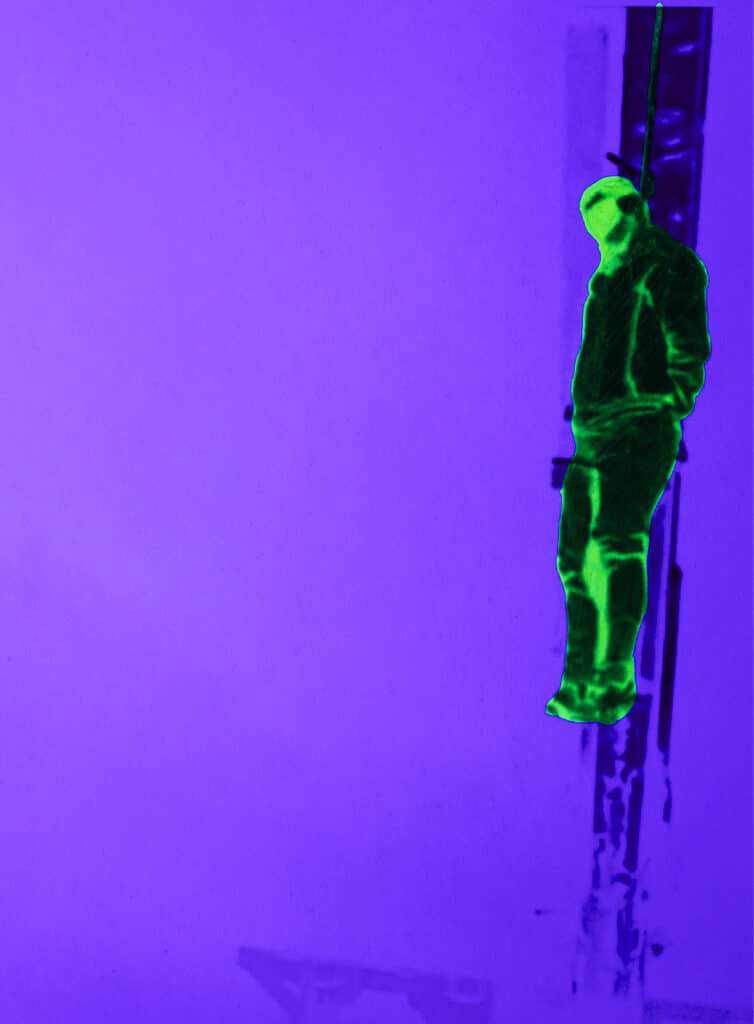
The series unfolds as a slow, uneasy walk through that question. At first glance, the images appear immersed in dense darkness, cut through by fluorescent silhouettes and acidic flashes of green and violet. Human figures hover inside the frame like unstable traces. A face floats without features. A body glows but refuses to become fully present. Streets stretch into empty, nocturnal spaces. The city seems intact, yet hollowed out.
These photographs do not originate from a single camera. Their starting point lies elsewhere — in the scattered debris of online images posted during the protests and progressively buried or erased. Dara Masofi explains that the first layer of each work comes from pictures shared on the internet at the height of the demonstrations, images that later disappeared from circulation. “In most works, images recovered from the depths of the internet are displayed — pictures originally shared during the protests but gradually buried or deliberately erased,” he says.
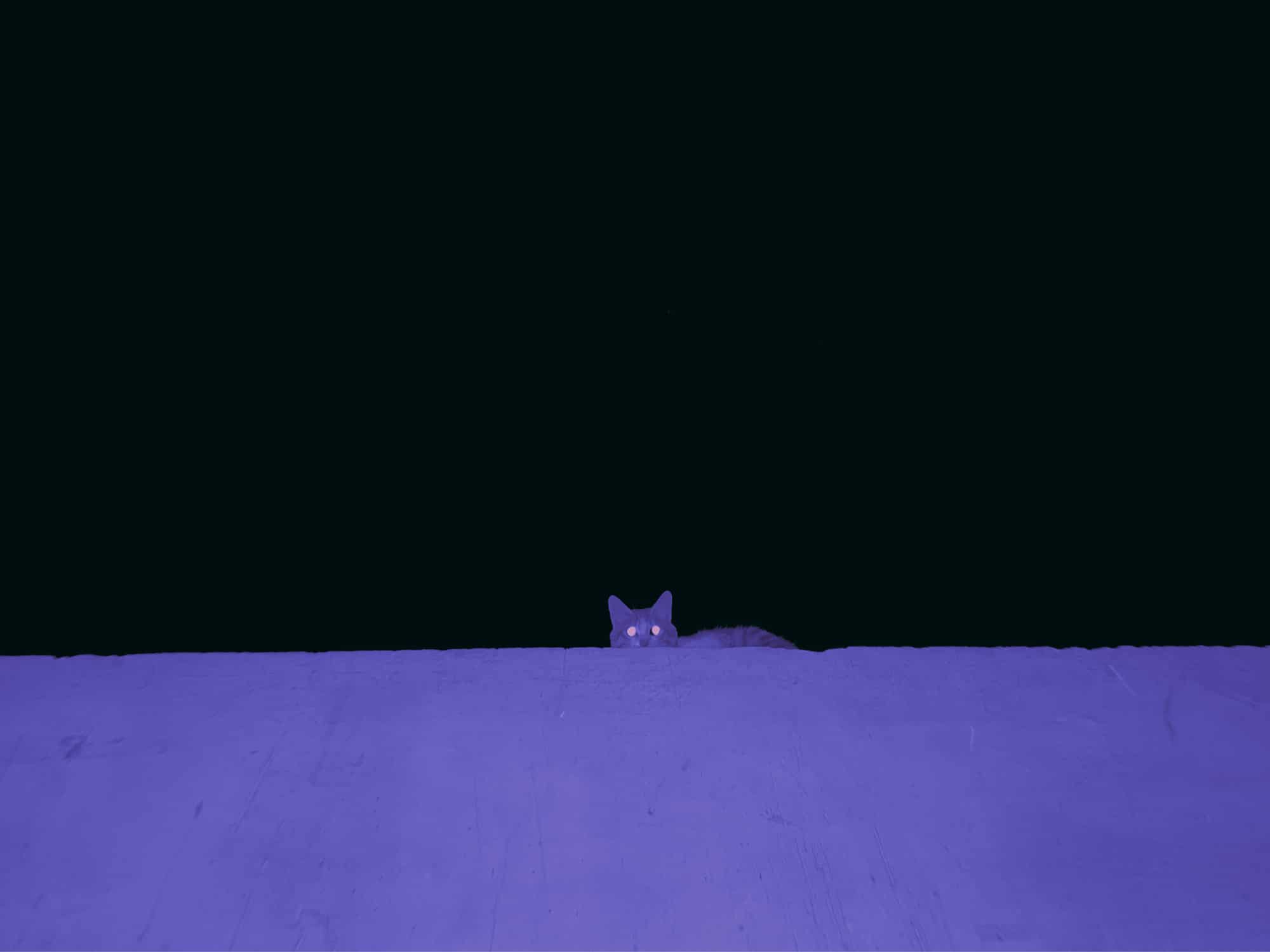
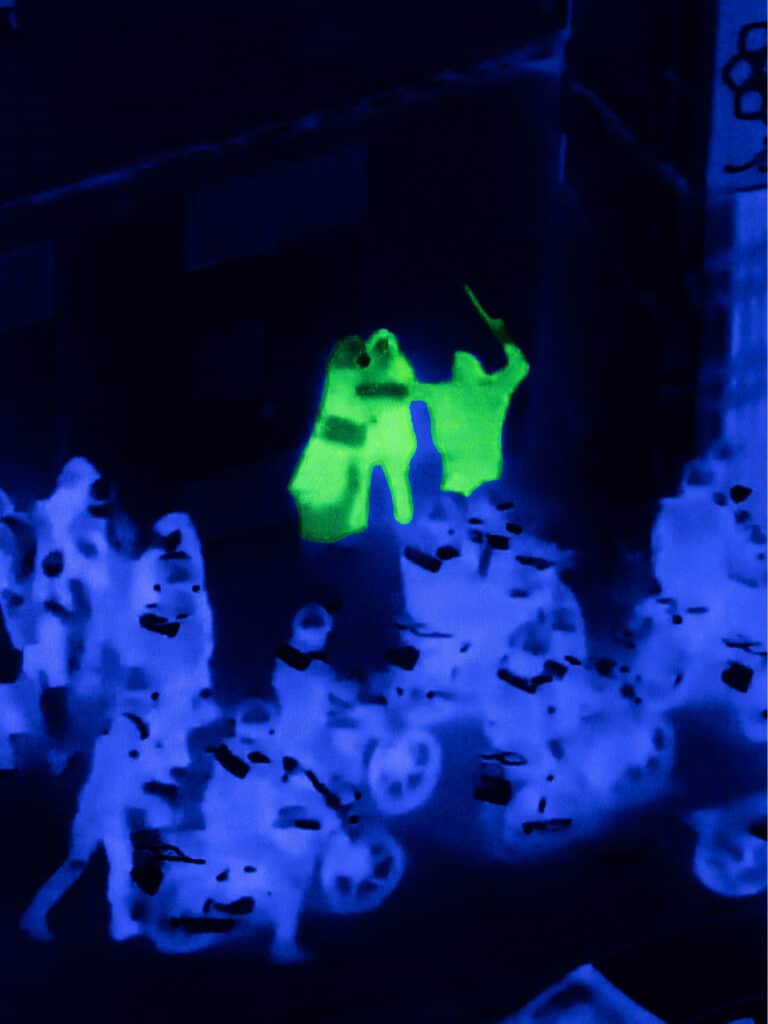
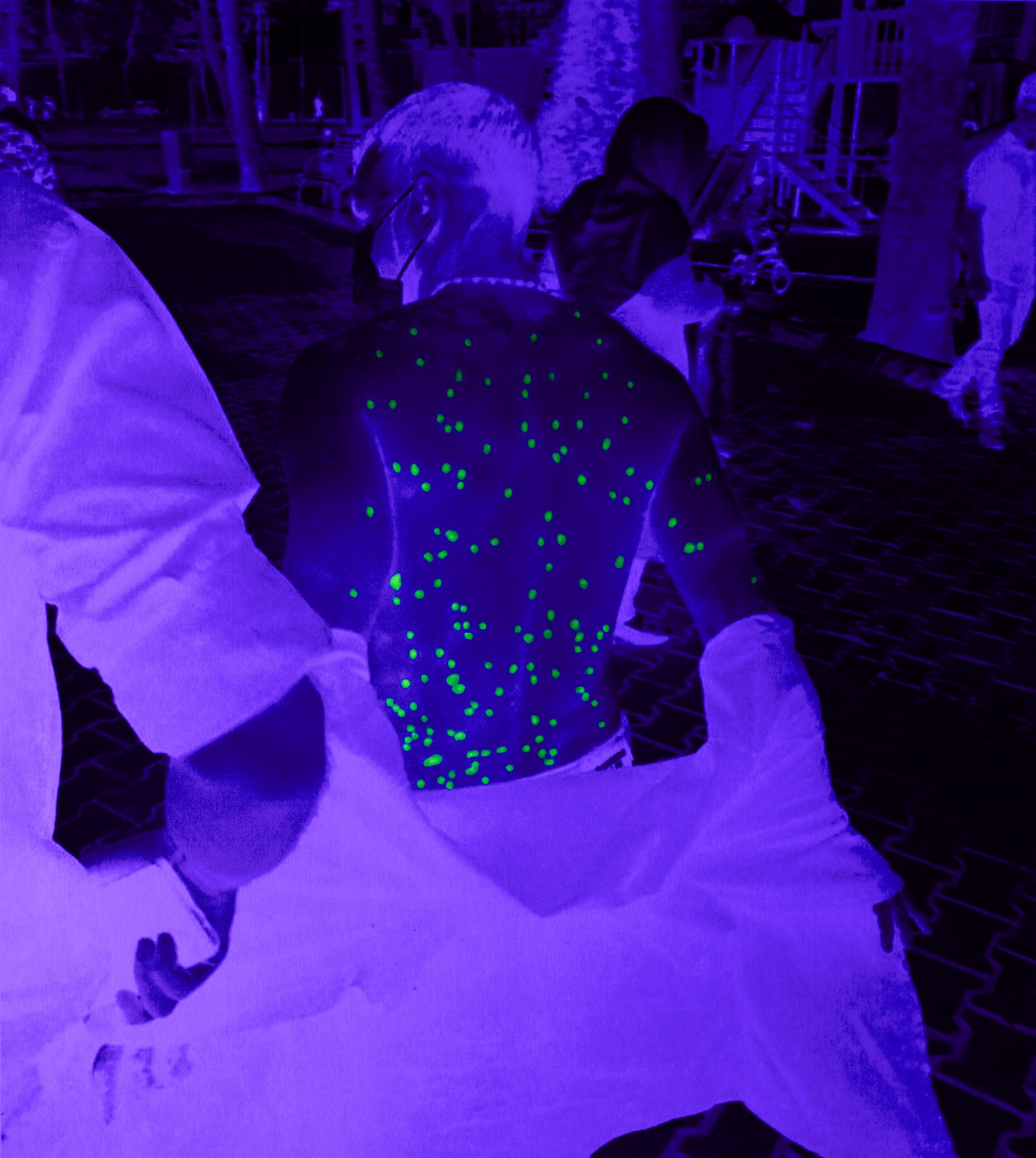
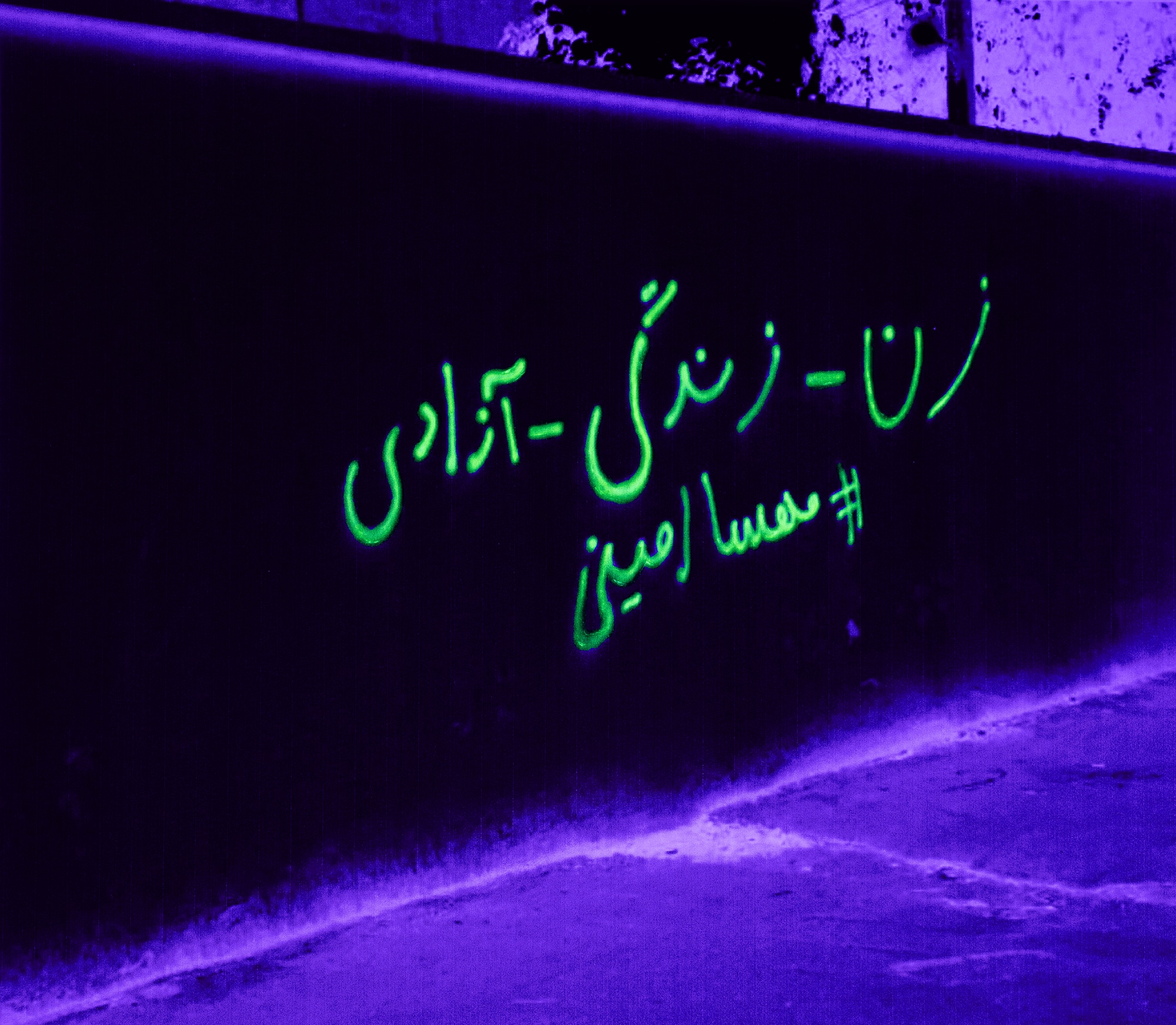
These fragments are then physically reworked. Ultraviolet light and UV-reactive ink are applied to the surface of the images, activating only certain zones, certain gestures, and certain bodies. “These images are reanimated using ultraviolet light and UV-reactive ink, uncovering hidden truths that only become visible when the perspective shifts.” The technique is never neutral. It turns the photograph into an unstable object, dependent on light, angle and distance. What can be seen in one moment may vanish in the next. The image behaves exactly like the digital traces from which it originates.
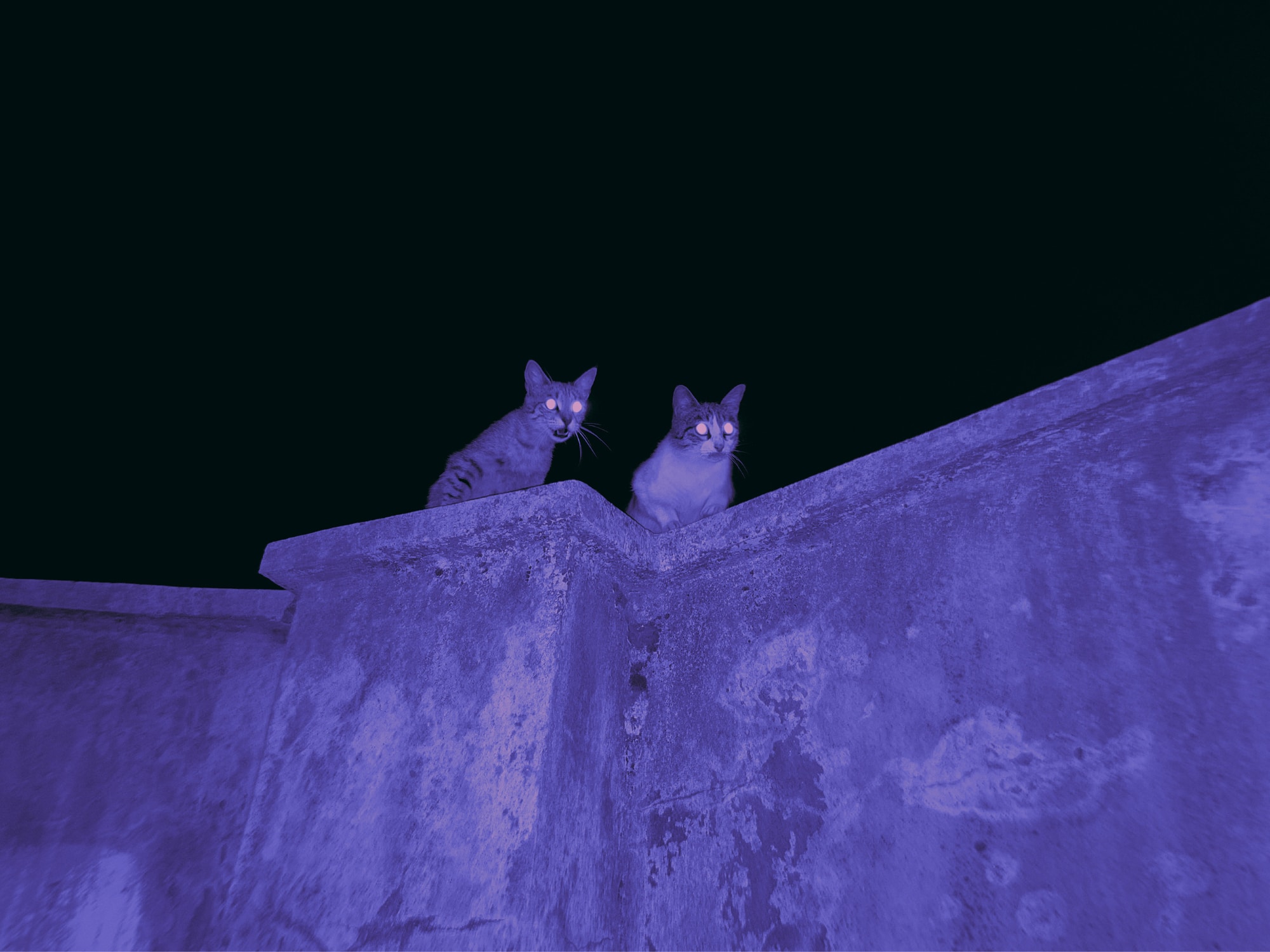
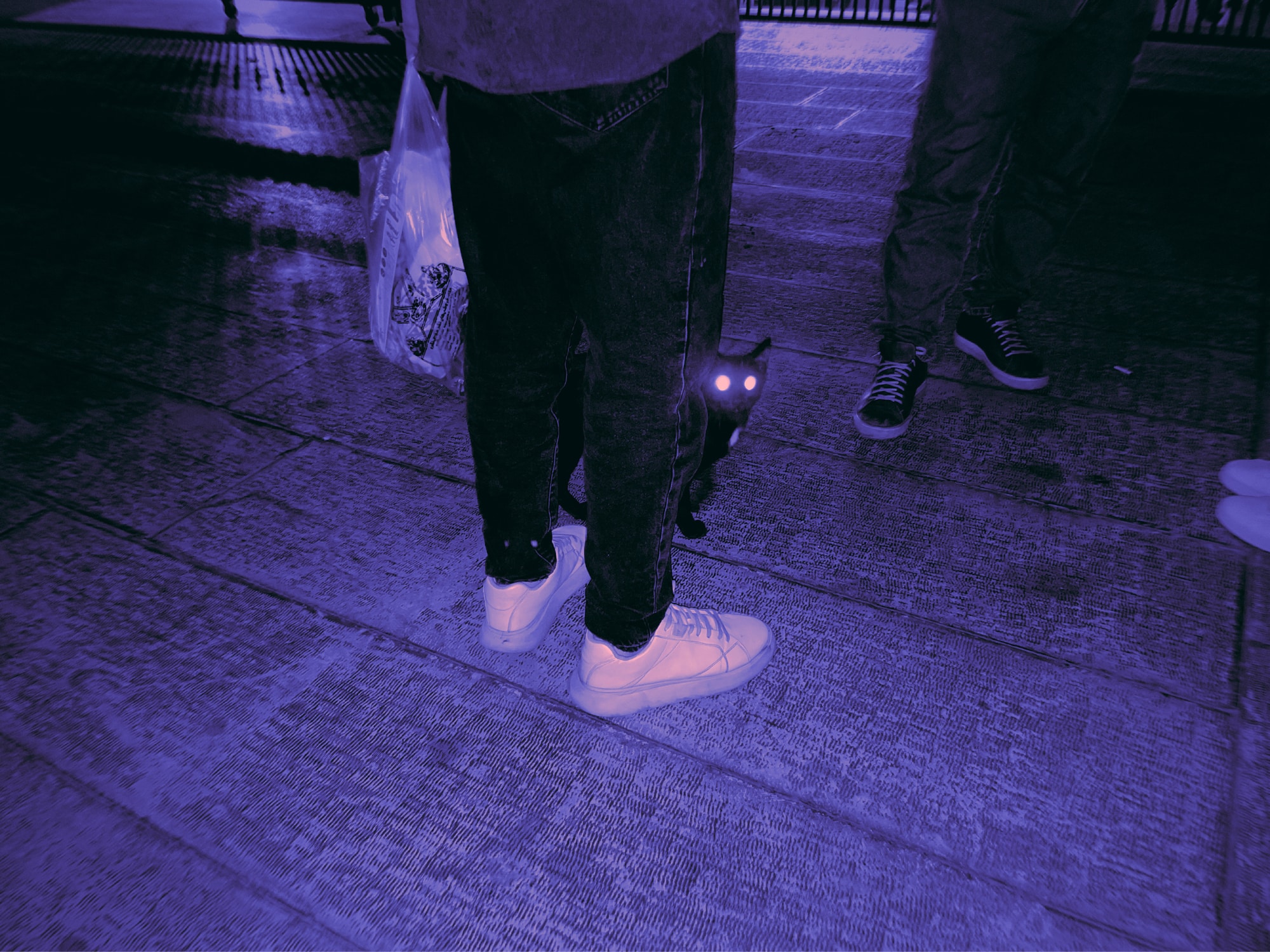
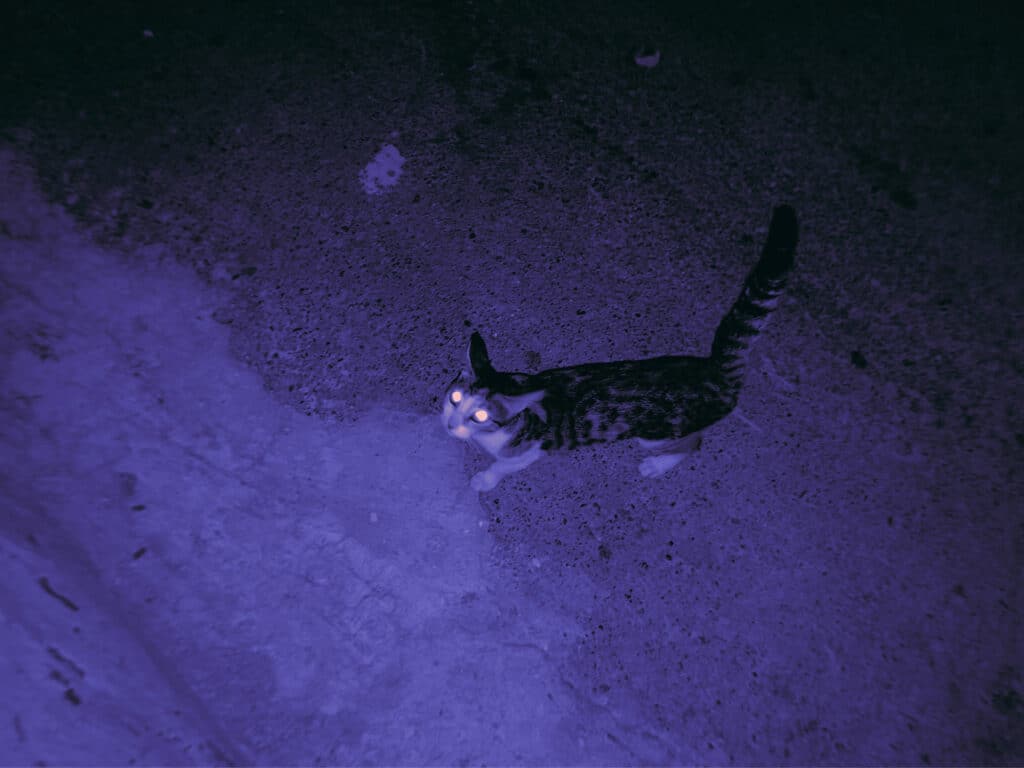
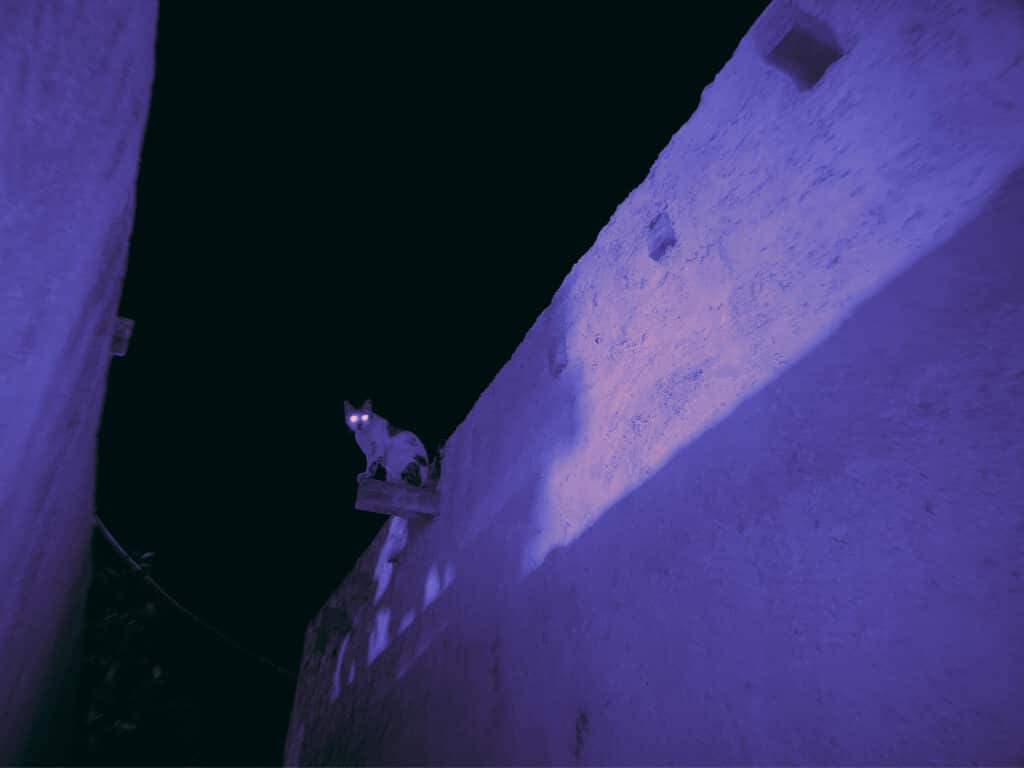
The series is mostly composed of diptychs, with a second image quietly entering the frame. A cat stands still in a deserted street. Another slips between shadows at the edge of a building. Sometimes only its back is visible. Sometimes its eyes catch the light. These animals do not appear as metaphors. They occupy the same visual space as the erased protesters, echoing their positions, their movements, their absences. Masofi describes this second layer as a parallel memory: “The second layer, documentary photographs of cats carefully composed to echo the elements and positions of the first layer, inspired by a living, independent memory that silently records truths of events never documented by official cameras.”
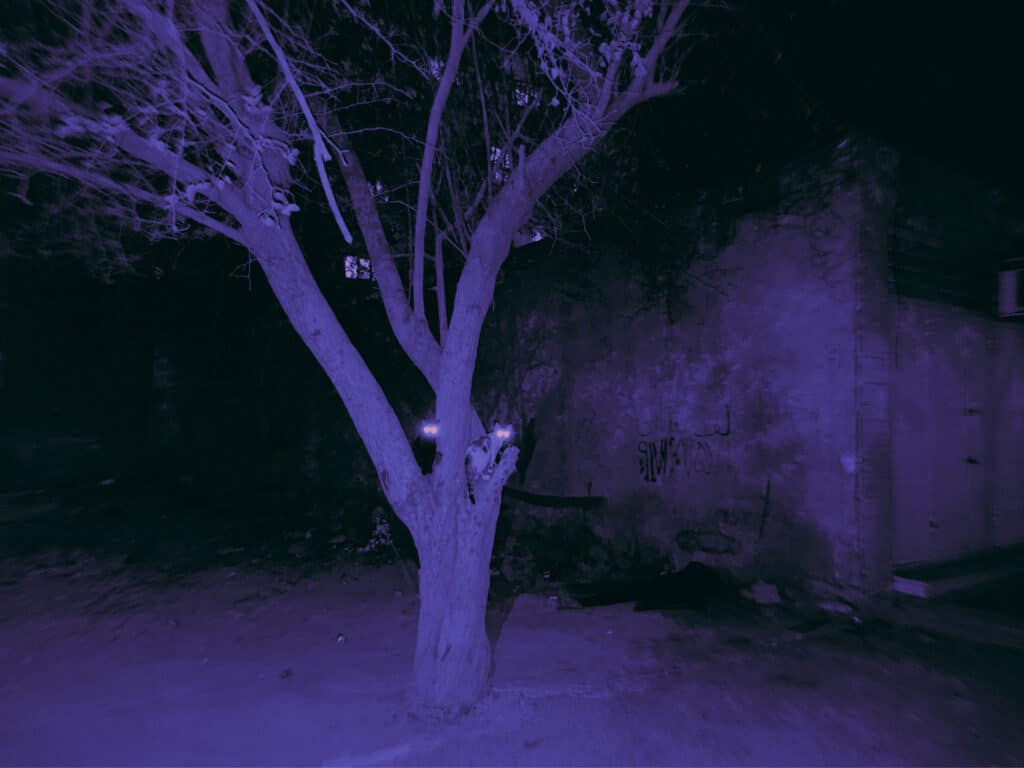
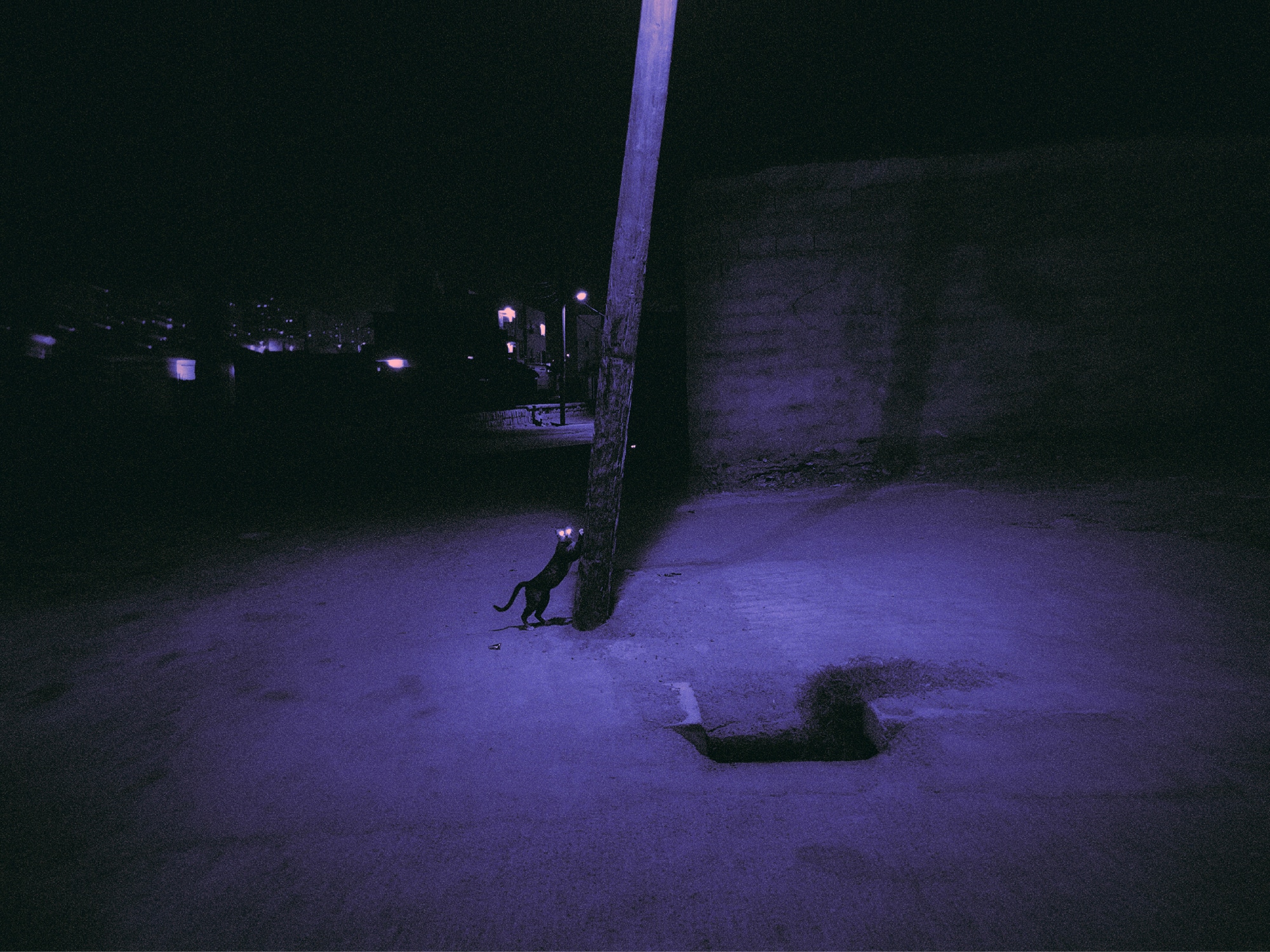
In a country where public documentation is controlled and surveillance is omnipresent, the figure of the witness becomes problematic. Cameras are confiscated. Images are filtered. Archives are rewritten. In response, the artist introduces another kind of gaze — discreet, persistent, beyond authority. “This layer questions the manipulated and censored narratives presented by those in power,” he explains. “In the absence of official cameras, these images emphasize the presence of witnesses who have recorded atrocities in their own memory throughout history.”
The cats move freely through emptied spaces. They cross thresholds long after crowds have dispersed. They linger in stairwells and under streetlights. Their presence is minor, almost insignificant. Yet it is precisely their indifference to spectacle that allows them to remain. “For me, the cats carry both a cultural and personal reference. When people think of Iran, a few iconic things come to mind—such as Persian rugs and Persian cats. Another reason is that when you look at the map of Iran on the globe, the country itself resembles a cat.”
In several works, only one image survives. “In some works, the diptychs are intentionally left incomplete: only one layer remains,” Dara Masofi says. “This incompleteness invites the audience to reconstruct the absent layer through their own memory — an event, or an atrocity that resurfaces in their mind, creating a deeply personal engagement with history.”
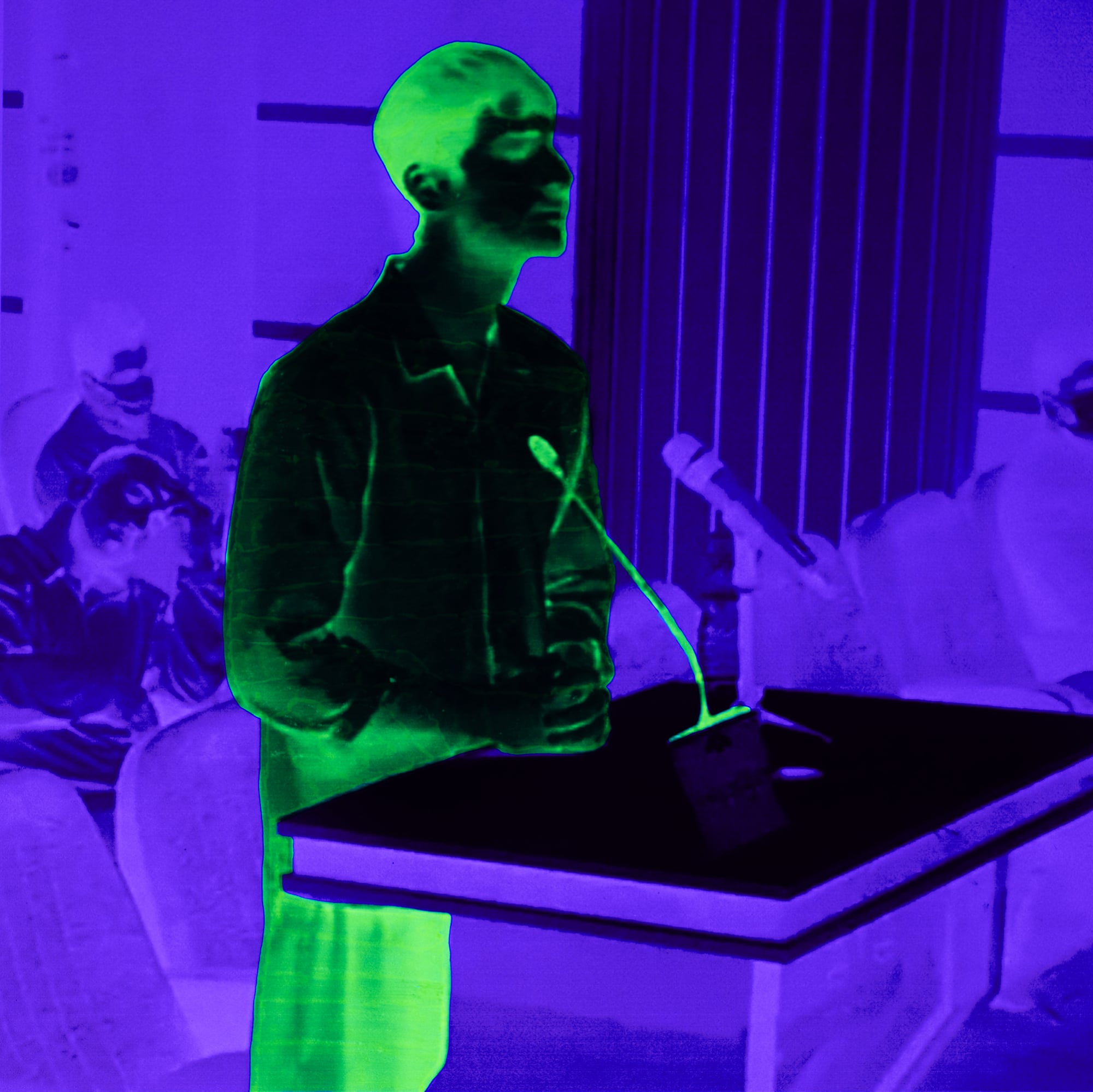
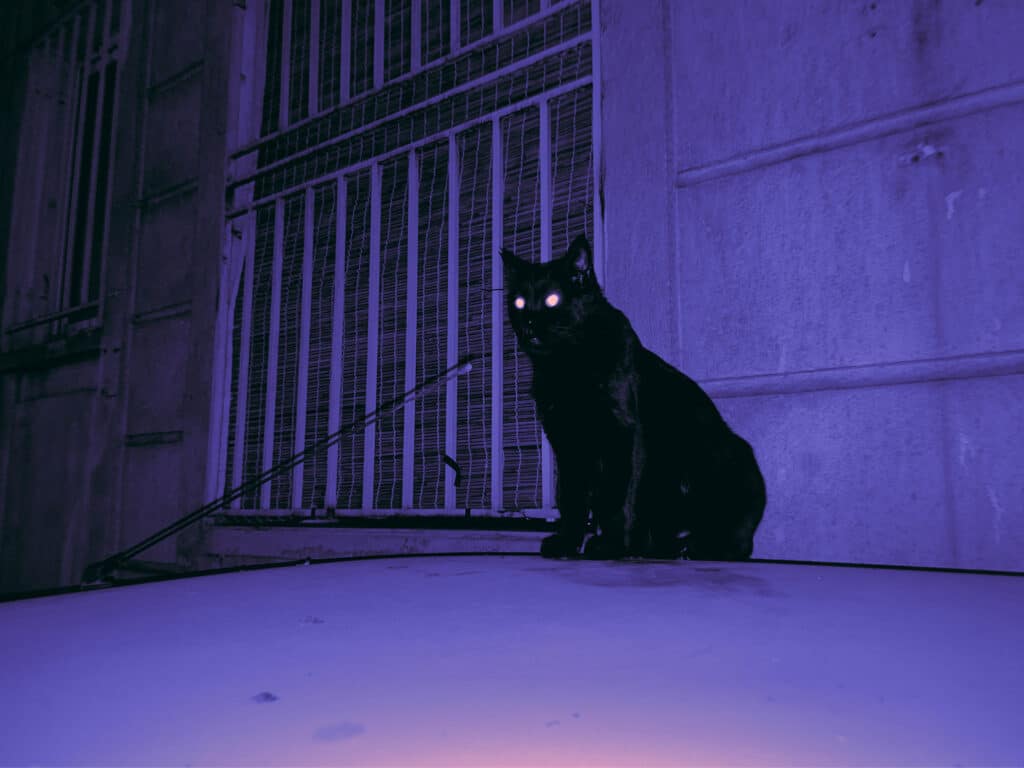
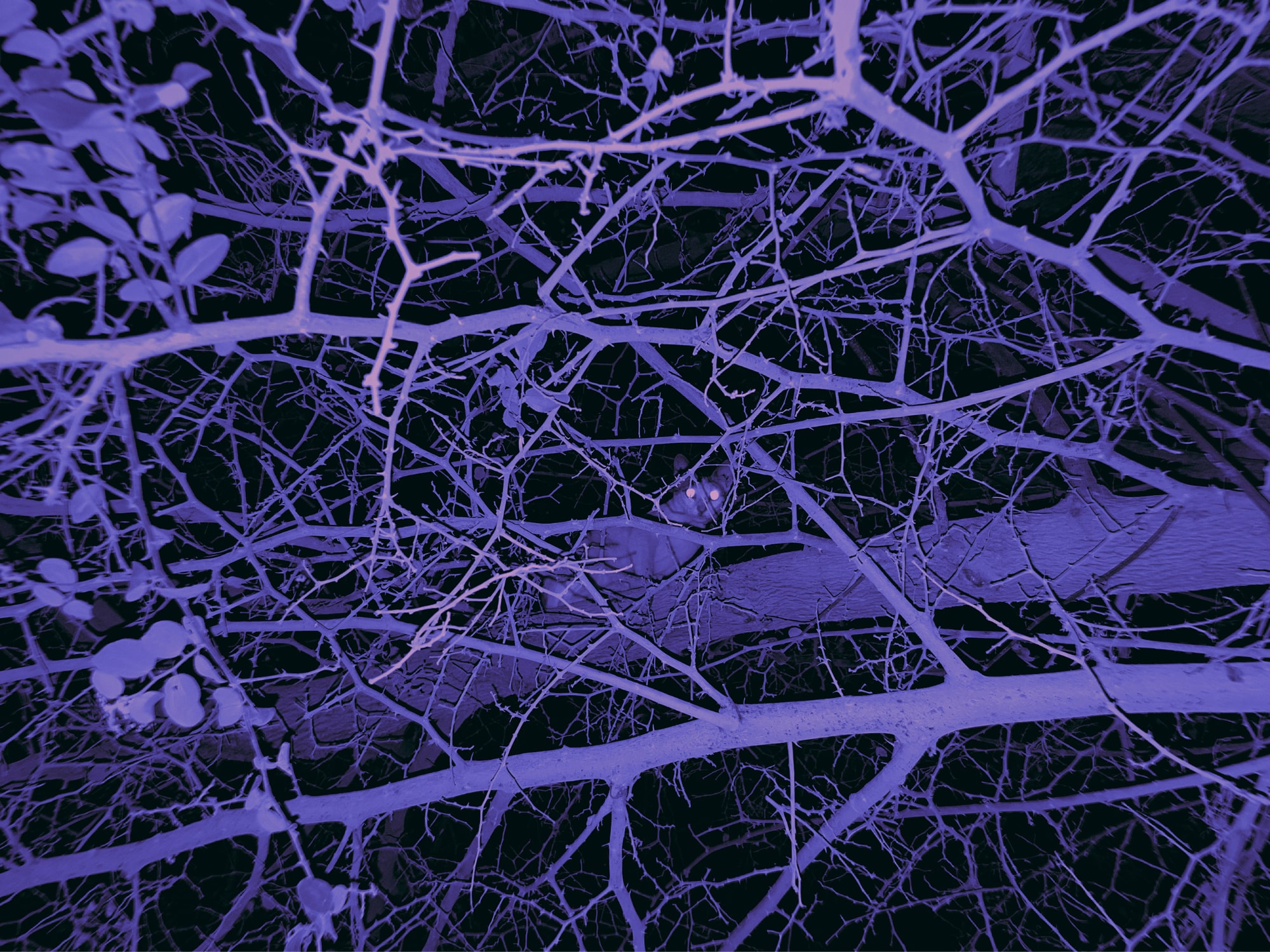
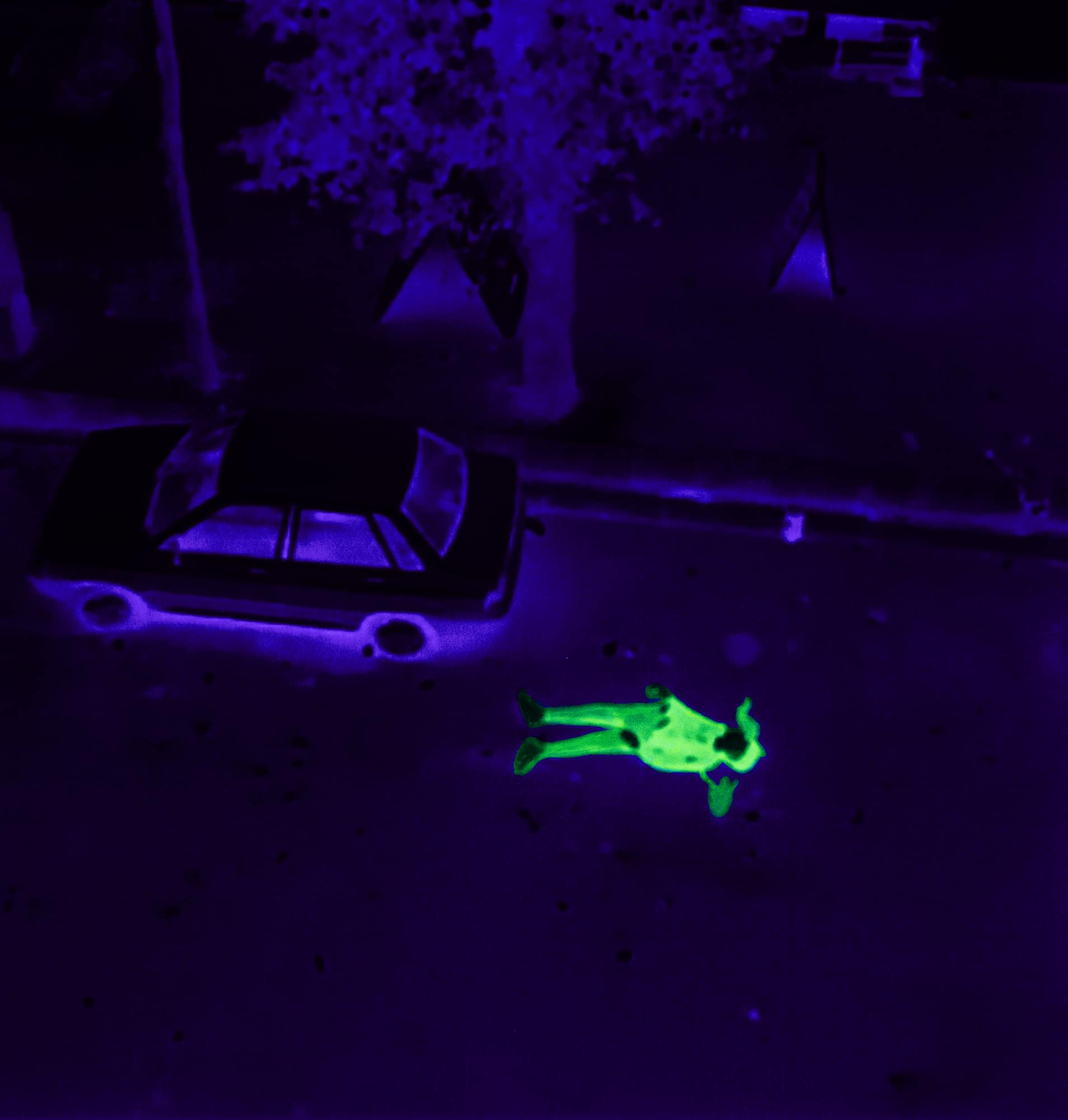
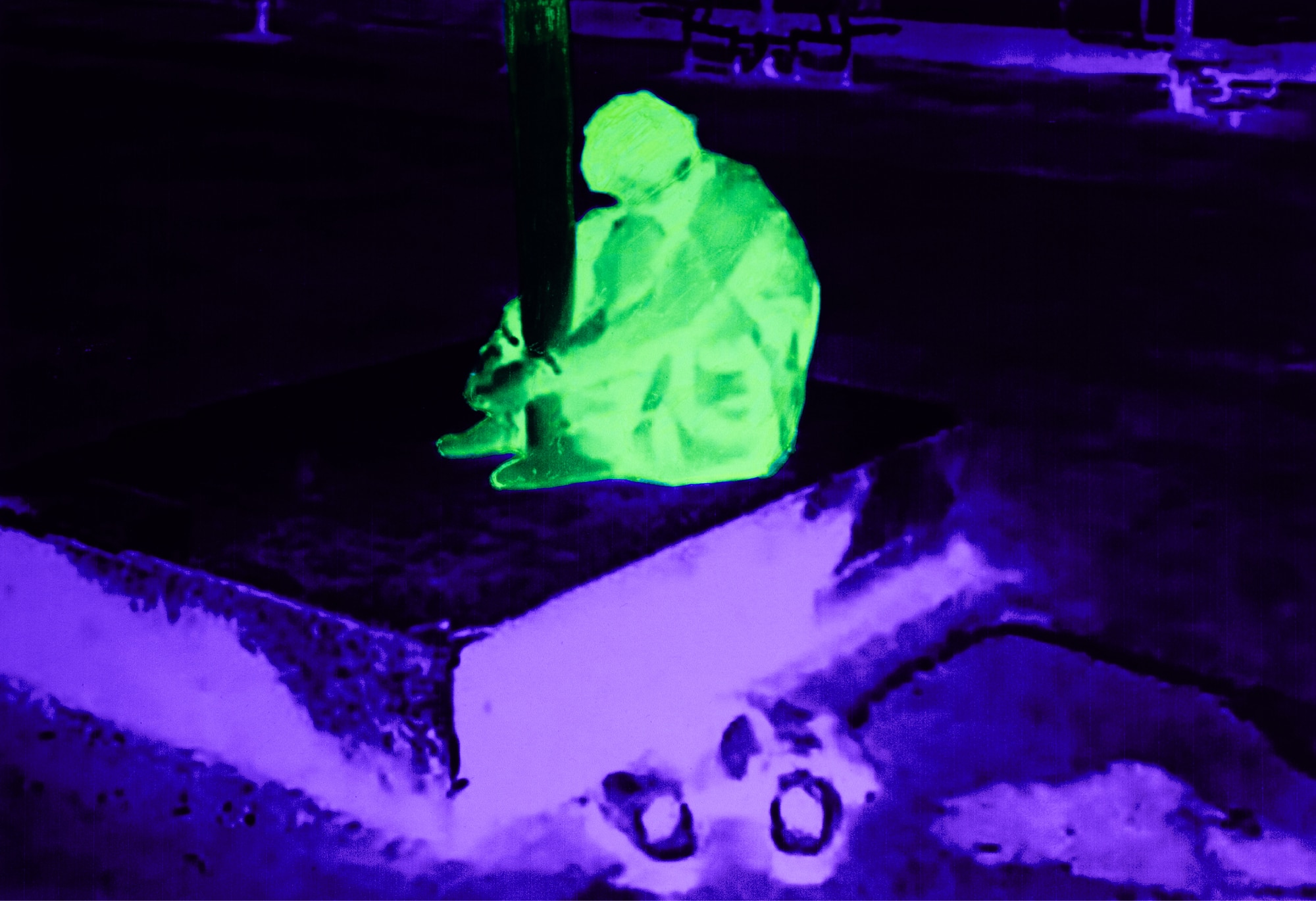
Overall, what cannot be shown becomes the center of the image. A glowing silhouette seems to run through an empty street. A fragment of a body dissolves into colour. A fluorescent stain hovers above a wall, where the human figure should be. The viewer is forced to supply what is missing. The photograph no longer offers proof. It becomes a fragile trigger.
The entire visual structure of “26/01” is built around this instability. Masofi insists that the technical process is inseparable from the political context in which the images circulate. “The technical process — printing the images, applying UV-reactive ink, and re-photographing — is entirely in service of the concept,” he explains. “These elements are not decorative, but an extension of the core idea: hidden truths emerge only when perspective shifts. By using UV light, I wanted to reveal the hidden or suppressed truths through a fresh way of seeing.”
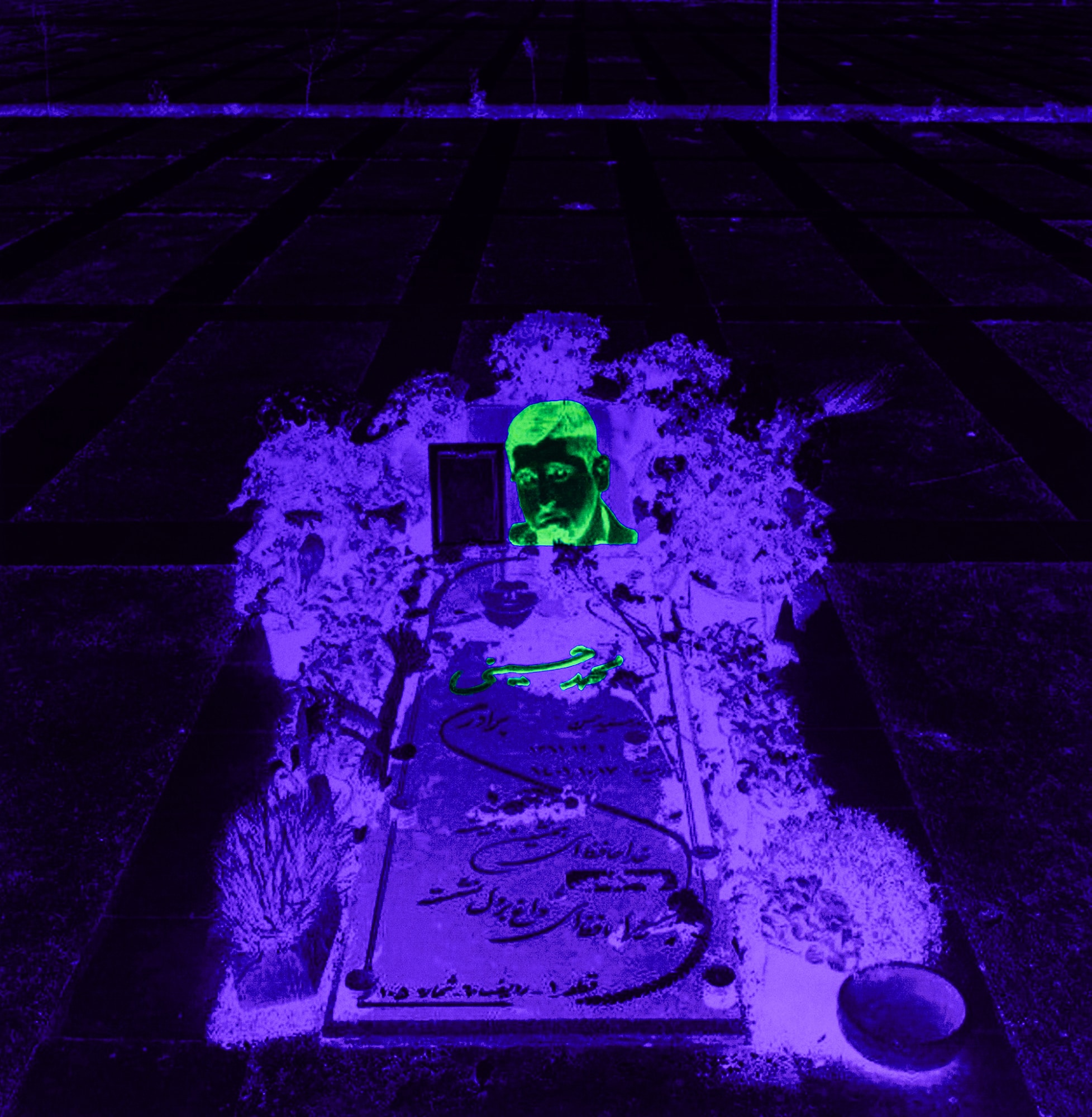
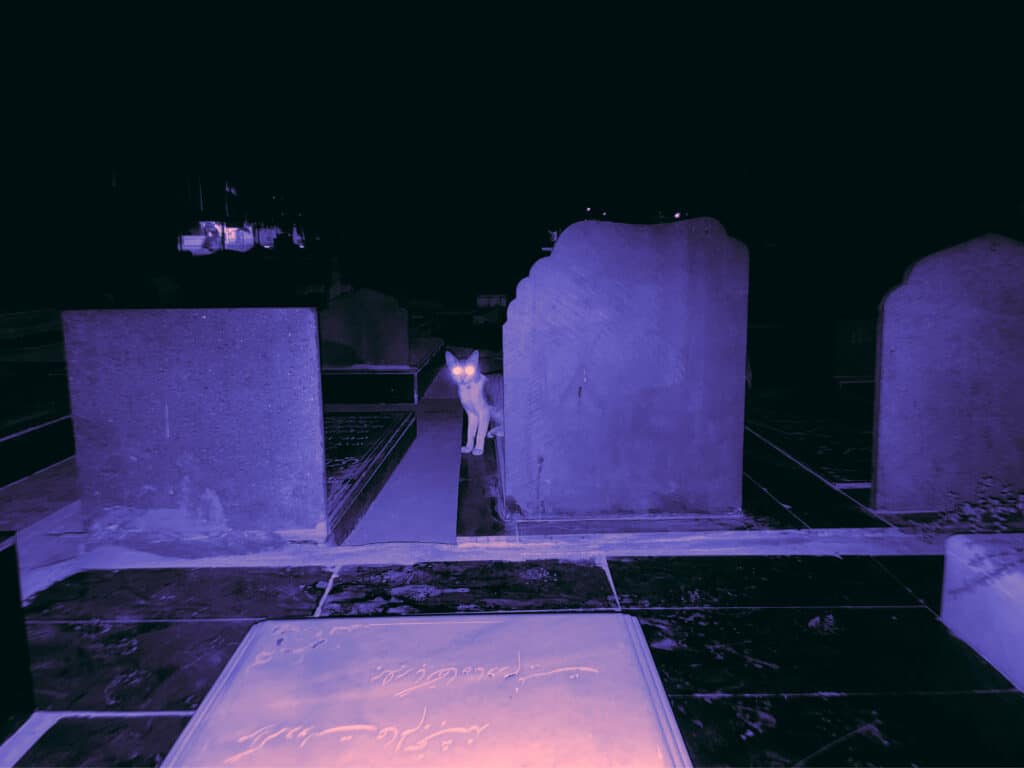
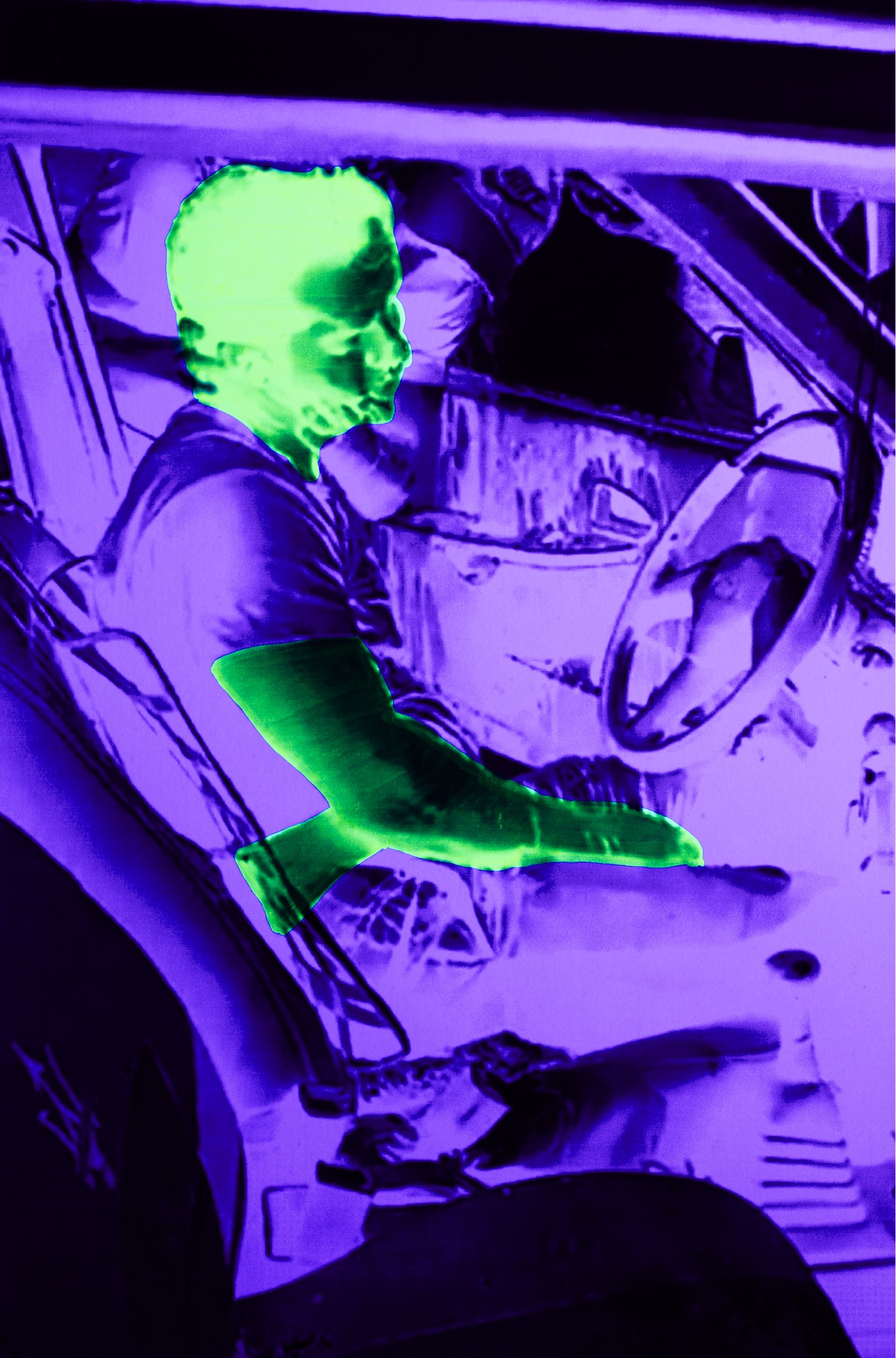
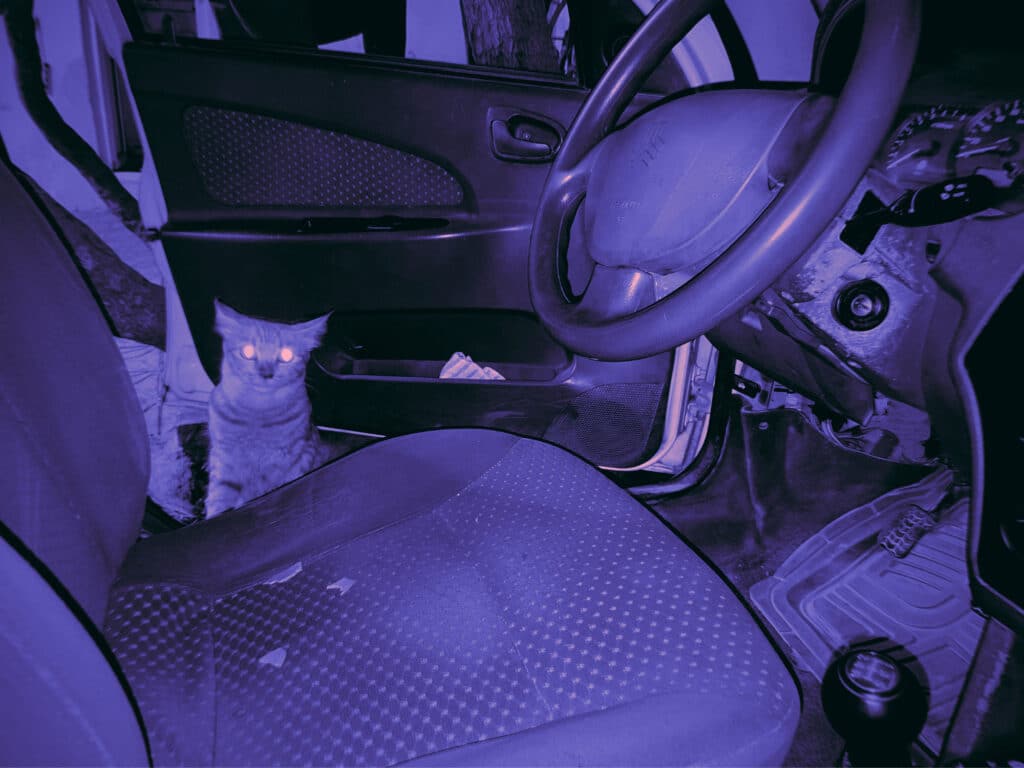
Across the series, the fluorescent figures seem to flicker between presence and erasure. Their contours resist fixation. They glow, but they do not fully materialise. The image behaves like memory under pressure — unstable, incomplete, constantly threatened by disappearance. At the margins of the compositions, the animals continue to return. Silent, peripheral, persistent.
In “26/01,” the uprising is never shown directly. It survives only through flickers of light, partial bodies, empty streets and borrowed gazes. Here, photography no longer claims to preserve history. It exposes the fragile conditions under which history can still be remembered. “After the recent events,” adds Dara Masofi, “here, almost everyone has lost someone directly or indirectly: a neighbor, family member, relative, or friend. I have also lost a friend, and everywhere I look, I see signs of massacre and repression. This is a very bloody reality that unfortunately has not been covered adequately in international media. It is very important to me that people know what has happened in Iran, because awareness can make a difference. Iranian people are under extreme pressure and repression. Those who were killed are not just numbers; they were human beings with lives, hopes, dreams, and families. Those who lost their lives were fighting for hopes and dreams and perhaps had the strongest desire for life and change.”