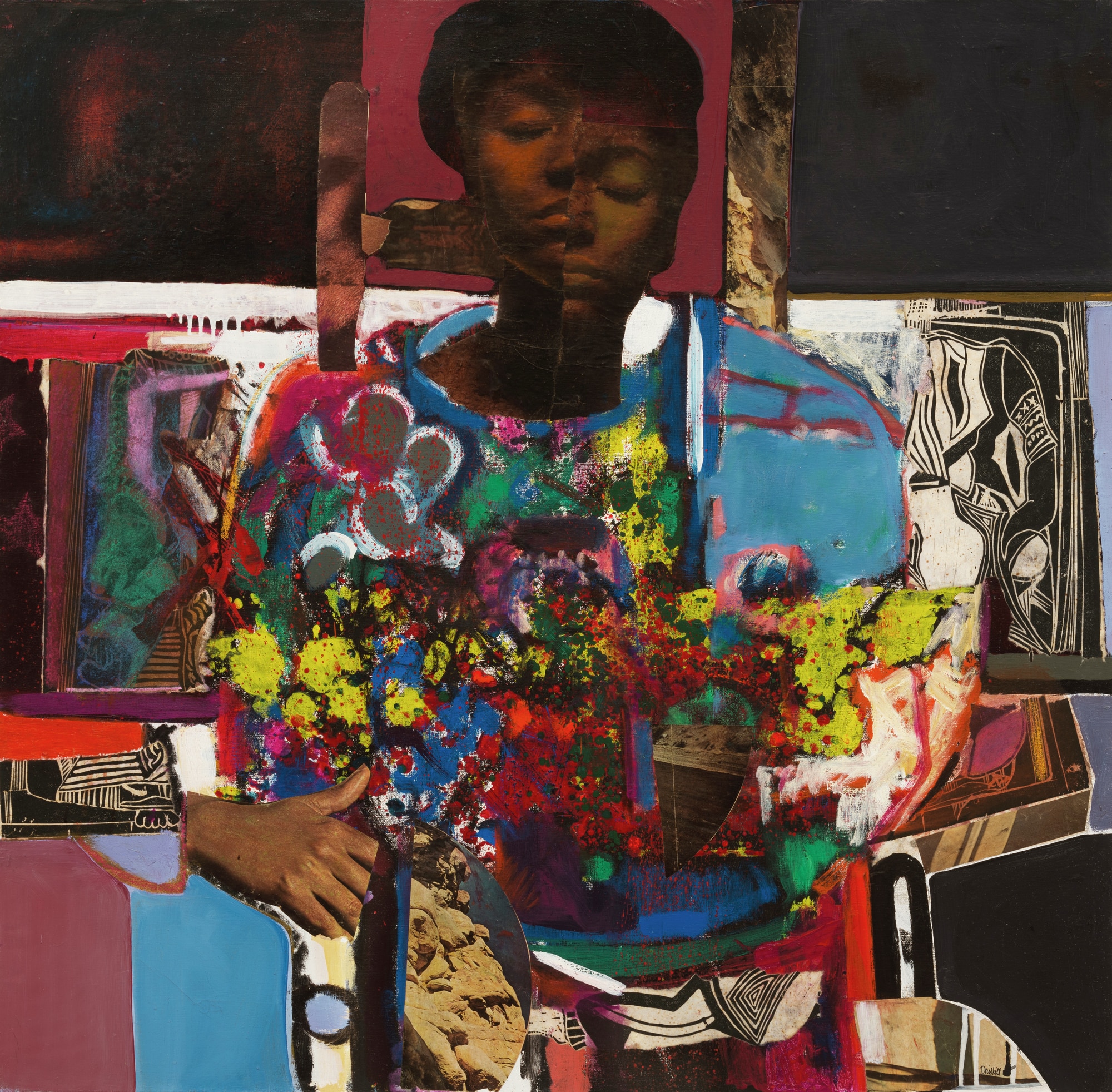
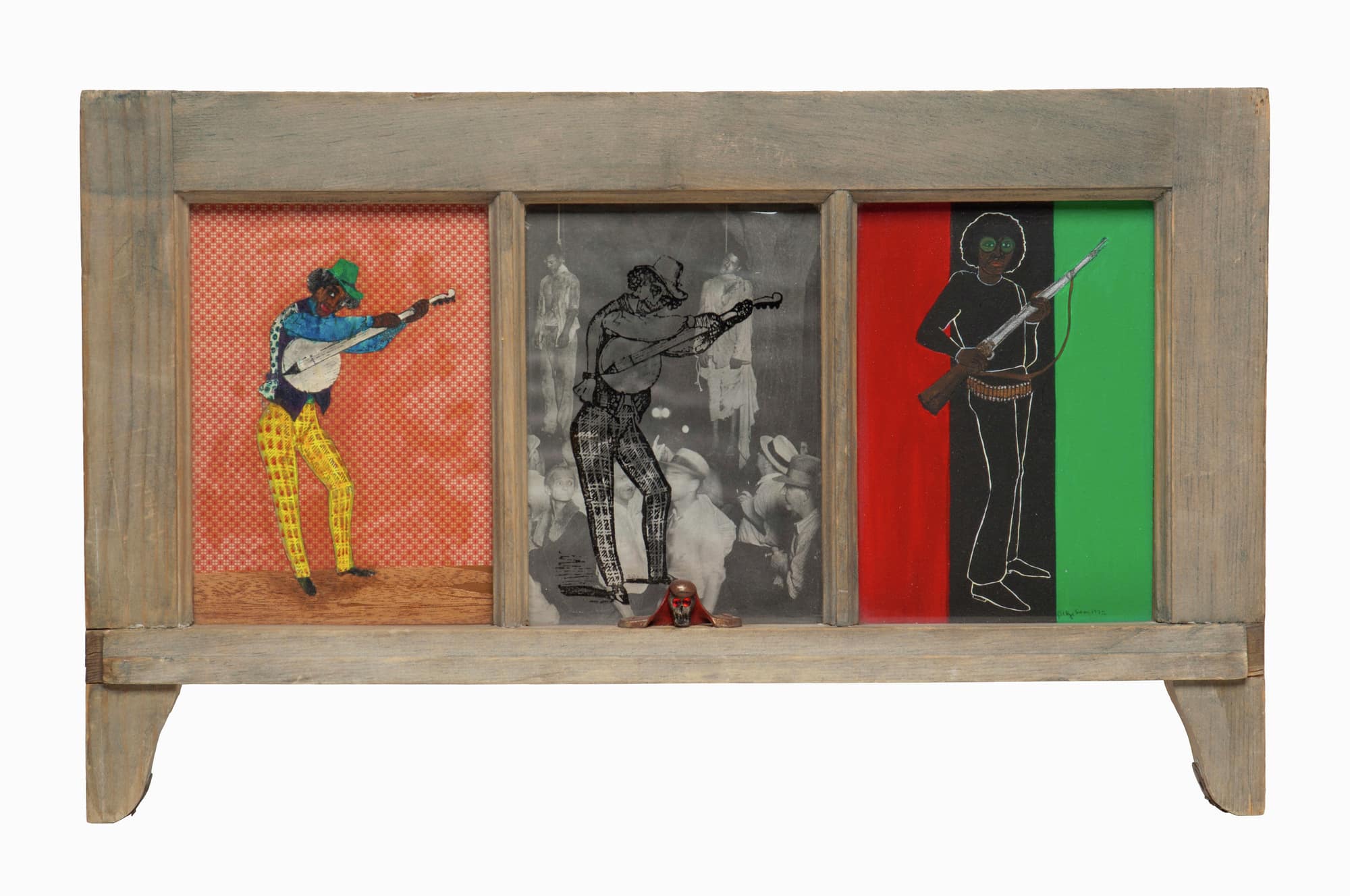
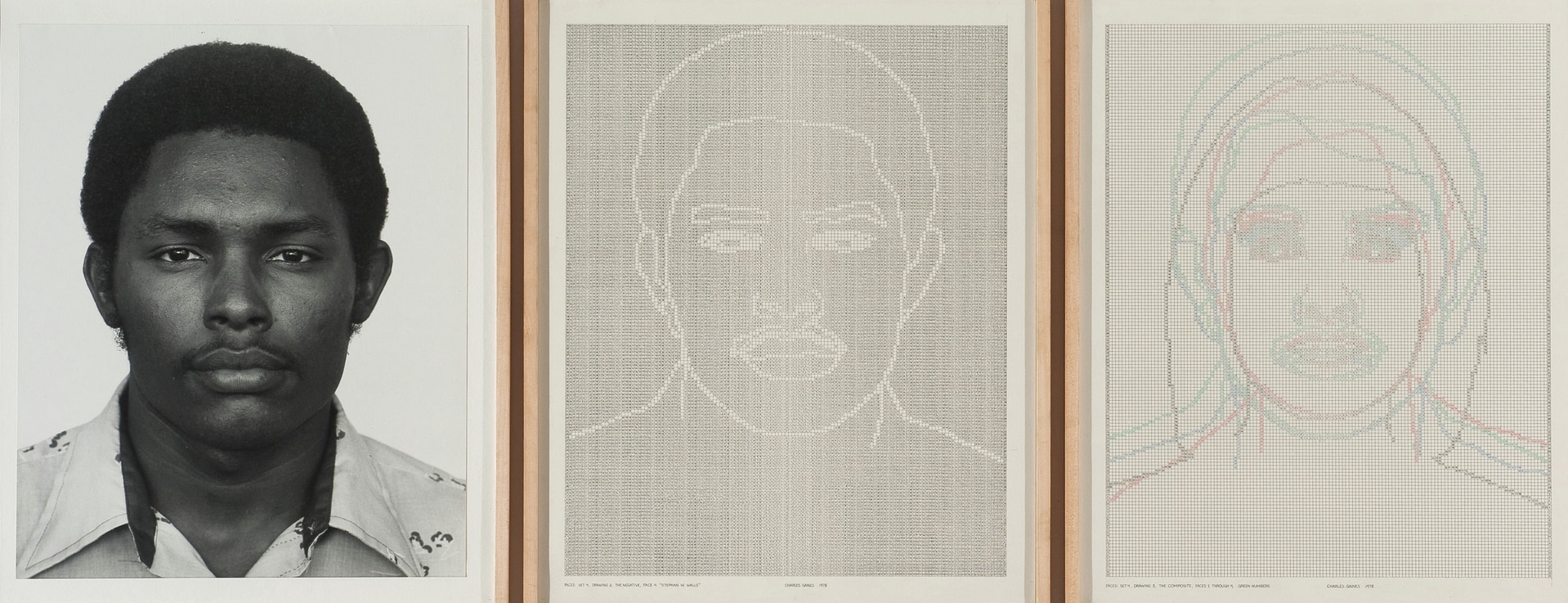
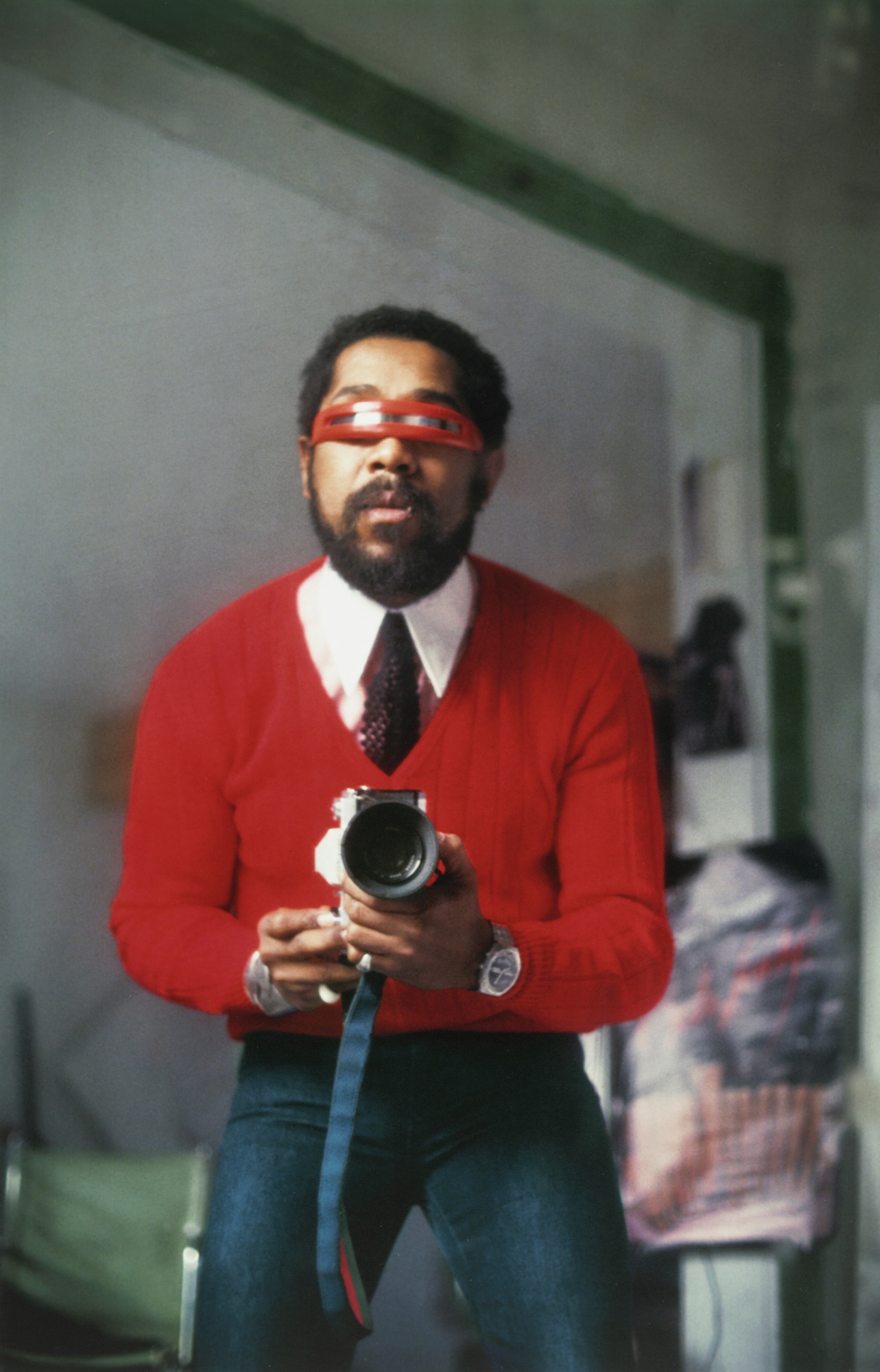
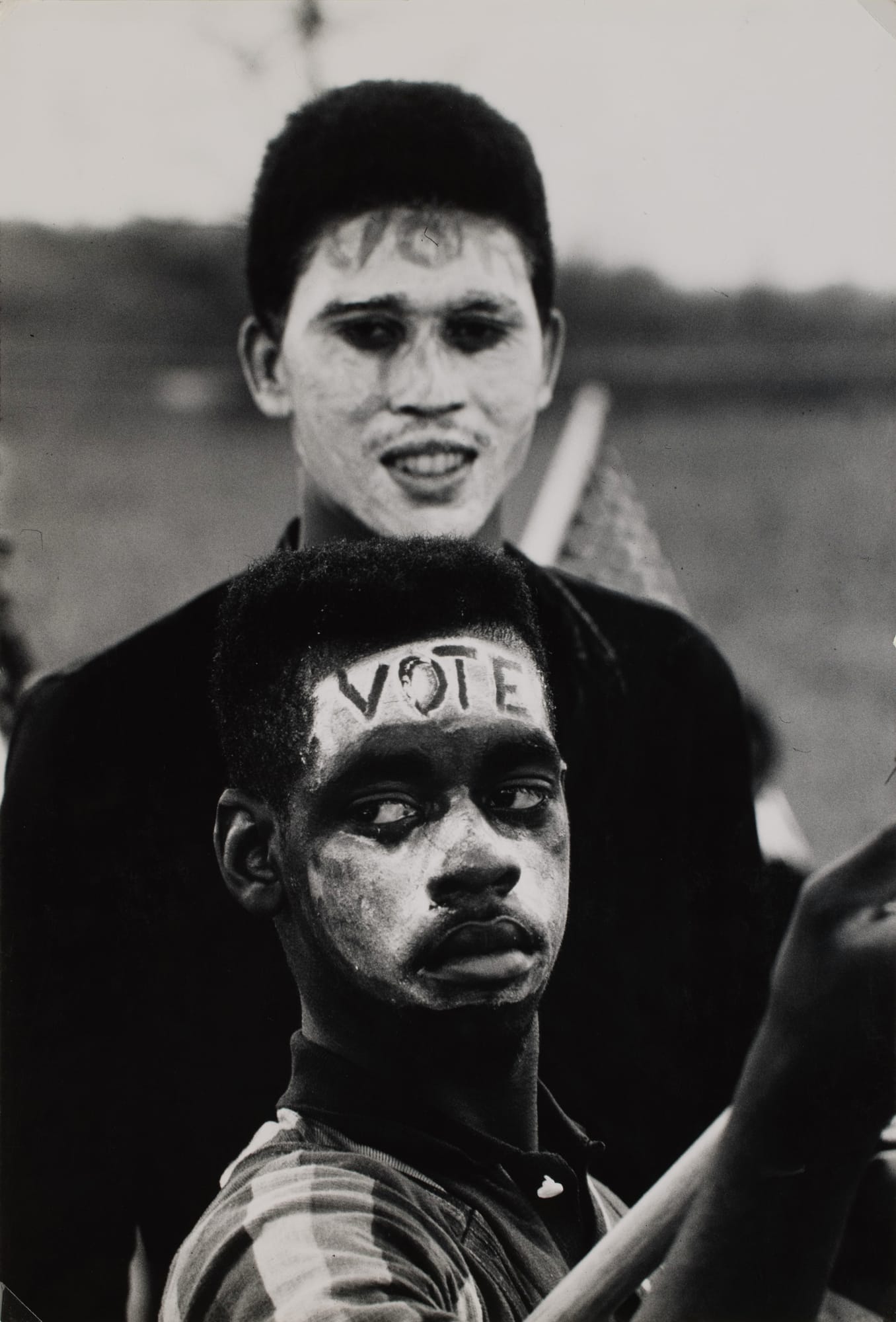
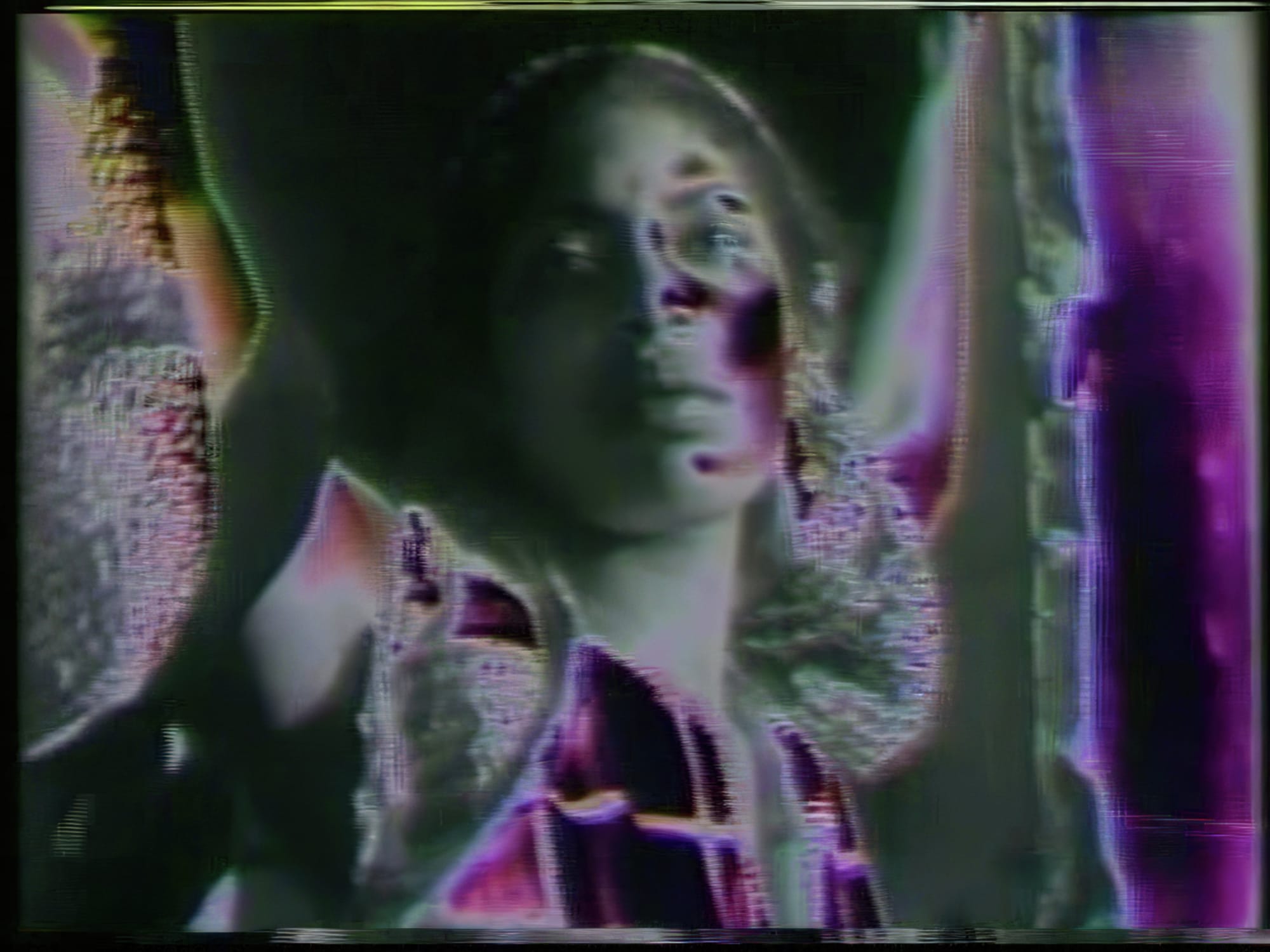
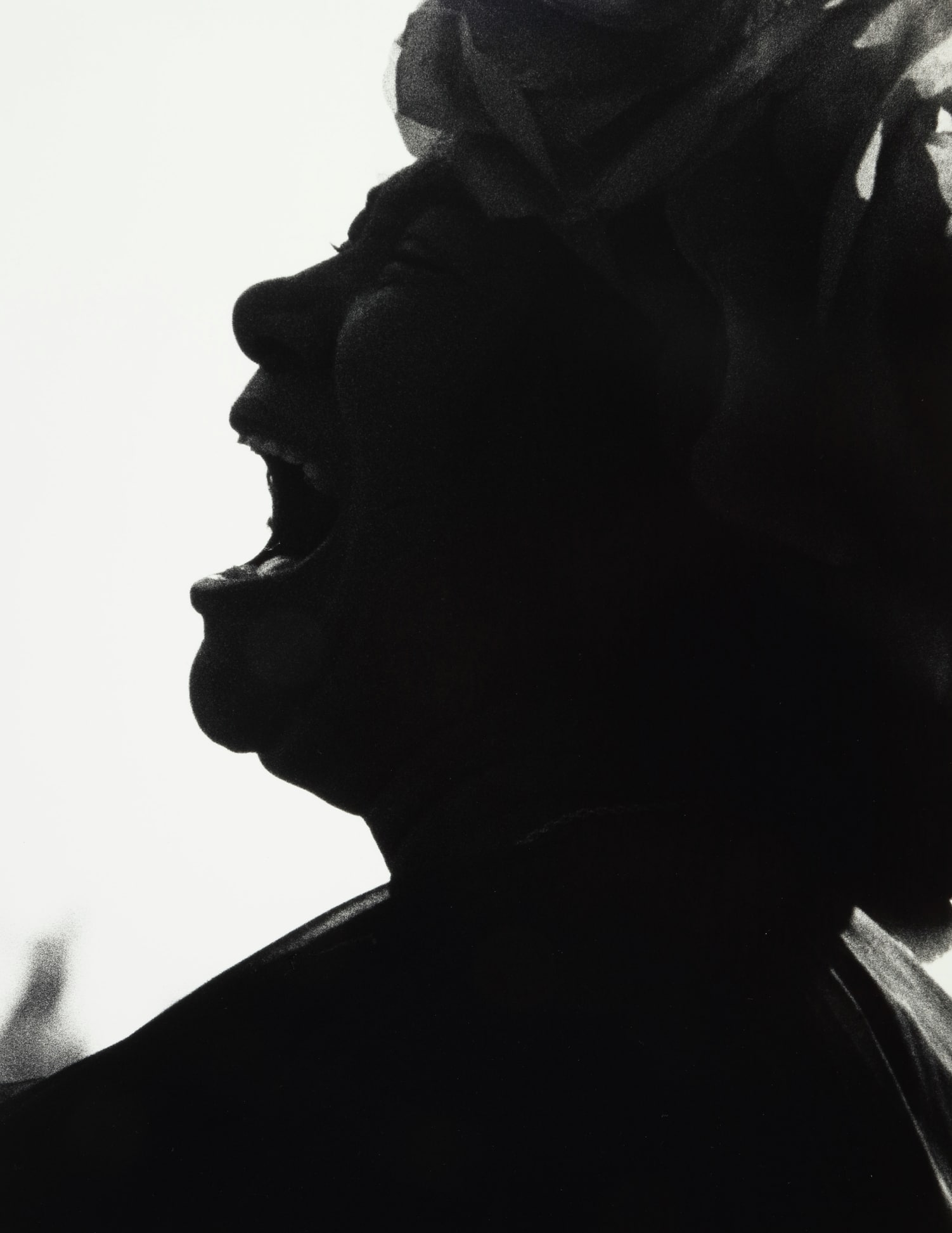
At the Getty Museum, over 150 works trace three decades in which photography became the luminous weapon of the Black Arts Movement — an instrument of dignity, a tool of defiance, and an indelible act of presence in the world.
Between 1955 and 1985, writers, musicians, and visual artists across the African diaspora forged a collective endeavour in which art ceased to merely adorn life and began to wrest it from injustice. Photography stood at the incandescent centre of that struggle, capturing what had been rendered invisible or disfigured.
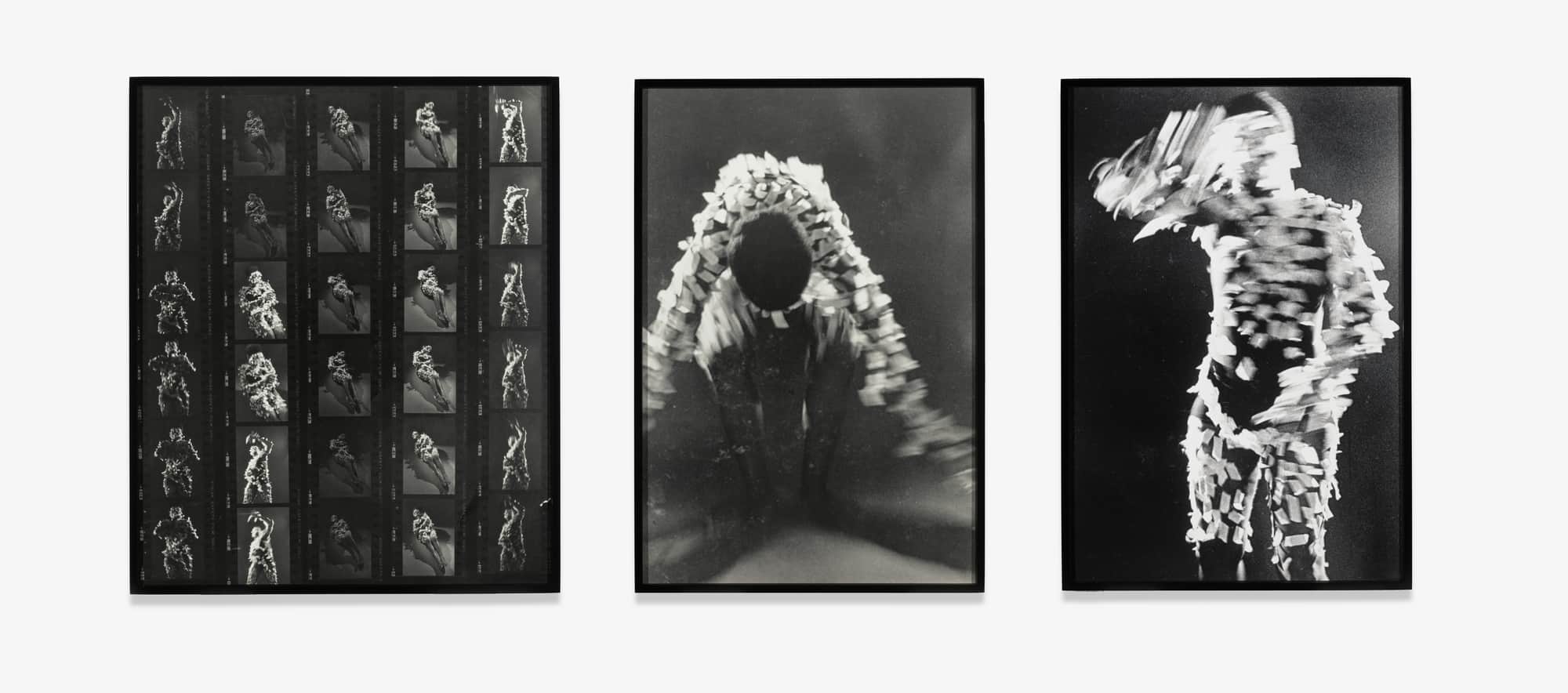
Eight sections unfurl a lavish corpus — gelatin silver prints, video art, collages, contact sheets, paintings, magazines — restoring the porous, restless circulation of images through an era when every photograph carried the weight of a manifesto.
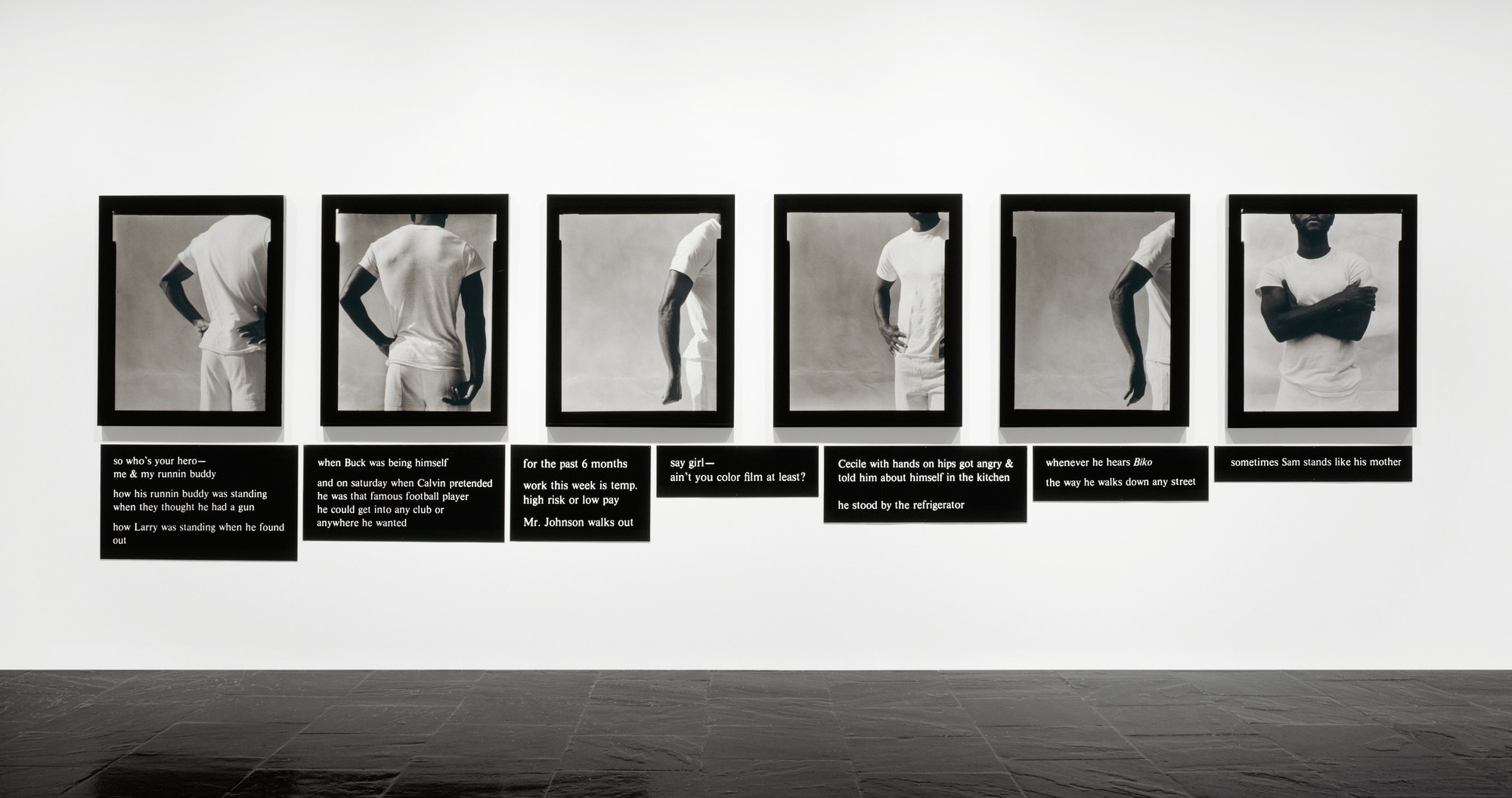
From Kwame Brathwaite’s regal portraits to Carrie Mae Weems’s intimate Family Pictures and Stories, from Frank Bowling’s canvases to Betye Saar’s subversive assemblages, each work testifies to a fierce resolve: to reclaim one’s own representation, to wrest the image from the diminishing gaze.
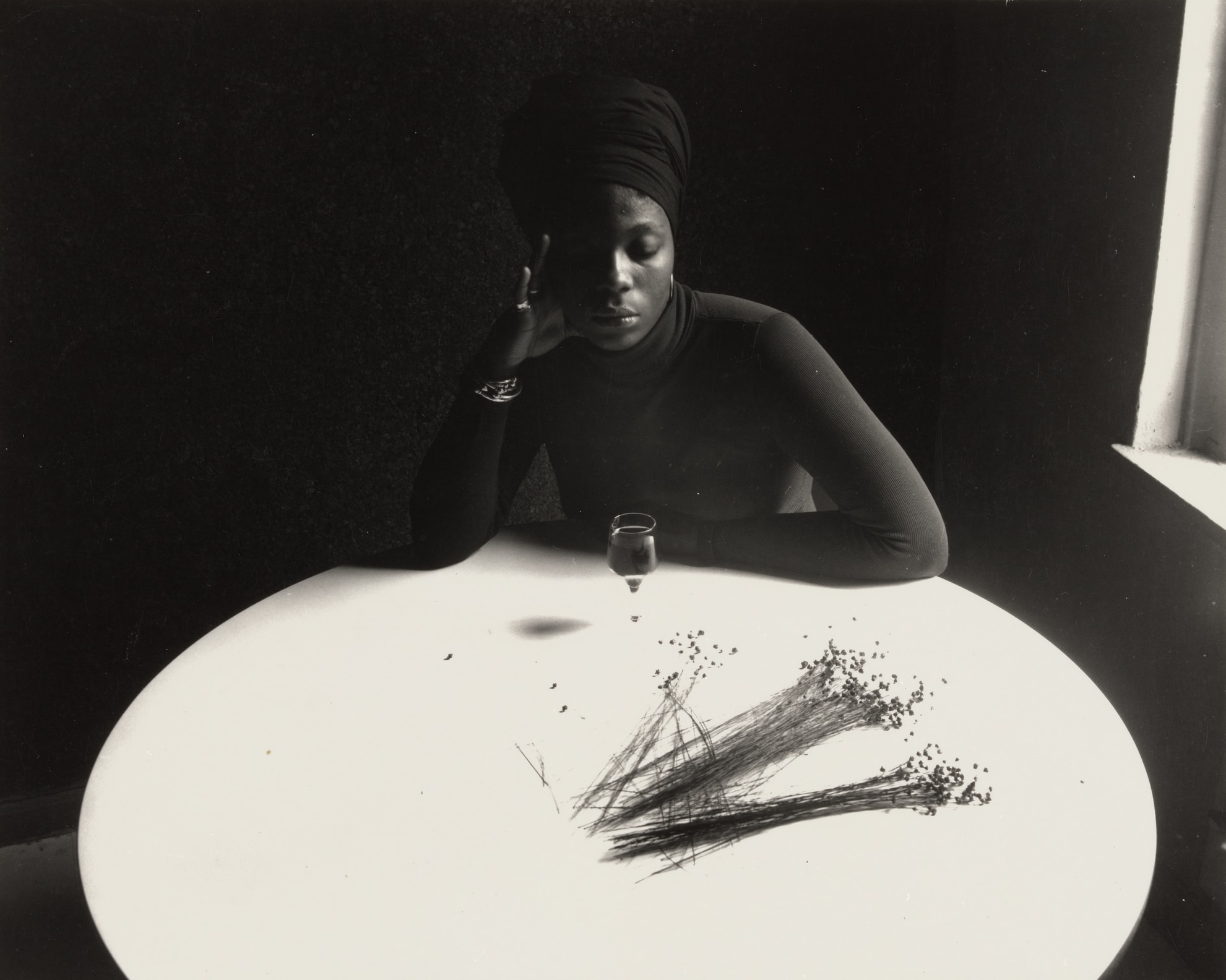
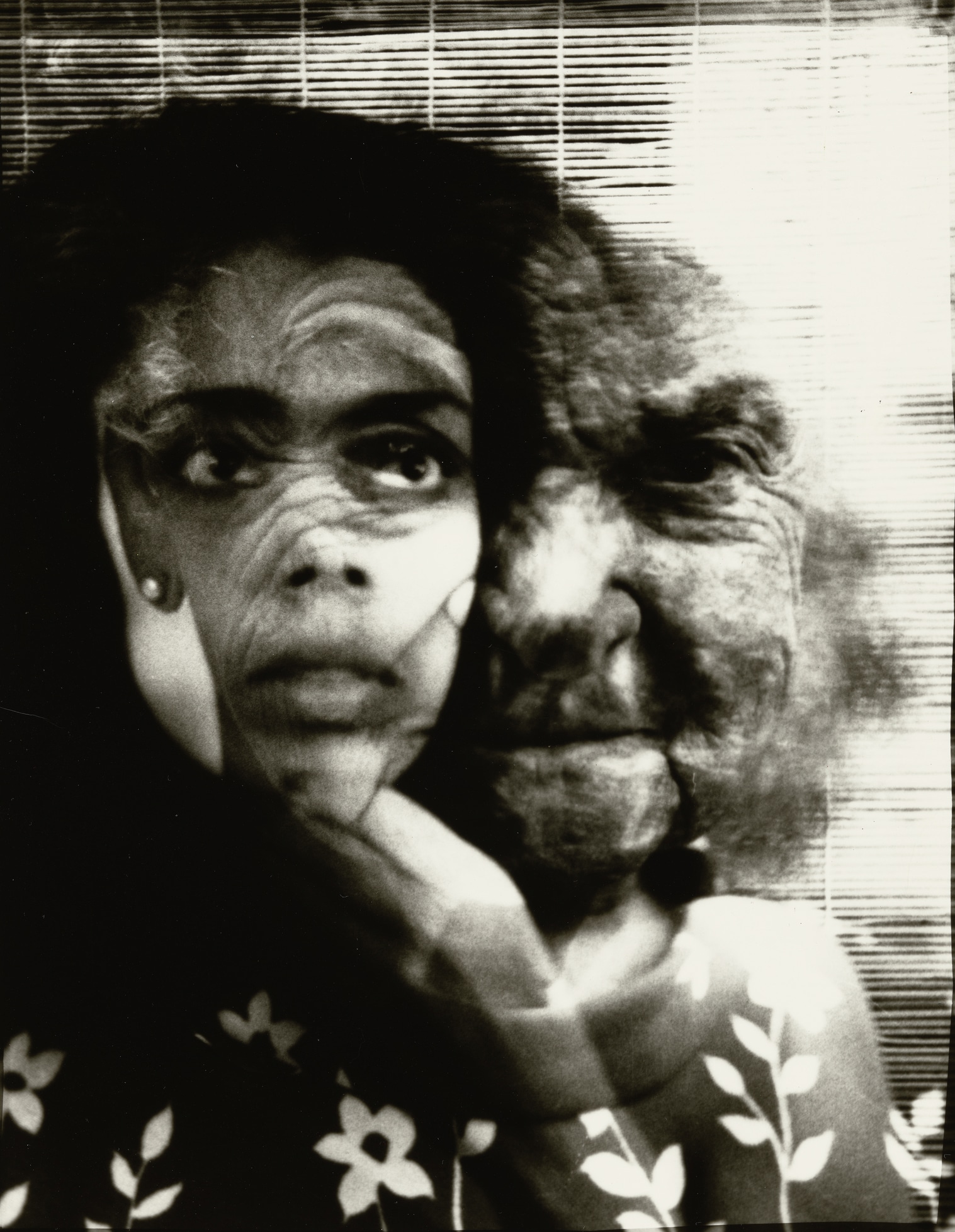
The self-portrait occupies a cardinal place here. To photograph oneself amounted to an ontological affirmation — opposing the stereotype with the singularity of a chosen face, a deliberate posture, a light one has summoned rather than suffered.
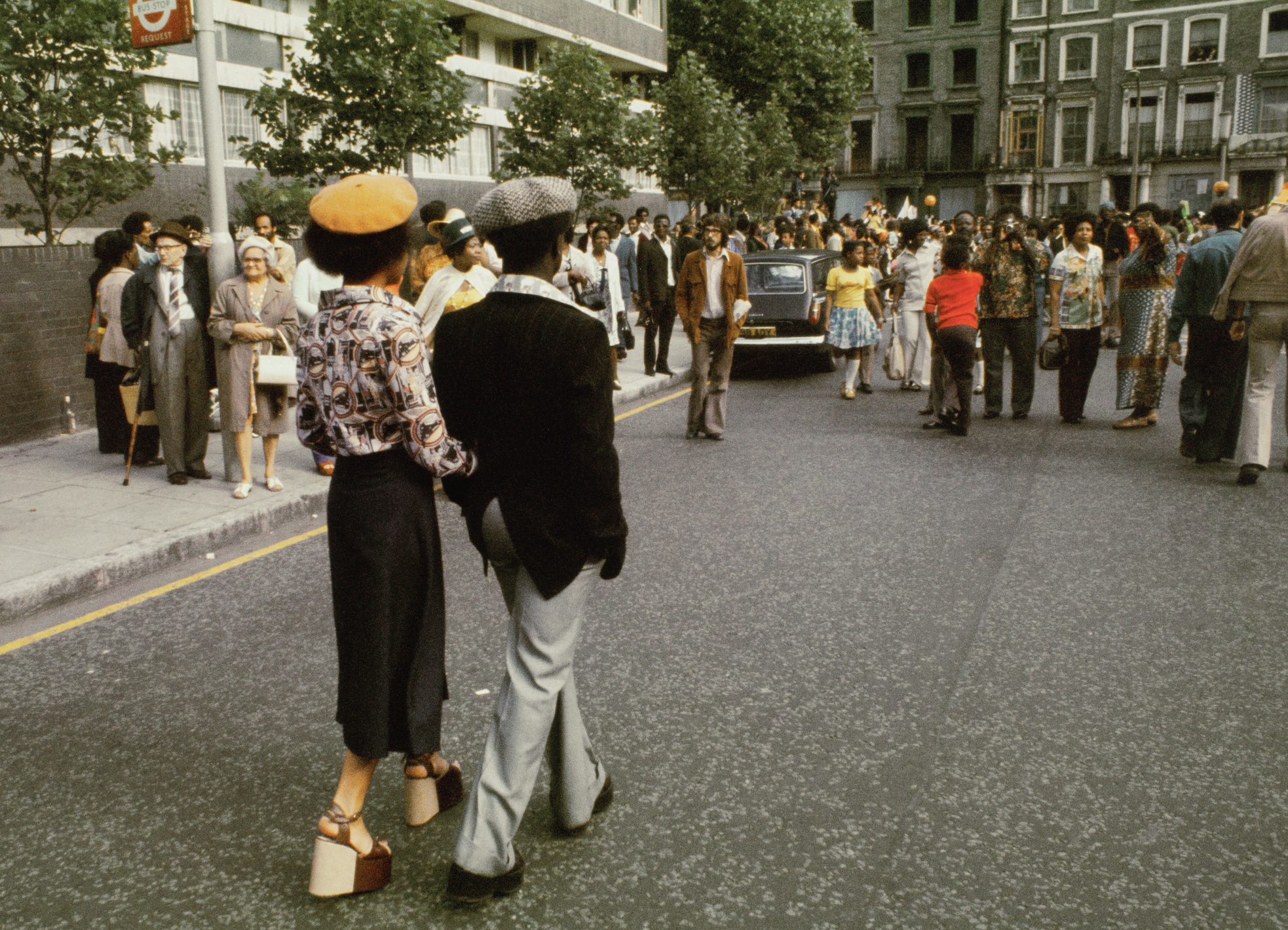
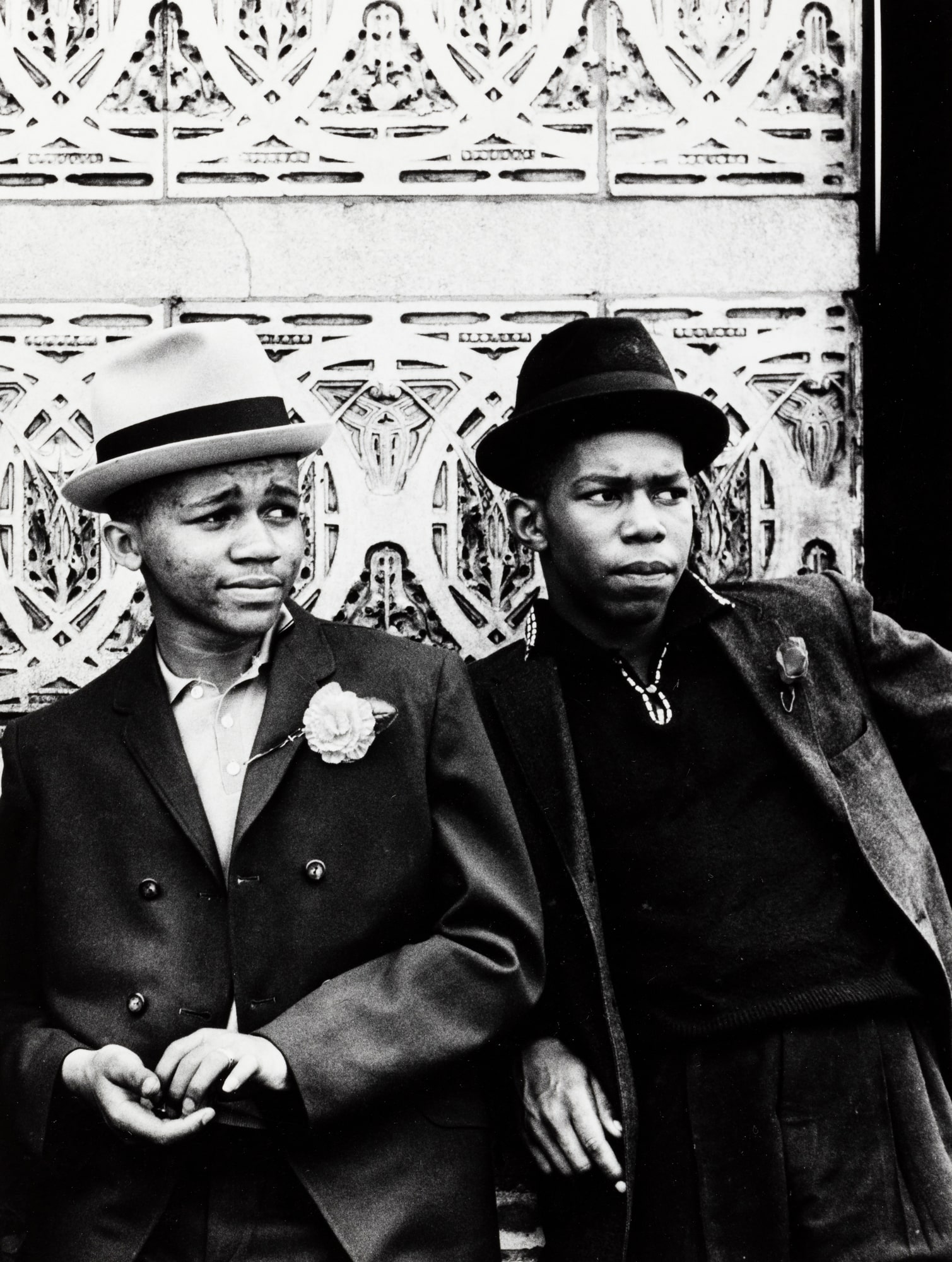
Dress and adornment become political lexicon. Brathwaite’s Untitled (Portrait, Reels as Necklace), circa 1972, or Horace Ové’s Walking Proud at the Notting Hill Carnival distil how sartorial choices — hairstyles, fabrics, ornaments — carried a silent yet limpid claim to belonging and pride.
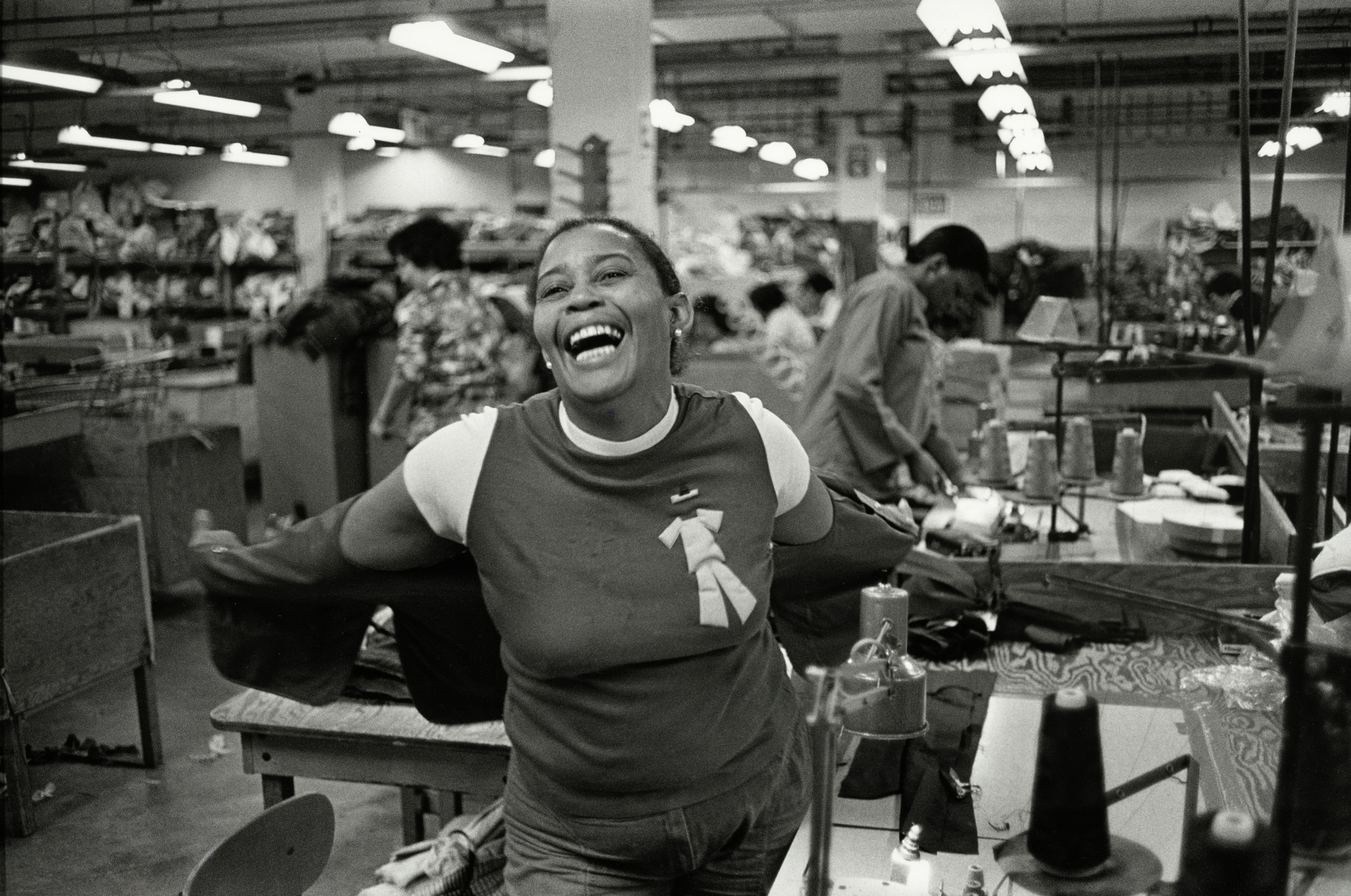
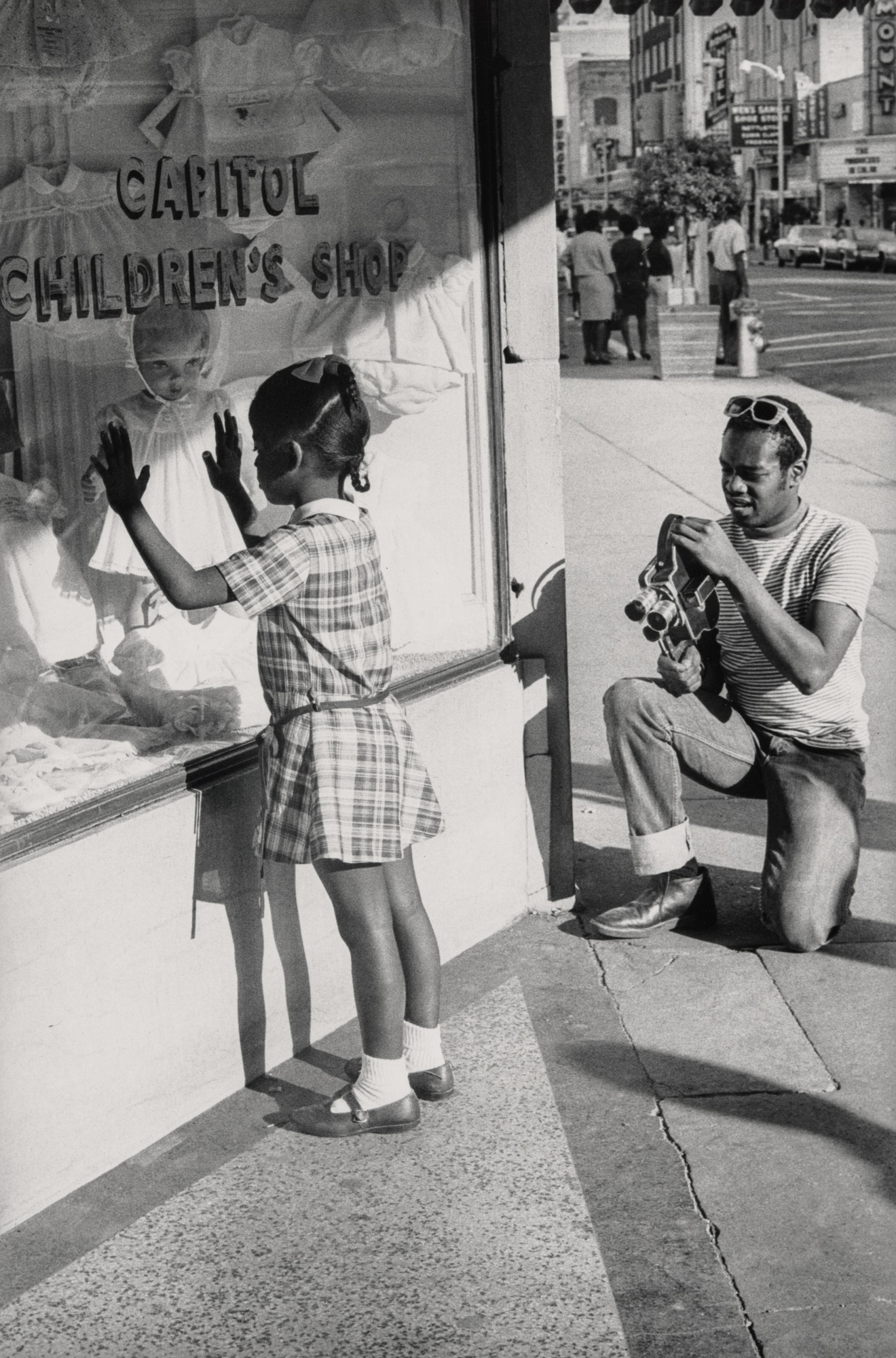
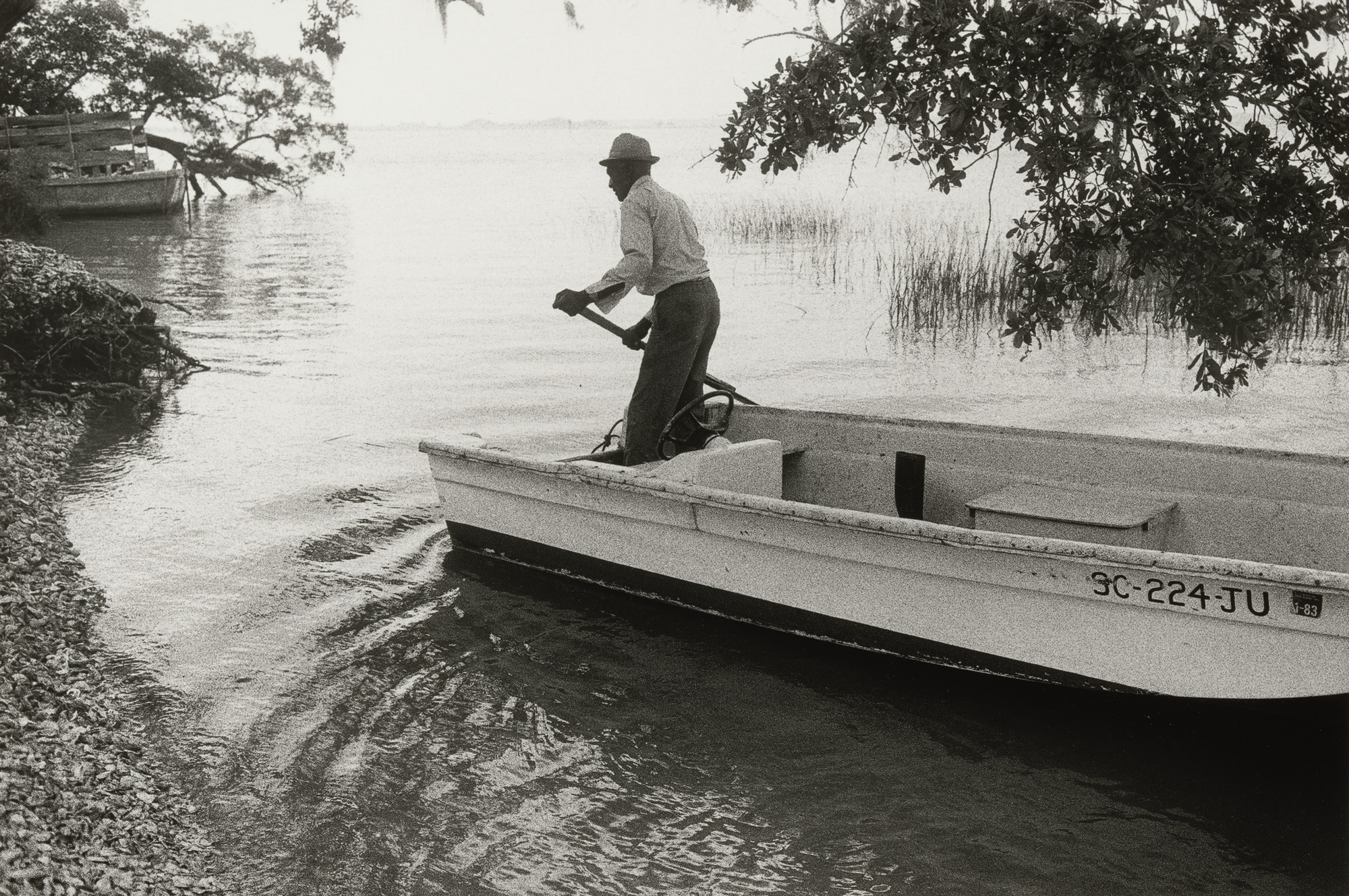
Other artists traversed their neighbourhoods, camera in hand, to seize the quotidian texture of communal life. Doris Derby’s photograph of a young girl on Farish Street in Jackson, Mississippi, or Jeanne Moutoussamy-Ashe’s Jake with His Boat on Daufuskie Island offer tender, unhurried counterpoints to the degrading portrayals propagated by dominant media.
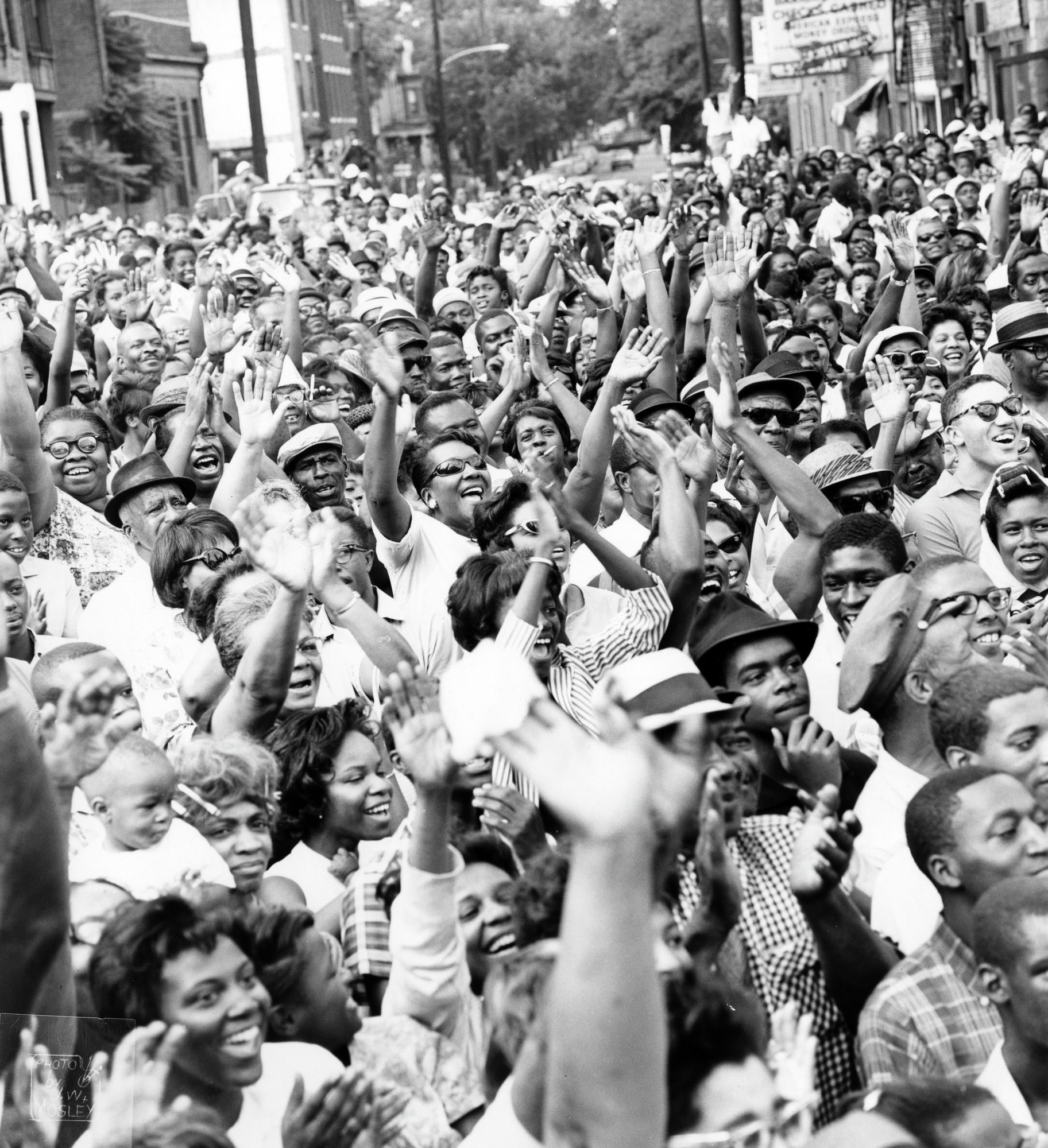
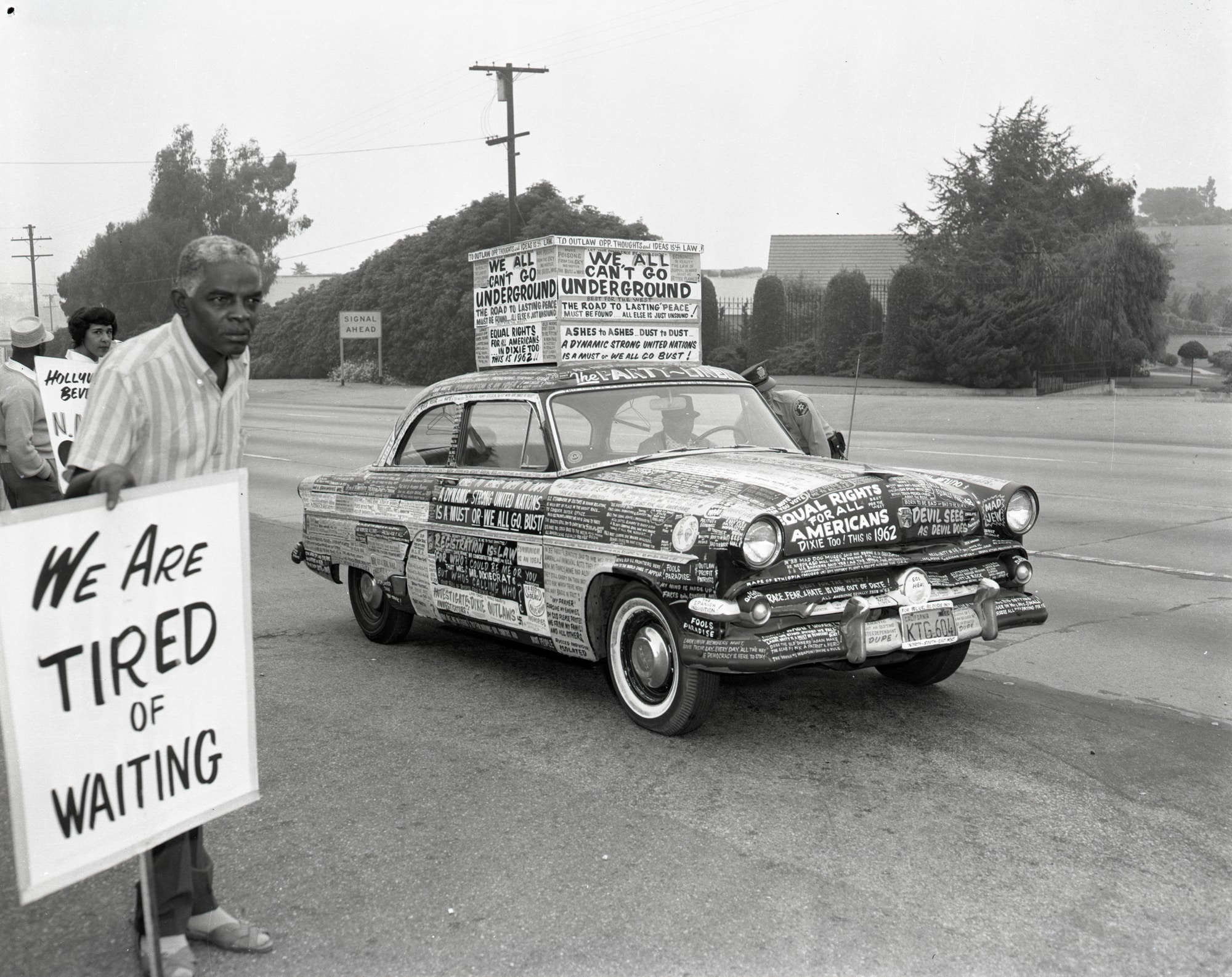
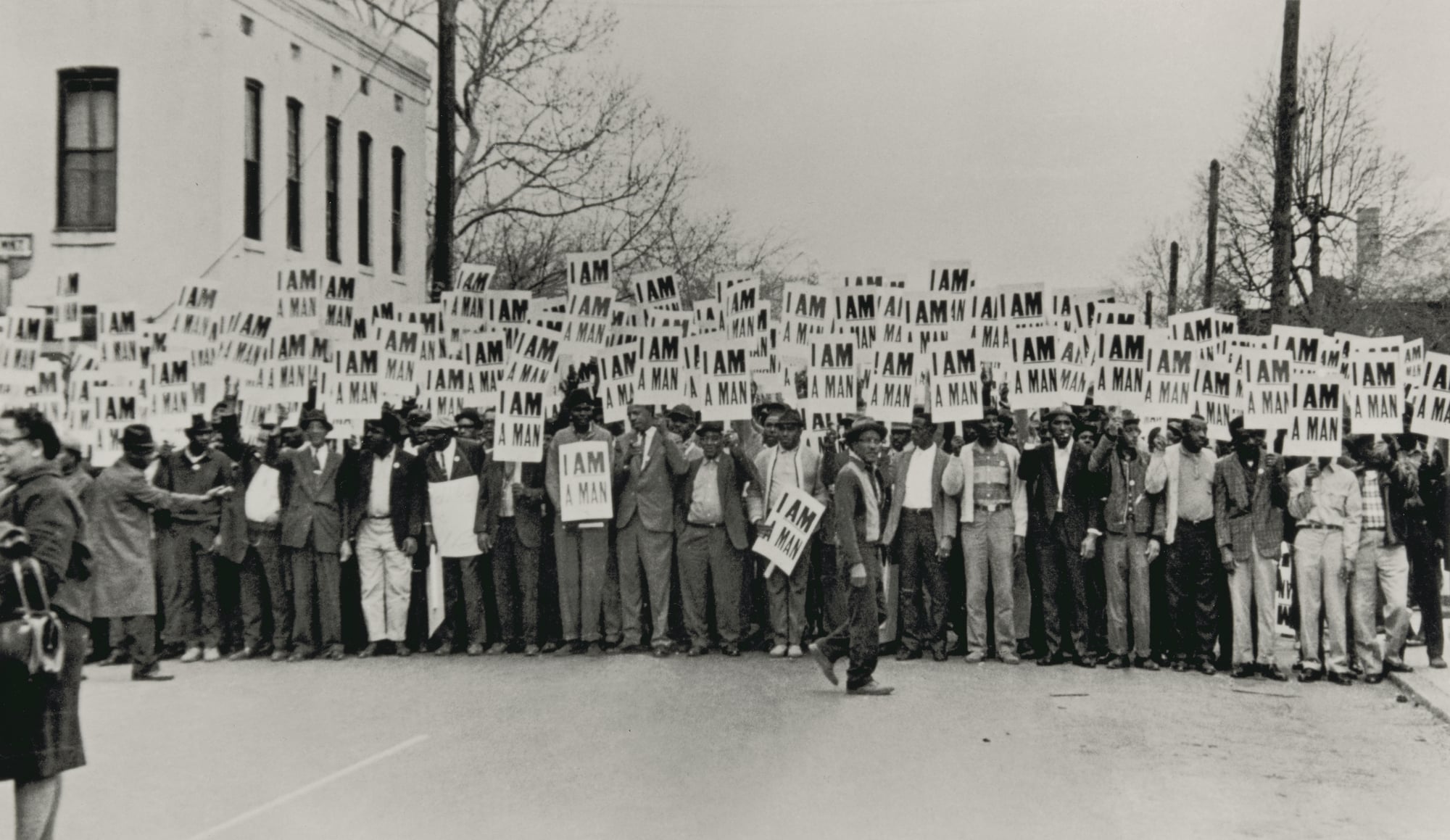
Activists and field photographers grasped early the mobilising power of the image. Ernest C. Withers’s iconic I Am a Man from the 1968 Memphis sanitation workers’ strike, or John W. Mosley’s view of the crowd as Dr. Martin Luther King Jr. addressed demonstrators in Philadelphia, channelled collective resolve into indelible visual testimony.
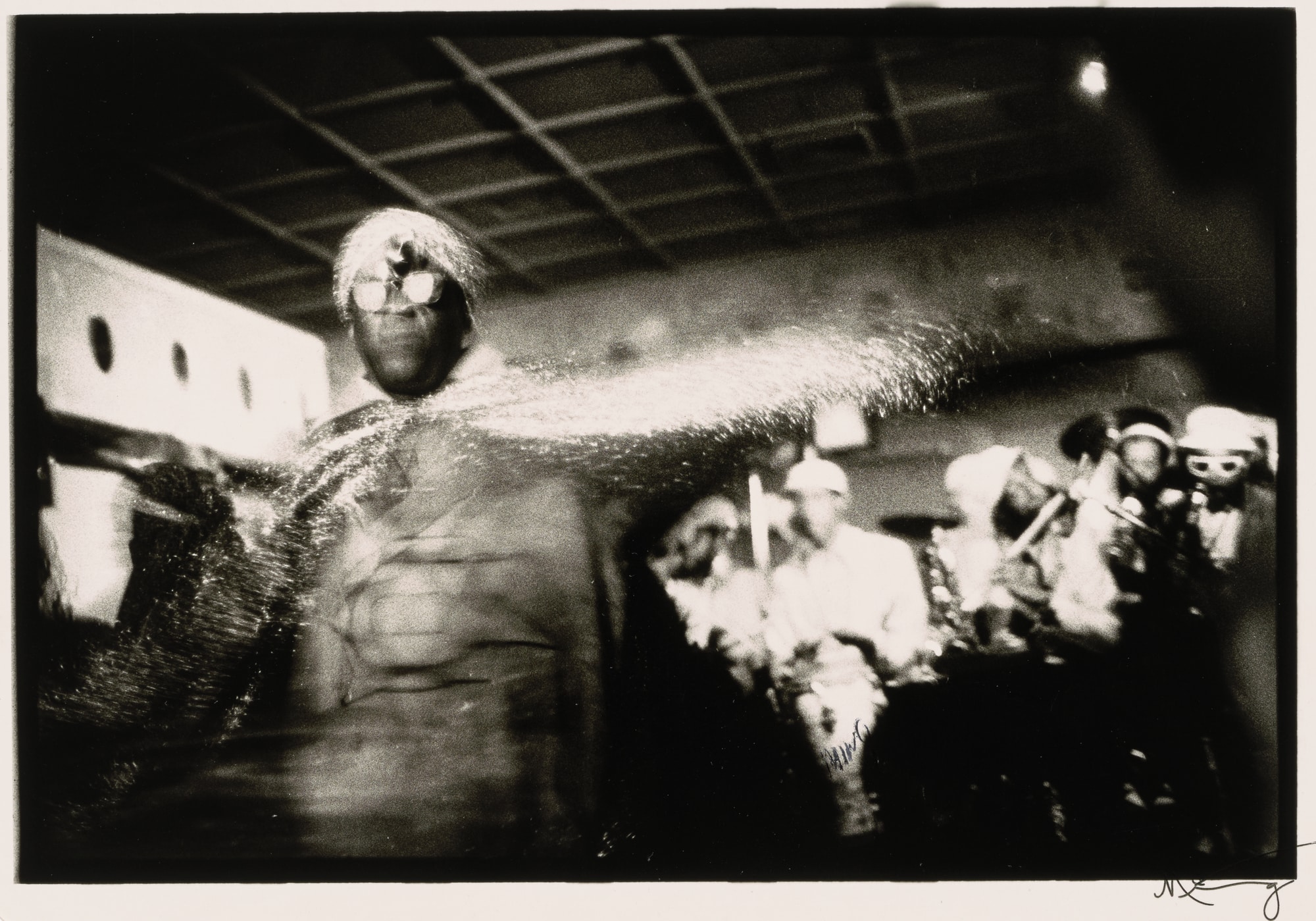
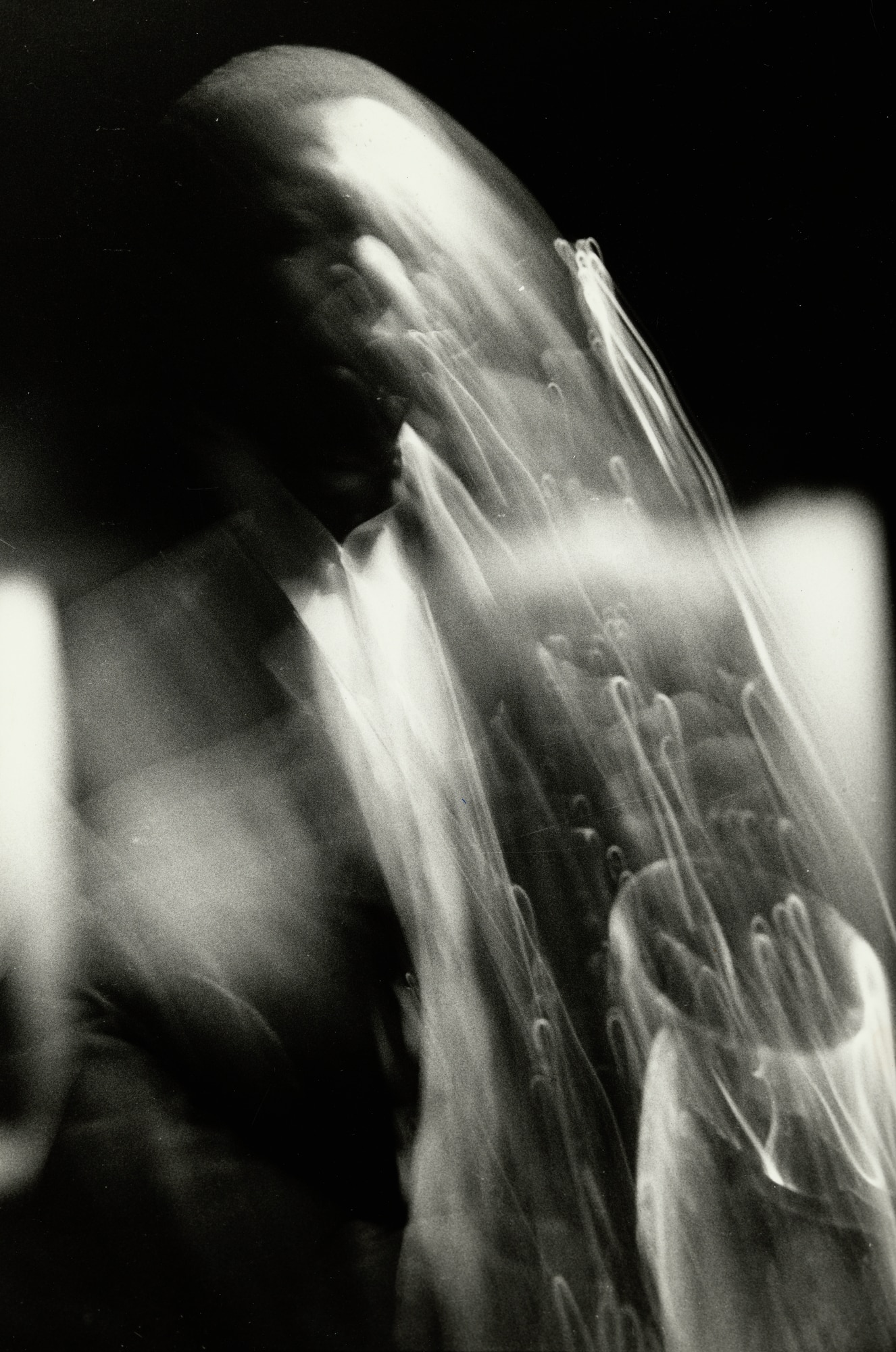
Music pulses through the show. Ming Smith’s ethereal portrait of Sun Ra, Adger Cowans’s Coltrane at the Gate — these images remind us that sound and sight were braided inseparably, that the movement’s aesthetic vocabulary drew as fervently from jazz and soul as from the darkroom.
A section unique to the Los Angeles iteration illuminates Southern California’s role — a territory fractured by residential segregation yet fertile ground for a vibrant, solidary art scene. The exhibition culminates with the founding of the Black Gallery in Crenshaw in 1984, a gesture of collective memory still in the making.