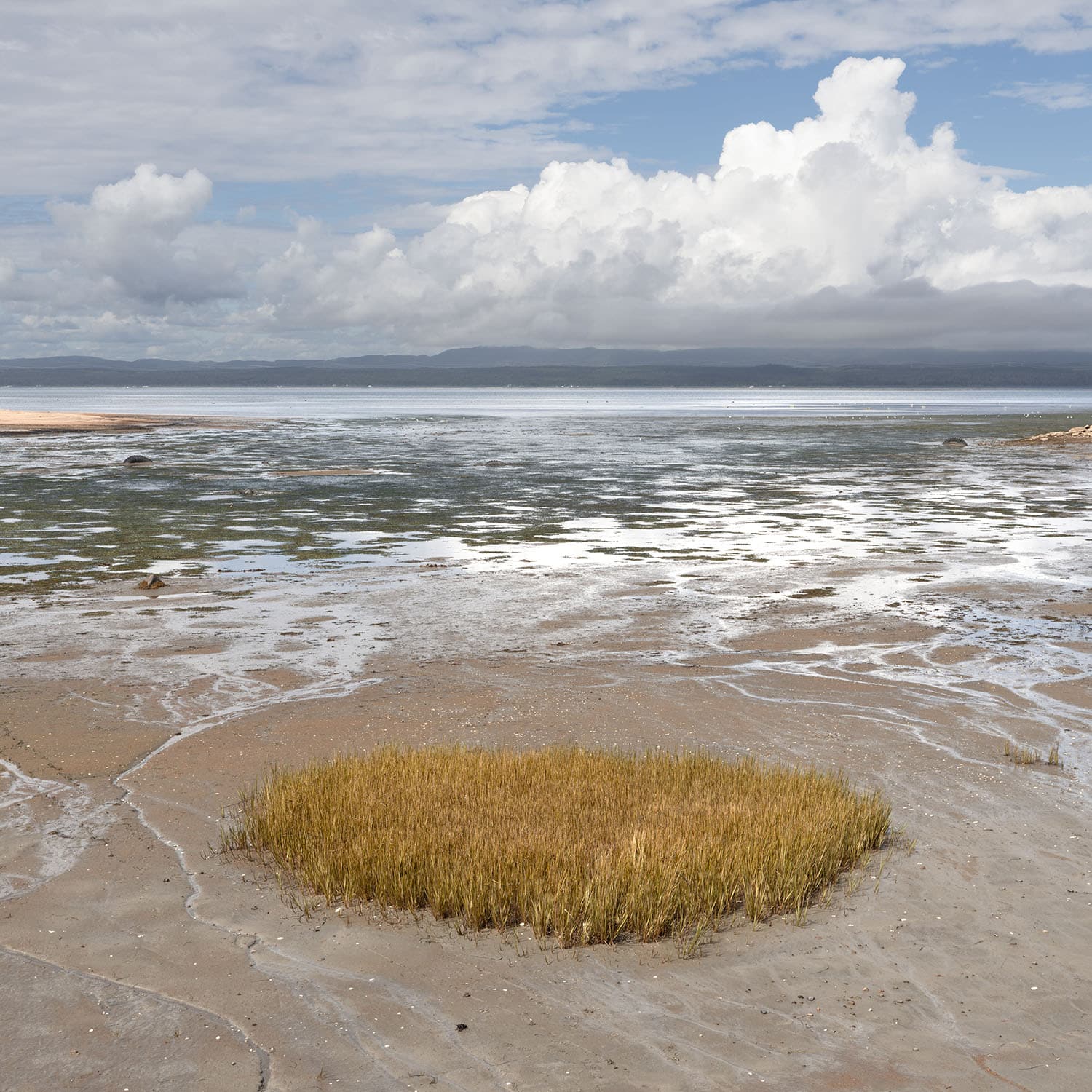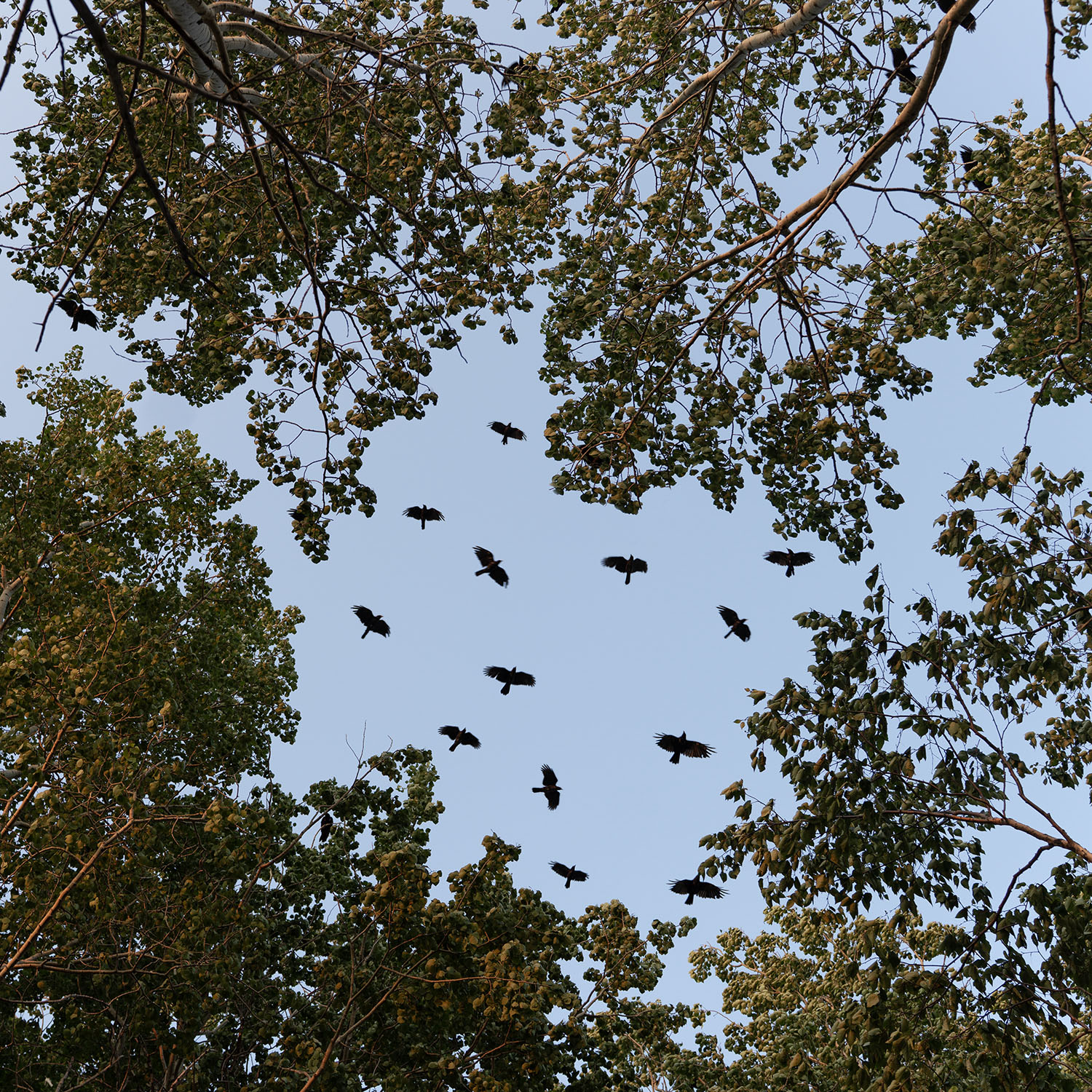
One word first, before the images. Nitassinan. In the Innu language, it means “our land.” Three syllables to name a territory stretching from the banks of the St. Lawrence River to the boreal edges of eastern Canada, inhabited for more than 10,000 years. Yann Datessen chose this title as a compass.
Since 2022, this self-taught photographer has been traveling through the communities of the Innu Nation, in Quebec and Labrador. He returns with the seasons. “In the corridor of a community college, near a window, I set up a makeshift studio that allows me to improvise portraits on the spot between classes.” Sometimes the setup is minimal. Time, however, is long. The exhibition presented by Stimultania in Strasbourg until April 25, 2026 brings together the fruit of three years of immersion: portraits, landscapes, still lifes, architectural images — a visual grammar that refuses the hierarchy of genres.
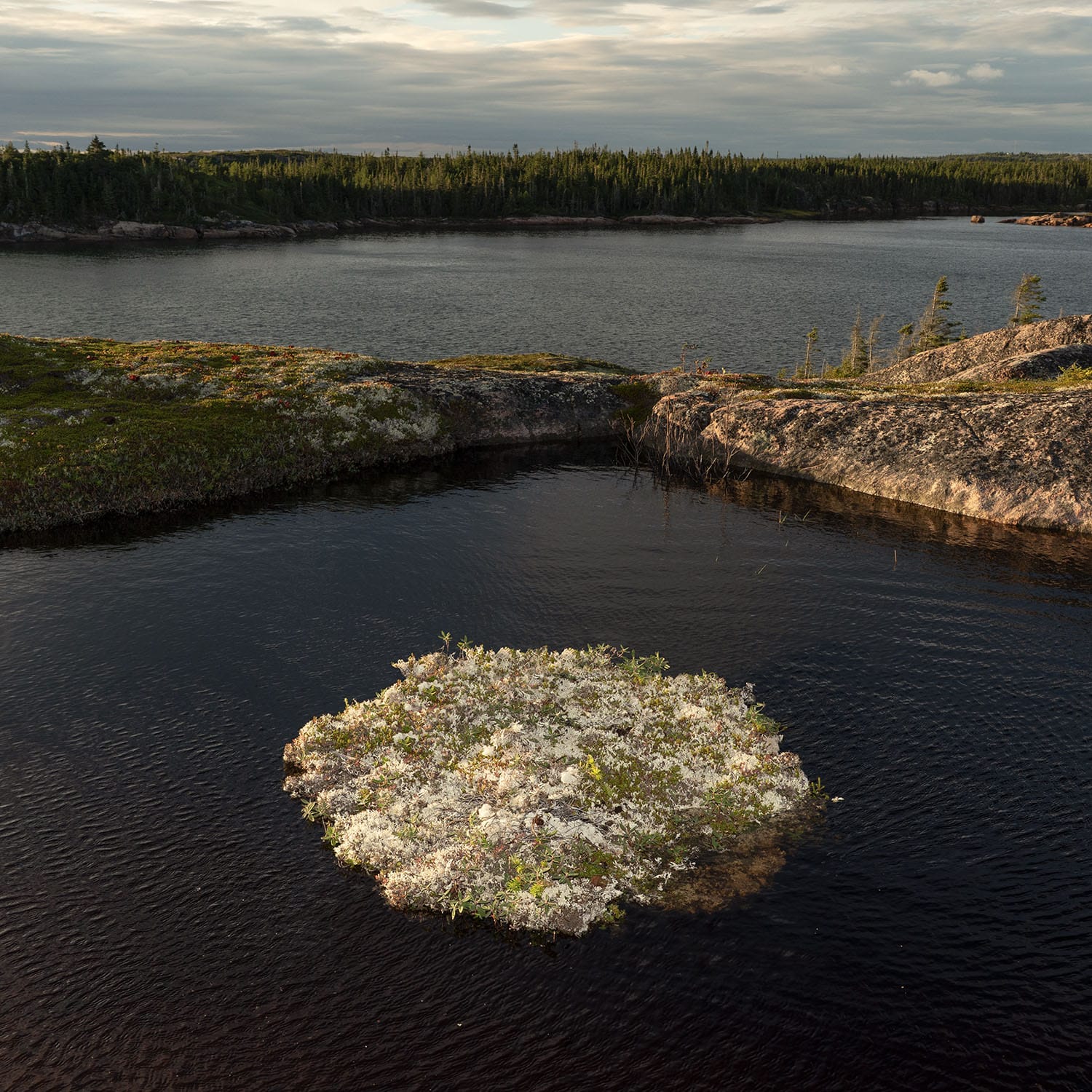
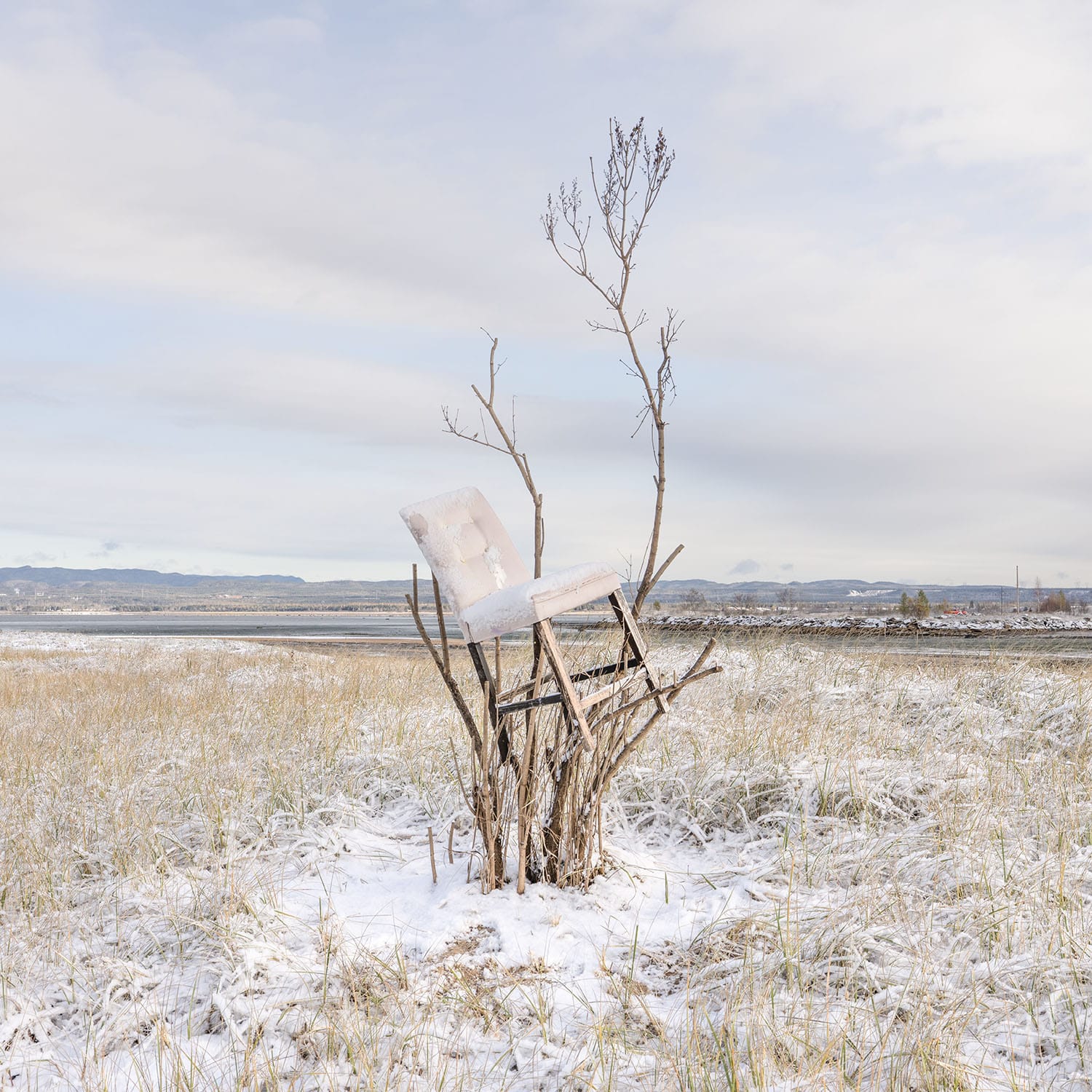
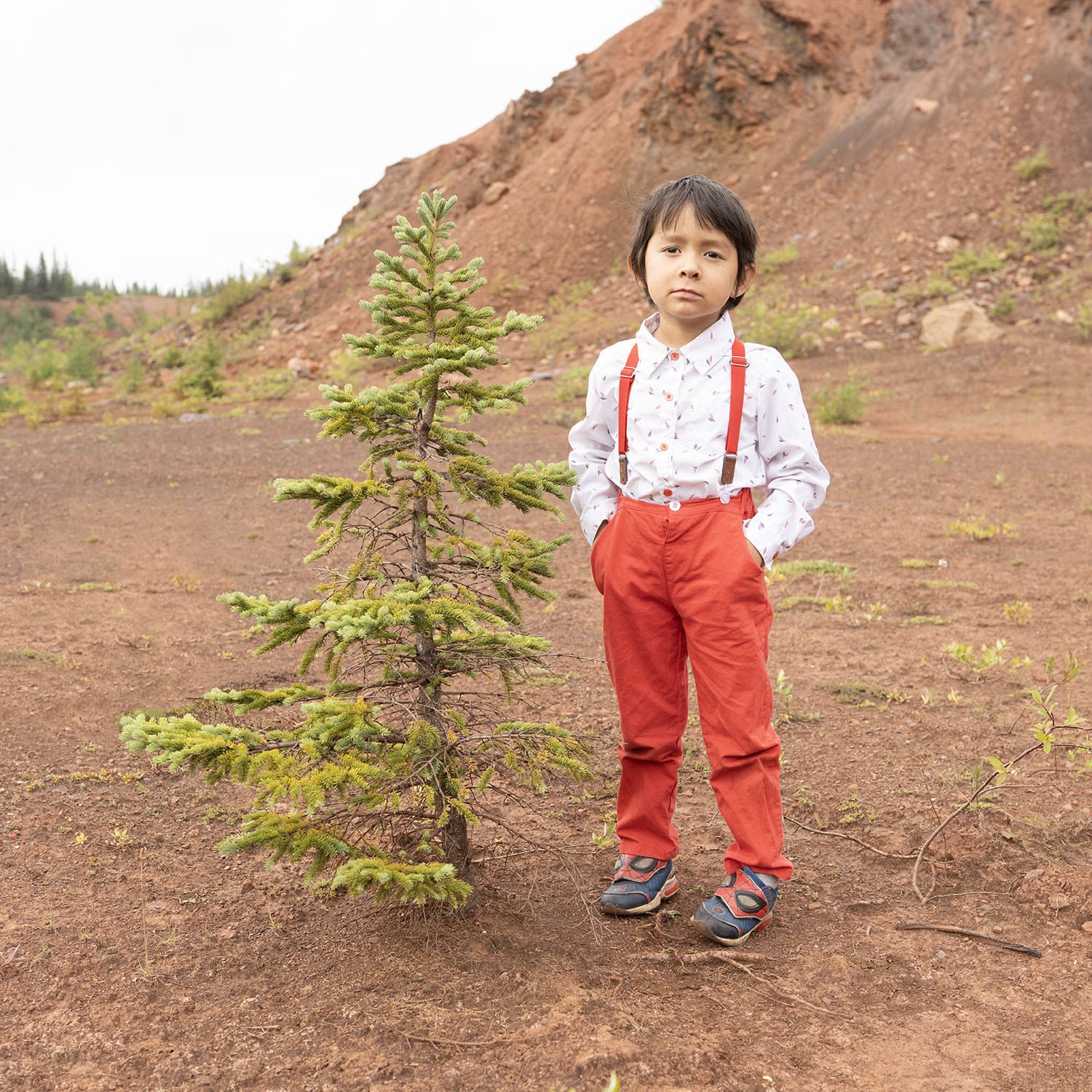
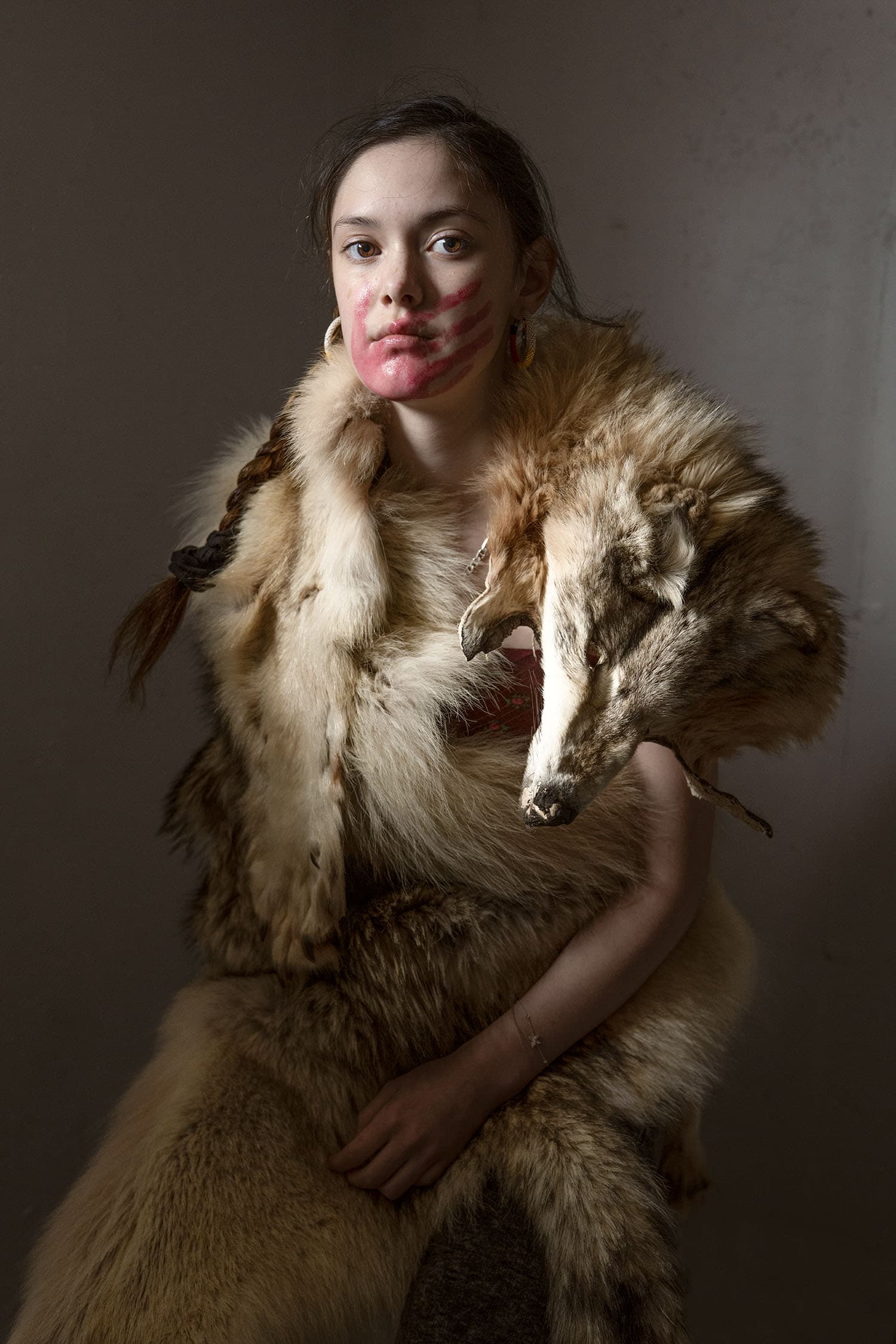
What one sees in “Nitassinan” looks nothing like what one might expect from such a subject. No romanticism of the far north, no surface exoticism. The portraits are frontal, often made indoors, with a constructed light that recalls the Flemish tradition as much as American documentary photography. Marie wears a floral scarf and gold earrings. An elder holds an eagle feather fan in his club chair, beside a small Christmas tree. A grandmother poses with her granddaughter in front of a wolf pelt nailed to the wall. Yann Datessen assumes the tension between these worlds. He makes no attempt to resolve it.
“Among us, on the old continent, the North American First Nations are very poorly known. Their statuses, organizations, issues — beyond the clichés conveyed by cinema — are not really part of the landscape.” And then: “In Canada, it was truly only with the announcement of the federal government’s official apology in 2008 that the non-indigenous population became aware of a coexistence tainted by numerous erasures.” What the photographer describes soberly in his captions is this very history. The Indian Act of 1876, the prohibition of ceremonies, languages, costumes. The Catholic residential schools where approximately 6,000 children died out of 150,000 forcibly placed, until as late as the 1990s. The miniature wooden furniture arranged on a white tablecloth — bed, chair, piano, clock — takes on a strange meaning in the light of this history of imposed settlement.

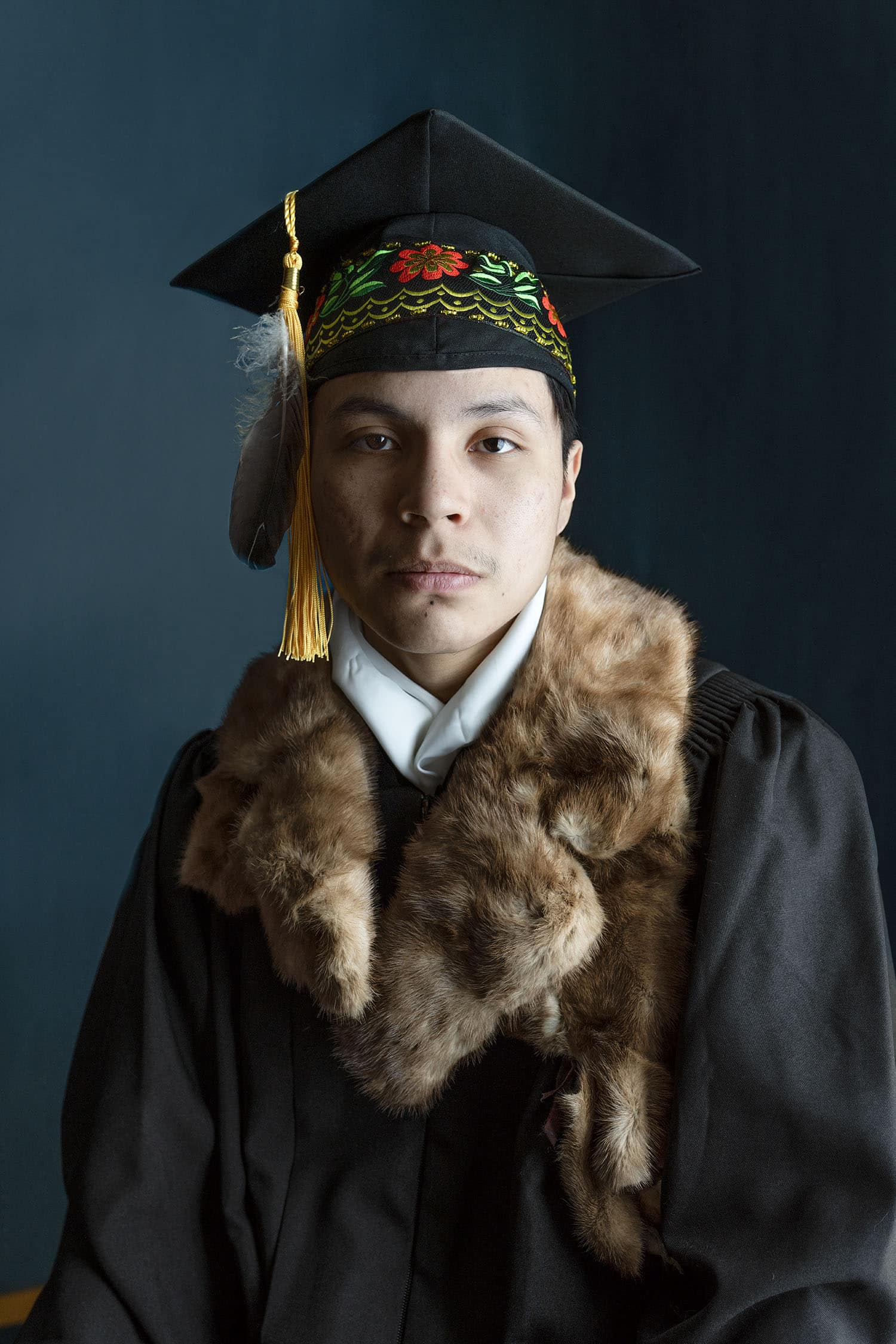
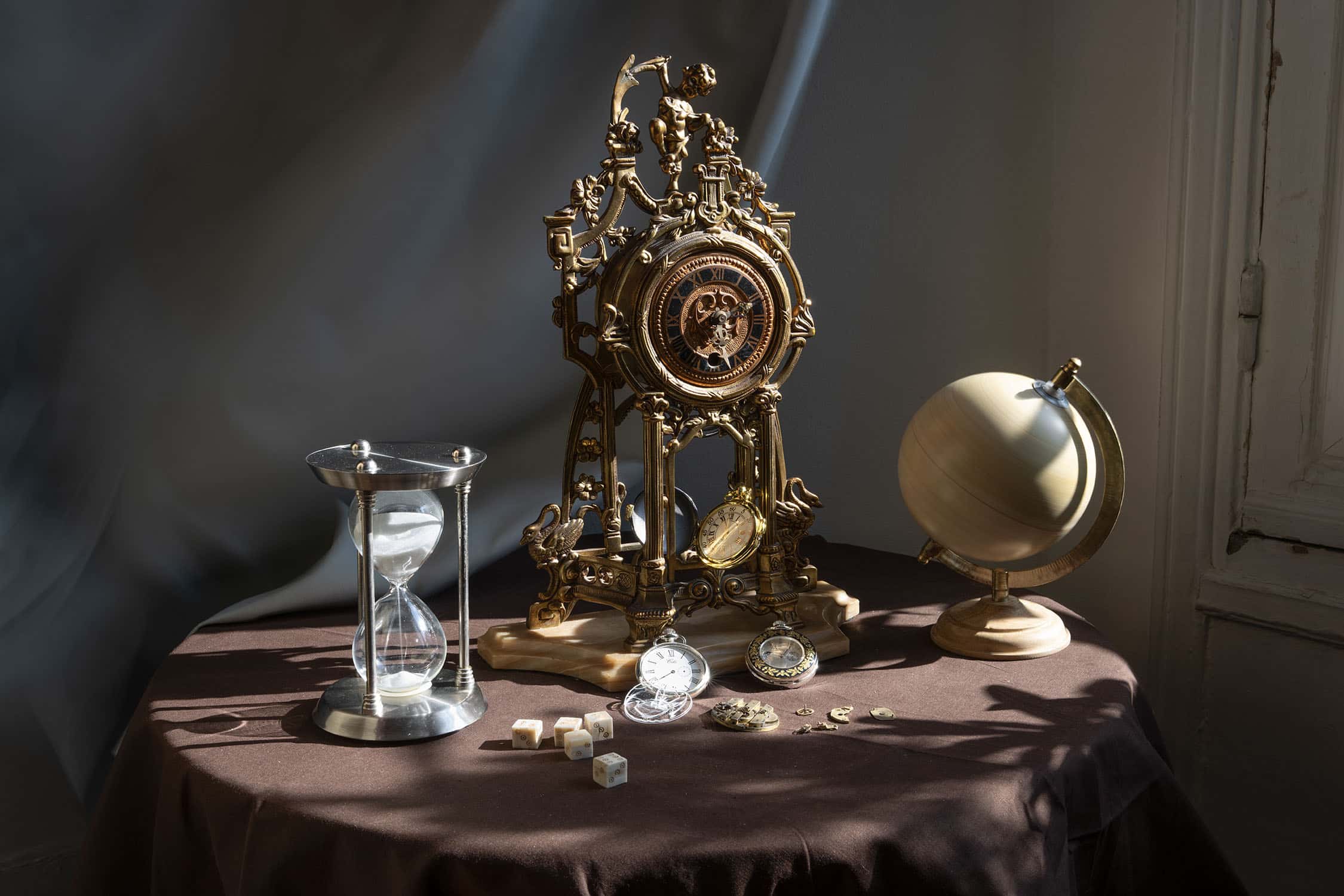
“Like any European, I fantasize about romantic clichés of indigenous culture — the warrior on horseback is one — except that in subarctic regions, the horse was only introduced very recently.” This caption accompanies an image of two young women on horseback on the shores of Lac Saint-Jean: the admission of a gaze that watches itself. The project was co-built with the Musée Ilnu de Mashteuiatsh, one of the principal Innu institutions. The archives of “Nitassinan” will be kept there. This is no small detail.
“The real cannot be described as the real if it is not nourished by the world of signs, dreams and spirits — this is one of the foundations of innu-aitun, Innu culture.” Young Eva holds a block of ice in her hands, standing on the ice floe of Uashat Bay, in December. “In the memory of the elders, no one had ever seen open waters at that time of year.” The territory speaks. It says something about time, about what changes and what endures.
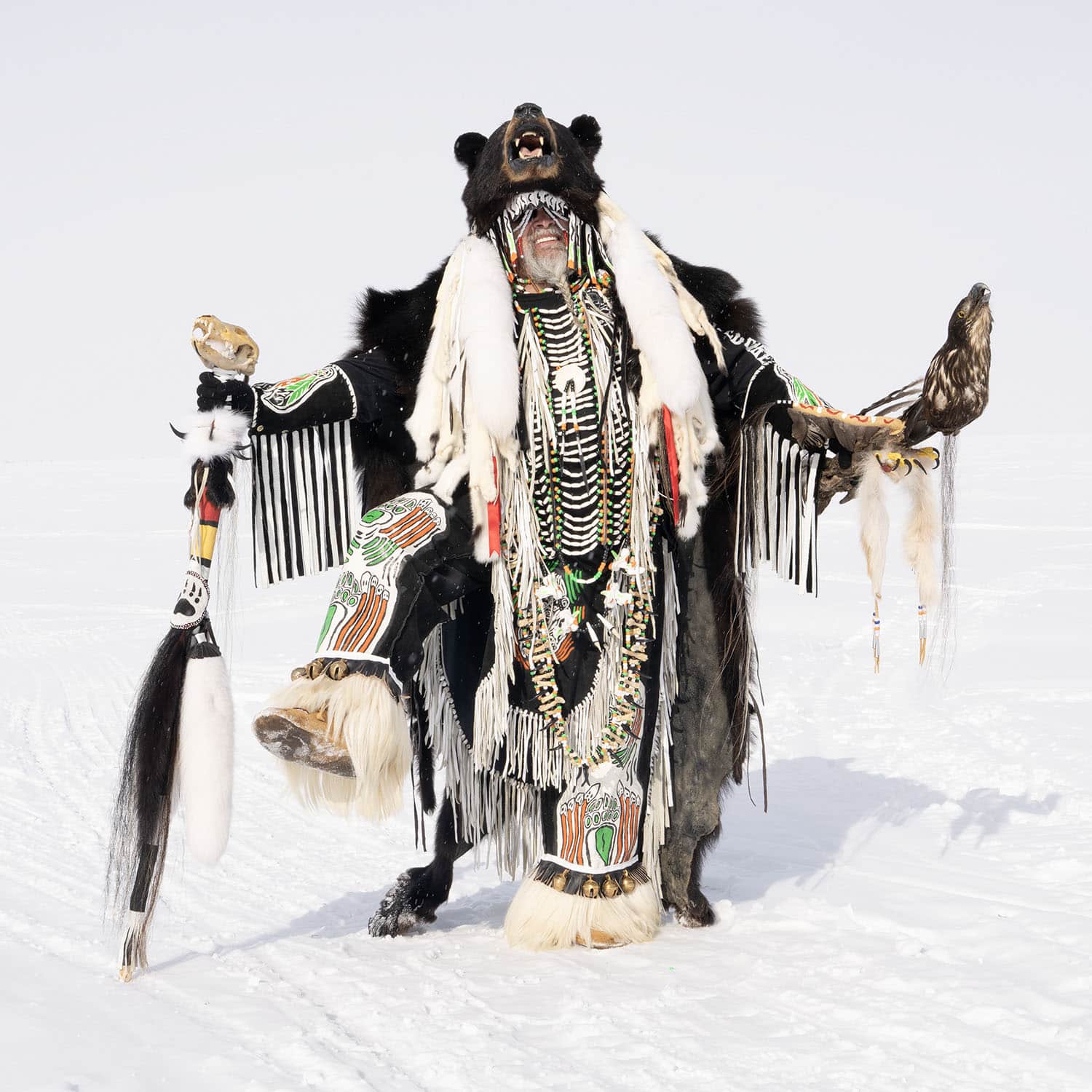
What Datessen also documents is renewal. Young people reclaiming their Innu first names. The kukum, the grandmother, keeper of knowledge. The pow-wow dancer in full regalia photographed against white snow, arms open, head thrown back toward the sky — the central image of the project, almost heraldic. “We still dance and sing on Nitassinan,” he writes. The phrase rings like a reply to those who had believed otherwise.
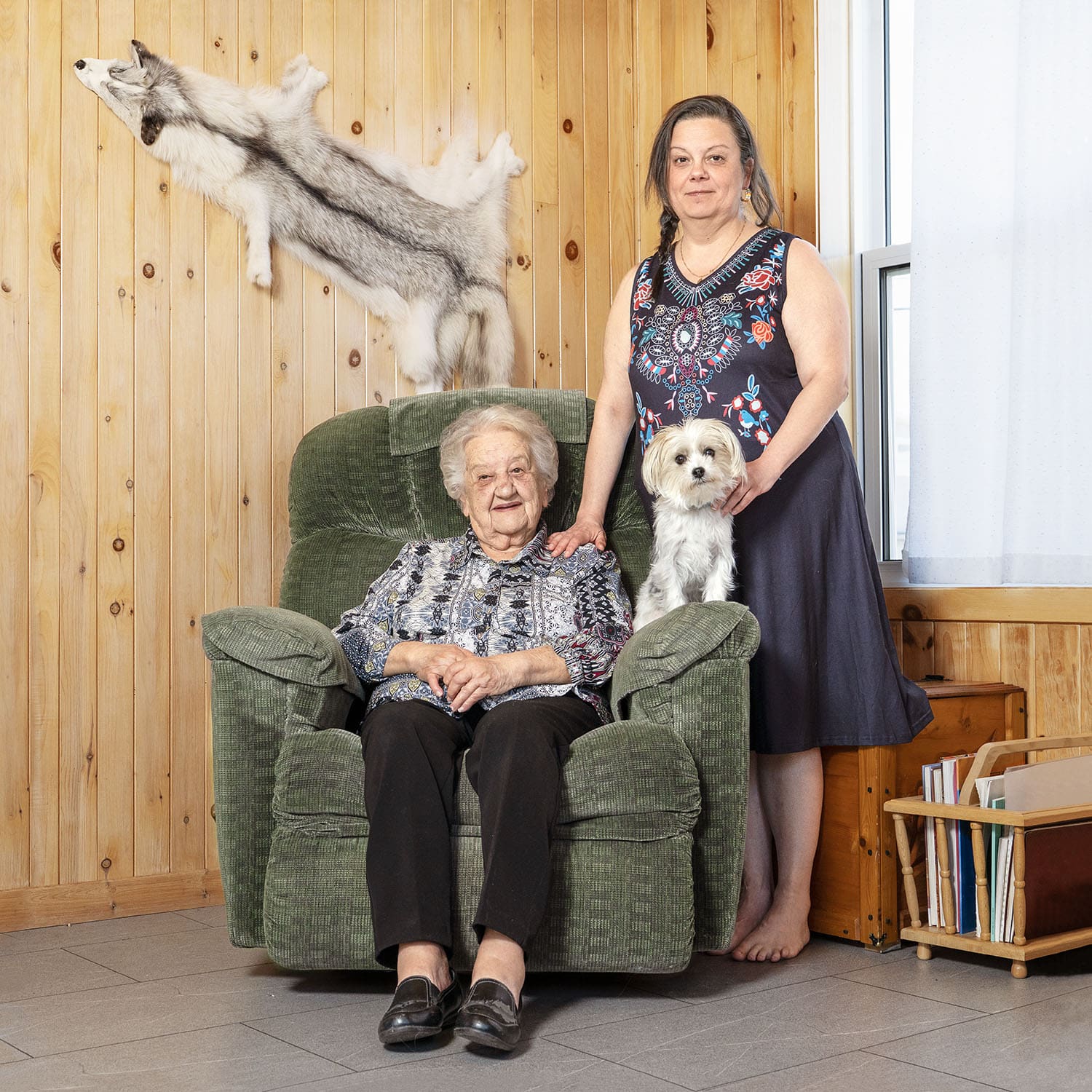
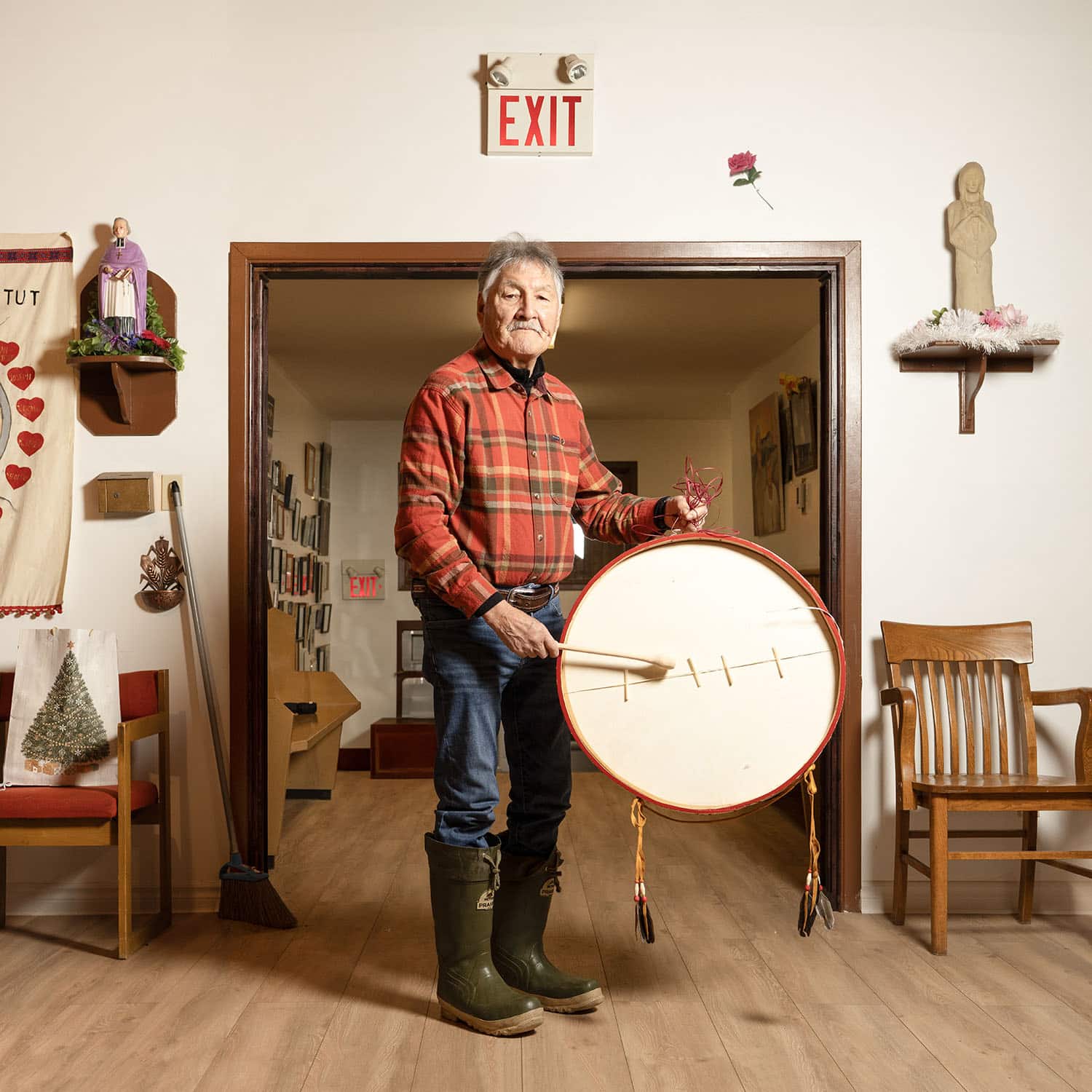
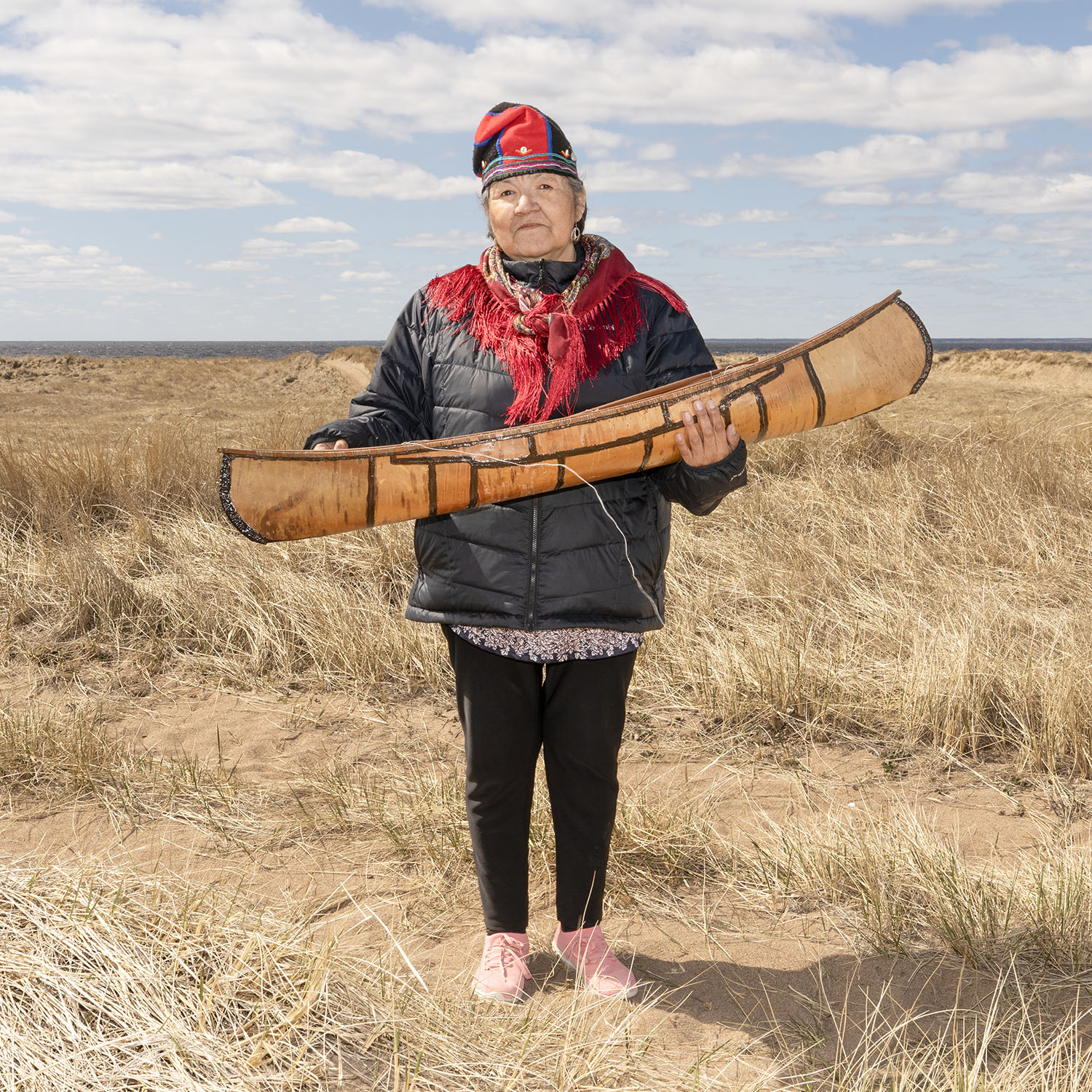
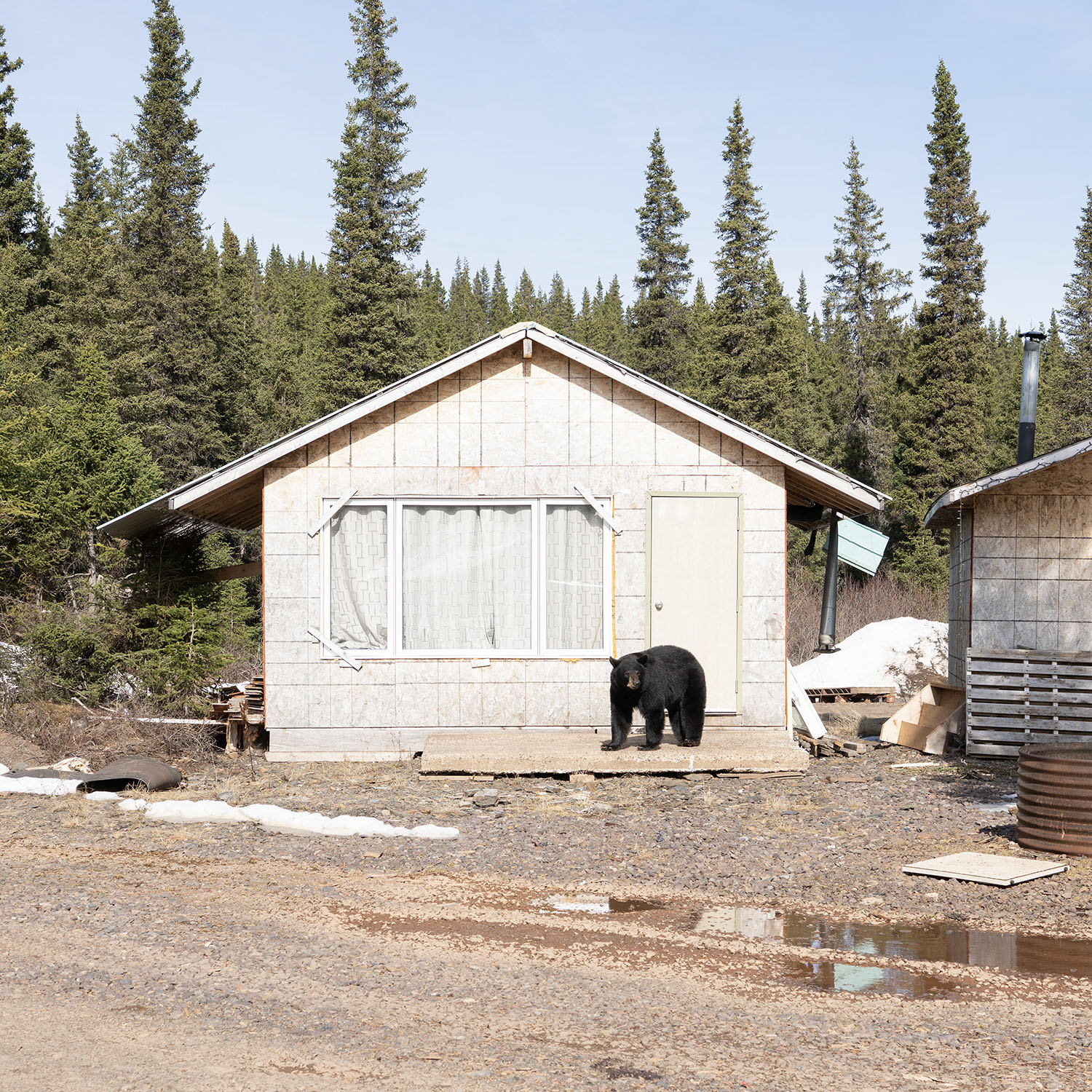
To the question — how is the Innu people doing, 40 years after the ultimate trauma of the residential schools — one and the same answer comes back, says Datessen, everywhere, in each of the seven communities he traveled through. Three words, spoken with that smile that anthropologist Serge Bouchard attributed to the “laughing people”: “We are still here.”
“Nitassinan,” by Yann Datessen is on view until April 25, 2026 at Stimultania, in Strasbourg, France.