
There is something particular about the way Françoise Huguier talks about Africa — a tenderness without romanticism, a precision without distance. She recalls her first crossings with the same simplicity one might use to describe a familiar street. She met writer Michel Leiris at the Musée de l’Homme. He told her about the Dakar-Djibouti mission he had undertaken with Marcel Griaule thirty years earlier. She asked for his permission. He said yes. She left.
In 1988, the photographer traversed Africa from east to west, from Dakar to Djibouti, by 4×4, crossing the Sahara, stopping in every country. Sur les traces de l’Afrique fantôme (In the Footsteps of Phantom Africa), the book that followed, was published in 1990 by éditions Maeght. But that journey was only the beginning of a long relationship with the continent. In 1994, Françoise Huguier founded the African Photography Biennial in Bamako — an initiative that would bring Seydou Keita and Malick Sidibé into the history of photography and help shine a light on an entire generation of African photographers. In Bamako, she would come to be known as “the Duchess.”
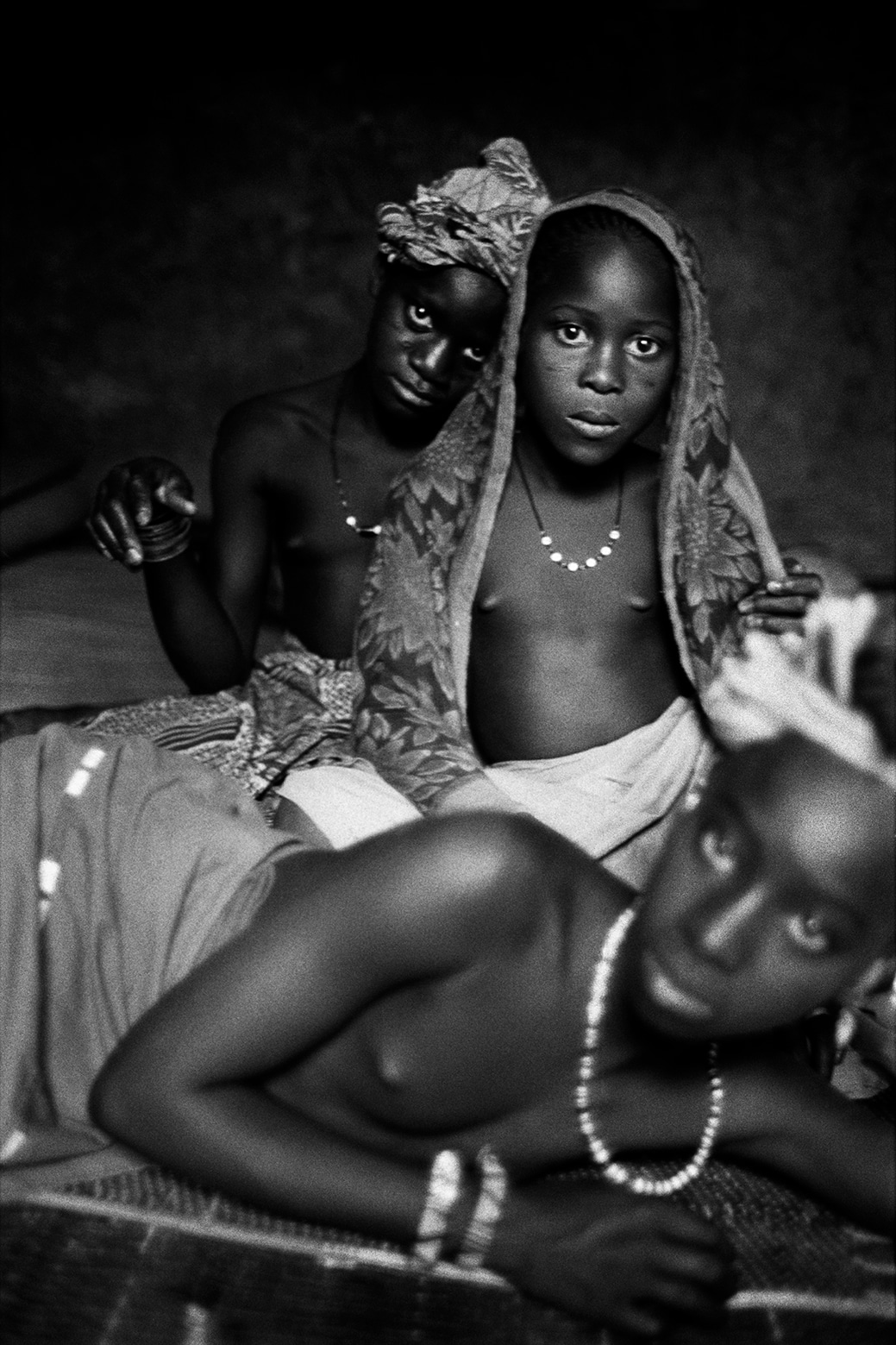
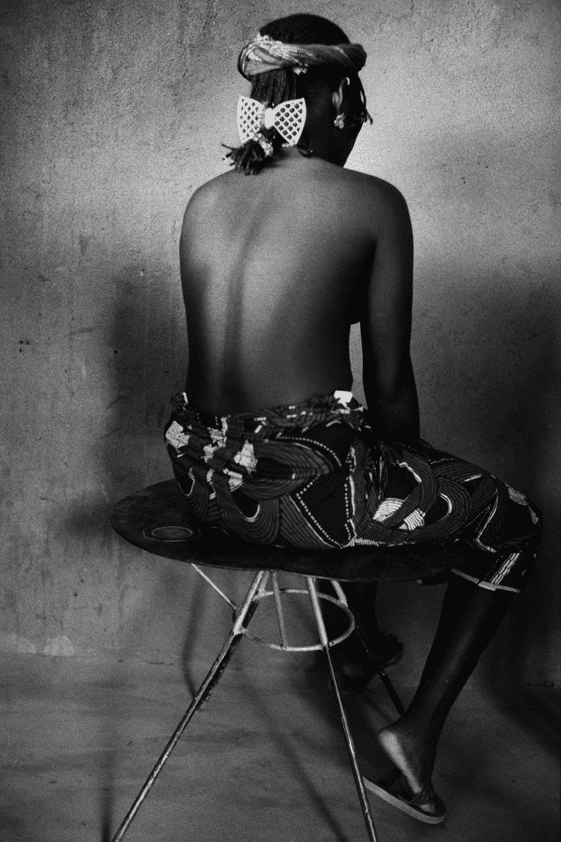
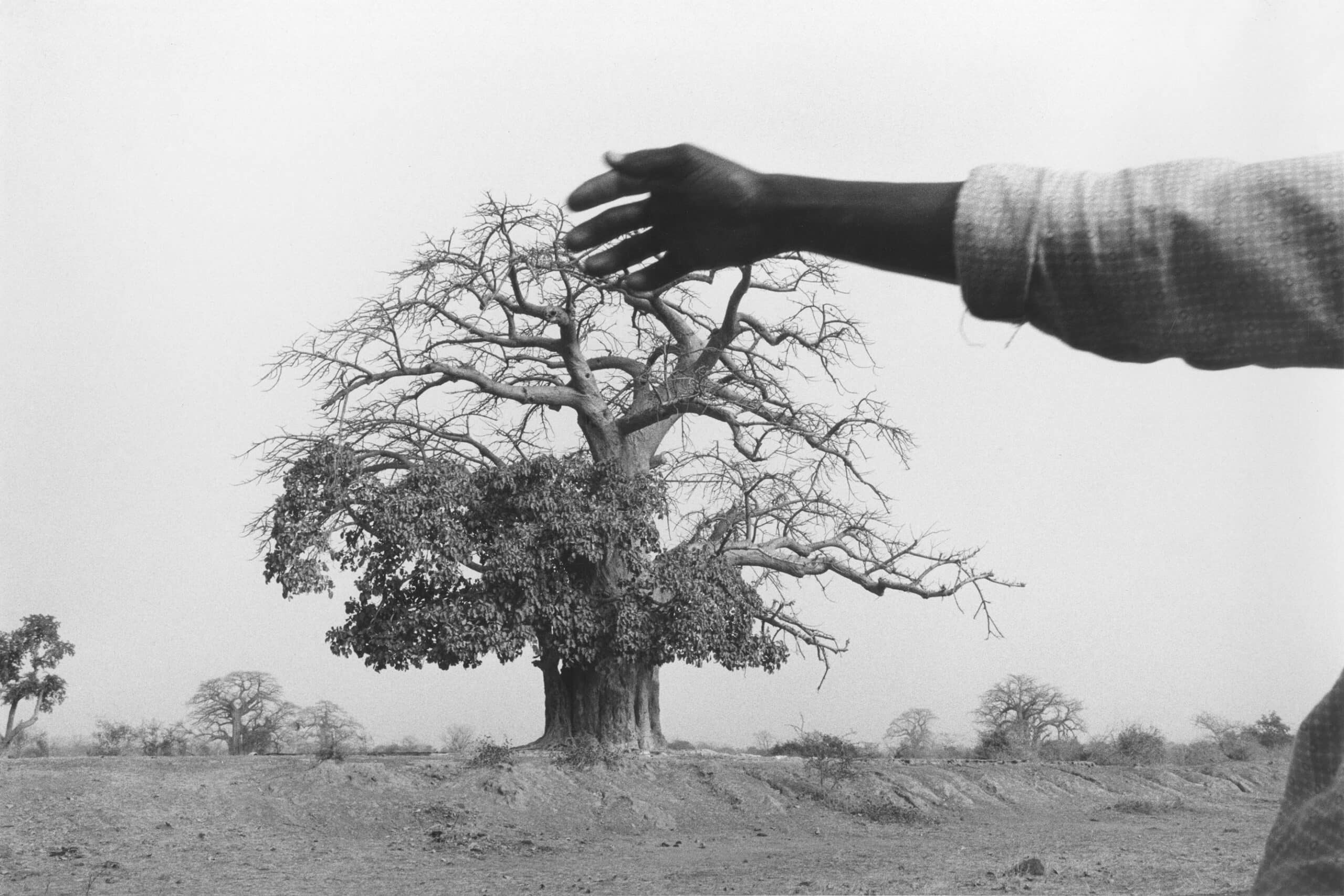
Afrique émoi is the culmination of that companionship. Published in May 2025 by éditions Odyssée, the 496-page volume brings together 517 photographs — primarily in black and white — spanning some ten countries: Mali, Burkina Faso, Benin, Cameroon, South Africa, Ethiopia, Tanzania, Djibouti… Its preface is written by Aya Cissoko, French boxer and writer. Each chapter is introduced by short notes that put the images in context, tracing the logic of the itinerary — one subject leading to the next.
The exhibition at La Hune brings together vintage prints from Galerie Polka, which represents Françoise Huguier. These are images of women, landscapes, rituals — but also intimate portraits born of sustained presence, of slowly earned trust. She recalls a house in Ségou, on the riverbank, where she stayed regularly and where women would come to find her: “they would come to tell me about their lives under polygamy,” she says. It was not a subject she had planned. “It imposed itself over time,” she acknowledges — and that is precisely what these images give back: the sense of a truth won through duration.
Among the works on show, one image draws more attention than the others. The Bozo fisherman, on the Niger River, near Timbuktu. Françoise Huguier had come to photograph hippopotamuses. She was scanning the surface of the water for their ears. Then a herd of dromedaries appeared on the far bank. The boatman bowed his head at the right moment. All you see is his back, and on his shoulder, placed there as if by chance, a dromedary silhouetted against the sky. “It’s the photo people really love,” she says, with a modesty that seems genuine.
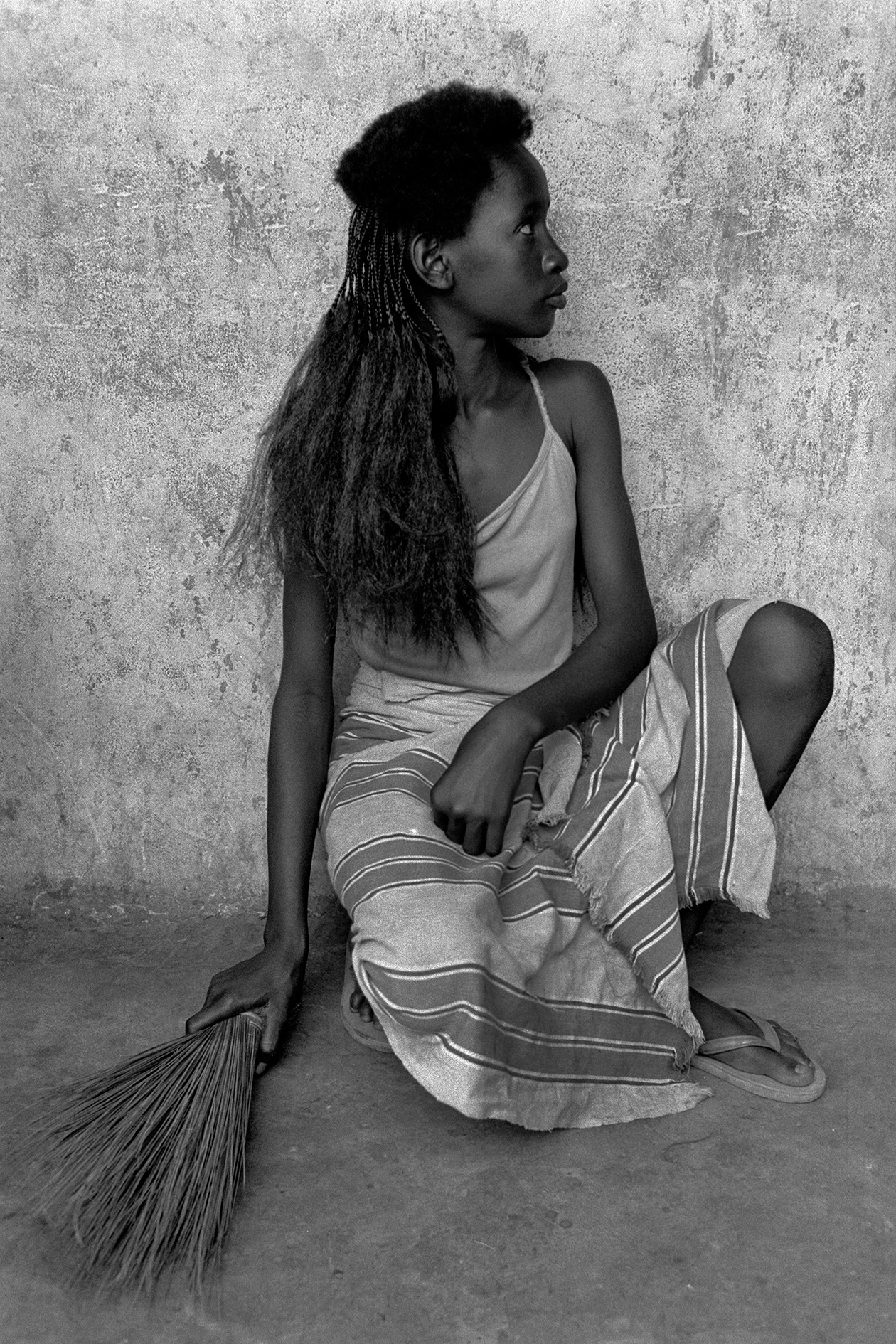
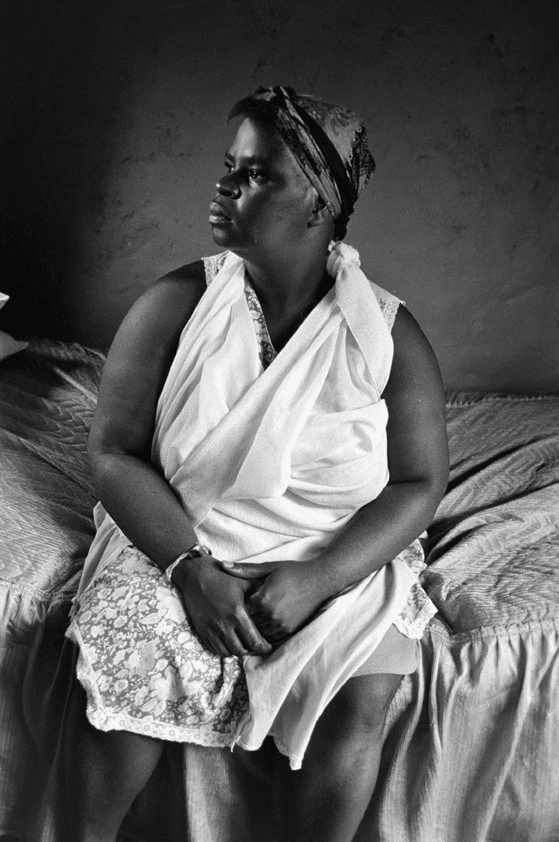
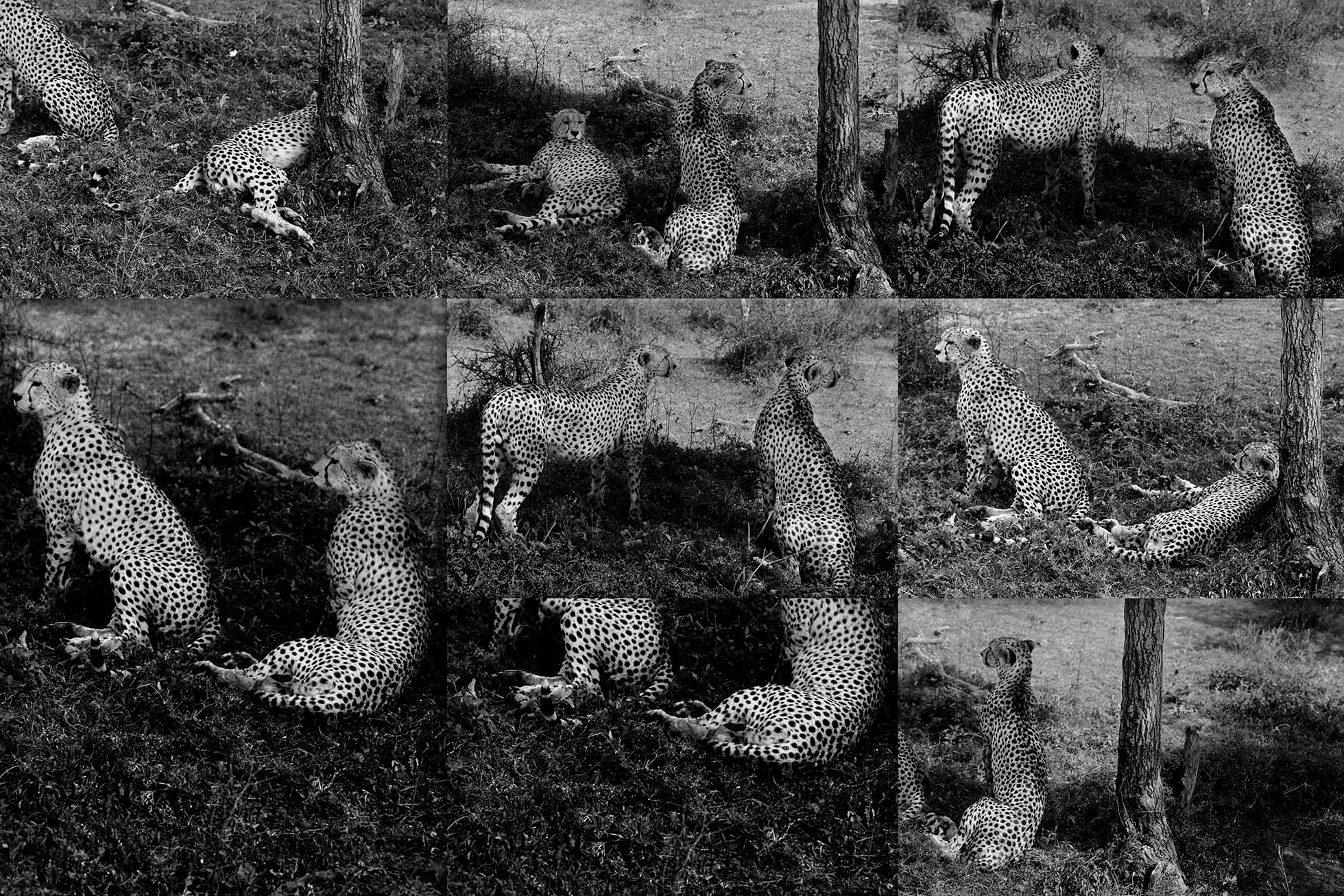
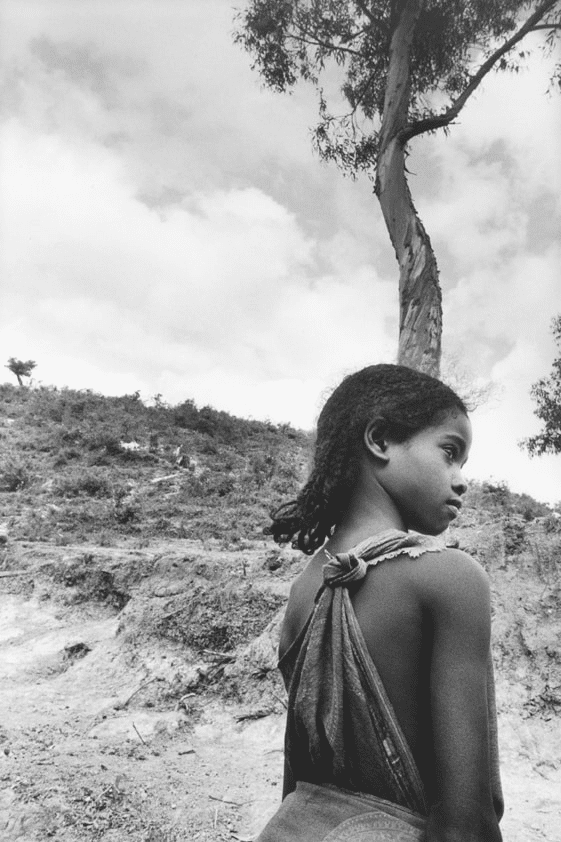
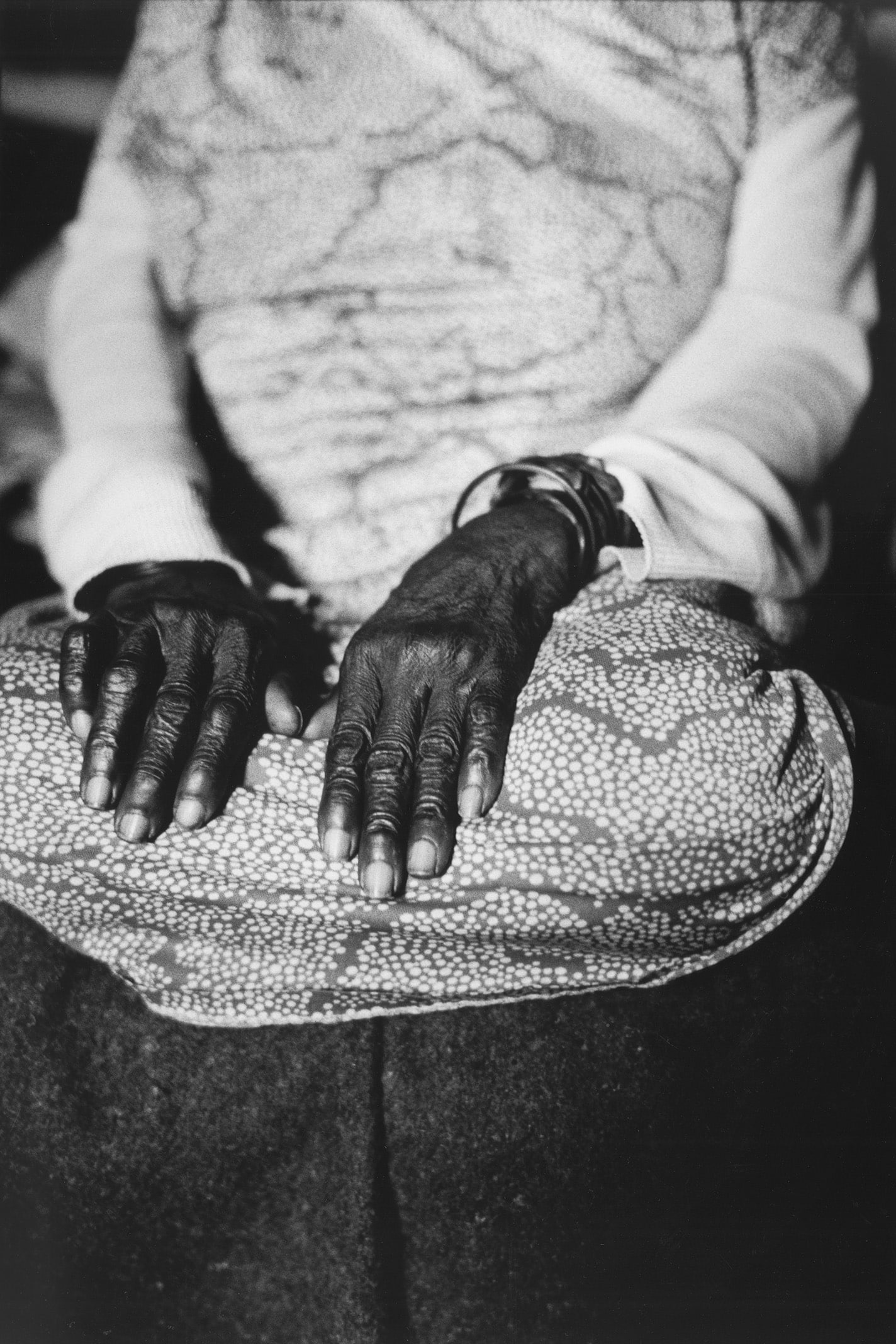
What this exhibition reveals, in the negative, is also a vanished time — territories the photographer knows by heart but can no longer reach. Northern Nigeria during Eid, northern Cameroon, Timbuktu, Dogon Country. “You can’t go there anymore, unfortunately,” she says. “I was lucky — it was a whole period when there were no problems at all.” That simple past tense says everything: the luck was not in the image itself, but in having been able to be there.
La Hune holds particular meaning for Françoise Huguier. She used to visit the bookshop when it was located next to Les Deux Magots, in the 6th arrondissement where she grew up. “I went there often, because there were wonderful books,” she remembers. This return, to a space now dedicated to photography, has something of a loop closing — and an invitation to look differently at what one thought one already knew.
“Afrique émoi” (Emotional Africa), by Françoise Huguier, is on view until March 14 at La Hune, in Paris.