
“Only the Madonna sees the world from below.” This pious phrase crystallises Guido Guidi’s ethic: to photograph at human height, without artifice or showmanship, in a radical humility before the visible. For this photographer born in Romagna in 1941 and trained as an architect in Venice, “photography must be low because it is something of the ground.”
The exhibition opens with a sequence soberly titled “Preganziol.” In the abandoned rooms of this small town in the Veneto where Guidi lives with his wife Marta, light carves unsparing geometries across floors strewn with dead leaves. In this photographic essay of 16 images, “he photographed the flow of time,” summarises Simona Antonacci, co-curator of the exhibition.
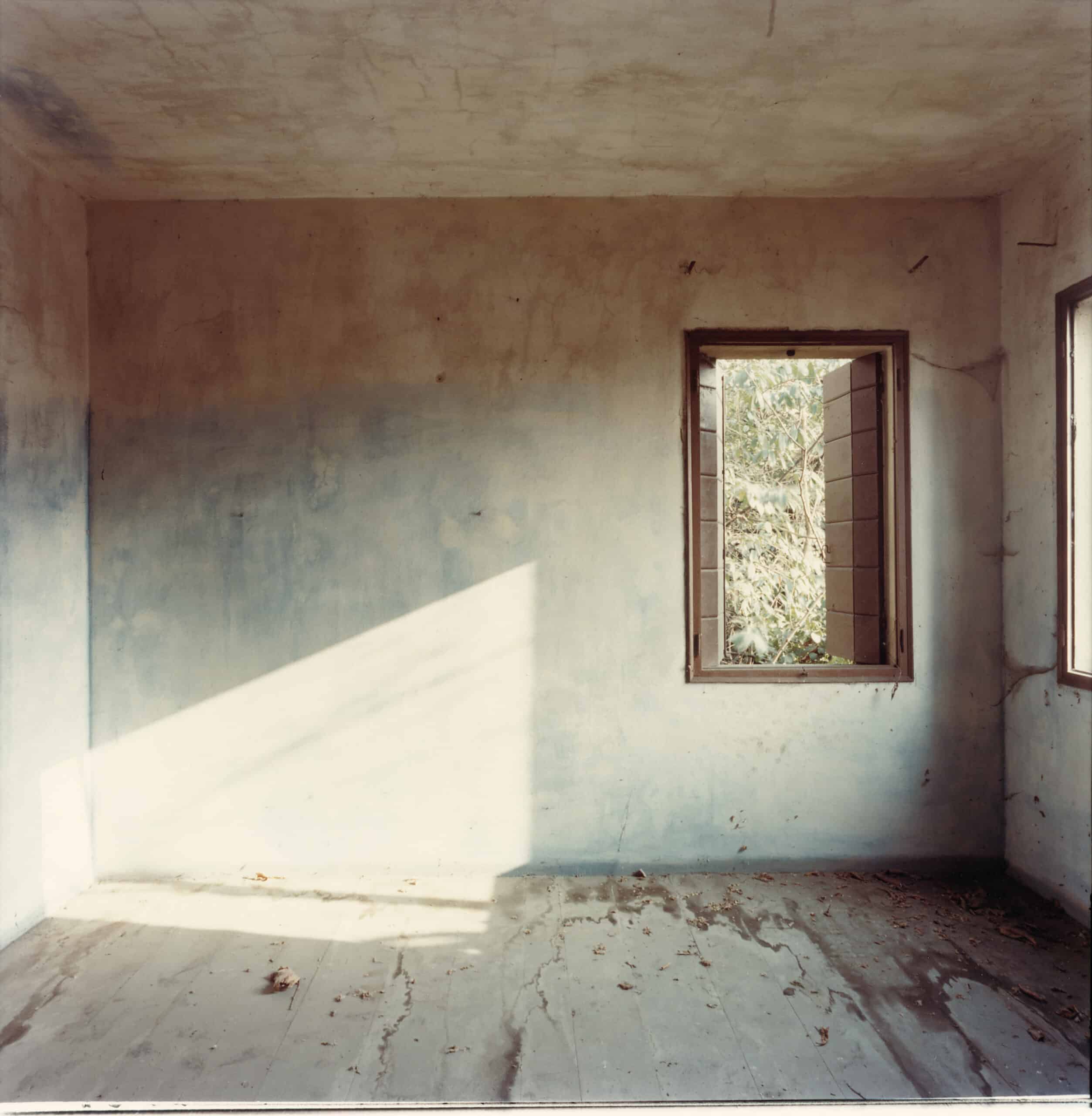
One senses the silence, the slow temporality, the repetitive and rigorous gestures of his large-format practice. “These are contact sheets,” the curator explains, because Guidi “never enlarged his photographs, he always worked this way because it is the truth of photography.” Each exposure becomes “a way to dignify things, to grant them presence.” We are touching the sacred.
The parables of the ordinary
“To me, the act of photography is a prayer,” confides Guido Guidi. This votive dimension courses through his entire body of work, nourished by his training at the art lycée in Ravenna. “In high school, my first art history teacher was half Florentine. He knew everything about the late Middle Ages and the beginnings of the Tuscan Renaissance. For four years, he spoke to us of nothing but Giotto, Masaccio and the rest,” he recalls in conversation with Antonello Frongia, co-curator of the exhibition.
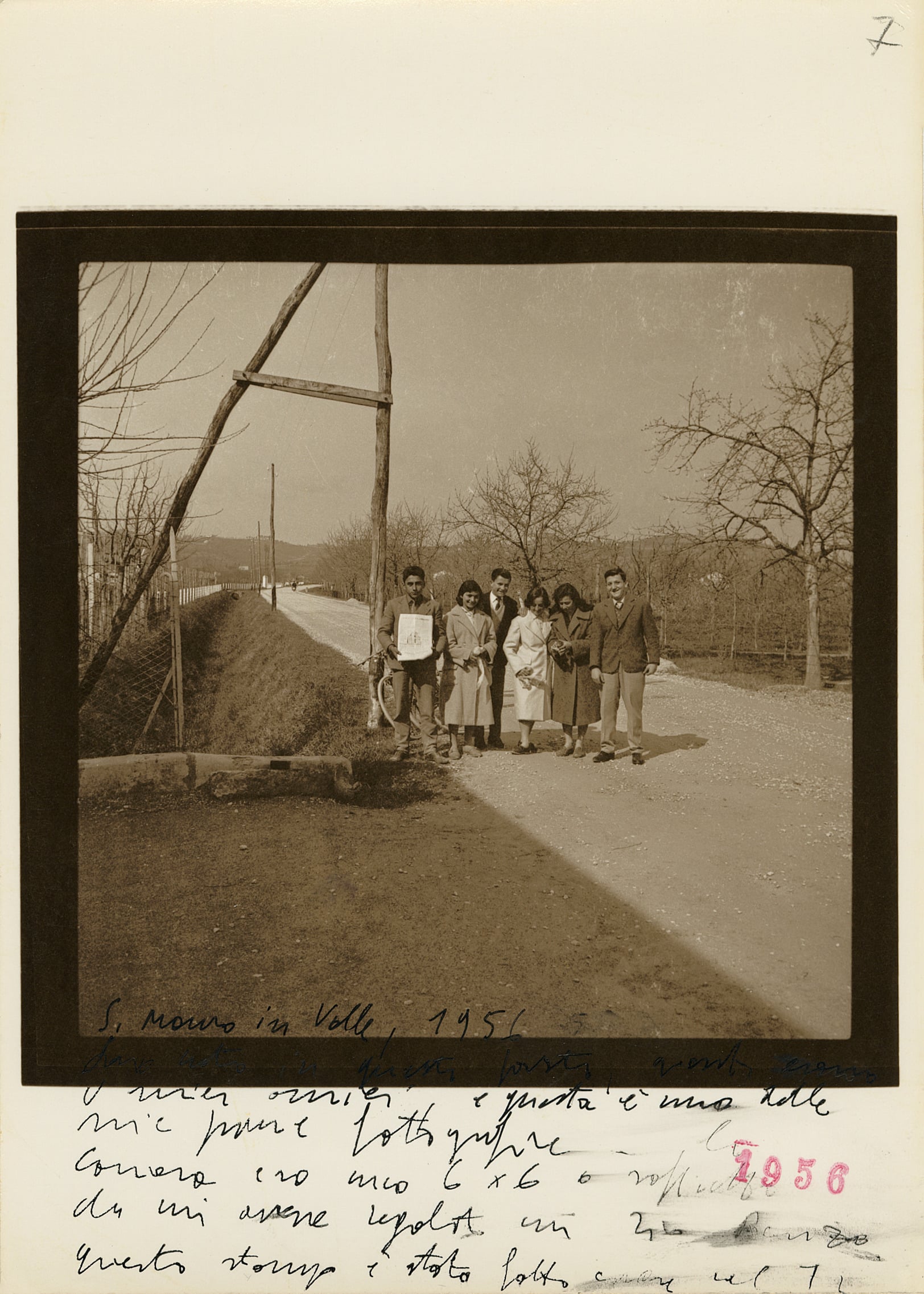
The imprint of the Italian Renaissance — perspective, chromatic balance, spatial construction — would irrigate his entire practice, but bent towards subjects that art history had forsaken. For Guidi performs a Copernican revolution: rather than bending the world to his vision, he lets himself be traversed by the instrument. “To reveal is not to express,” he proclaims, countering the “attitude of the all-powerful artist whose filter of vision sublimâtes reality.”
This reversal stems from the “exercises in photographic grammar” of Italo Zannier, his professor at the Venice architecture institute, who initiated him into the singular properties of the medium. “It is no coincidence that perspective was born in Florence, while the Veneto can be considered the birthplace of atmospheric perspective. In Venice, during my architecture studies, I skipped mathematics classes to visit the Accademia, the Museo Correr or the churches,” Guidi recounts.
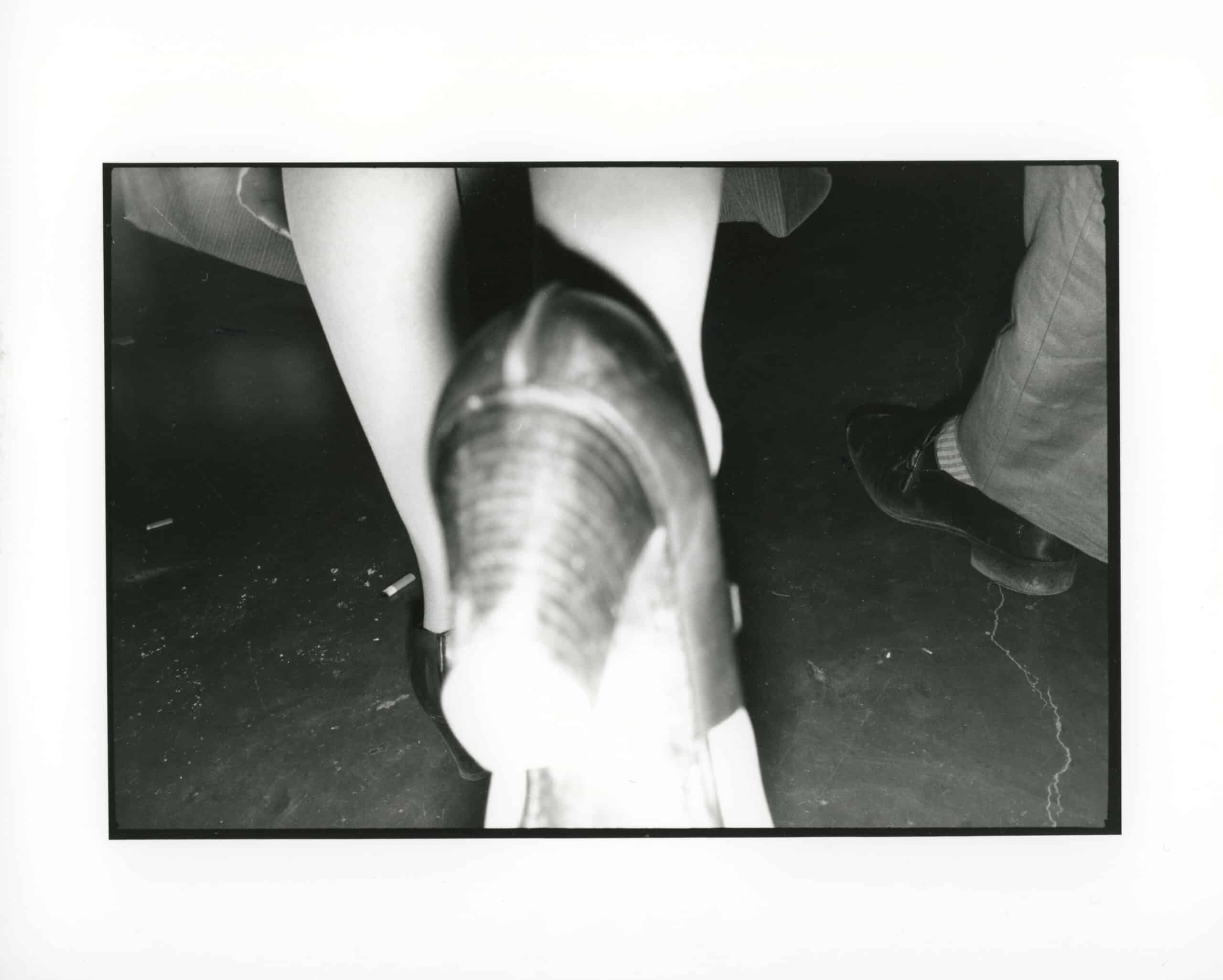
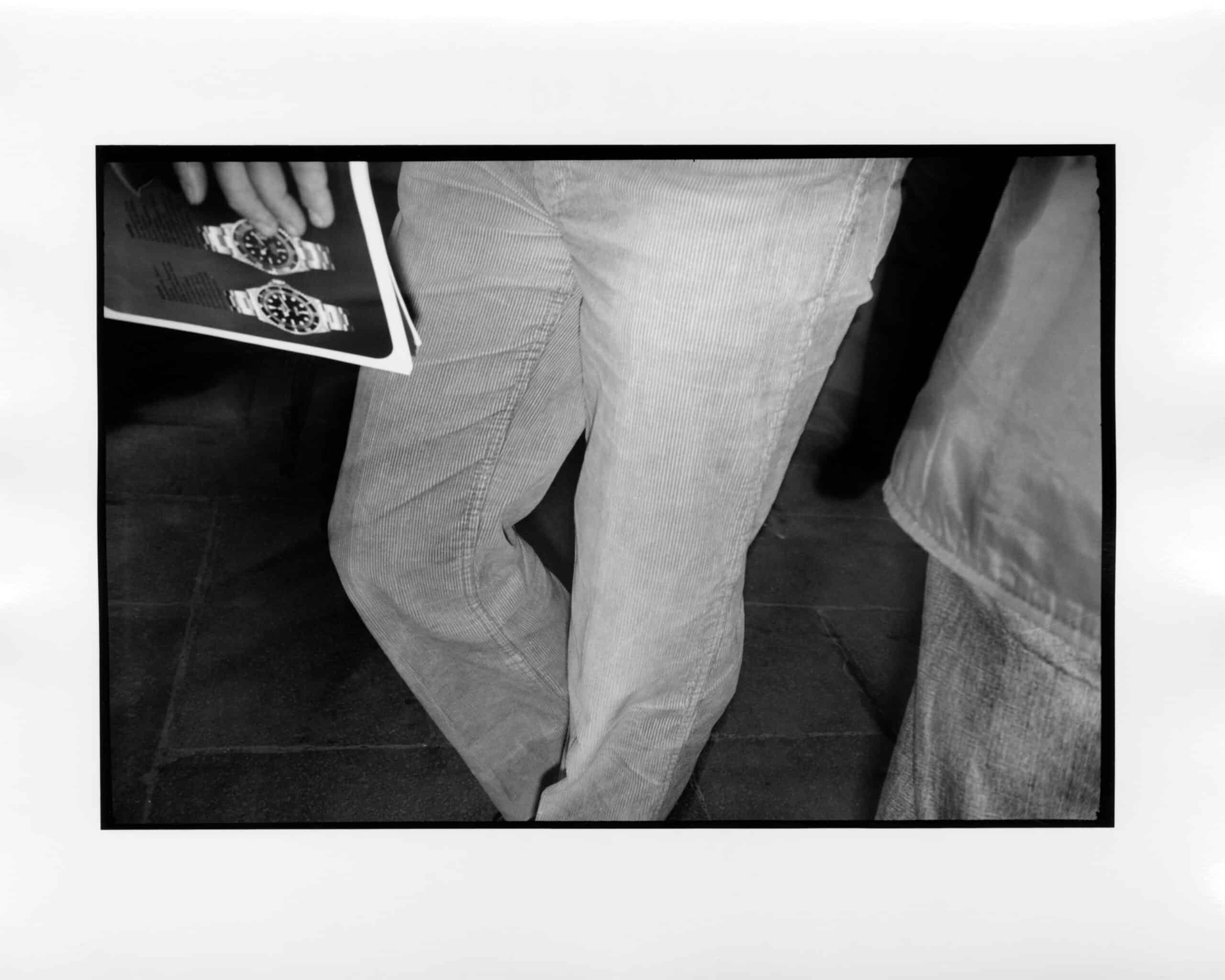
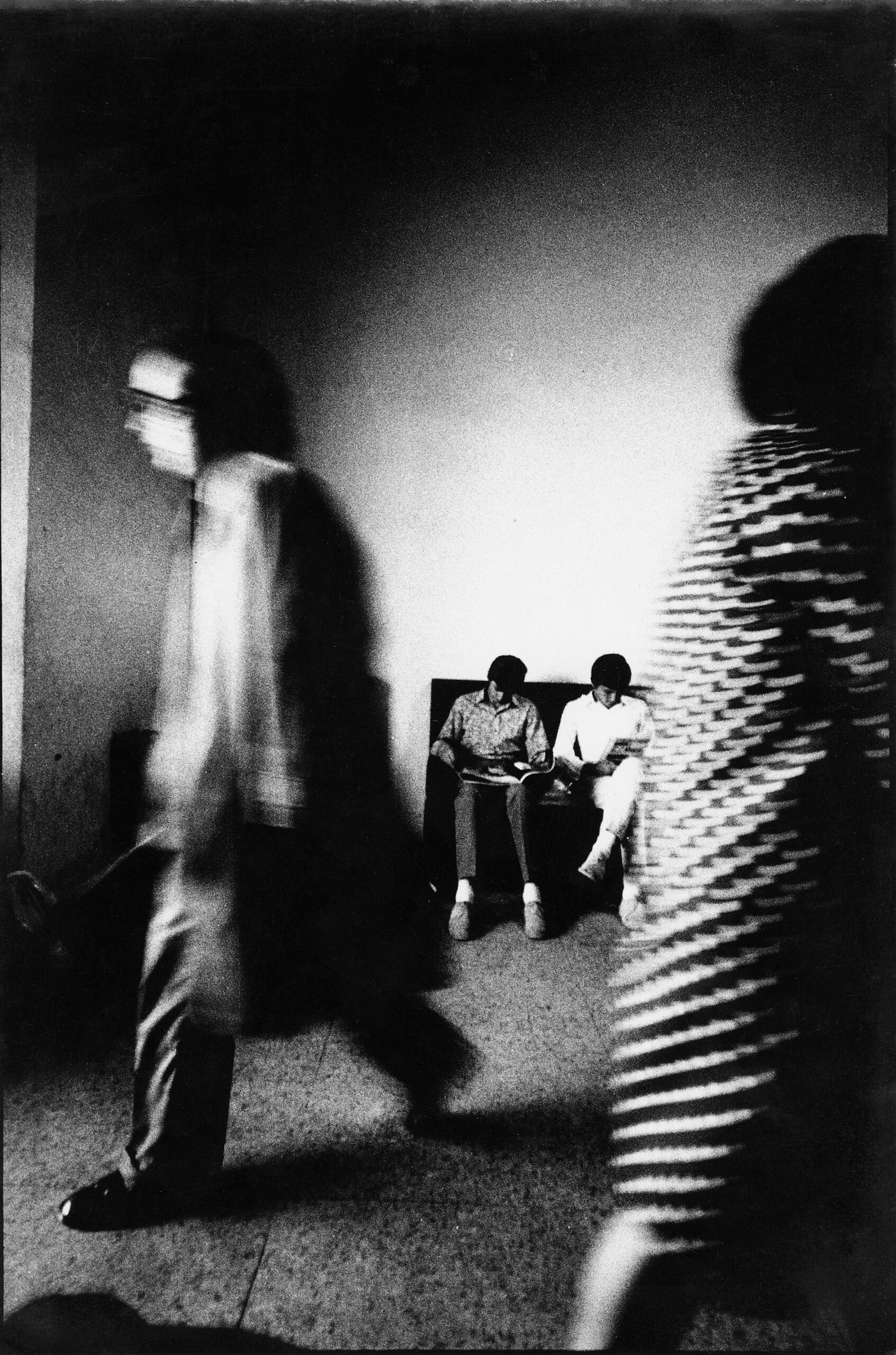
This dual lineage — architectural and pictorial — engenders an approach at once ascetic, experimental and political towards the Italian territory. Appointed permanent photographer at the IUAV in 1970, Guidi pursues his research along “two directions.” On the one hand, his intimates caught di sguincio (at an angle) in a spontaneous black and white where movement and blur prevail.
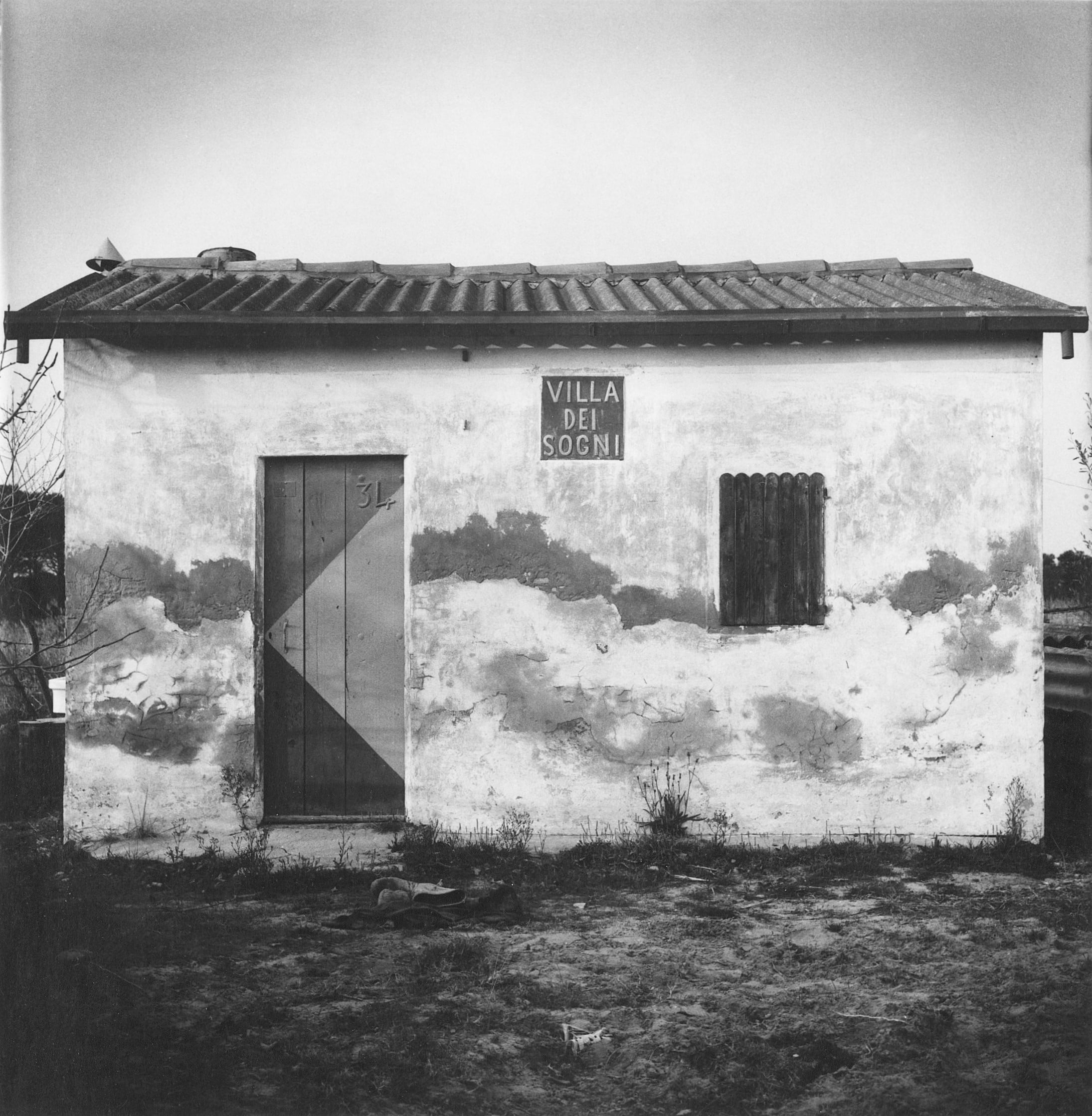
On the other, under the influence of Walker Evans, a patient investigation of the vernacular architecture of his native Romagna. “The façade is a face,” he explains, devising a photography of “performance of the encounter” in which each shot activates “an exchange of gazes, not only those, human, of the photographer and the viewer, but also those that spring from the photographic frame.”
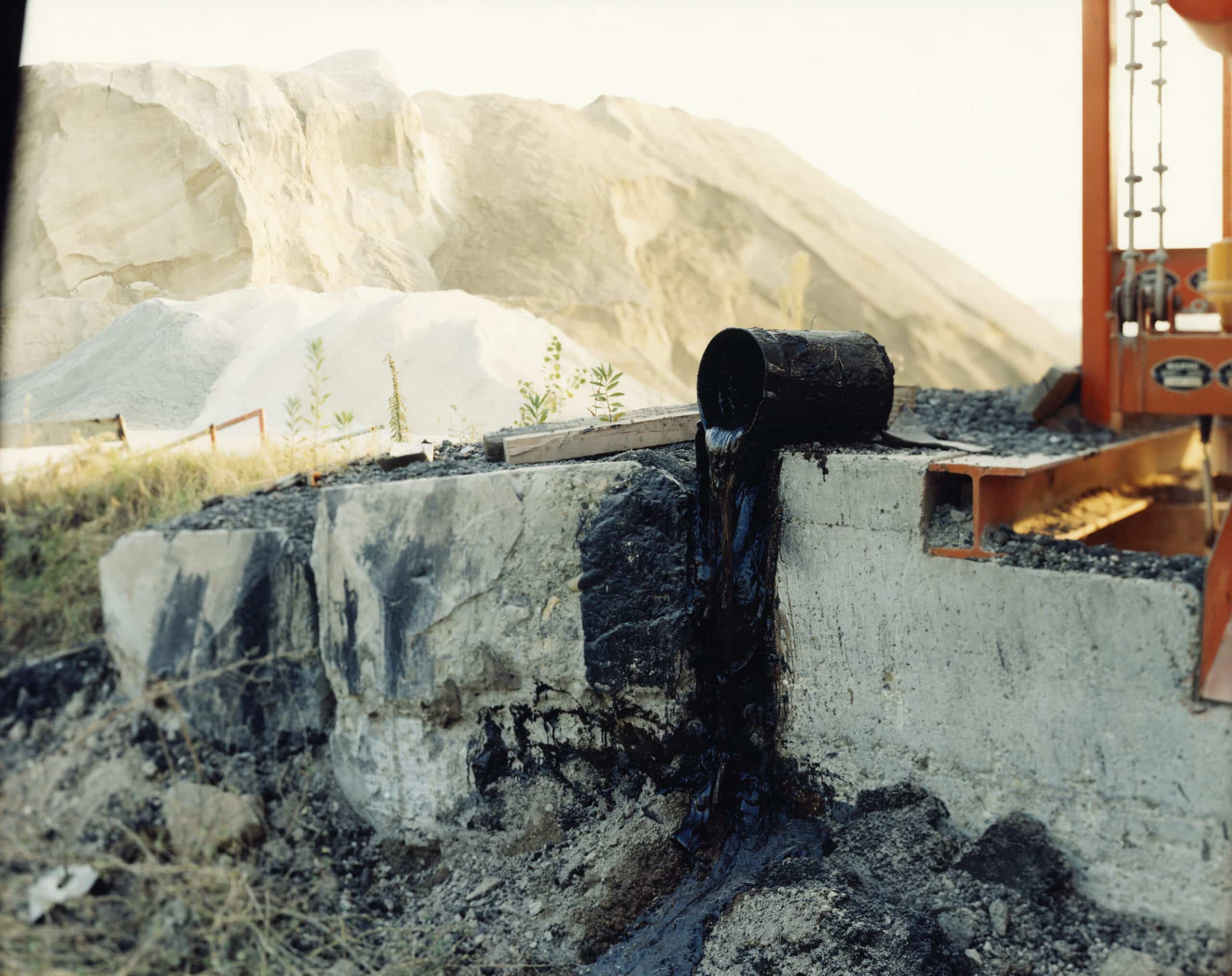
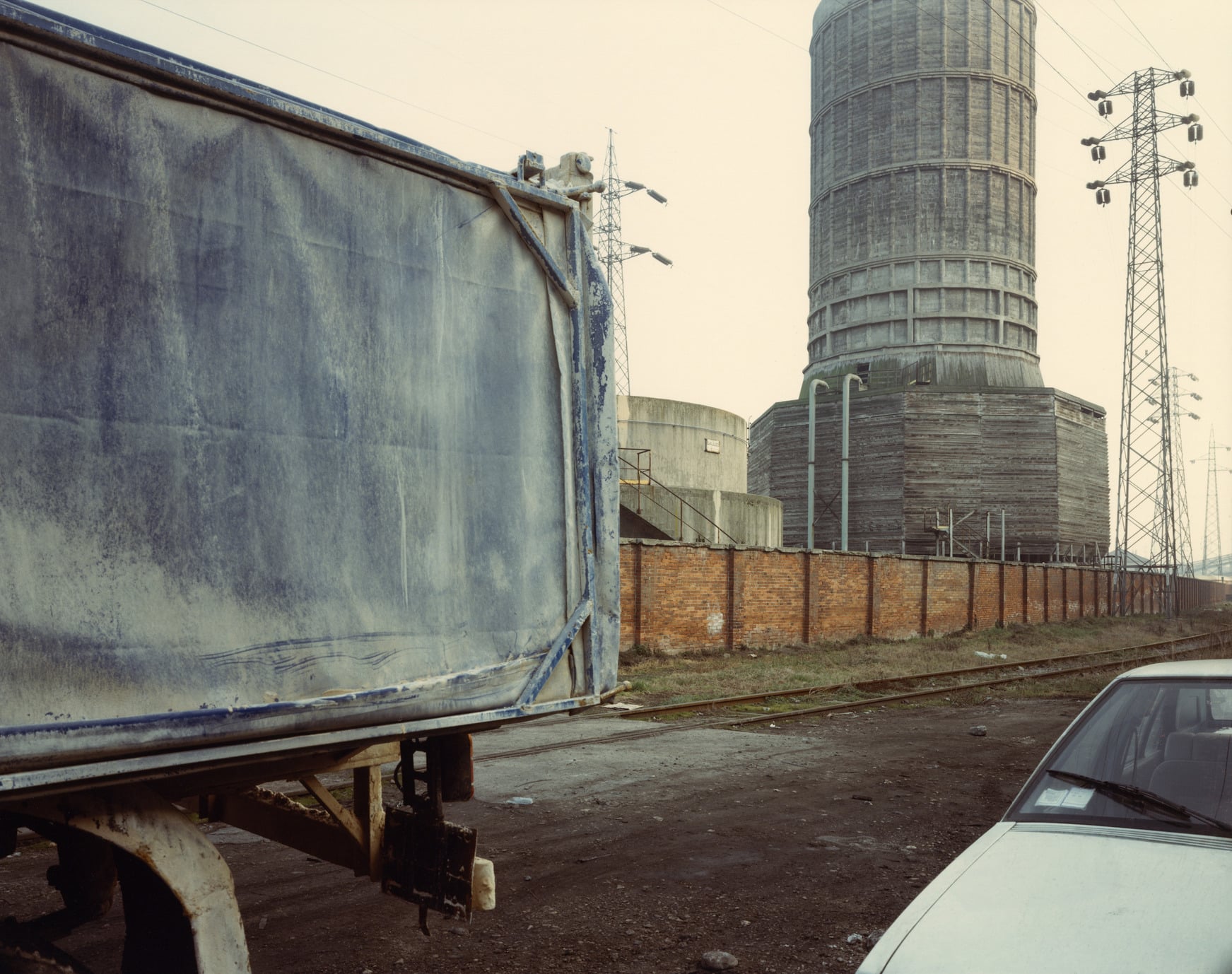
This philosophy of the face-to-face culminates in the 1980s with the shift to large format and colour. First using a handmade camera he built himself, then a Deardorff, he develops a meditative ritual in which “the camera thinks to help the photographer see, because the camera can see afterwards, before the mind will see.”
The apotheosis of this communion with the apparatus comes at Carlo Scarpa’s Tomba Brion. Photographing this cemetery over ten years to capture “the exact measure and the exact position to tell time,” Guidi experiences an epiphany: “That day, the camera helped me see.” The series uncovers something the architect himself “had perhaps not anticipated,” infiltrating Scarpa’s work so that “the photographic could assert itself.”
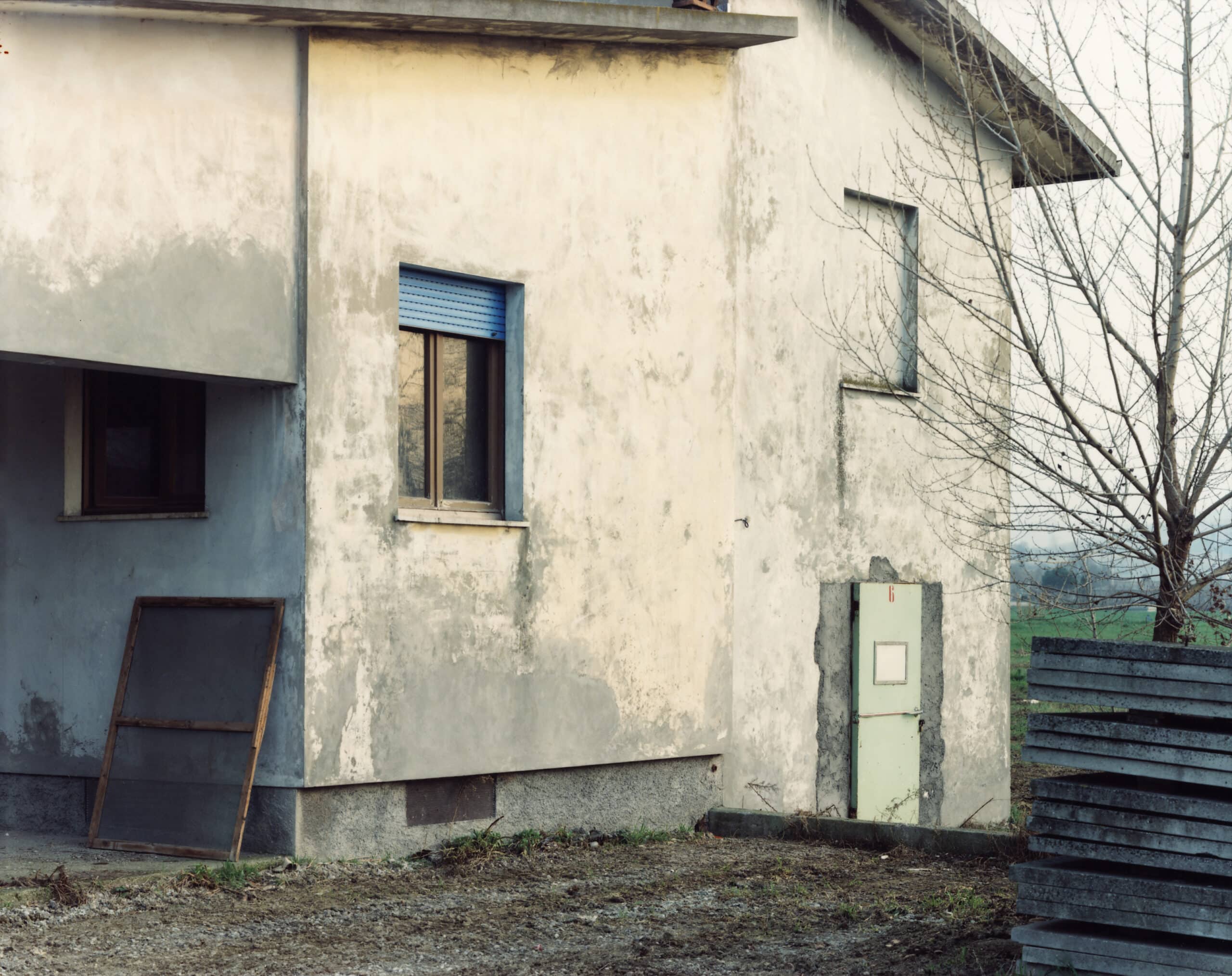
At Porto Marghera, Venice’s industrial zone, or on the building sites of the fast train line, Guidi brings this same exacting vision to “neglected landscapes” where he discerns “elements, eyes, something that recalls the way we see.” Far from the spectacular, he favours “something minimal” and discovers “the grammar of seeing.”
“I think of photography understood as a process of knowledge — I don’t believe in the definitive result — there are only stages,” he writes as early as 1971. This processual vision courses through the exhibition at LE BAL, arranged in 18 sequences devised by the artist himself. For behind the apparent modesty of these images lies an aesthetic subversion.
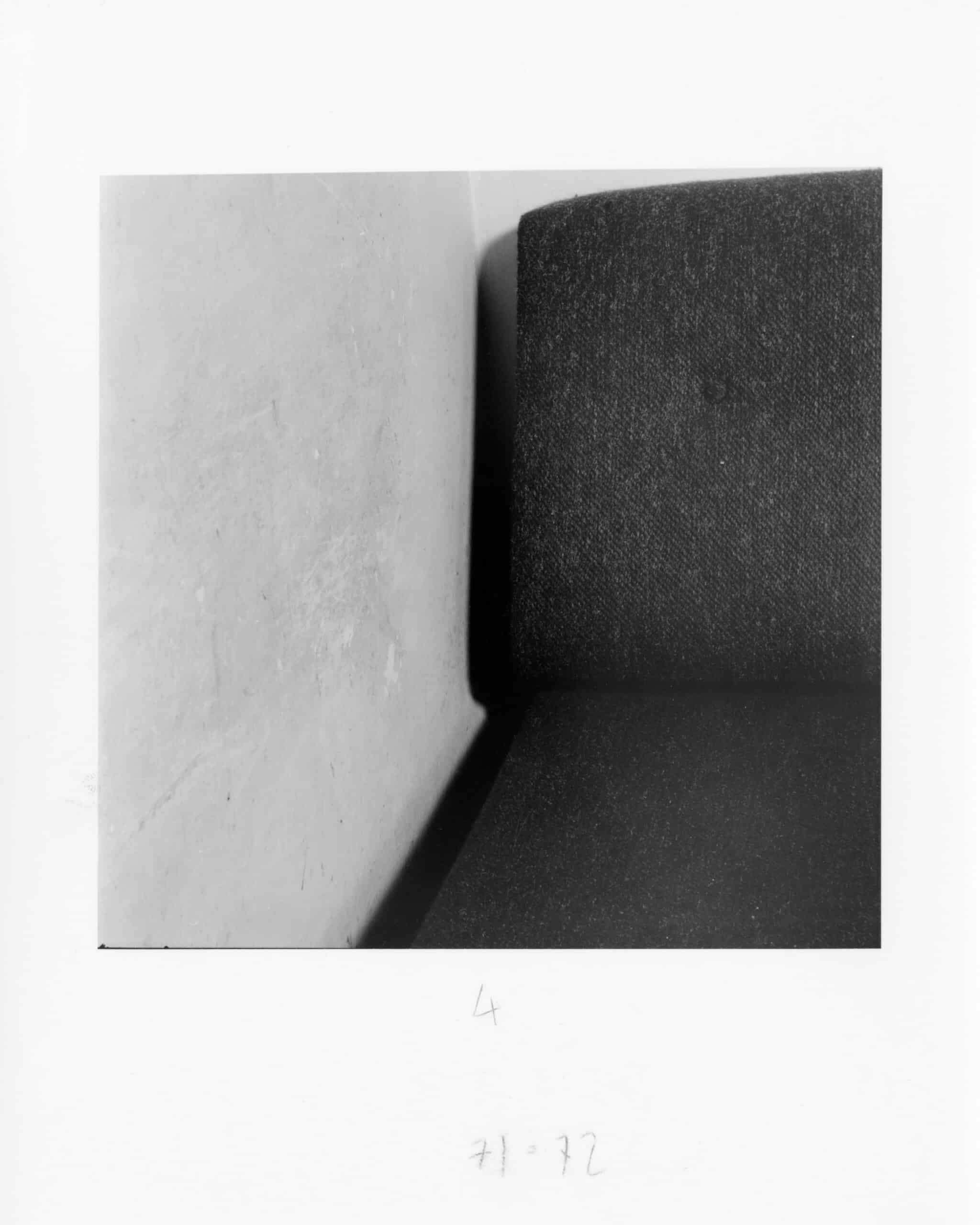
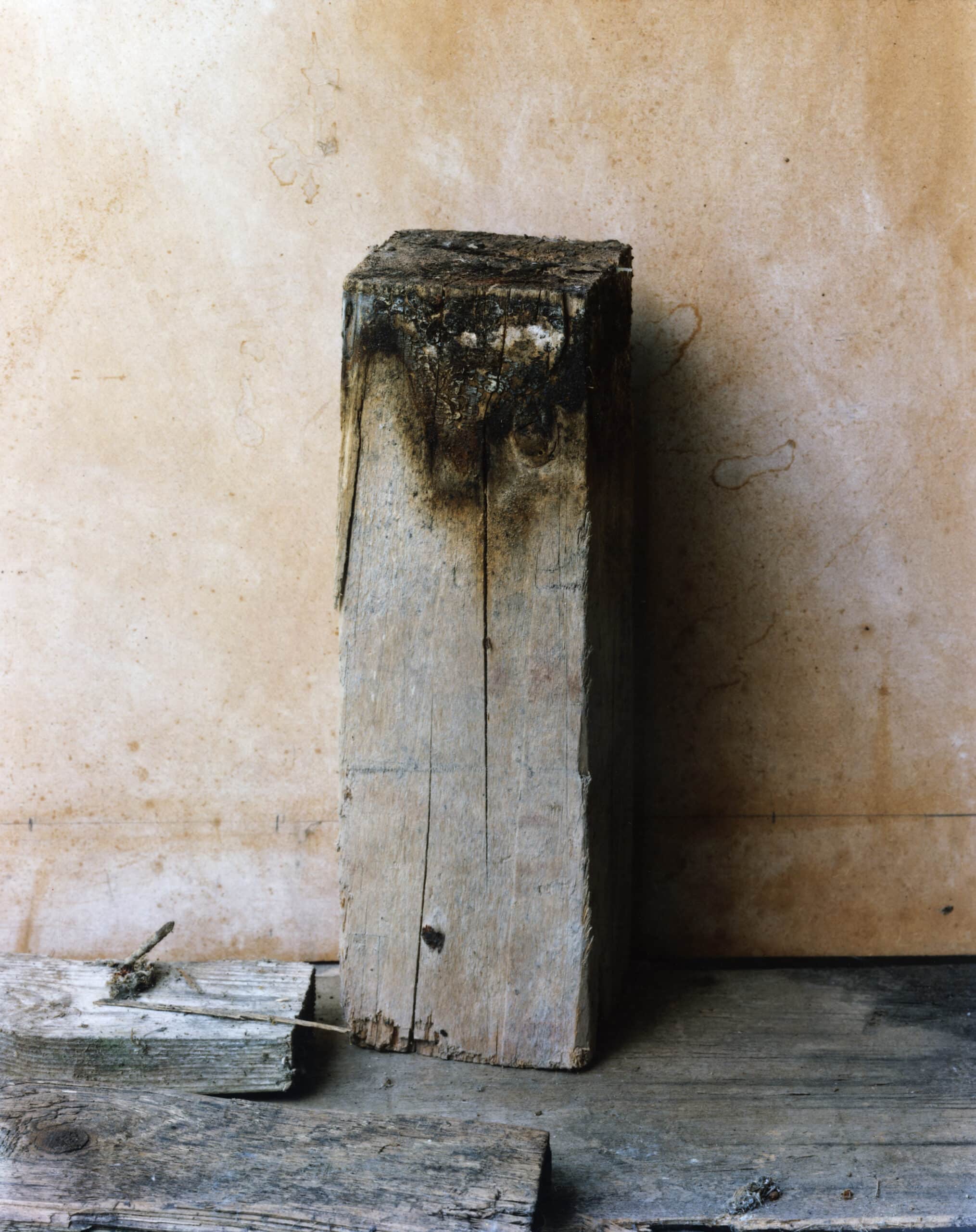
When Guidi photographs Porto Marghera rather than Venice, he asserts that “this non-sensational, non-stereotyped, non-cliché, non-representative motif” can “ensure that our gaze will be contemporary.” A precursor of contemporary photography, he demonstrates that “by standing apart from everything already codified, everything already spectacular,” one can bring to the surface “the poetry of the everyday.”
Recognised through Viaggio in Italia (1984), exhibited at the Fondation Henri Cartier-Bresson in 2014, then a teacher and co-founder of Linea di Confine, a research centre dedicated to the photography of territory, Guidi transmits his “true theory of photography” to generations of students.
“Any noise heard long enough becomes a voice,” reminds Diane Dufour, director of LE BAL. The longer one contemplates these “infinite variations” around the same motifs, the more “the grammar of Guido” reveals itself. This fluid body of work, woven from imperceptible modulations, teaches us that “the more one looks at the same thing, the more its reach expands.”
What remains is the impalpable persistence of passing time, deposited without a sound upon the surface of the world.
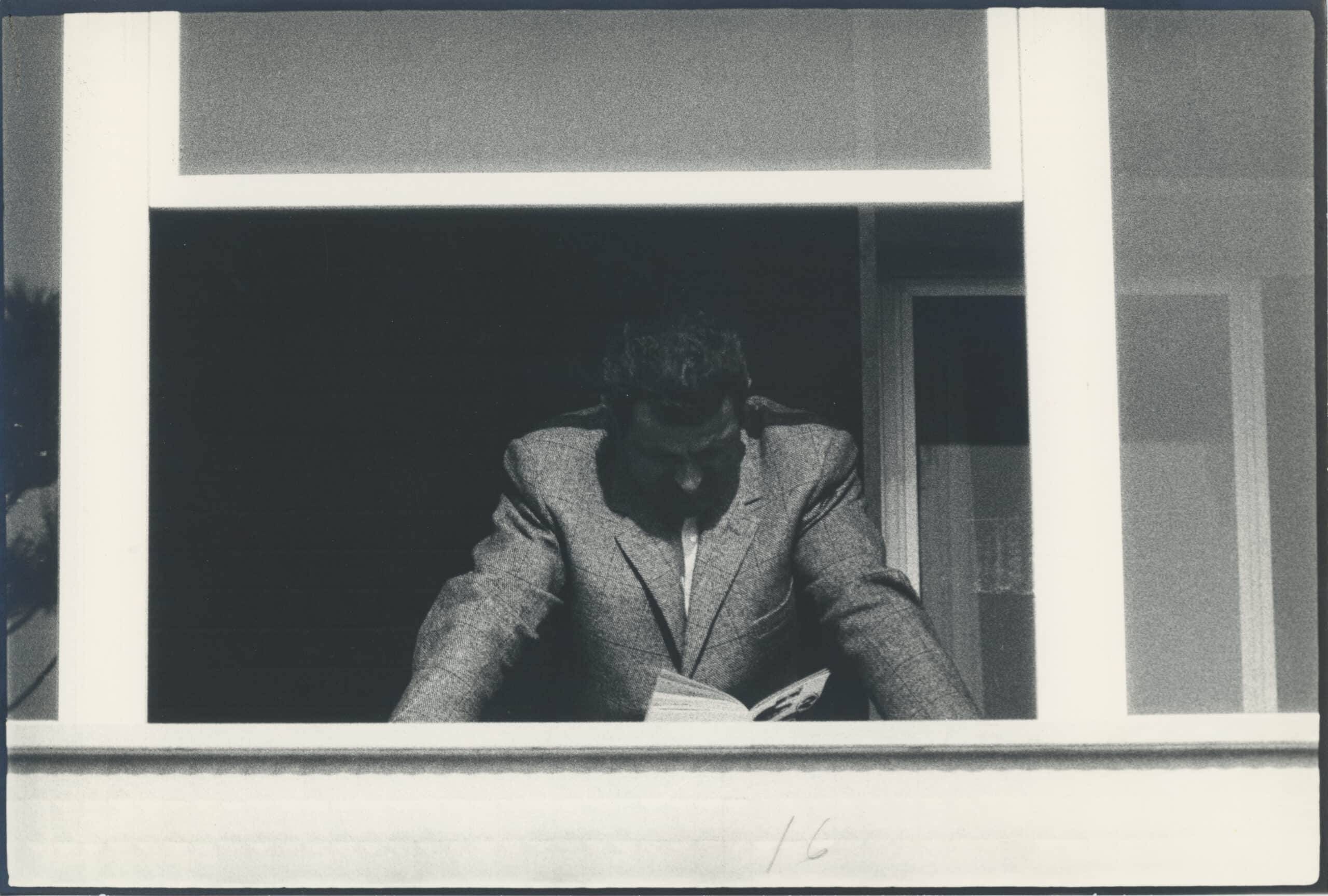
The exhibition “Guido Guidi. Col Tempo, 1956–2024” is on view at LE BAL, Paris, until 24 May, 2026.
Col tempo, 1956–2024, co-published by LE BAL and MACK, is available at $80.