
In March 2020, Pascal Greco was supposed to leave for Iceland. Lockdown decided otherwise. Stuck at home in Geneva, the filmmaker-photographer bought a PS4, discovered Death Stranding, and recognized in its volcanic expanses the very landscapes he had planned to walk. The result was Place(s), a book of screenshots in Polaroid format that sold out in a flash.
But Iceland was only the beginning. Over four years, Greco ventured further afield: the Caribbean of Far Cry 6, the Greece of Assassin’s Creed Odyssey, the Norway of Assassin’s Creed Valhalla, the Japan of Assassin’s Creed Shadow, the California of Cyberpunk 2077, the Pennsylvania of Silent Hill 2, the Bolivia of Tom Clancy’s Ghost Recon Wildlands, the Mexico and Australia of Death Stranding 2. A dozen games and as many imagined geographies, distilled into seventy-six photographs and gathered in Photography, Video Game, Landscape.
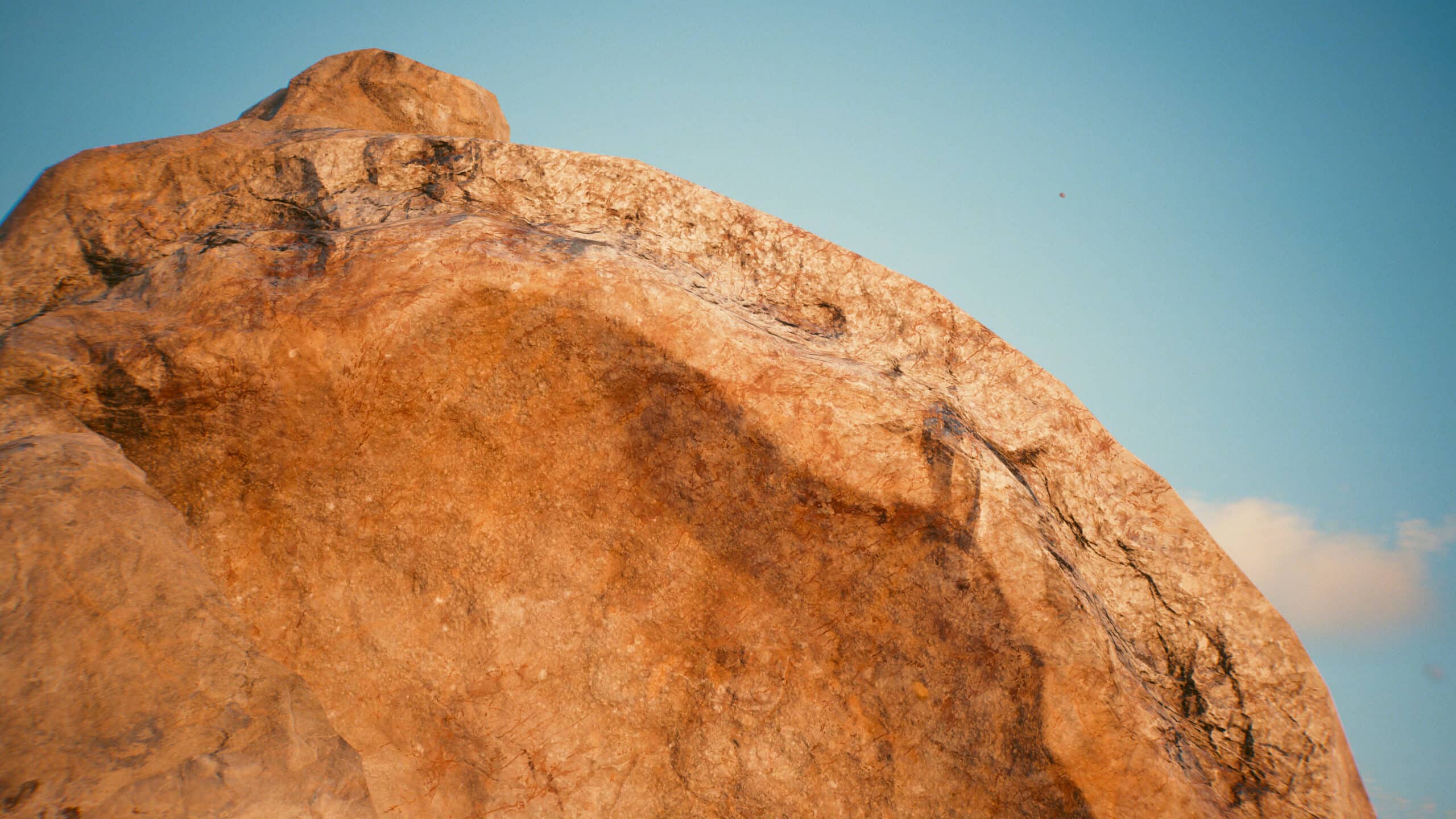

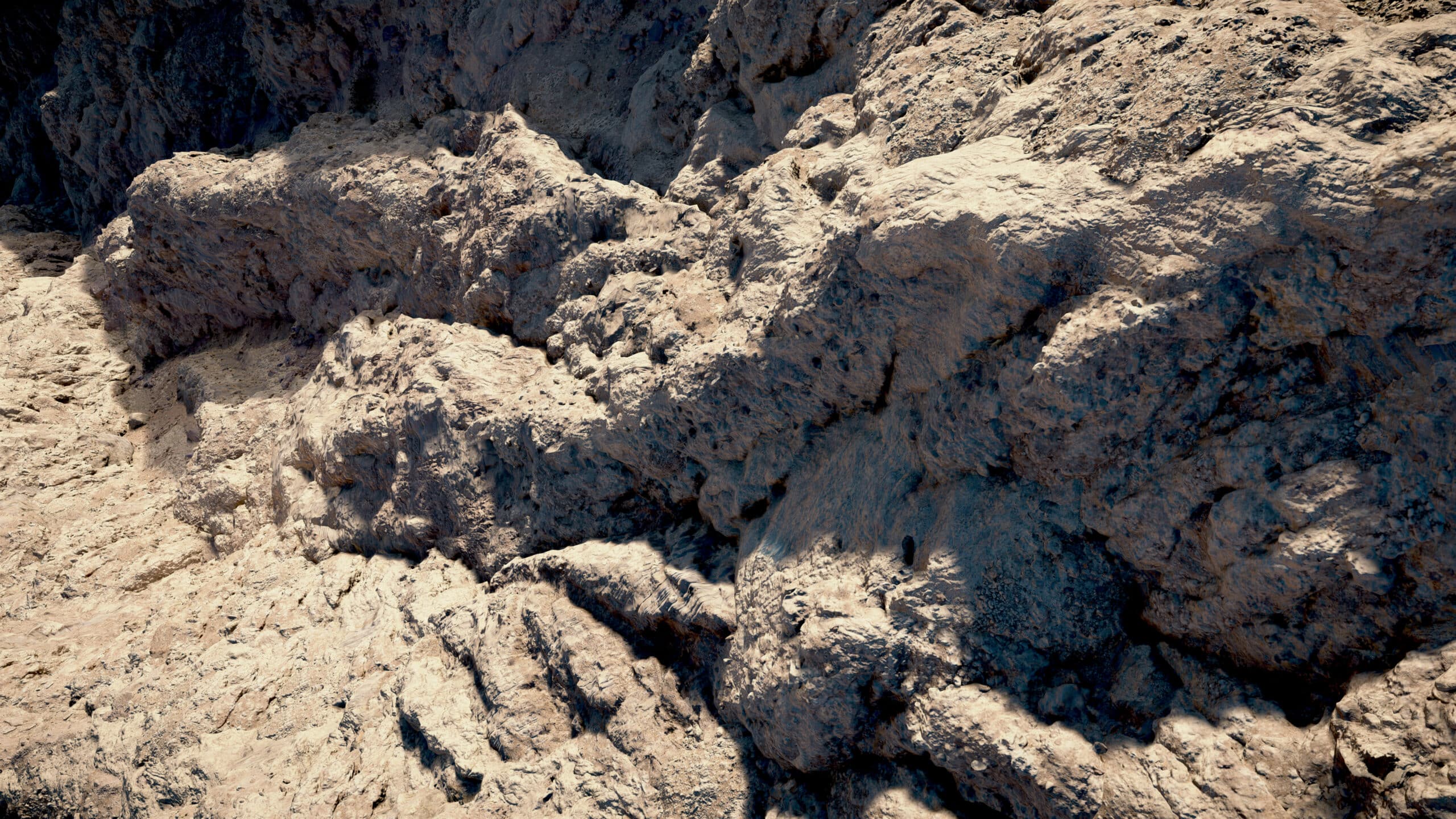
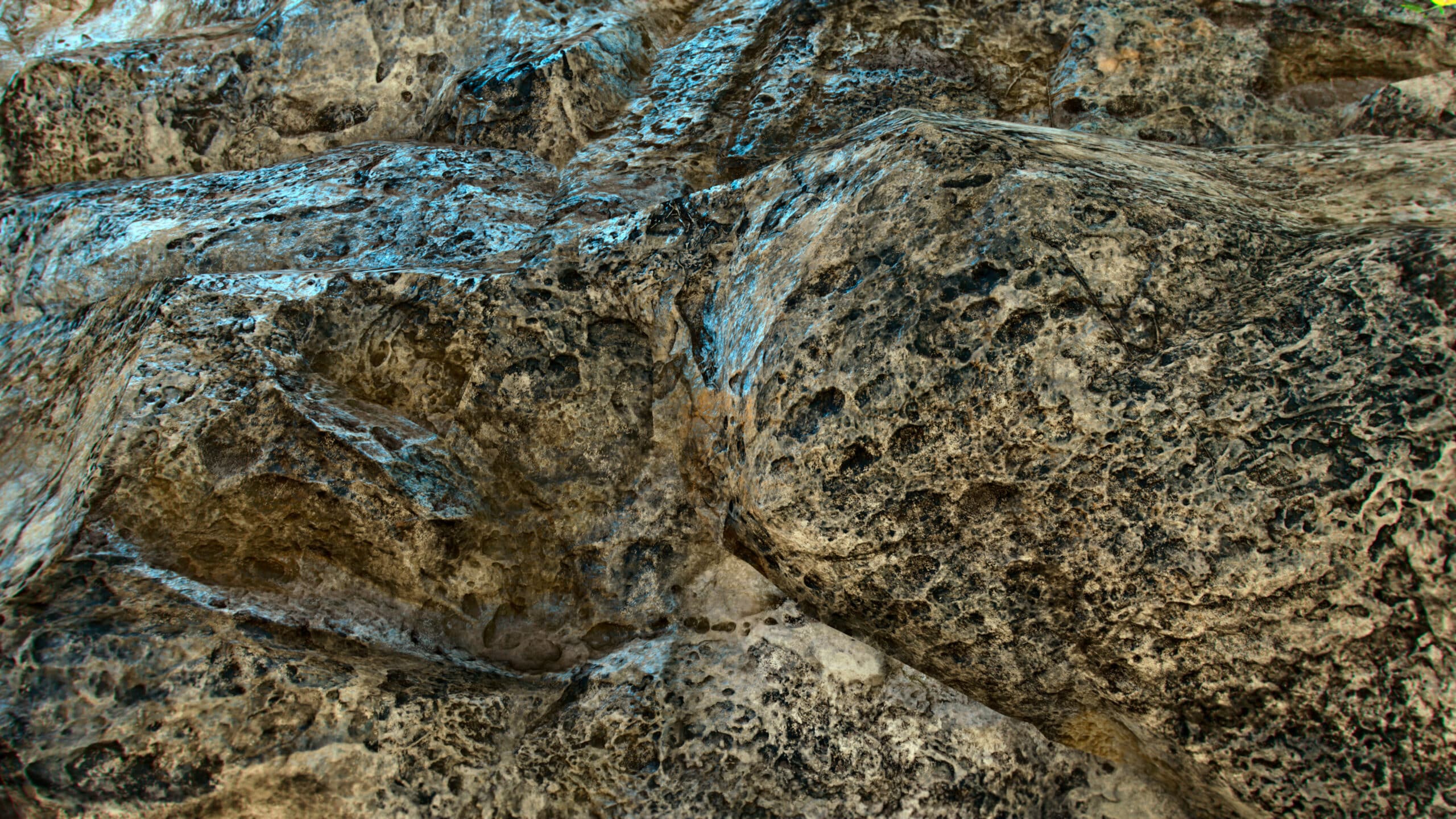
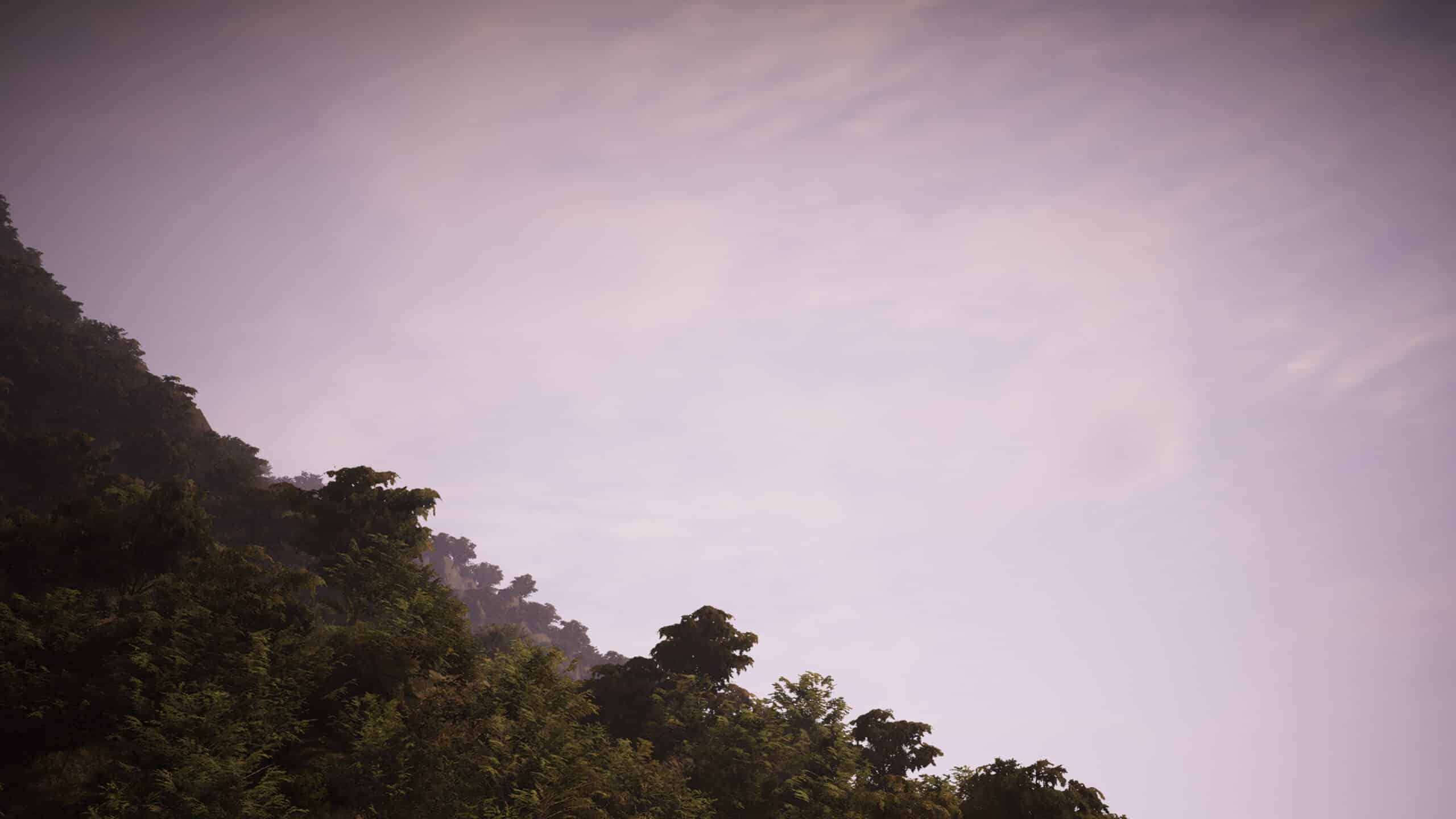
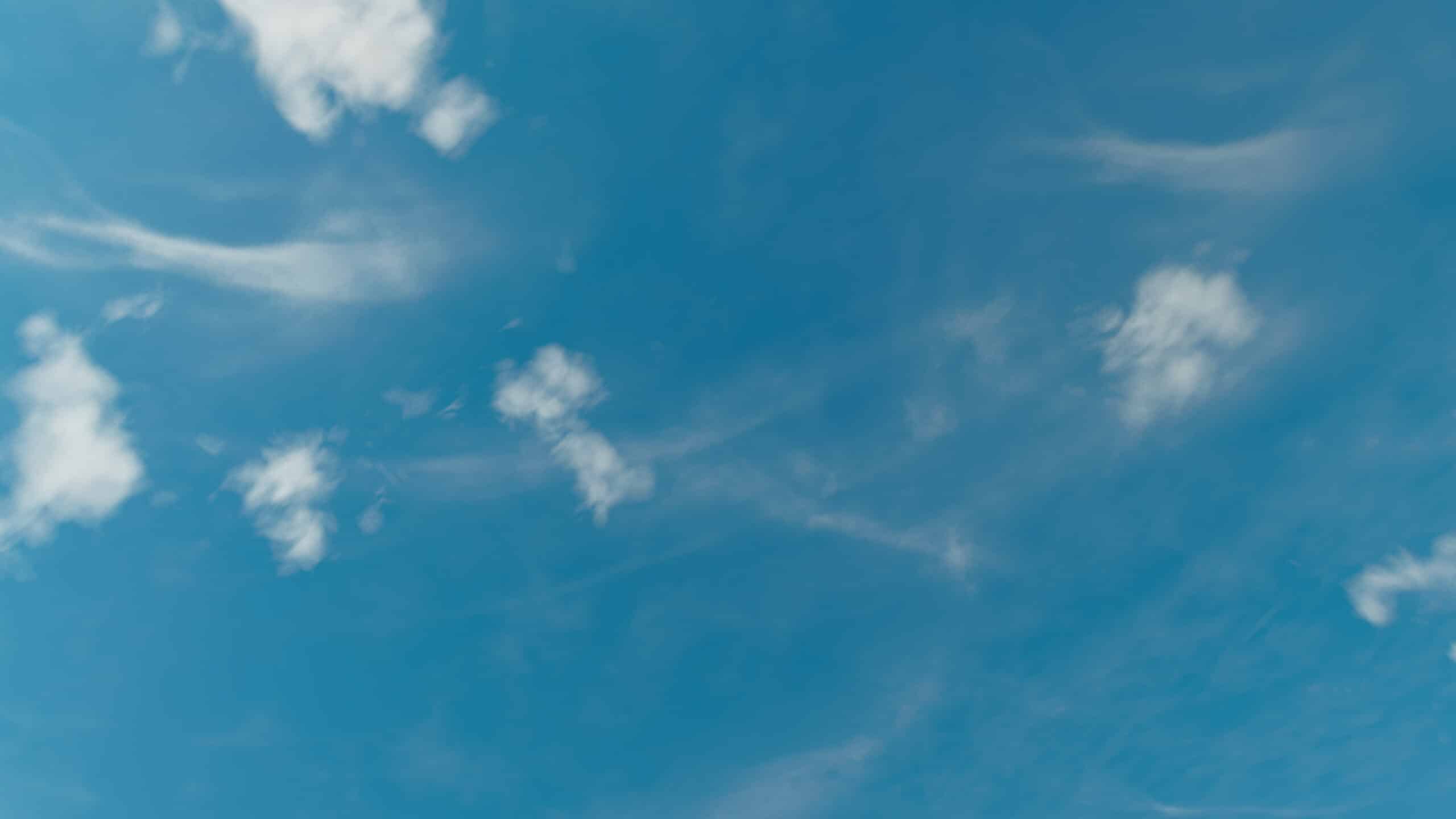
The endeavor is more serious than it sounds. Pascal Greco doesn’t just fire away at his screen. A gamer for over thirty-five years—he grew up with the Master System—he knows the medium from the inside. He doesn’t stumble into these worlds as a tourist; he inhabits them as a photographer. With an aesthete’s eye, he scrutinizes, composes, and frames with the same rigor he would bring to an actual rock outcrop, always at 50 mm, always at eye level, refusing the overhead angles that would flatten everything. “What I photograph are not game sets. It’s a way of seeing,” he tells art historian Nadine Franci. “An attempt to capture that moment when, in an entirely artificial world, a real emotion surfaces.”
This vision belongs to a lineage longer than one might think. In his essay In-Between Landscapes, video game scholar Matteo Bittanti reminds us that landscape photography has never been a neutral recording of reality. In the 19th century, Carleton Watkins and Timothy O’Sullivan turned the American West into a pop icon; in the 20th, Ansel Adams’s solemn views codified Yosemite as the vision of a pristine, monumental nature. Photography has always turned landscape into spectacle, commodity, ideological instrument. Pascal Greco extends this manufacturing of landscape by other means. Except that this time, the referent—the mountain, the glacier—exists only in a processor’s RAM.
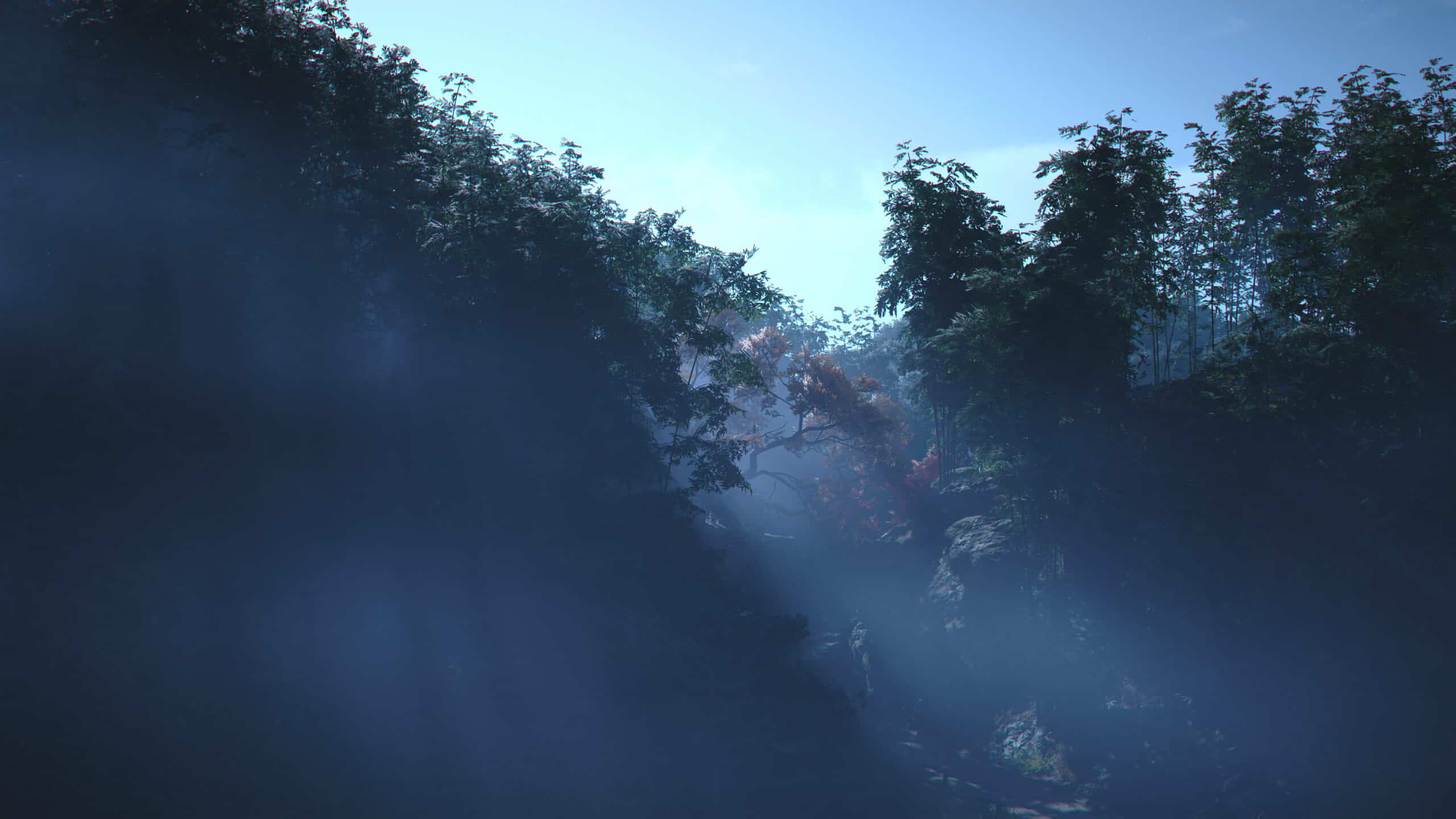
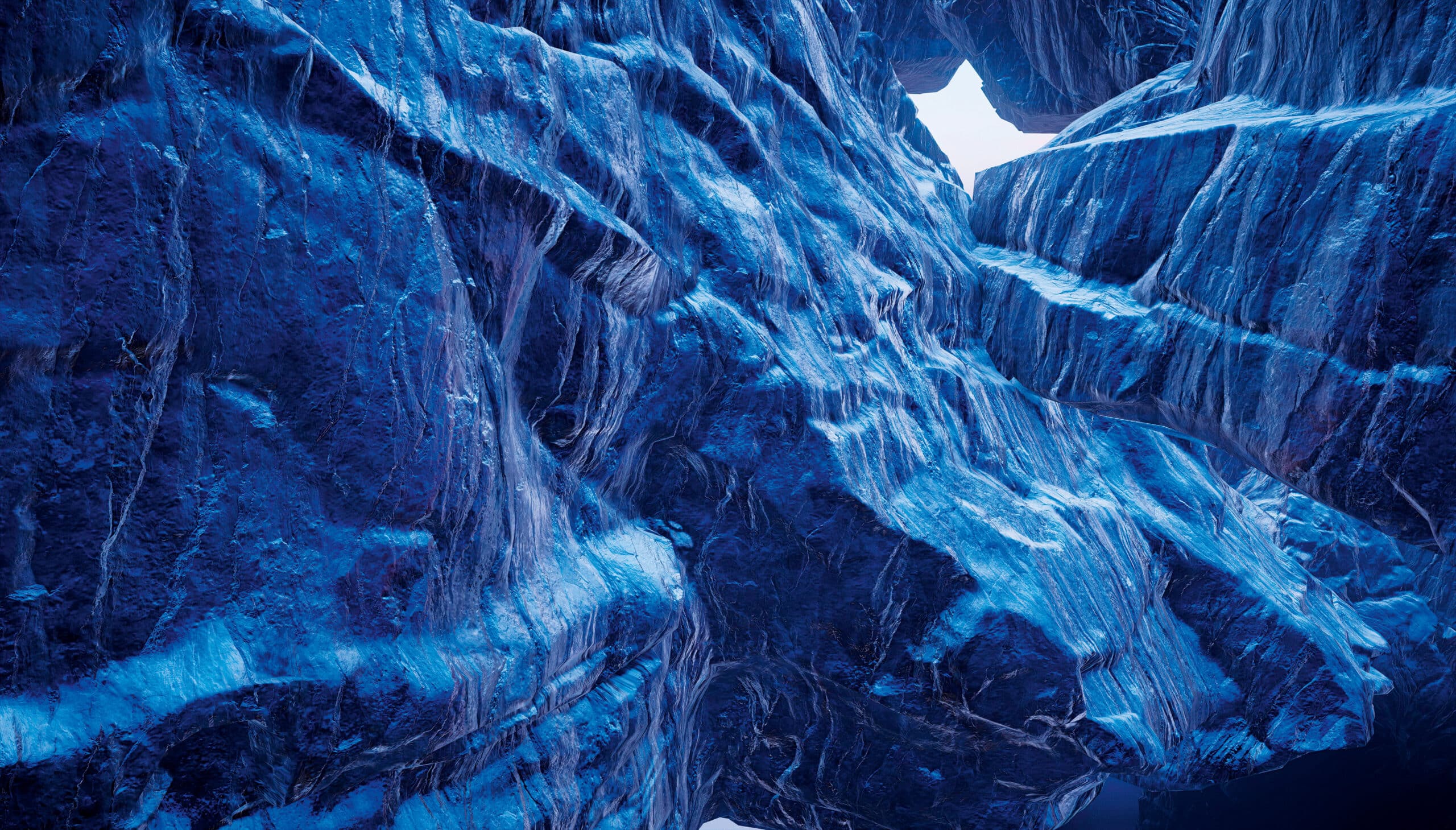
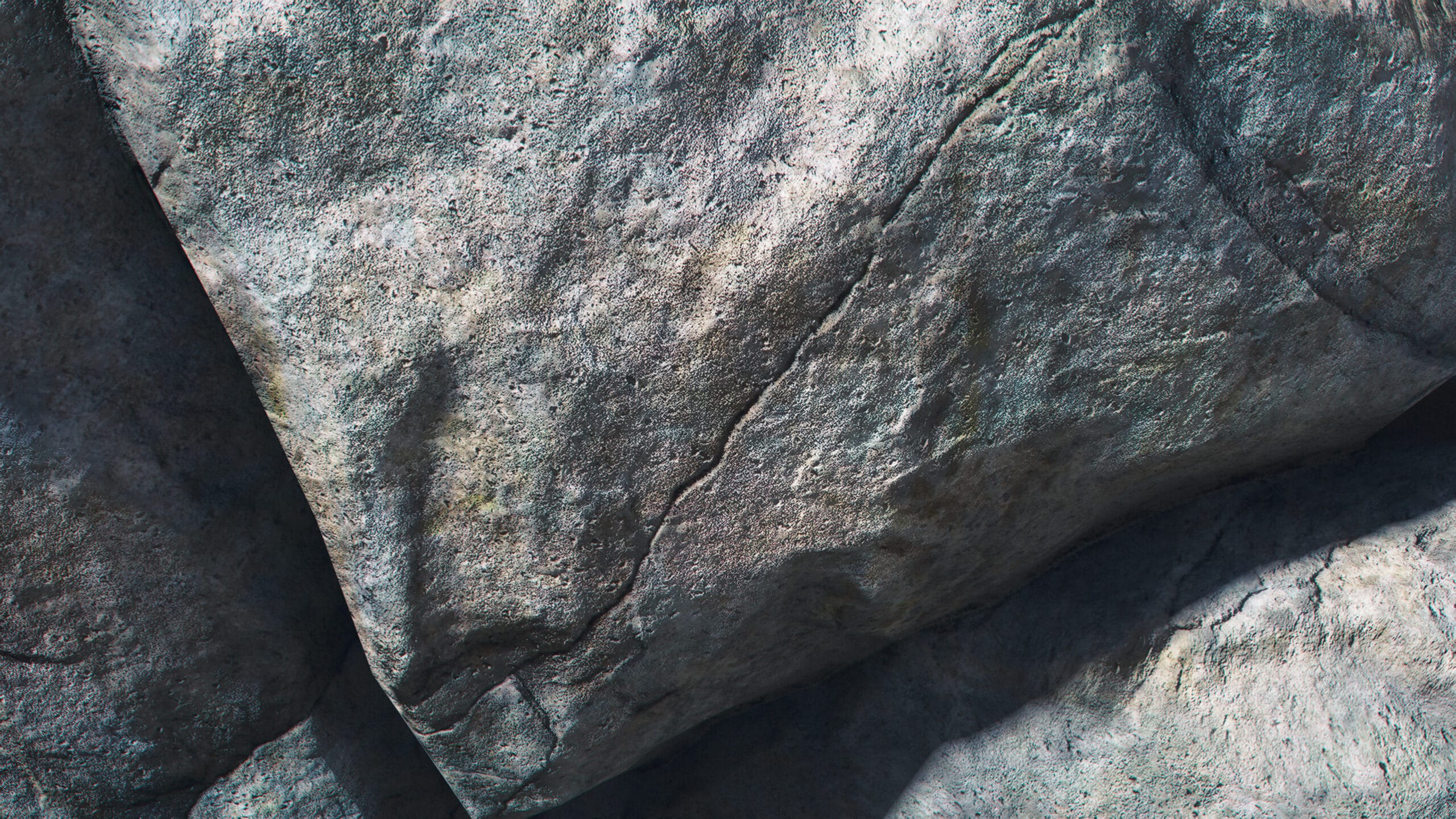
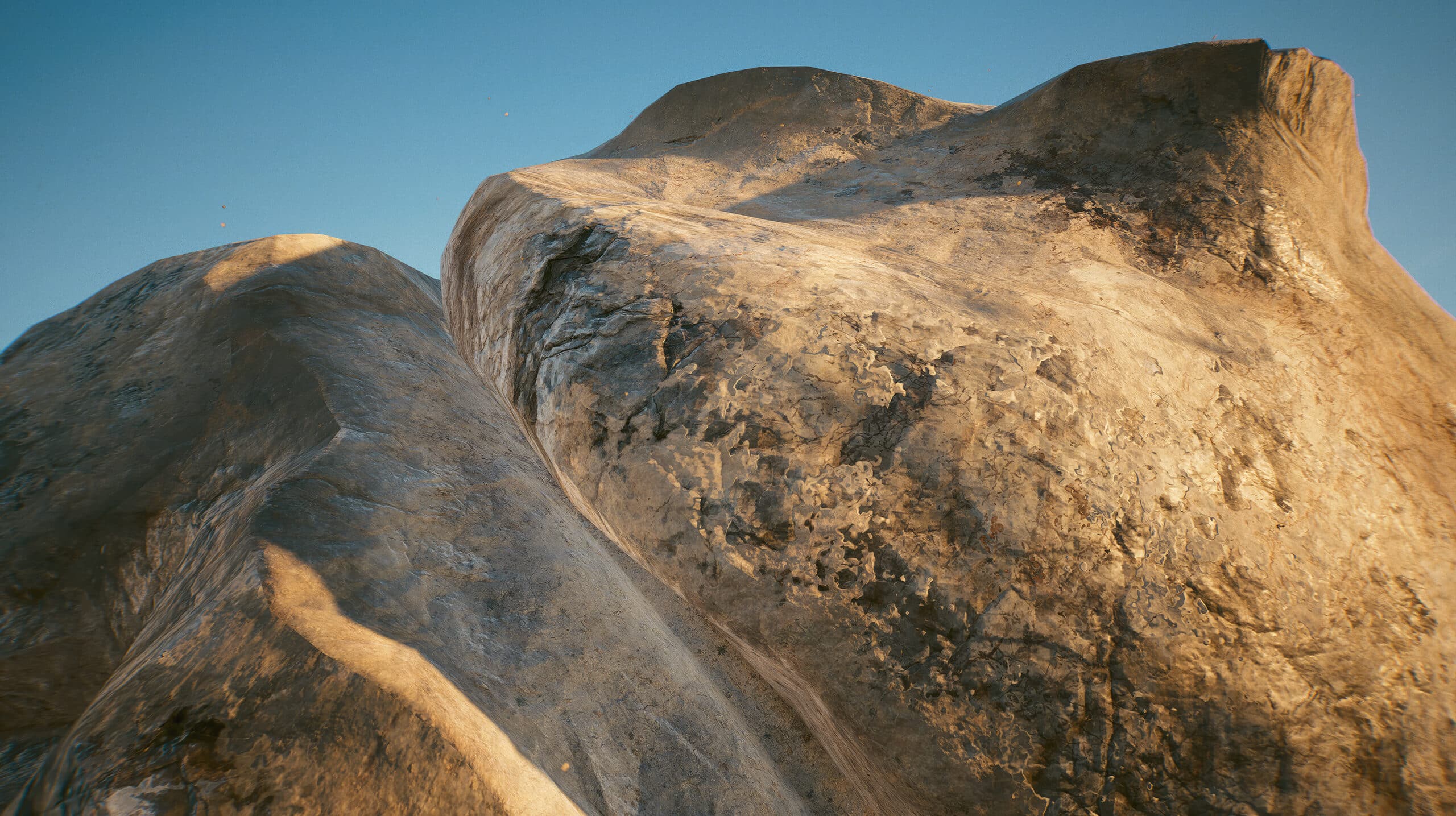
Rock, as it happens, is his obsession. Roughly sixty percent of his compositions depict mineral formations. Bittanti detects a paradox: silicon, the primary component of rocks, is also the substrate of the computer chips that render these expanses visible. To photograph virtual rocks is, in a sense, to contemplate the very matter of the illusion.
For Nadine Franci, head of the graphic arts collection at the Kunstmuseum Bern, Greco’s photographs summon the Kleinmeister, those “little Swiss masters” of the 18th and 19th centuries who painted idealized Alpine views in the studio, working from memory. “We are at the crossroads of the travel document, the postcard, and the dream,” she explains. Greco concurs: “As with the Kleinmeister, you start from a real foundation and move toward a dreamed image, a kind of poetic lucidity. You don’t photograph what exists, but what you feel within the space.”
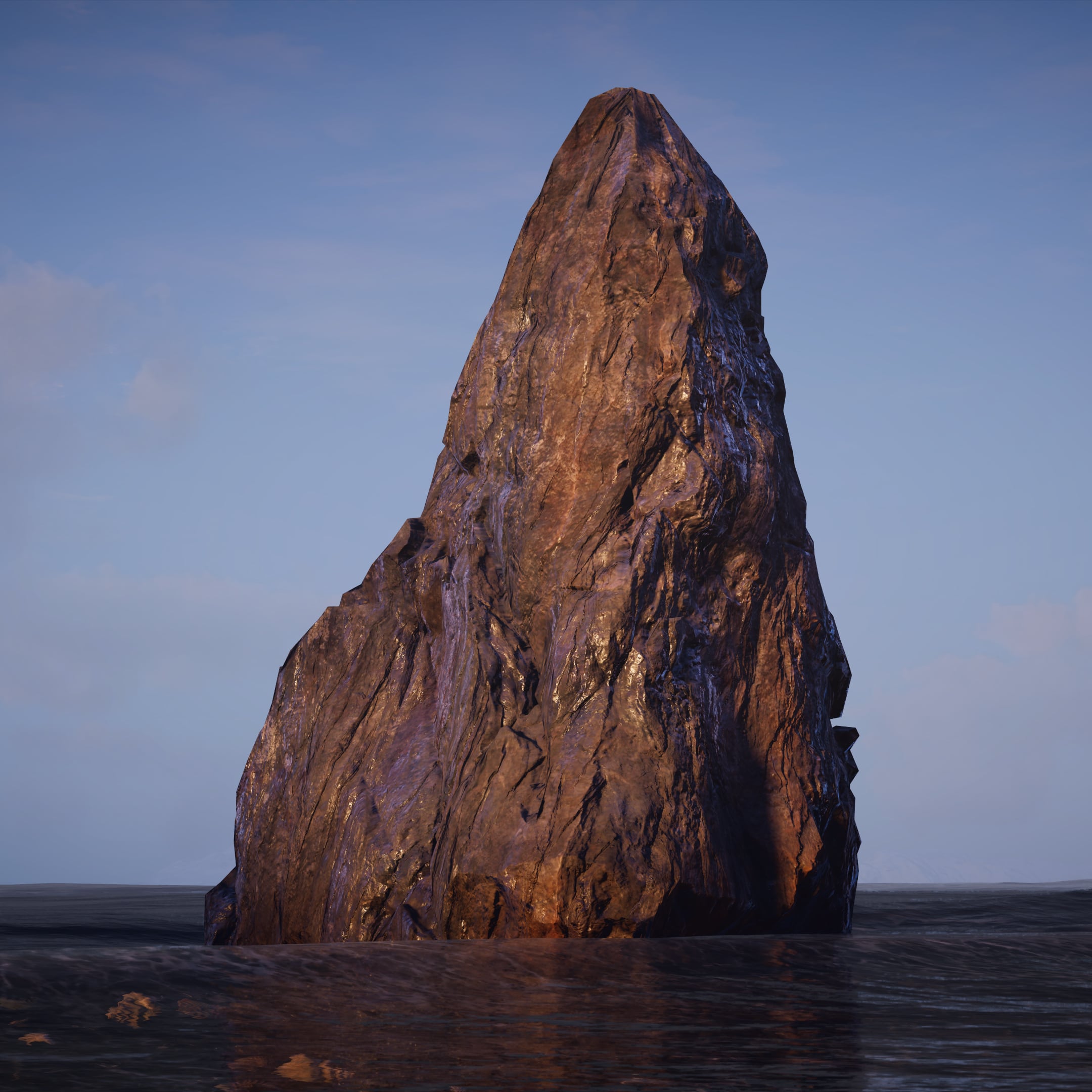
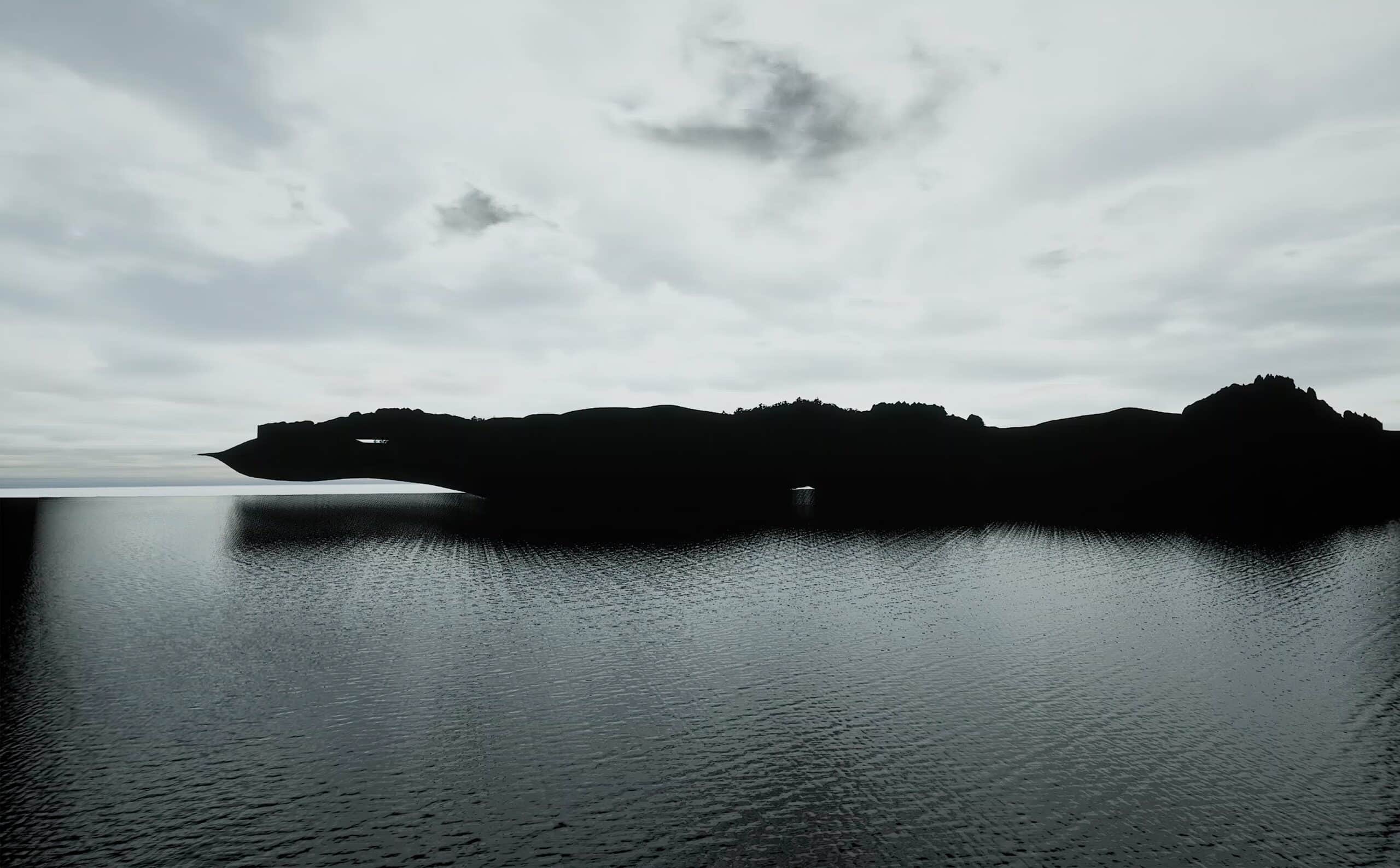
But where the Bernese painters smoothed the surface, Greco chooses to let the accidents show. Photography, Video Game, Landscape deliberately embraces glitches—those misfires of code that make the image stutter: a mountain that splits in two, a swatch of sky folding in on itself like a crumpled sheet of paper, a rock texture that refuses to load and gives way to a spectral white void. “These are not flaws, but traces of the process, like pentimenti in a sketch,” says the artist. “There is a form of life in that incompleteness.” The hyperrealist facade cracks, the set piece reveals its artificial nature. And it is precisely in those fractures that the image stops lying—and begins to move us.
There is something deeply playful in Greco’s approach. “When you enter a virtual world, you are guided by visual expectations, desires for atmosphere, for light. You don’t know what you’re going to capture, but you observe, you wait, you frame. It’s a photographic gesture without a camera. You let the moment come, and when it arrives, you ‘shoot.’ It’s almost a form of active meditation.”
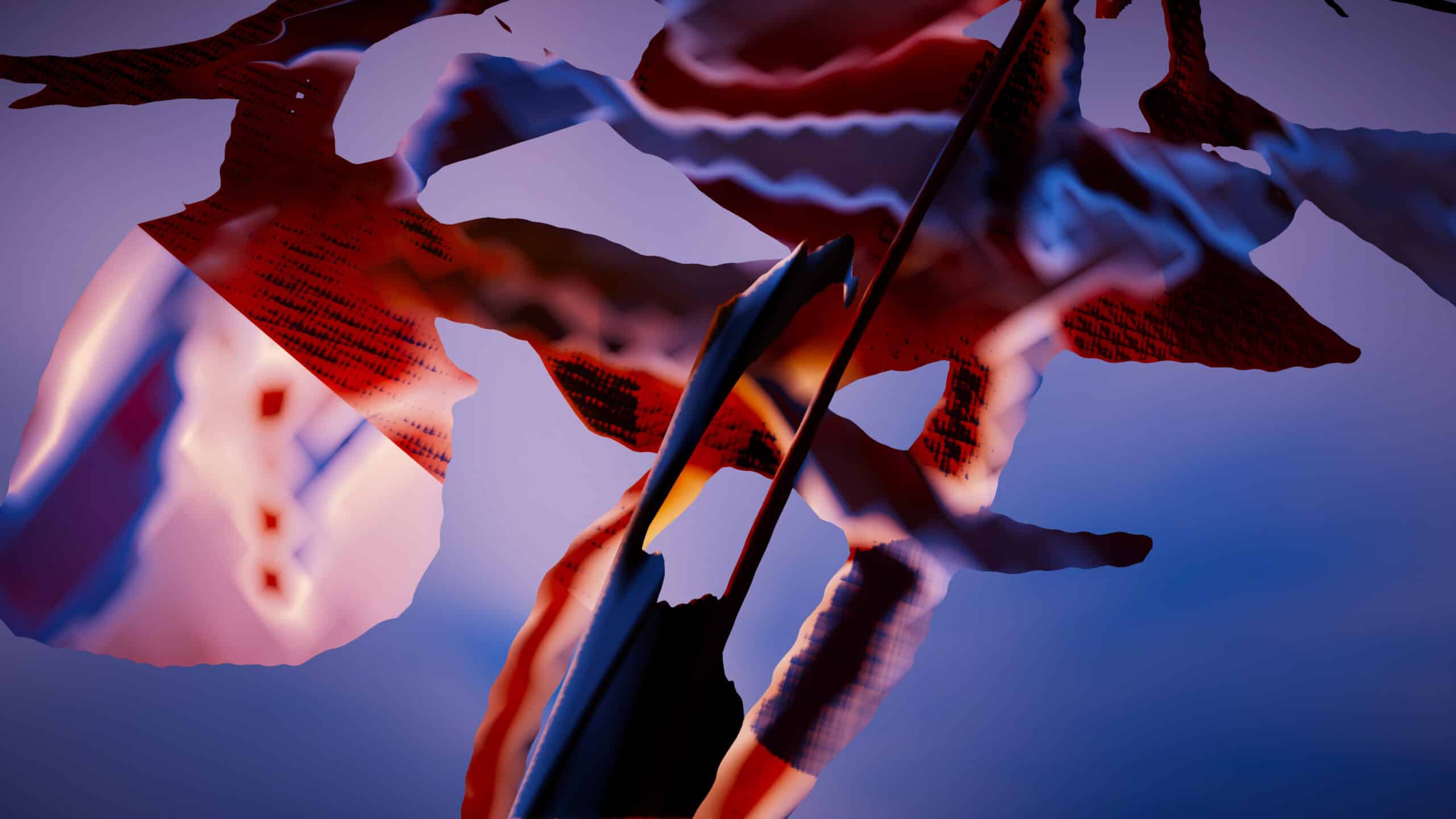
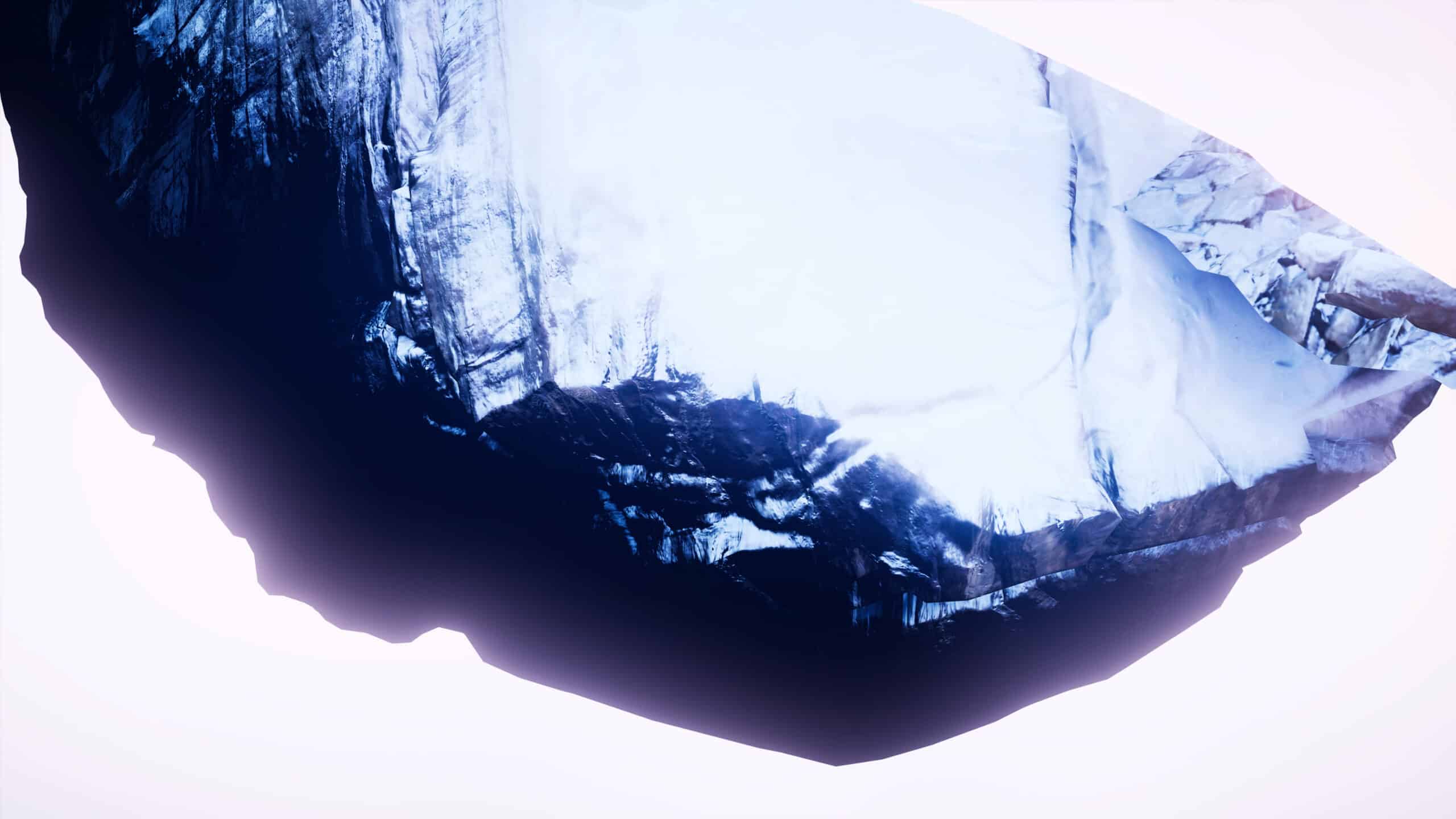
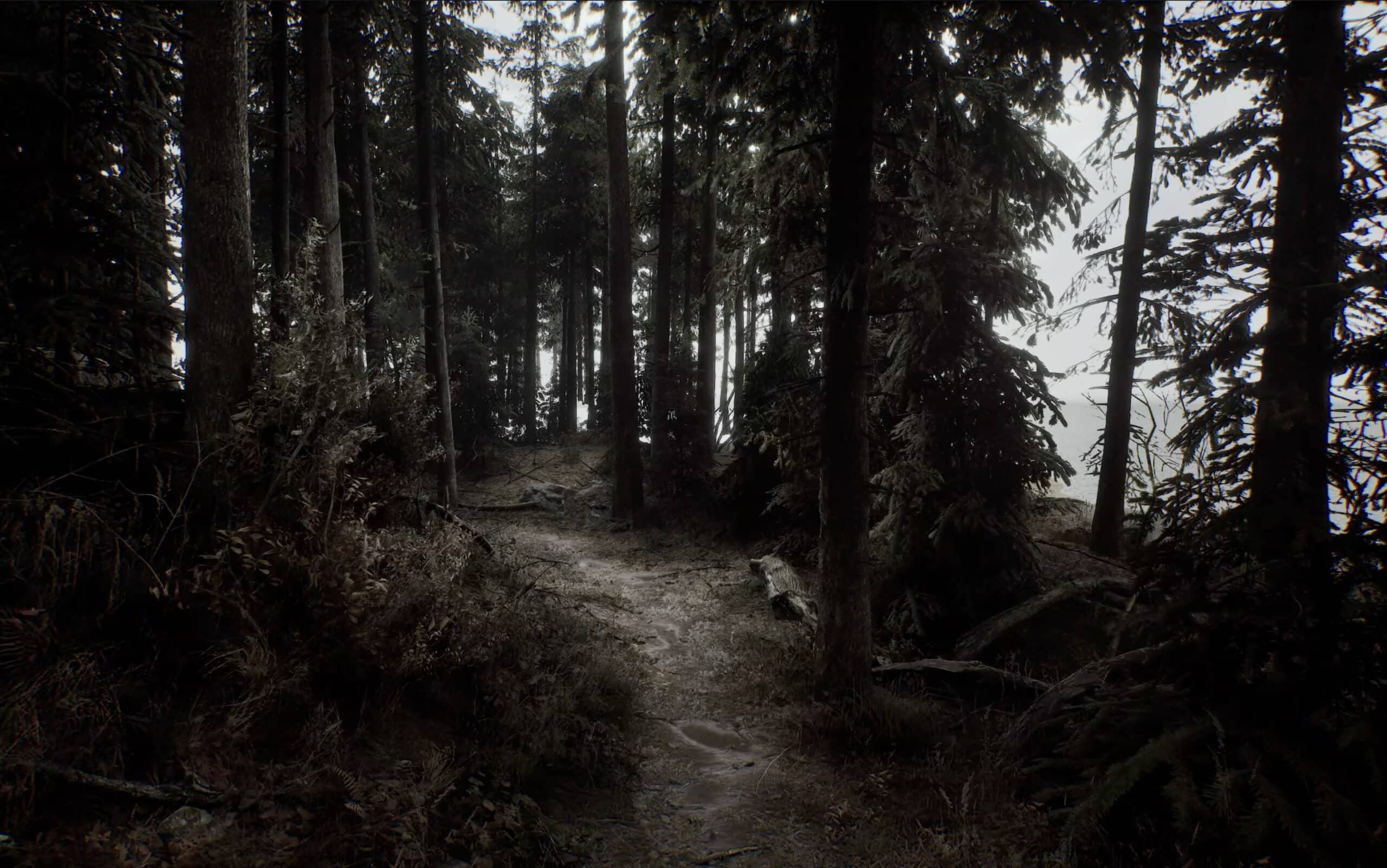
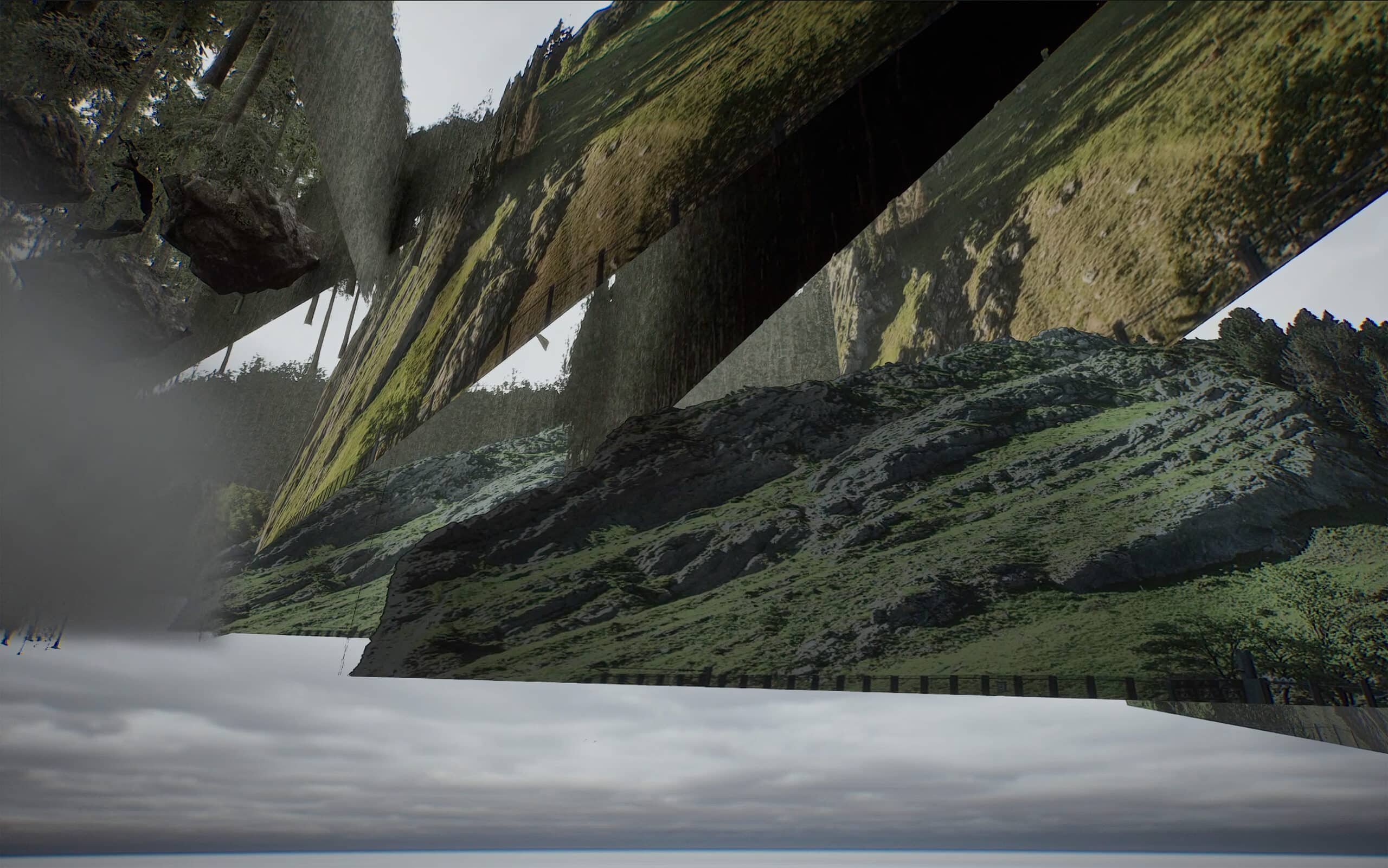
As for institutional recognition, it is gaining ground. “Five of the last six exhibitions I’ve been part of on in-game photography were curated by women. Young, curious, open to emerging forms,” he notes.
One leafs through the book as through a science-fiction film, rapt, contemplative, forgetting at times that none of these places exist. A basalt monolith bathed in raking light. Joshua trees cut against a cobalt sky. Norwegian cliffs in abyssal blue. Australian dunes the color of Mars. On every page, the same question: does this place exist?
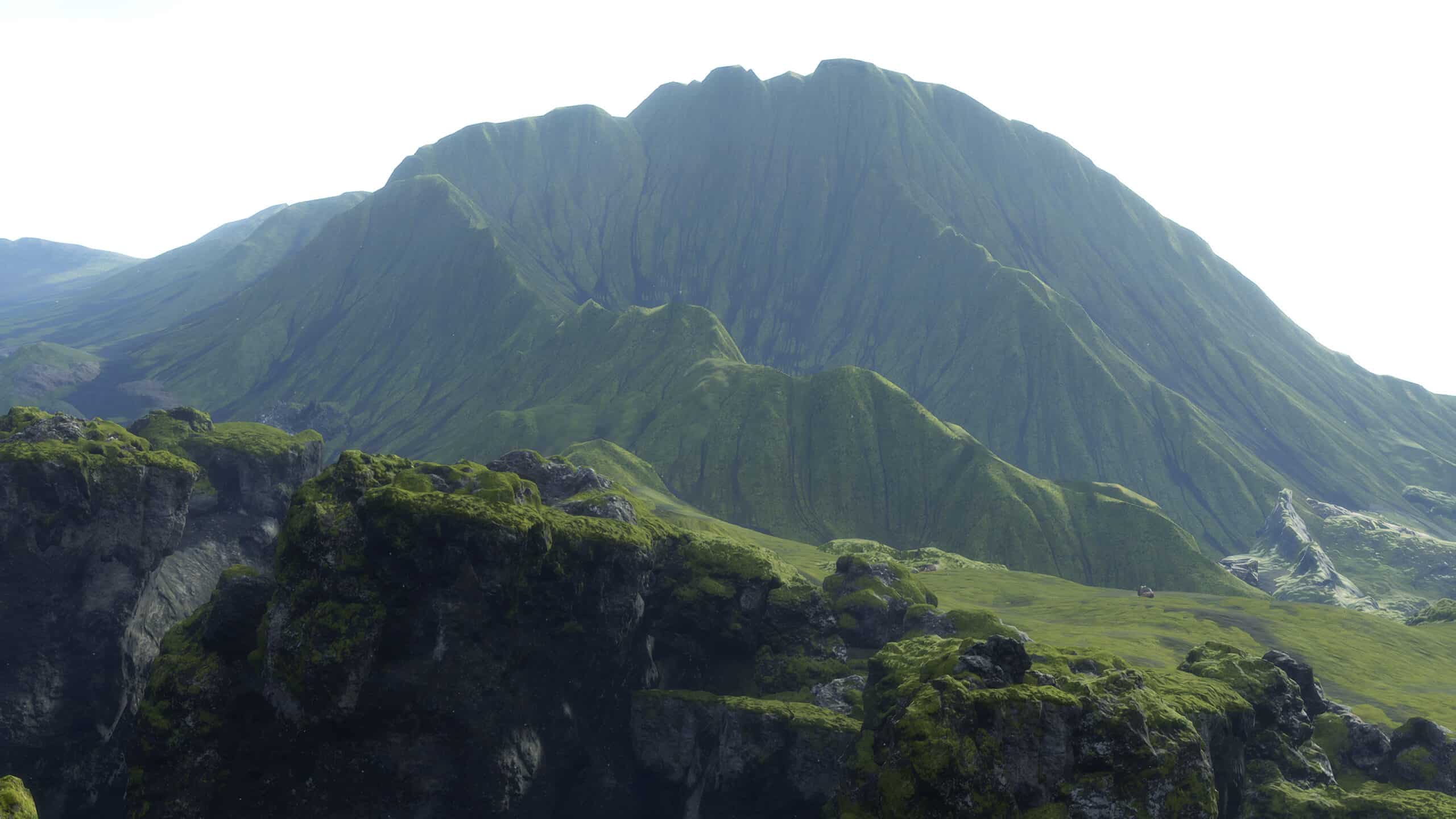
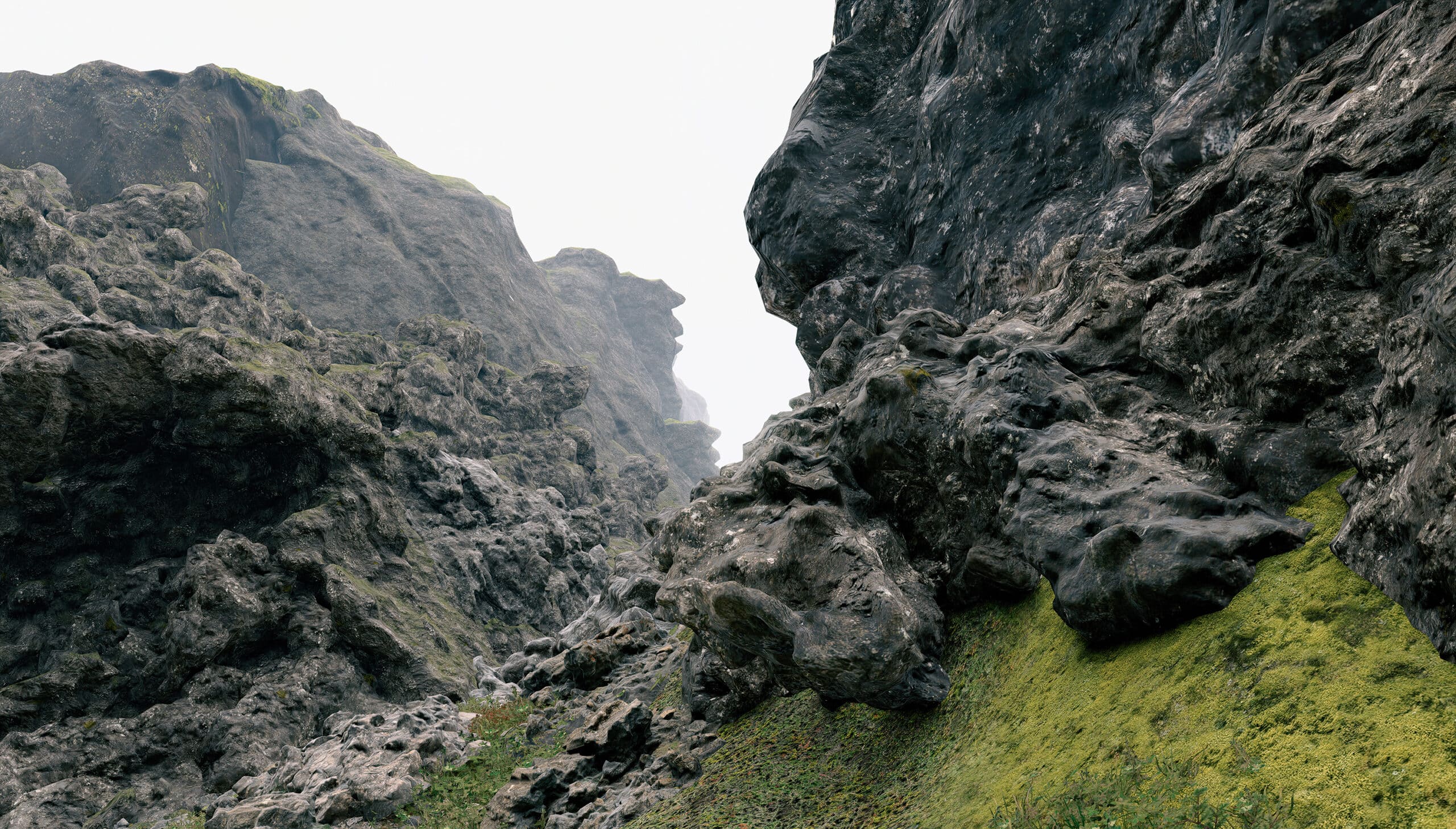
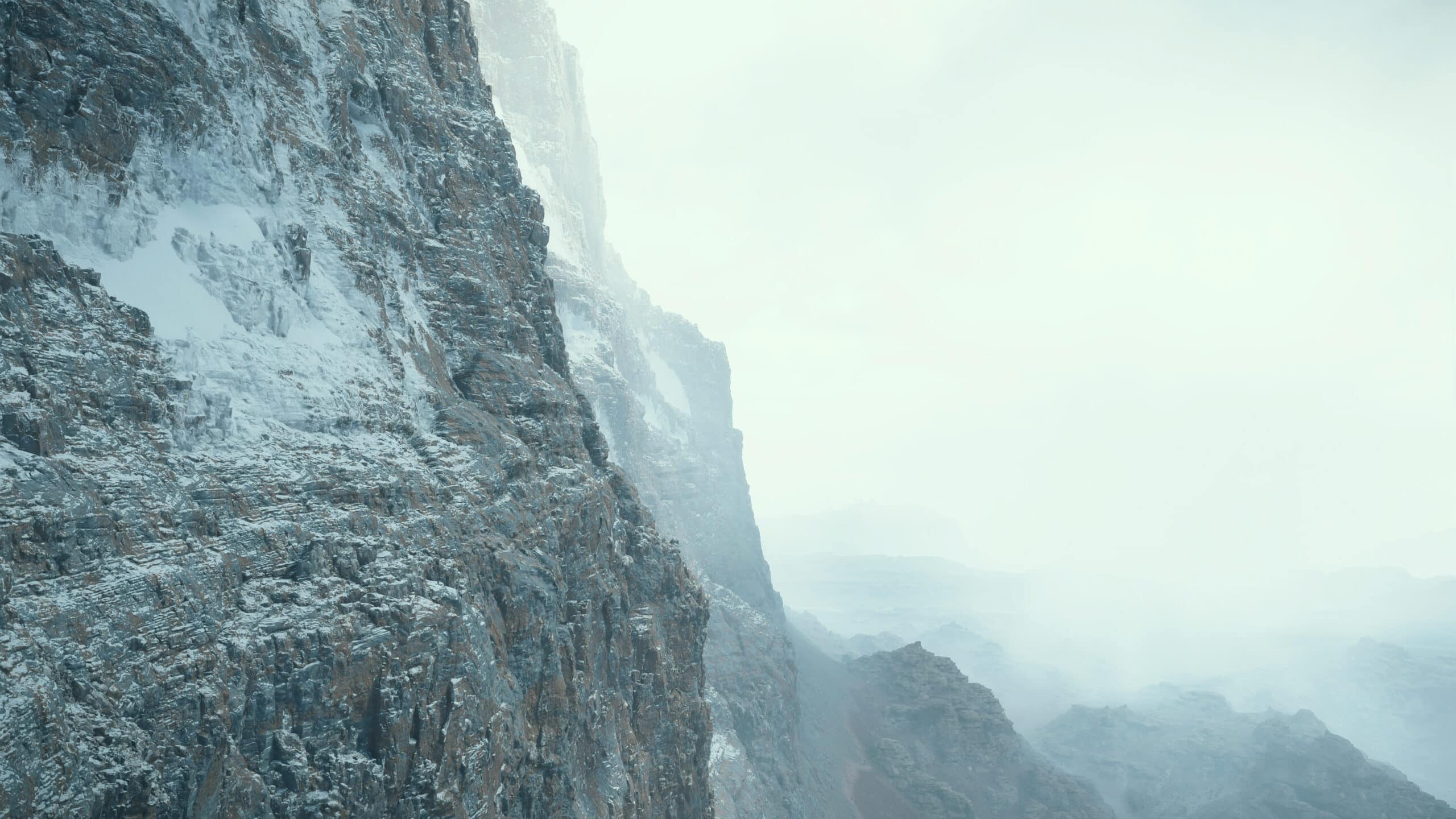
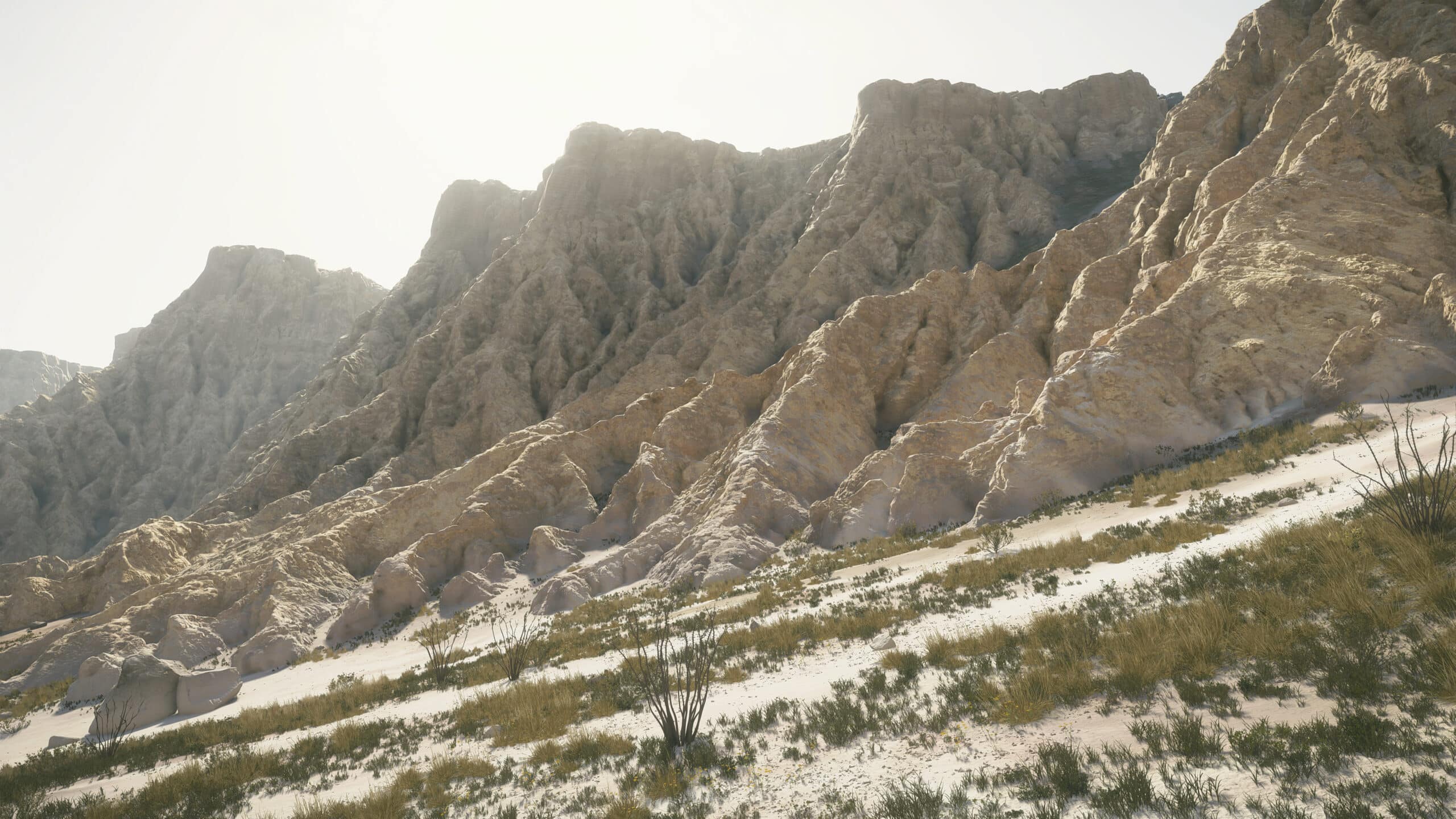
“Whether in the imaginary Alps of the Kleinmeister or the virtual landscapes of video games, separated by over two centuries, it is always the same impulse: to create an image in order to believe in it, a visual territory to project oneself into,” sums up Nadine Franci. What is at stake here is that movement from one world to another. “To imagine what one believes one saw. And, through this detour of fiction, to return to reality with a different gaze.”
Photography, Video Game, Landscape by Pascal Greco is published by Editions IDPURE and available for €35.