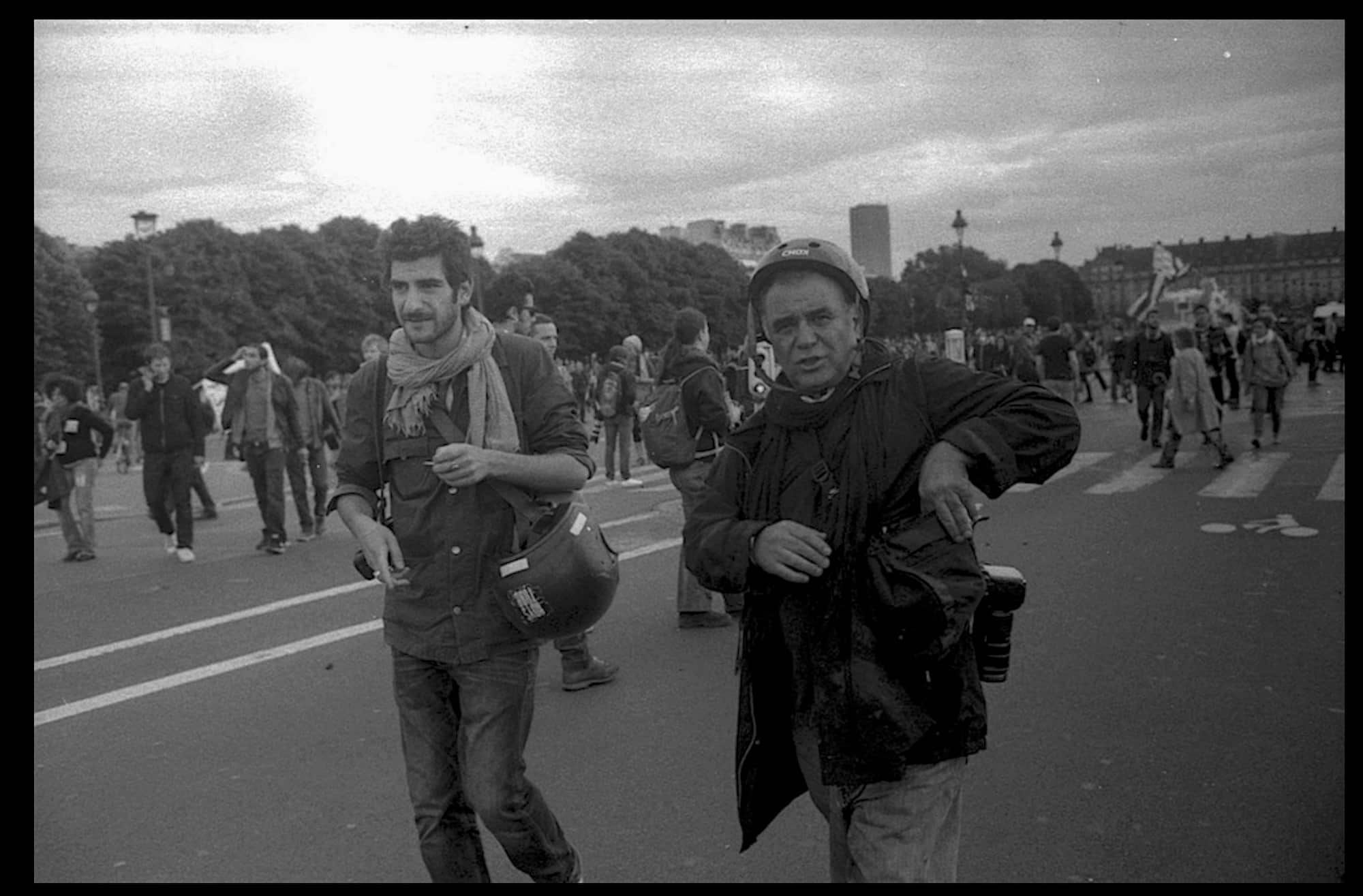
Extensive documentary projects entail prolonged absences, economic hardship, and even danger: yet, ironically, the profession of photojournalist doesn’t get as much press as it used to. Long fantasized about, it is now getting in the way of private life. A photographer is more than a mere collector of images: he or she must wear many hats. Like a multipurpose Swiss Army knife, the photographer is also a journalist, a historian, a sociologist… Add to this travel and reduced availability, and the time allotted to building a family seems rather limited. But it is not impossible to have both.
Being a “good parent“
Over the past twenty years or so, the term “parenting” has come to dominate political and media discourse. It refers to all the different ways of being a parent and experiencing parenthood. The new contemporary injunction to be a “good parent” is a challenge compiled on top of job insecurity, a fluctuating job market, and time constraints. Onerous to start with, parenthood becomes even more complex when there’s only one parent. A single mother, journalist, and former France Info reporter, Nathalie Bourrus writes in her book Maman solo: Les oubliées de la République [Single Mom: The Republic’s Forgotten Women]: “[it’s a] mother-and-child tug-of-war, no-one had ever told me it would be so difficult. It’s a lot harder, a lot more dizzying, and a lot riskier than going to war.”
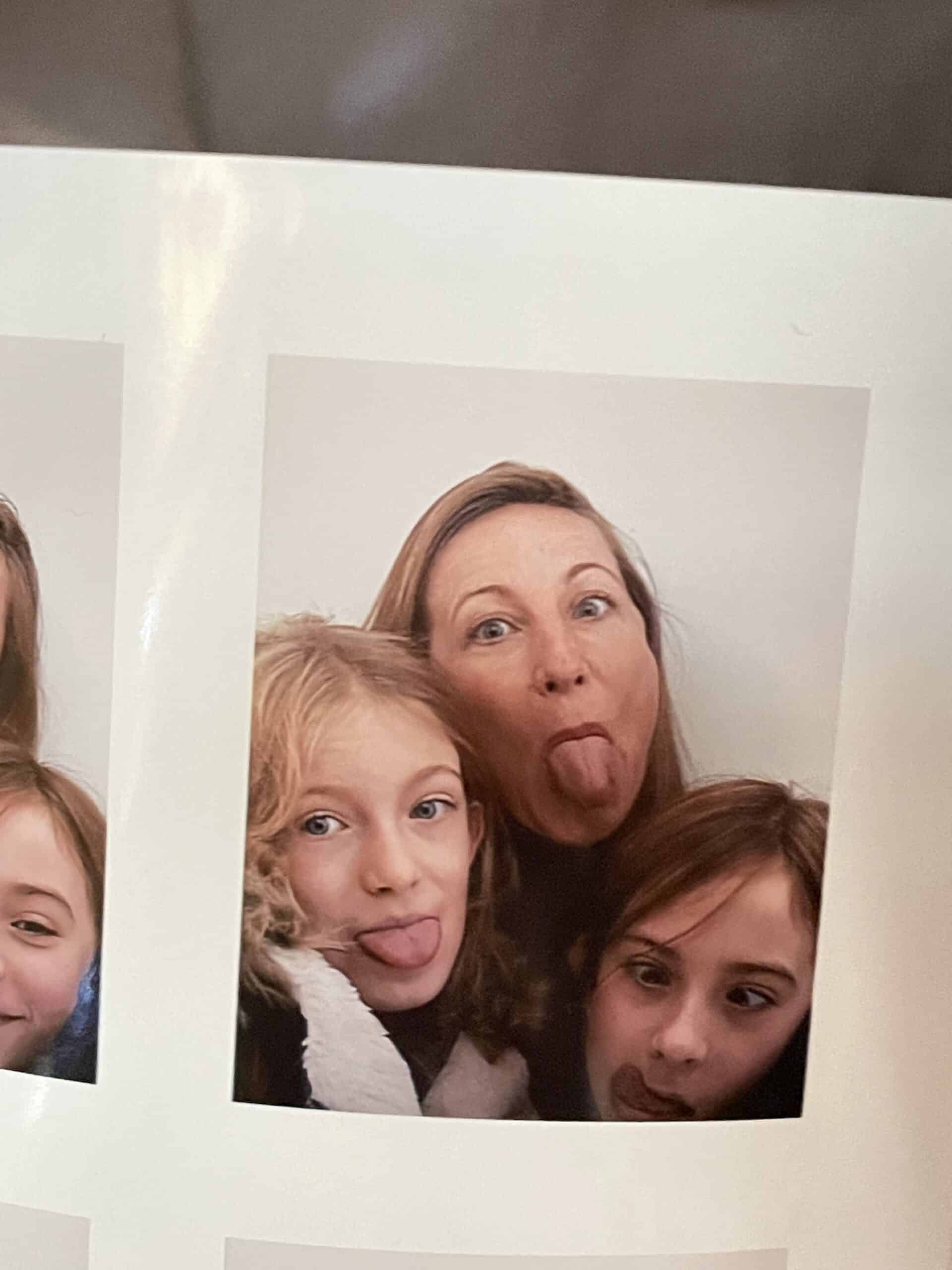
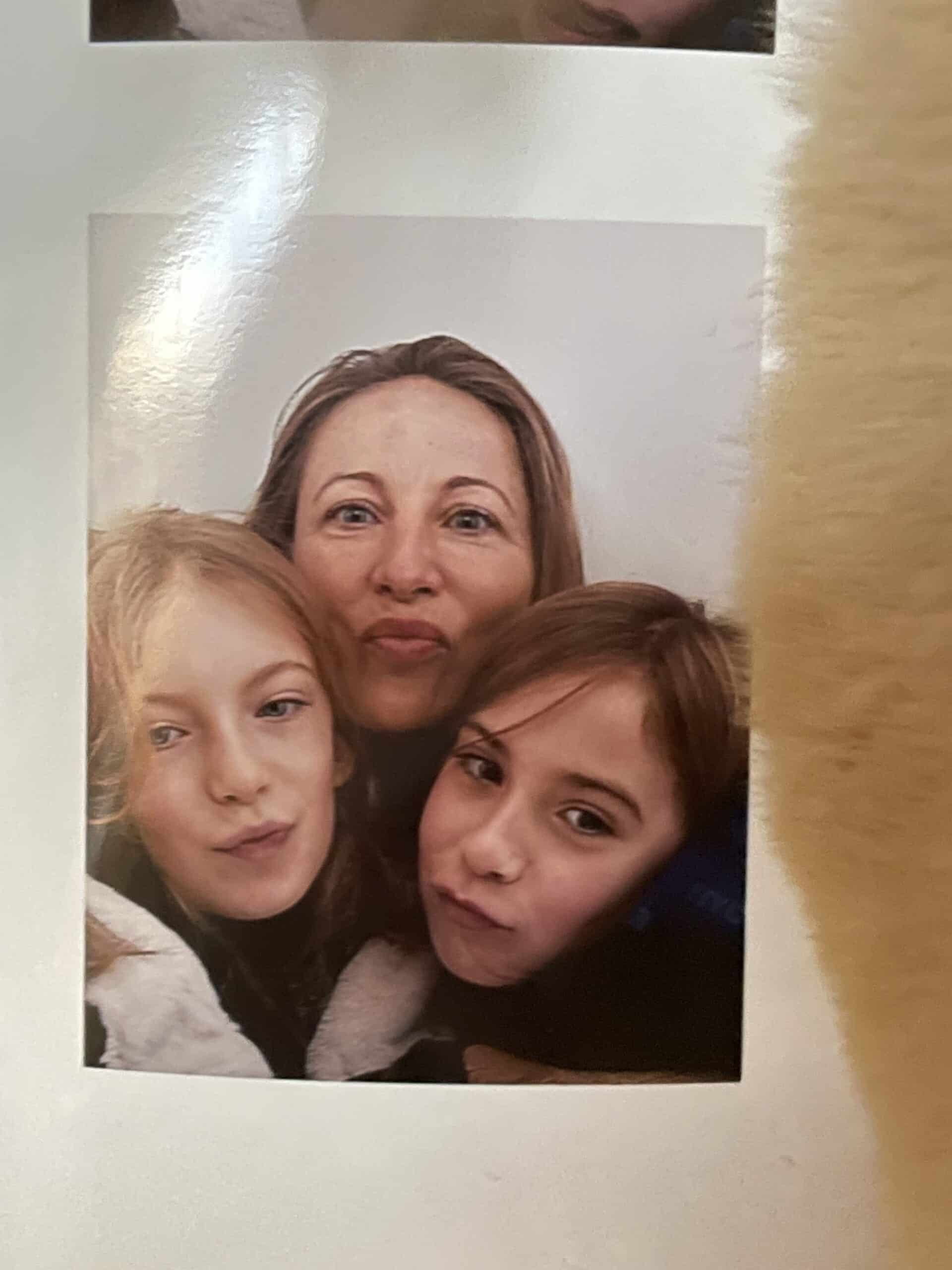
“And who’s going to look after the children? Aren’t you going to breastfeed?” Véronique de Viguerie has heard this kind of petty remarks exclusively from men. A war photojournalist and mother of two daughters, she has won the Bayeux Award for war correspondents, a World Press Photo, and several Visa d’or awards. She has covered the war in Yemen, drug trafficking in the Philippines, and infiltrated the Taliban in Afghanistan. And yet, even on the front lines, she’s the one asked to resolve family matters. “Like the time I was on a mission in Mali, and I got a call from the school telling me that my daughter had lice…,” recalls de Viguerie. “If a father turns down an assignment because he’s looking after his children, he’s praised to high heavens. When it’s a woman, it’s commonplace, and she may even be criticized for putting her family ahead of her career.” This is a vestige of a patriarchal model firmly entrenched in people’s consciousness.
I think we need to find another form of motherhood that leaves room for our dreams. The aim is to strive for an ideal, not to be subjected to a model.”
Andrea Mantovani
In the face of mental burdens and external constraints, delegating becomes vital. In this respect, de Viguerie considers herself fortunate to have a wide safety net: there’s her mother, her daughters’ father, and their stepfather. “We make a good team,” she says. What if that’s the answer? Breaking away from the ideal of the traditional nuclear family to open up new horizons? Andrea Mantovani, photographer and avowed adventurer, is convinced: “I think we need to find another form of motherhood that leaves room for our dreams. The aim is to strive for an ideal, not to be subjected to a model.” For her, it’s up to us to invent ways of reconciling our relationships, children, jobs, and our deepest aspirations. “Not being able to travel brings me down,” says the photographer. “My partner knows that, and if we decide to have children, he also knows that I will continue to do what makes me happy.”
Added pressure on women
With 53% of press card applications to the Commission de la carte d’identité des journalistes professionnels (CCIJP) being submitted by women, the ratio of men and women seems to tend toward equality. However, even as parity has almost been achieved, representation remains an issue. For a long time, the profession was represented as “masculine,” and from an early age. Since children’s books are written by adults, the stereotype of the “adventurous journalist,” epitomized by figures like Albert Londres, has endured. Heroes like Rouletabille and Tintin come to mind.
So it’s up to journalists themselves to shatter the mirror and create a different reflection of the profession. “In the past, women photojournalists had to prove that they weren’t feminine in order to carve out a place for themselves in this rather masculine environment,” says de Viguerie, referring to the generation before her. “Very few were able to develop a successful career while being mothers. Today, things have changed a lot, and our femininity is no longer an obstacle to our careers. We can go into a conflict zone while wearing make-up.”
In a society where women are paid on average less than men, and where motherhood can lead to professional discrimination, it’s easy to understand the reluctance to become a mother. For both Mantovani and de Viguerie, motherhood is not an end in itself. The former is well aware that it put a brake on her professional development, but she is ready to accept it in favor of another life experience. “I don’t want to have children, I want to start a family,” she declares. The latter, already a mother of two, likes to speak of “adjustments” rather than “sacrifices”: “I prefer to be fulfilled in my work rather than burden my daughters with the potential responsibility of having put my career on hold. That’s the model I want to set for them, in the hope that they won’t suffer too much.”
In the father’s footsteps
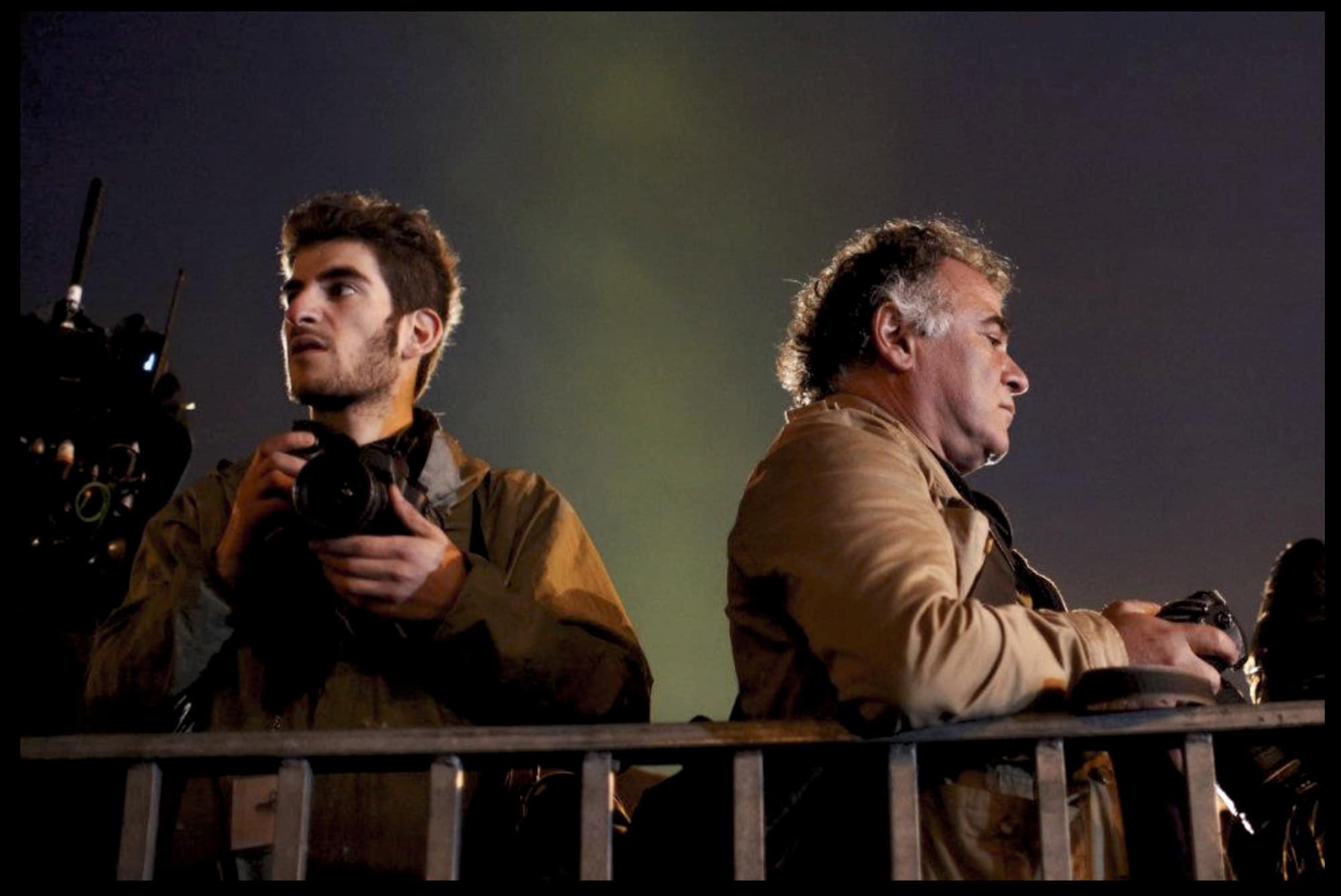
There is always the option of combining family and professional life by taking the children along. “I’d love to go!” exclaims de Viguerie’s elder daughter. The photographer had already thought about it, but the regions she travels to are unfortunately still quite dangerous. Alfred Yaghobzadeh, however, was undeterred. An Iranian photojournalist for the Sipa Press agency in the 1980s, he didn’t hesitate to take his son Rafael with him on demonstrations. The boy grew up in the field, surrounded by cameras and ever-changing landscapes.
By the age of six, little Rafael had already seen Israel, Palestine, and even Gaza. Aged thirteen, he accompanied his father to a protest by the People’s Mujahedin Organization of Iran, following the arrest of their leader in Paris. Authorized to penetrate the security perimeter, he witnessed two immolations. When he was fifteen, his father was taken hostage in Gaza. Such a childhood falls nothing short of the careers of some seasoned photojournalists.
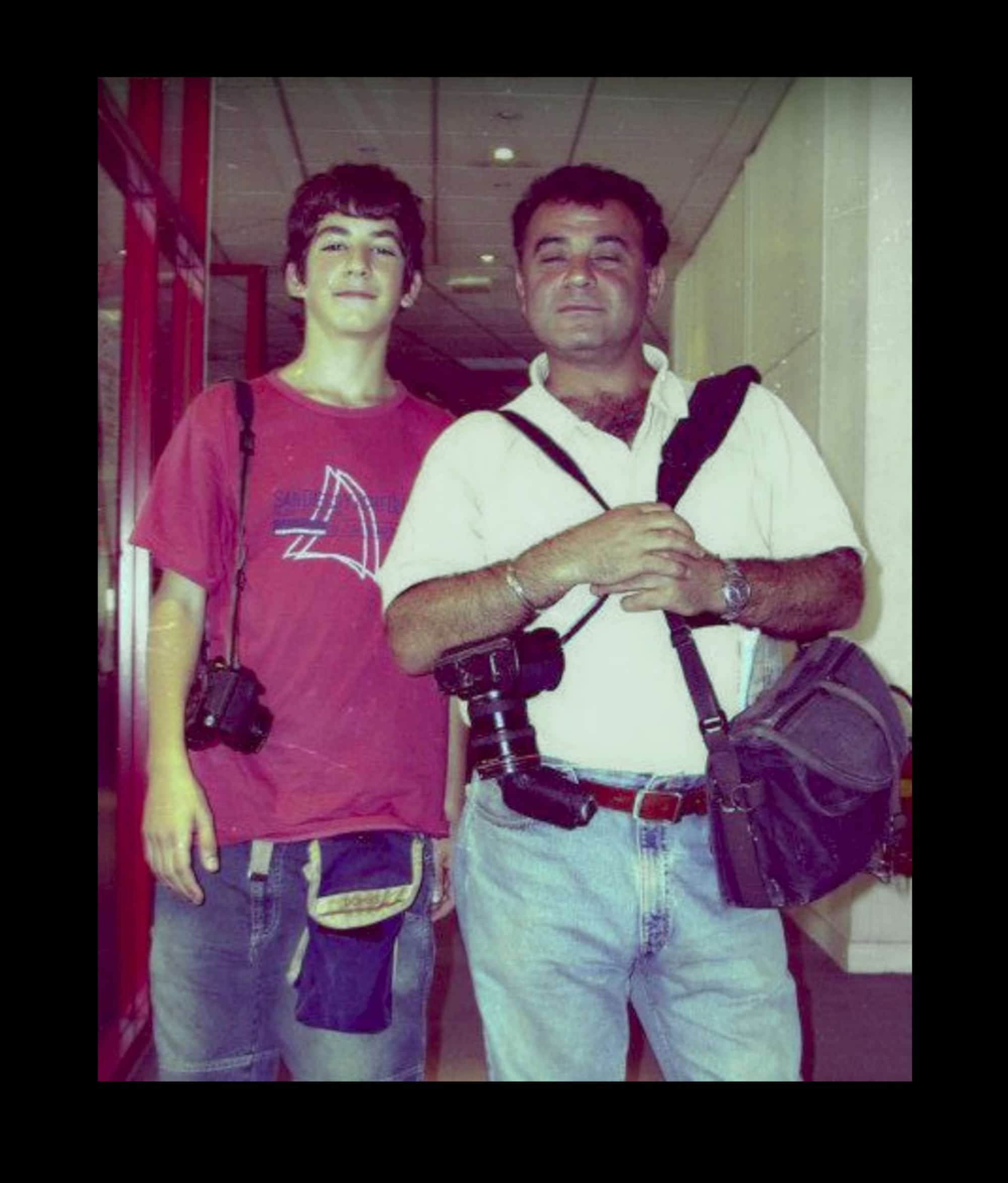
Not only did Rafael Yaghobzadeh’s father chase world conflicts, his mother worked as a radio journalist. She gave up her profession when her third child was born to devote herself to her family. “There were several Christmases when my father wasn’t around,” Rafael recounts. “When he went on an assignment, he was gone for three to four months. At the time, I didn’t really realize what was going on, but I couldn’t wait for him to come home, open his bag, and give me Batman toys from every country.” Yaghobzadeh was eleven when his father gave him his first camera. Along with that little device, he also inherited a shared passion. “In the beginning, it was mainly a question of mimicry. To ‘do what Dad did,’ I played the photographer more than actually being one.” Then came the Arab revolutions in Tunisia and Egypt. And, in 2014, Ukraine, a country he still covers today.
Propelled into the adventure of photojournalism, Rafael Yaghobzadeh had to get out of his father’s shadow. The “veterans” quickly adopted him: in addition to his nuclear family, he now has a family in the field. The young Yaghobzadeh grew up surrounded by reporters and journalists who became friends, even mentors. “In the business, it’s quite common to be supported by someone with more experience. Today, it’s my turn to share my contacts with my father,” he jokes.
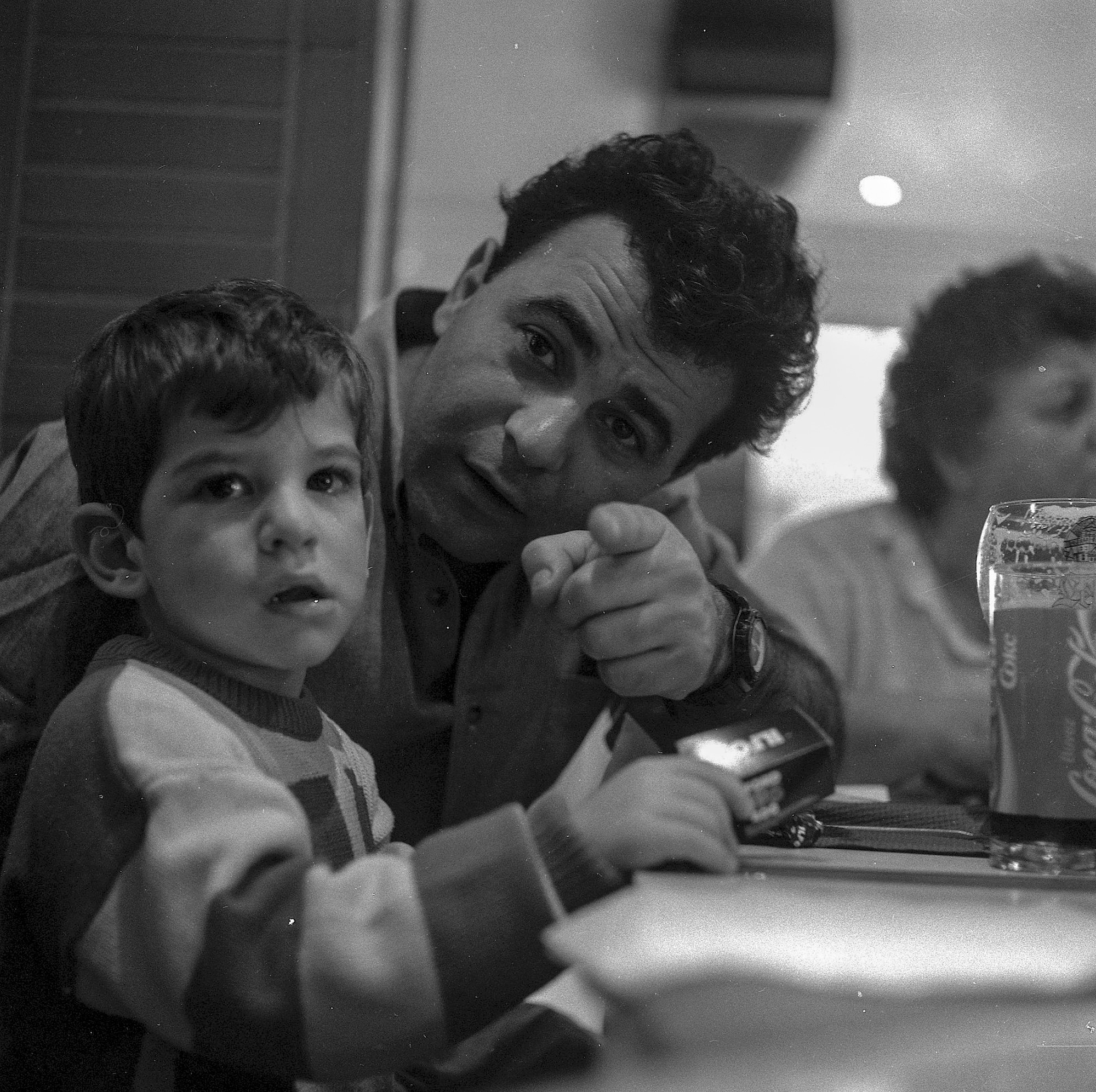
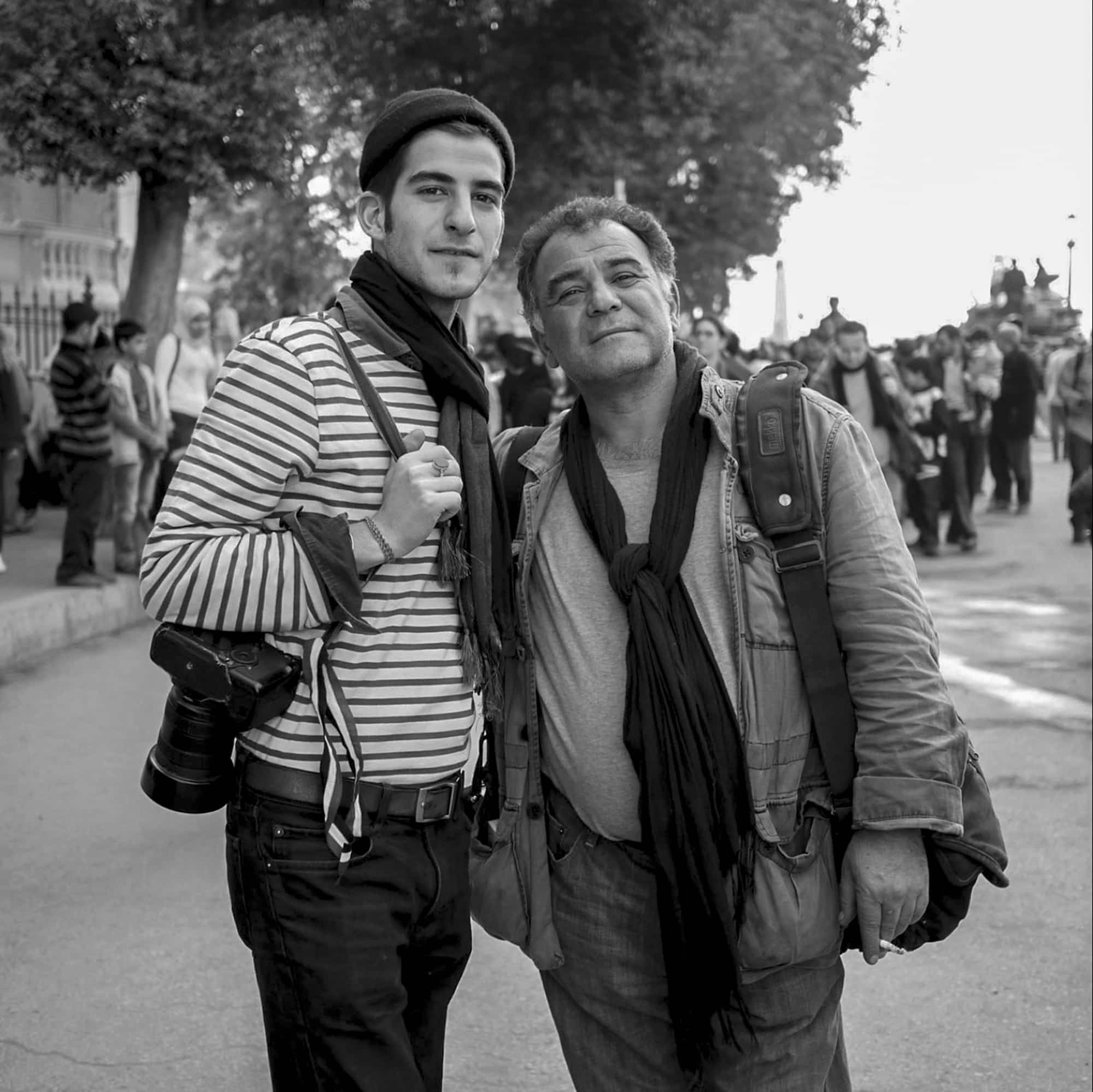
Born into a cosmopolitan family of Egyptian, Lebanese, Armenian, Assyrian, and Iranian origins, Yaghobzadeh’s parents had lived in various countries at war. Their history has led the photographer to venture into close proximity of conflicts and revolutions. When he takes off, it’s always in search of answers: answers about a given country’s history, experiences, and the unfolding events. More than an investigation, it’s above all a family quest, undertaken in his father’s footsteps: “It was my father’s personal story that led him into this profession. Having known him at home and not in the field, I wanted to see and understand what he was going through. To this day, I don’t think I truly have.”